



French Country Pottery
French country pottery offers rustic earthenware and tin glaze vessels that bring authentic provincial warmth and everyday utility into a modern interior.
What French country pottery is
When you search for French country pottery, you encounter robust utilitarian wares shaped by regional traditions across the nineteenth century. These pieces span decorative plates, bowls and basins, platters and dishes, alongside distinctive storage vessels.
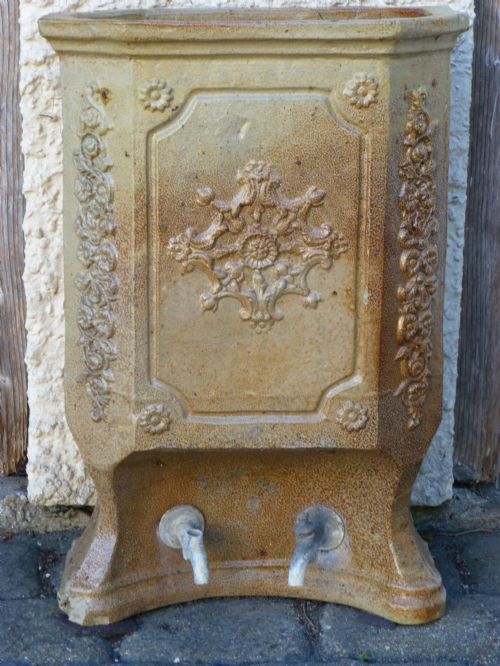
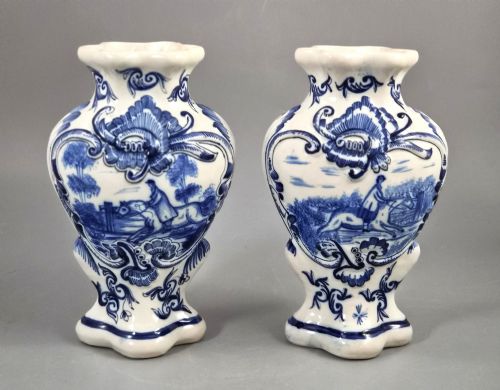
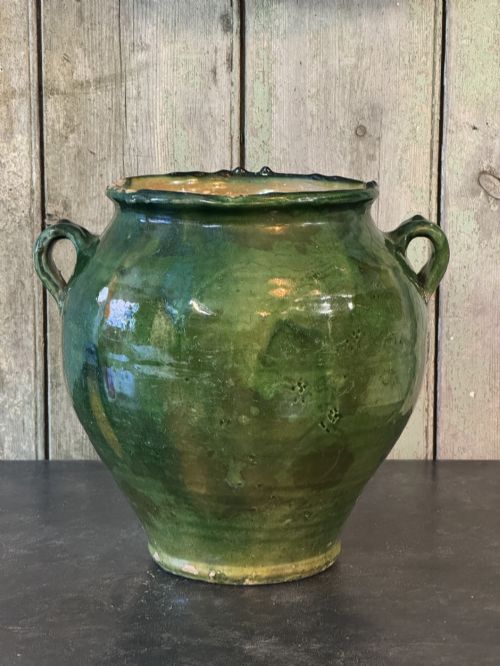
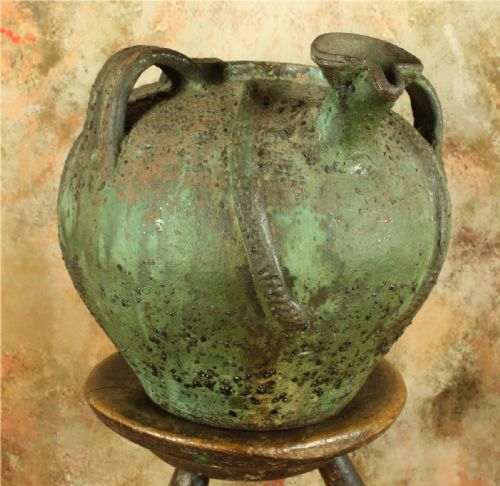
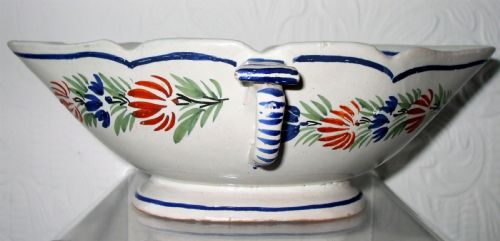
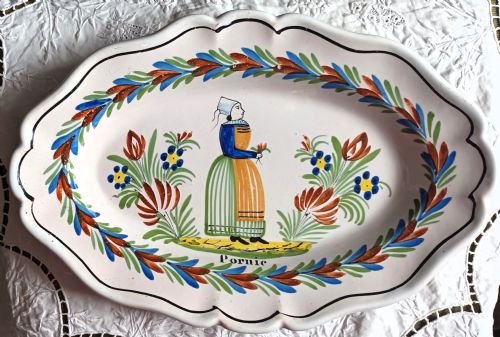
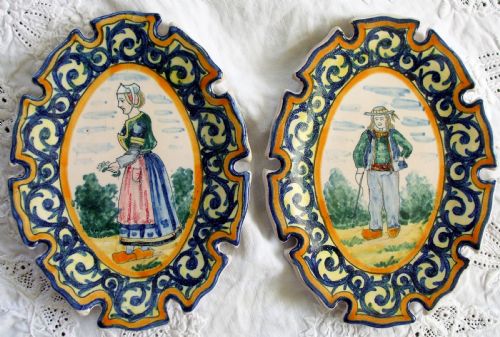
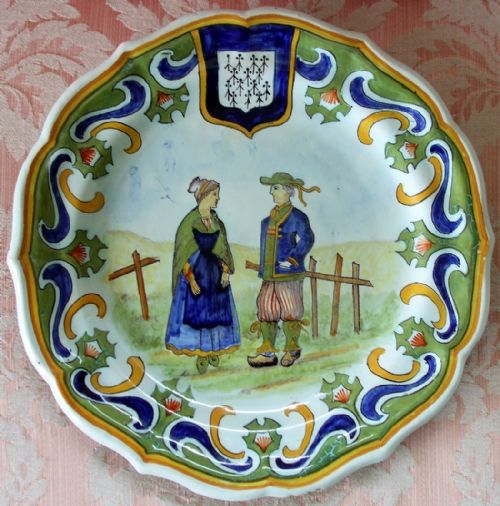
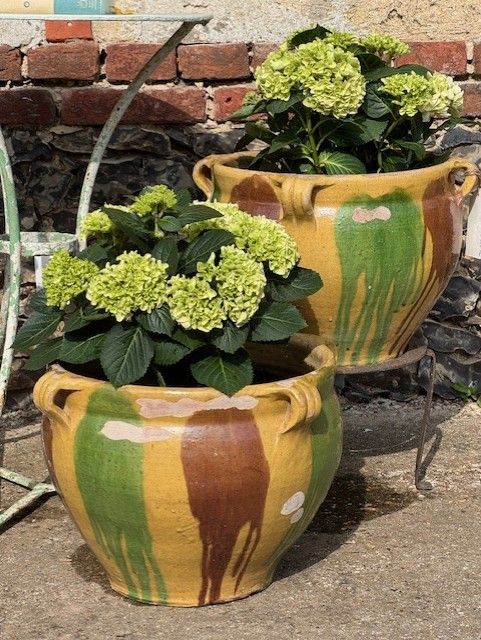
The objects appearing on this page include nineteenth century faience plates and dishes, green glazed terracotta confit pots, and large South of France tian bowls. Their forms reflect domestic rural life in styles described as French provincial and French country.
Confit pots and tian bowls dominate the selection, showing the heavy domestic utility associated with nineteenth century rural production. Faience plates and dishes introduce brighter tin glaze surfaces alongside these heavier utilitarian earthenwares.
How they were made
Potters shaped these vessels from terracotta and earthenware, employing basic forming techniques to create thick walls suited to heavy domestic service. The resulting bodies provide a porous yet durable foundation for the applied surface treatments.
Craftsmen coated the clay bodies with lead glazes, tin glazes, or standard glazes, often producing characteristic green tones across confit pots and tian bowls. Iron fittings appear on certain forms, combining metalwork with earthenware construction.
Retail Price Guide 2026
Typical UK retail prices for french country pottery, calculated from the Sellingantiques database of over a million retail prices indexed since 2003. This retail price guide relies exclusively on Sellingantiques data; no external sources or auction records are used, so the figures do not describe the wider market.
Materials recorded across these listings include earthenware, terracotta, tin glaze, lead glaze, and iron.
What varies in quality
Quality separates simple utilitarian work from finer decorative output through the depth and richness of the glaze. Rich green lead glazes and carefully painted tin glaze surfaces demonstrate superior regional craftsmanship.
The preservation of the earthenware body and glaze integrity determines the standing of each piece. Larger items like substantial tian bowls rely heavily on structural stability across their wide diameters.
The French Country Pottery Glossary
- Faience
- Tin glazed earthenware originating from European traditions. This surface provides a fine white or coloured background for painted decoration.
- Confit pot
- A utilitarian storage vessel featuring handles, designed for preserving food. These pots typically display a glazed upper section and unglazed lower body.
- Tian bowl
- A very large circular basin used in southern French households for agricultural or domestic tasks. They often feature wide rims and heavy earthenware walls.
- Earthenware
- Porous pottery fired at lower temperatures than stoneware or porcelain. It requires a glaze to hold liquids effectively.
- Tin glaze
- An opaque white or tinted glaze containing tin oxide. It allows painters to apply brushwork directly onto an unfired surface.
Frequently Asked Questions
What is a confit pot?
A confit pot is a traditional earthenware jar used in rural French kitchens for preserving meats and other foods. These vessels feature sturdy handles and distinctive glazed upper portions designed for practical kitchen utility.
Over time, these utilitarian storage jars transitioned into decorative interior objects valued for their rustic forms and regional green glazes.
How do I date these pieces?
Dating relies on stylistic indicators, material composition, and the specific characteristics of nineteenth century provincial production methods. Examining the glaze consistency and clay body helps place the object within its proper historical era.
Reference points include documented nineteenth century manufacturing styles and regional French provincial workshop traditions.
Where were tian bowls used?
Tian bowls served as large mixing and washing basins in the households and farms of the South of France. Their generous diameters accommodated heavy domestic chores, food preparation, and laundry tasks.
Today, these wide basins find new life as decorative focal points or garden planters in contemporary spaces.
How do I clean glazed earthenware?
Clean glazed earthenware gently using warm water and mild soap with a soft cloth to protect the historic surface. Avoid harsh scouring pads or strong chemical detergents that might harm older lead or tin glazes.
Careful handling ensures the nineteenth century surfaces retain their original character and glaze sheen over years of display.