


French Terracotta Pot
These french terracotta pot selections bring enduring rustic character to gardens and interiors through traditional earthenware forms shaped across the eighteenth and nineteenth centuries.
French Terracotta Pot
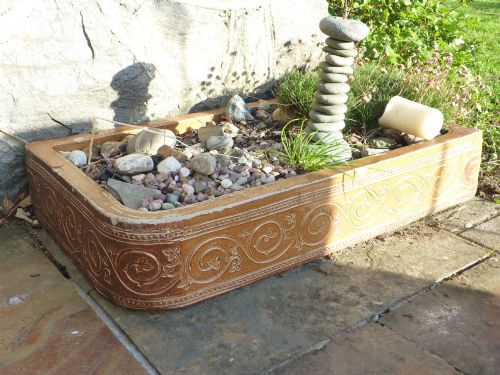
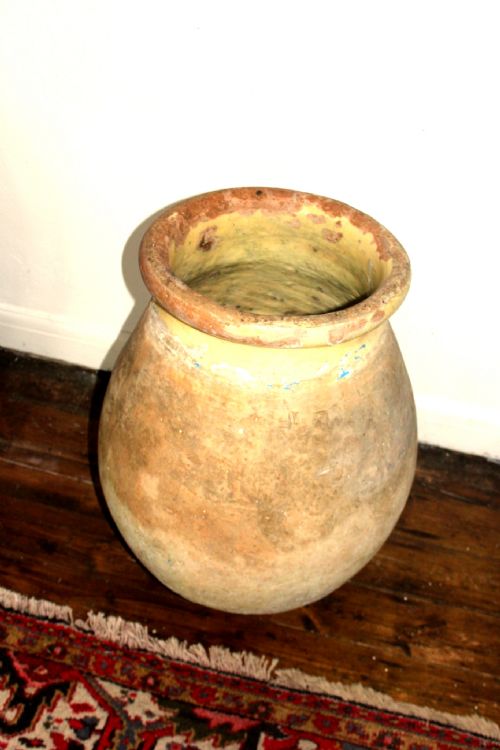
A french terracotta pot encompasses functional agricultural vessels and garden containers originating from provincial workshops. Buyers encounter utilitarian storage jars alongside decorative planters and troughs designed for courtyard cultivation.
The nineteenth century yields many surviving examples, supplemented by eighteenth century olive jars and occasional mid twentieth century pieces. Forms range from multi handled oil jugs to large confit jars and classical amphora shapes.
Regional styles reflect rural French traditions, spanning French provincial aesthetics to rustic farmhouse and faux bois designs. These vessels suit modern garden settings just as well as traditional interior displays.
Materials and construction methods
Makers utilised local clay and terracotta, shaping vessels by hand on wheels or through traditional moulding techniques. Natural earthenware bodies fired in regional kilns produced durable bodies suited to agricultural use.
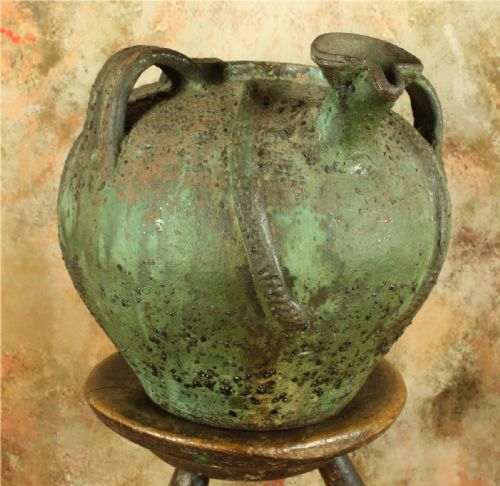
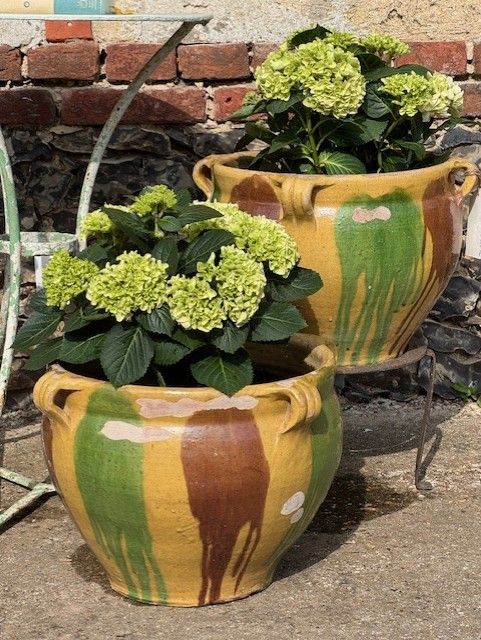
Many pots feature partial or full glazes, including green lead glazes and salt glazes applied to stoneware surfaces. Dribble glazes and aged patinas developed organically through prolonged exposure to oils, plants and weather.
Listings feature eighteenth and nineteenth century French terracotta alongside twentieth century examples from southern French provincial workshops.
Evaluating quality and authenticity
Superior pieces display the distinct tool marks of individual makers and balanced proportions that speak to skilled regional potting traditions. Exceptional weight and substantial scale separate grand estate jars from domestic utility wares.
The integrity of the fired body and the character of the surface finish dictate overall desirability. Weathered patinas, original glaze runs and historical repair work contribute to the individual history of each vessel.
Guichard Carriès
The French Terracotta Pot Glossary
- Confit Pot
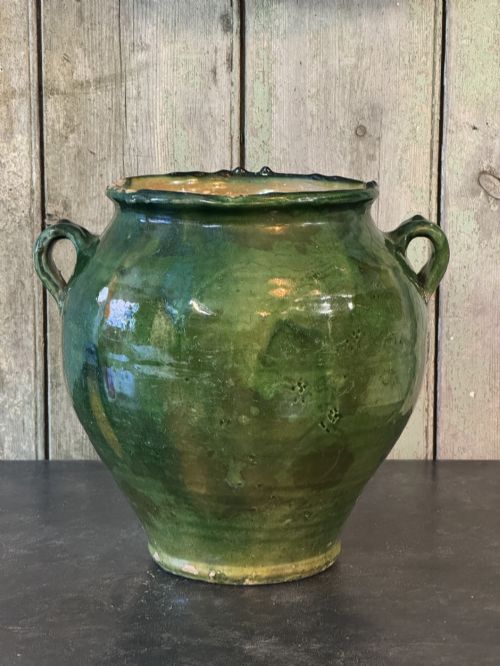
- A traditional French earthenware vessel featuring handles, historically used for preserving meat and food in fat. These pots often display partial green glazes over warm terracotta bodies.
- Biot Jar
- A large terracotta storage vessel originating from the Provençal town of Biot, traditionally used for holding olive oil or grain. Their robust scale and weathered surfaces make them prominent garden focal points.
- Faux Bois
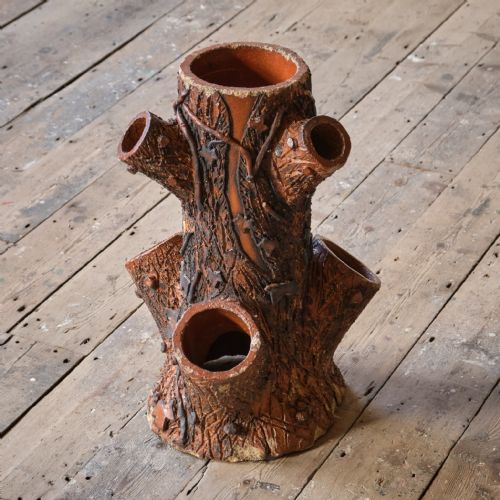
- An artistic style imitating wood grain, frequently rendered in concrete or terracotta to create garden planters resembling natural logs. This technique gained popularity during the nineteenth century.
- Salt Glaze
- A glossy, slightly textured finish achieved by throwing common salt into the kiln during high temperature firing. This creates a durable coating resembling orange peel texture on stoneware.
- Amphora
- A two handled ancient vessel shape with a narrow neck, reproduced across later centuries for decorative garden use. These pots echo classical Mediterranean forms.
French Terracotta Pot: Frequently Asked Questions
How were french terracotta pot vessels used originally?
These vessels served practical functions in rural French agriculture and domestic life, primarily storing agricultural goods like olive oil, walnut oil and preserved meats. Large jars held provisions while smaller pots managed kitchen tasks and household storage.
Over time, many utility vessels transitioned from working farms into decorative garden planters and architectural ornaments. Their durable construction allowed them to withstand outdoor elements through decades of use.
Where should I place a french terracotta pot?
These pots suit both indoor living spaces and sheltered garden environments, acting as sculptural focal points or large plant containers. Placing them on patios, terraces or within conservatories highlights their provincial character and aged surfaces.
Protecting porous earthenware from severe winter freezing prevents cracking and preserves the historic clay body. Many owners display smaller confit pots indoors as decorative accents or floral vases.
How do I identify an eighteenth century piece?
Earlier pieces from the eighteenth century typically exhibit hand thrown irregularities, heavier potting walls and distinct tool marks from primitive workshop production. Their forms often prioritize agricultural utility, such as multiple handles for rope binding.
Examining the wear patterns, clay composition and historical provenance helps distinguish eighteenth century examples from later nineteenth century reproductions. Natural surface oxidation and deep patination also indicate considerable age.
Why do some pots feature green glaze?
Traditional green lead glazes were applied to the interior or upper exterior of utilitarian vessels to prevent liquid absorption and ease cleaning. Confit pots frequently display this distinctive green coating over earthenware.
Over centuries of use and burial, these glazes develop characteristic crazing, thinning and subtle colour shifts. The interaction between the glaze and the underlying terracotta creates a rich visual depth.