



French Provincial Pot
These French provincial pots and associated furniture bring rustic regional character into an interior through honest materials and functional rural design.
French Provincial Pot
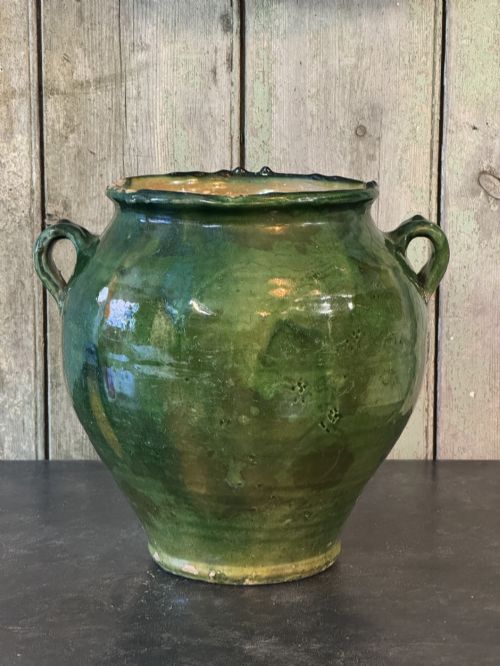
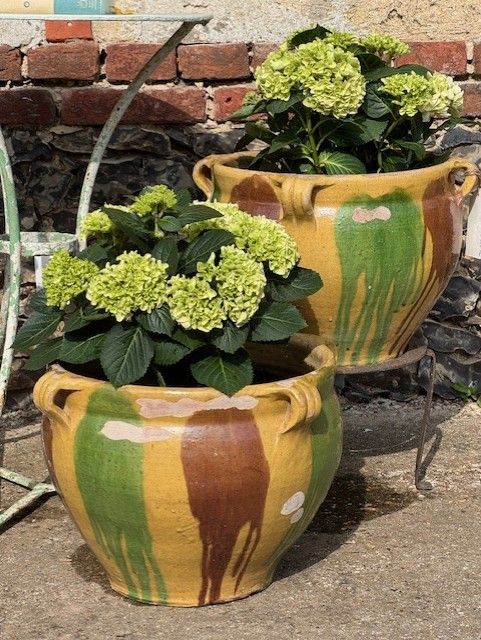
A french provincial pot typically encompasses traditional glazed terracotta confit jars, earthenware olive jars, and green-glazed vessels originating from rural workshops in the south of France.
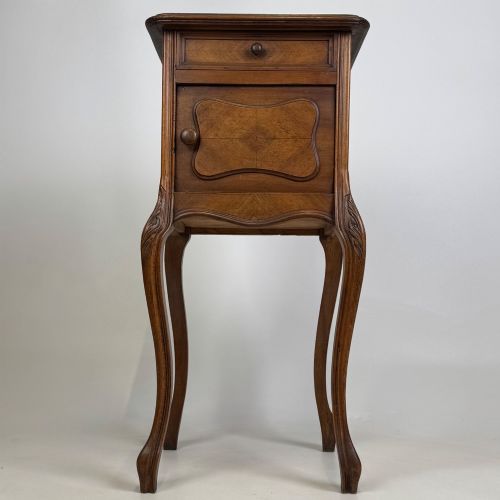
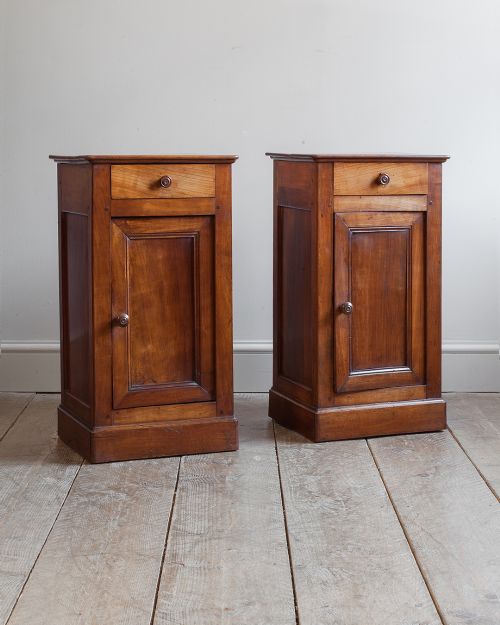
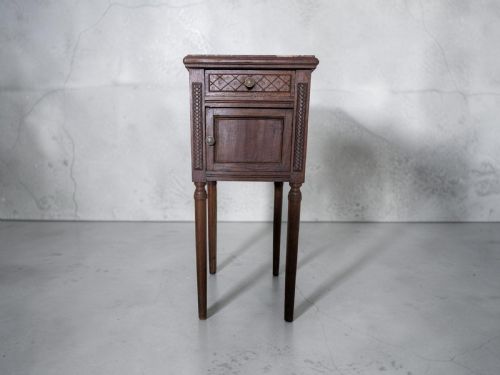
Buyers also encounter related regional furniture items grouped under this aesthetic, including marble-topped walnut bedside cabinets, oak nightstands, and painted pot-shelf serving tables.
The selection ranges from nineteenth-century utilitarian earthenware to twentieth-century provincial cabinetry, reflecting the enduring domestic utility of French country life.
How they were made
Pottery items rely on traditional terracotta and earthenware thrown by hand, finished with characteristic green or dribble glazes applied before kiln firing.
Furniture pieces utilise regional hardwoods such as walnut, oak, cherrywood, and pine, frequently paired with polished marble tops and iron or brass hardware.
Construction methods feature hand-carving, pegged joinery, and turned details like barley twist legs, demonstrating practical vernacular carpentry.
Several pieces arrive bearing the specific grey and plum paint hues of modern home decorators while maintaining their antique French frames.
What varies in quality
Quality rests in the depth and preservation of the earthenware glaze, where rich dripping colours and intact surfaces distinguish superior confit pots and planters.
In timber furniture, the choice of dense walnut or figured oak, combined with crisp carving and heavy marble inserts, separates finer cabinet work from simpler utility pieces.
Proportion and untouched patination dictate desirability, as items retaining their original painted surfaces or authentic structural integrity hold greater visual authority.
The French Provincial Pot Glossary
- Confit pot
- A traditional French earthenware vessel featuring handles, originally used for preserving meat and storing fats. These pots often display characteristic lead glazes.
- Terracotta
- Fired unglazed or glazed clay of a brownish-red colour, widely used for regional French garden planters and storage jars.
- Bedside cabinet
- A small enclosed bedside storage unit with a cupboard door or drawer, frequently topped with marble in French provincial bedrooms.
- Barley twist
- A decorative turning technique resembling a spiralling rope, commonly found on the legs and supports of nineteenth-century French tables and cabinets.
- Tambour front
- A flexible shutter door constructed from narrow strips of wood glued to a canvas backing, allowing smooth access to small cabinet compartments.
French Provincial Pot: Frequently Asked Questions
What were French confit pots originally used for?
These large earthenware vessels served a strictly utilitarian purpose in rural French kitchens for preserving and storing confit duck or pork.
Their half-glazed finish protected the porous clay from moisture while the unglazed lower sections allowed the heavy jars to remain cool in cellars.
How do I style a French provincial pot at home?
These pots function well as standalone decorative floor objects, planters for large indoor greenery, or grouped collections on rustic side tables.
Their earthy terracotta tones and dribble glazes complement both traditional country interiors and minimalist modern spaces.
Are marble top bedside cabinets difficult to maintain?
The marble surfaces require minimal upkeep beyond regular wiping with a damp cloth and mild soap to prevent staining from liquids.
Avoid harsh acidic cleaners that can etch the polished stone surface over time.
How can I tell the age of these pieces?
Older earthenware pots show uneven hand-throwing marks, irregular glaze pooling, and minor kiln imperfections from nineteenth-century production methods.
Timber furniture displays period-appropriate joinery, hand-cut screws, and natural timber shrinkage consistent with age.