


French Confit Pot
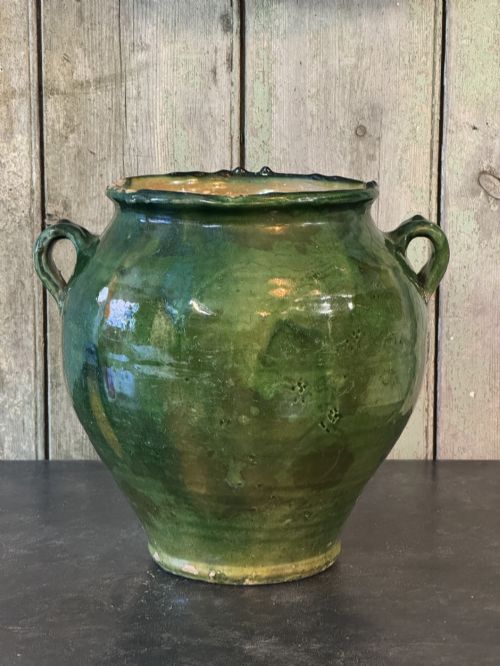
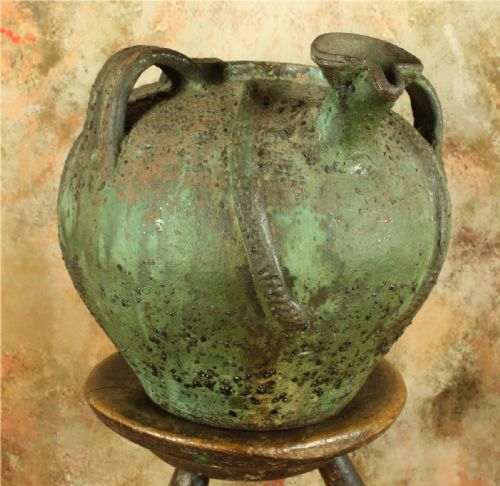
These French confit pot examples are robust earthenware storage vessels originally designed for preserving food in provincial French kitchens.
French Confit Pot
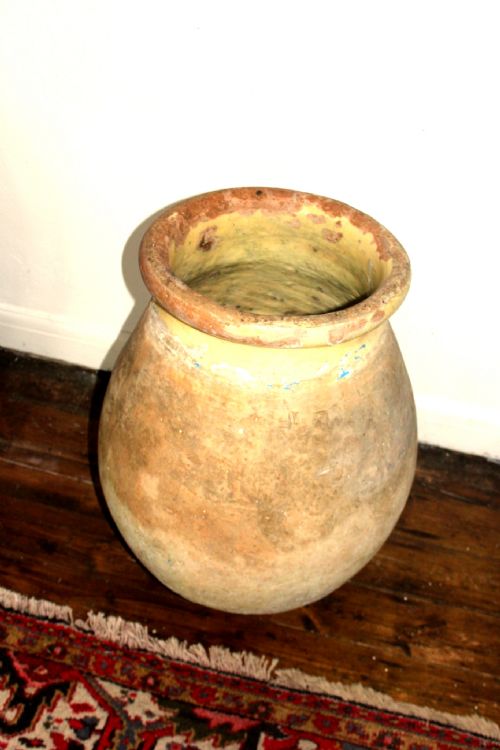
A french confit pot is a utilitarian vessel built for daily use in rural households, most frequently seen from the nineteenth century. These pots appear alongside related utilitarian forms like olive jugs, walnut oil jars, and planters originating from southern regions such as Castelnaudary and Biot.
Materials and construction
Potters shaped local clay and terracotta by hand, creating heavy earthenware bodies capable of enduring constant domestic use. The porous nature of the earthenware necessitated thick applications of lead or earth-based glazes to ensure the vessels remained liquid-tight.
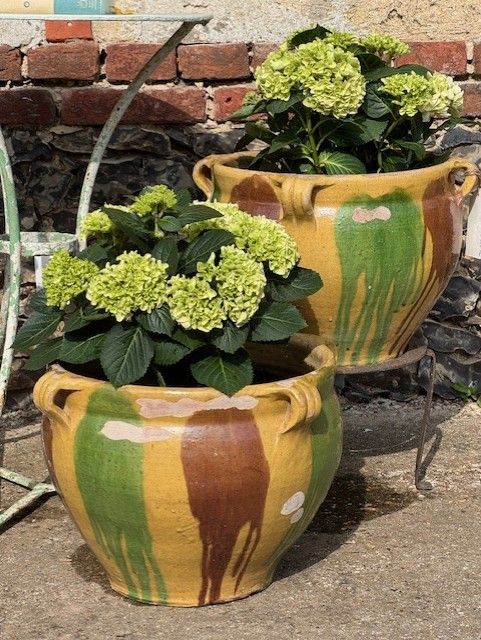
Glazing techniques varied from complete immersion to distinctive trickle or dribble effects, often rendering rich green, yellow, or pale green surfaces across the upper half while leaving the lower terracotta unglazed.
Some miniature confit pots are so surprisingly small they could barely hold a single duck leg.
Assessing quality and character
Quality in a french confit pot rests in the harmony of proportion, the depth and coverage of the glaze, and the honesty of the surface wear. Superior examples display a rich, lustrous glaze running cleanly down the terracotta body without obscuring the handmade irregularities of the clay.
The character of the piece is further defined by the patina accumulated through decades of utilitarian service. Pots retaining intact handles and balanced, organic colour variation command greater attention from collectors than heavily compromised examples.
The French Confit Pot Glossary
- Terracotta
- A porous, brownish-red fired clay body used widely for utilitarian French vessels. This material forms the unglazed foundation beneath the glossy upper dips.
- Glaze
- A vitreous layer fused to the earthenware body through firing. It provides both a decorative finish and a practical seal against moisture and oils.
- Confit
- A traditional method of preserving meat by slow cooking and storing it in its own fat. The confit pot was specifically shaped to house these provisions.
- Provincial
- Pertaining to the regions outside Paris, characterised by regional traditions and utilitarian honesty. These pots reflect the practical aesthetic of rural French workshops.
French Confit Pot: Frequently Asked Questions
How were confit pots used?
These vessels served primarily to store cooked meats sealed in fat, keeping food preserved for months in rural homes before refrigeration.
They also held oils and provisions in the pantry, functioning as durable workhorses of the traditional kitchen.
Where do these pots come from?
The pieces originate from various regions in France, with notable production centres in the south including Castelnaudary and Biot.
Local potteries utilised regional clays to produce sturdy earthenware suited to domestic and agricultural storage needs.
How do I date an old pot?
Dating relies on observing the throwing marks, the composition of the terracotta body, and the characteristics of the glaze. Eighteenth-century examples often display distinct earth-based finishes compared to later nineteenth-century pieces.
Form and handle placement also shift subtly across the decades, helping to establish the period of manufacture.
How can I display them at home?
Confit pots suit placement on kitchen worktops, open shelving, or directly on the floor as sculptural decorative accents. Their earthy tones and glazed finishes complement both rustic and contemporary interiors.
Larger vessels also function effectively as planters for indoor greenery or olive trees.