

18th Century Earthenware
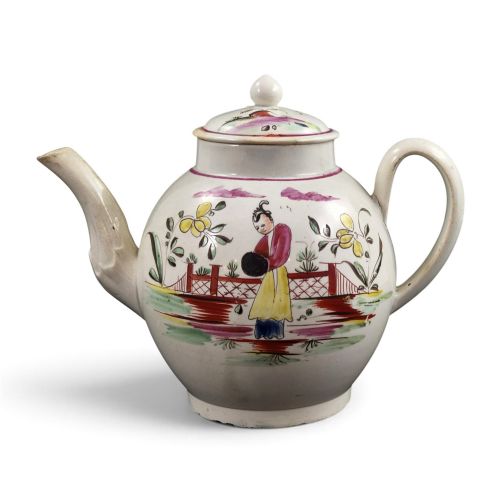
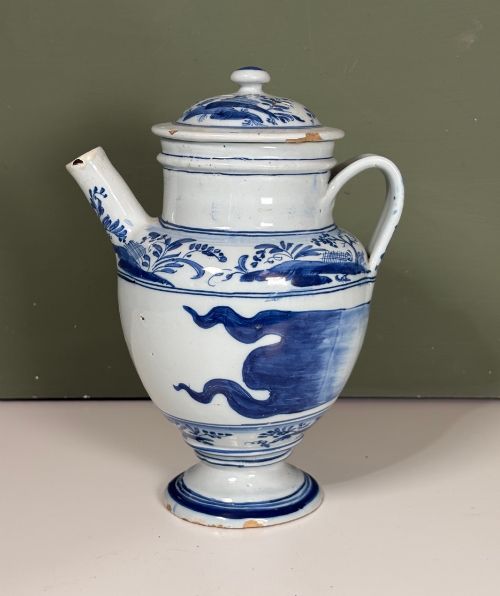
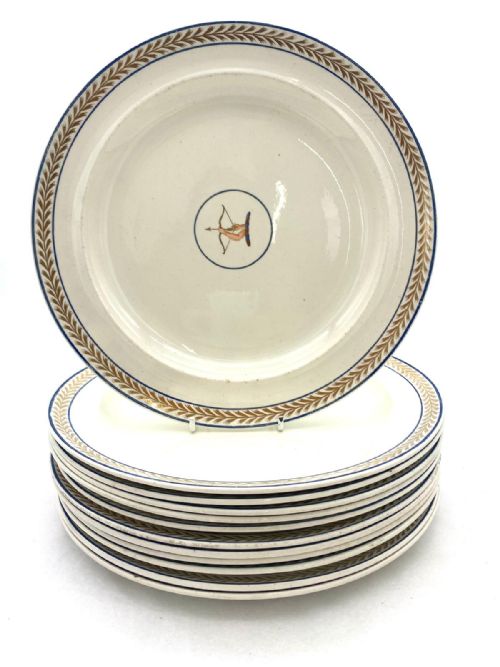
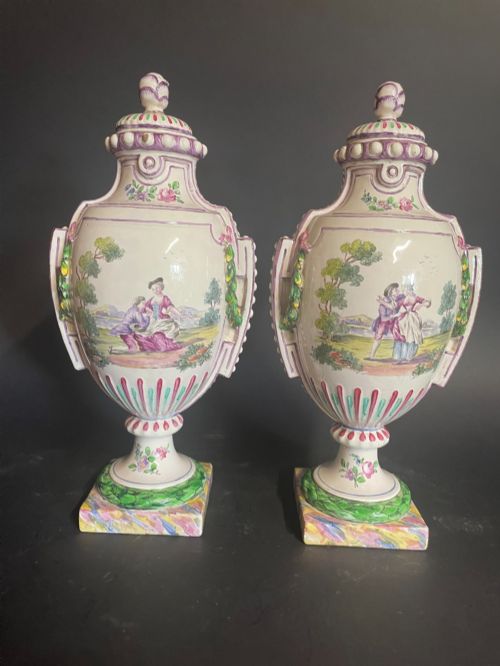
18th century earthenware brings tactile warmth to a room through tin-glazed chargers, creamware tea ware and hand-painted blue and white delft.
18th Century Earthenware
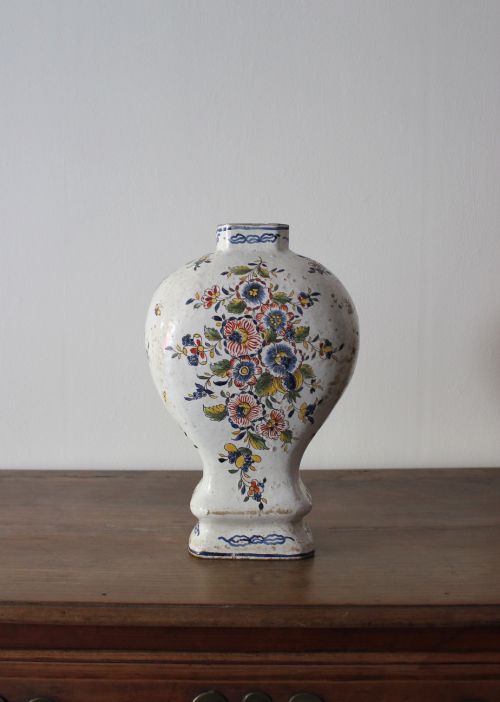
When searching for 18th century earthenware, buyers encounter a diverse range of utilitarian and decorative domestic objects shaped from porous clay bodies. These pieces span chargers, apothecary jars, vases and tableware produced across England, Holland, France, Italy and Spain.
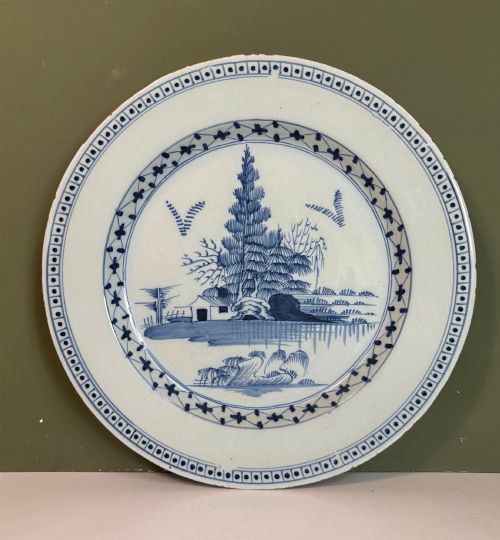
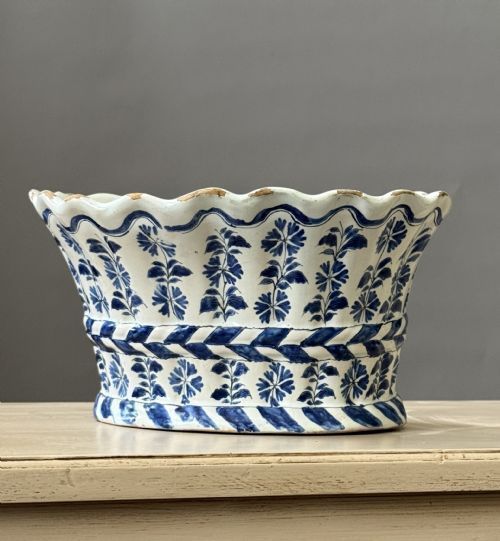
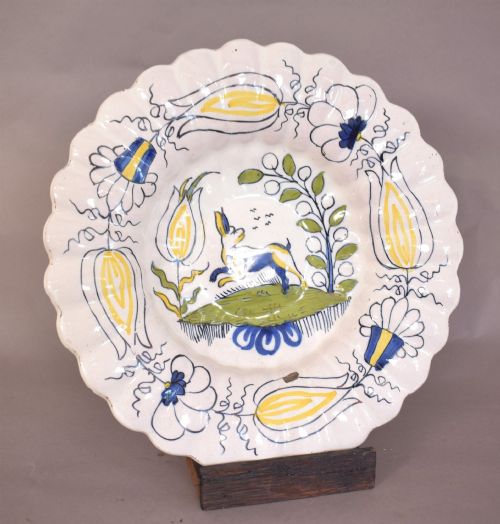
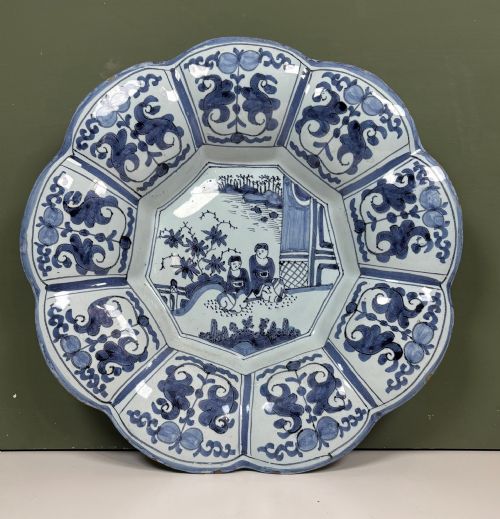
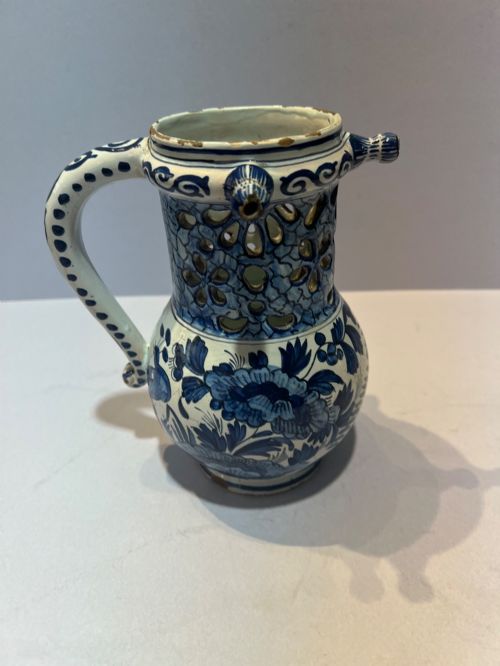
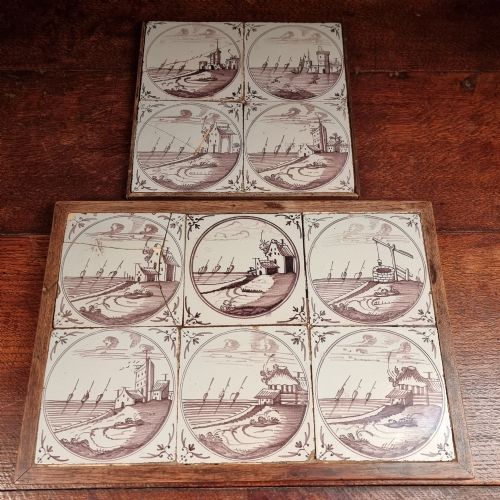
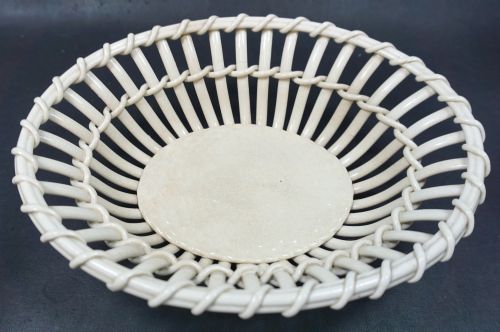
The most common examples on this page are tin-glazed delftware chargers and creamware dinner services, reflecting the heavy output of English and Dutch potteries during the Georgian era. Collectors also find specialised items such as puzzle jugs, bough pots and barber's bowls.
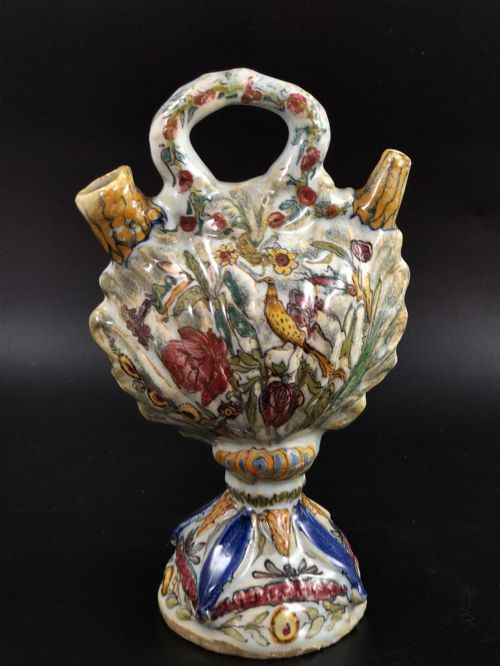
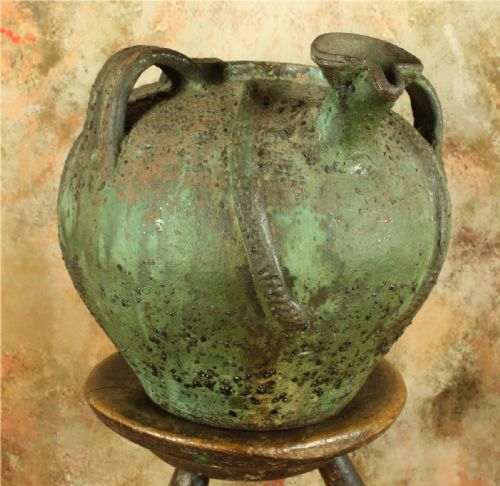
Vessels range from robust slipware jugs to refined armorial platters painted with cobalt pigment or polychrome enamels. Each surviving item records the domestic habits and decorative tastes of the Georgian period.
How they were made
Potters shaped local clays by hand or on the wheel before applying specialised surface treatments that defined the finished appearance. Tin glaze provided an opaque white background suitable for hand-painted cobalt pigment or enamel decoration, while creamware utilised refined lead glazes over light-bodied clay.
Firing took place in traditional kilns where pieces were stacked using stilts or spurs, leaving characteristic small marks on the underside or base. Pigments such as manganese and cobalt oxide reacted to the heat, producing the characteristic blues, purples and yellows seen on Dutch and English delftware.
Current listings feature earthenware objects spanning the seventeenth, eighteenth and nineteenth centuries, produced in England, France, Holland, Italy and Spain.
What varies in quality
The quality of these ceramics depends heavily on the crispness of the hand-painted decoration and the stability of the glaze over the clay body. Finer examples display confident brushwork and well-balanced compositions, particularly on armorial creamware and polychrome chargers.
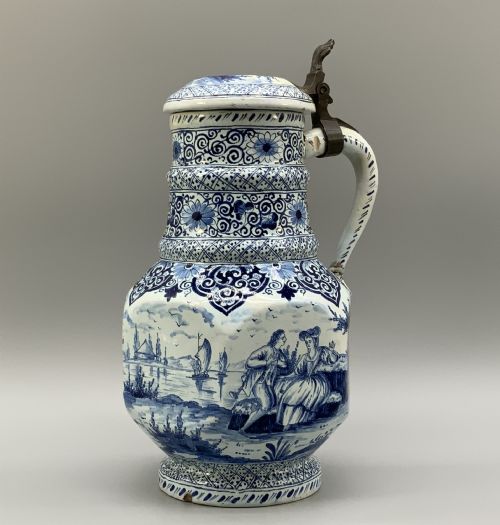
Condition and completeness also dictate distinction, as many vessels have survived with hairline cracks, glaze flaking or replaced lids. Pieces retaining their original pewter mounts or crisp moulded details stand apart from heavily worn domestic wares.
Wedgwood
The 18th Century Earthenware Glossary
- Tin-Glazed Earthenware
- Pottery coated in a lead glaze made opaque by the addition of tin oxide. This surface provided a smooth white ground for painting before a final kiln firing.
- Creamware
- A refined, light-coloured earthenware developed in England during the mid-Georgian period. It superseded heavier salt-glazed stonewares for dining tables.
- Charger
- A large decorative plate intended for display on a wall or dresser rather than everyday dining. These items frequently measure over thirty centimetres across.
- Apothecary Jar
- A ceramic vessel used by chemists to store dry drugs, wet syrups or medical ointments. They often feature painted Latin inscriptions identifying the contents.
- Puzzle Jug
- A novelty drinking vessel featuring a pierced neck and a tubular rim that requires the user to cover hidden holes in order to drink without spilling.
18th Century Earthenware: Frequently Asked Questions
How do I clean antique earthenware?
Wash these pieces by hand using warm water and a mild detergent, avoiding soaking or abrasive sponges that might harm the porous glaze.
Dry them thoroughly with a soft cloth to prevent moisture from entering existing hairline cracks within the ceramic body.
Can I use these plates for food?
Displaying food on tin-glazed earthenware is generally discouraged because the historic lead and tin glazes can degrade when exposed to acidic foods.
Enjoy these items visually on walls, dressers or tables rather than utilising them for daily dining.
How do I tell English delft from Dutch delft?
English delftware frequently exhibits a slightly pinker or softer clay body underneath the glaze compared to the denser fabrics used by Dutch potteries.
Brushwork and colour tones also differ, with English decorators often employing a warmer palette on chargers and plates.