


Green Glazed Ceramic Pot
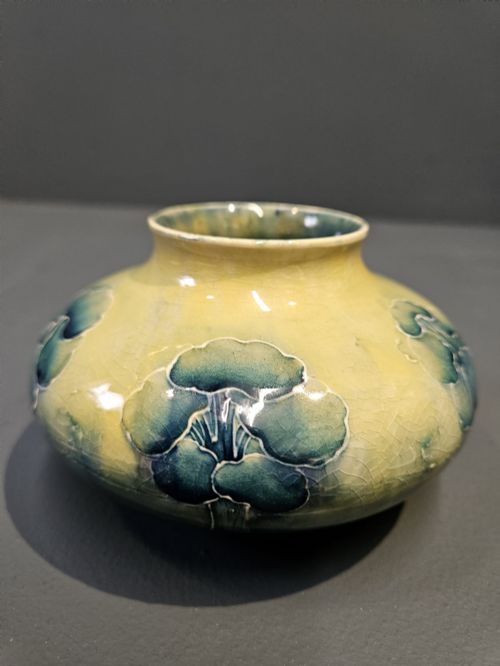
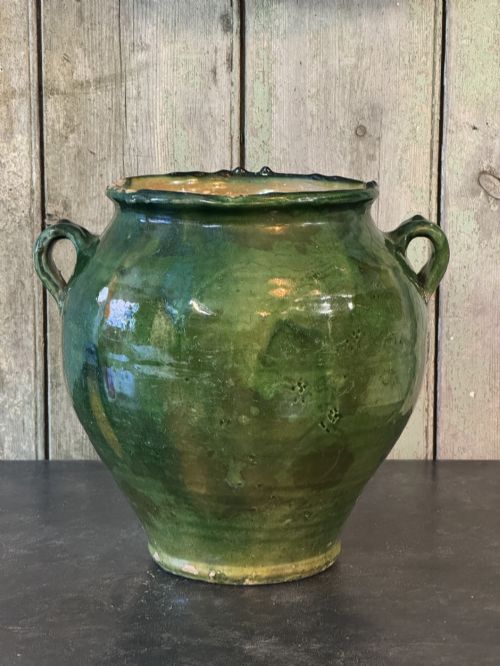
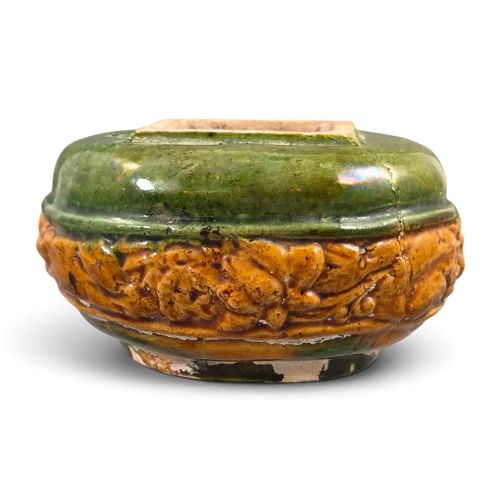
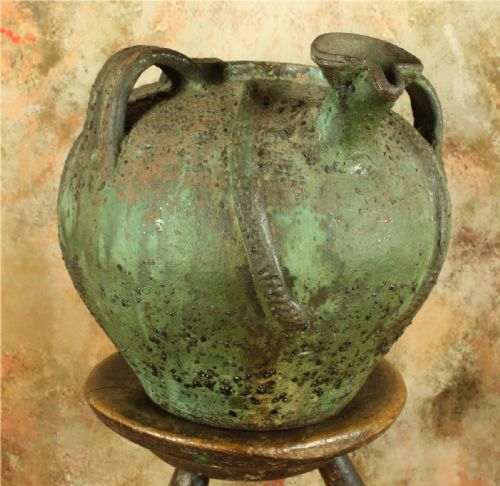
A green glazed ceramic pot brings depth and earthy colour to a room, spanning rustic French confit vessels and delicate Arts and Crafts pottery.
Green Glazed Ceramic Pot
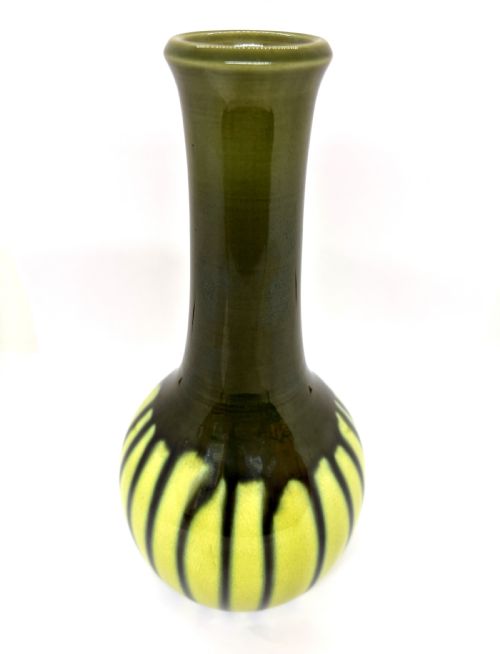
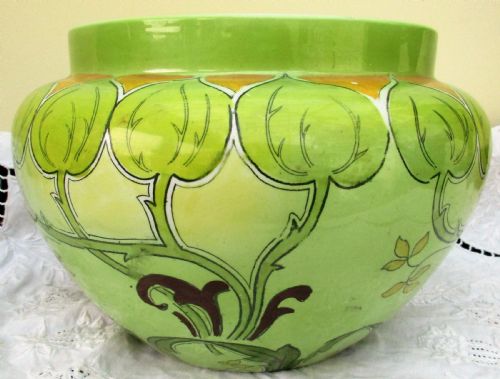
A green glazed ceramic pot encompasses utilitarian storage vessels, garden planters, and decorative vases collected for their rich surface treatments.
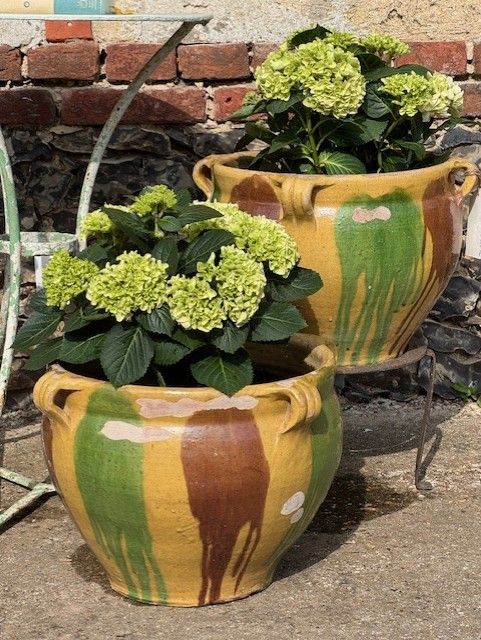
The selections span centuries and origins, ranging from nineteenth-century French confit pots and walnut oil jars to early Chinese scholar's water vessels and English Victorian majolica.
Buyers will most frequently encounter nineteenth-century earthenware and terracotta jars alongside domestic jardiniere and planter forms from European and British traditions.
Materials and methods
Potters shaped these vessels from terracotta, earthenware, and stoneware, utilising natural clays suited to throwing or hand-building utilitarian forms.
Surfaces received liquid glazes, including tin glazes, dribble glazes, and celadon finishes, which fused with the body during kiln firing to create varying depths of green colour.
The listings feature earthenware, terracotta, and stoneware materials shaped into jardinieres, confit jars, and water vessels across multiple centuries.
Assessing quality
Quality rests in the distribution and richness of the glaze, where uneven pooling and accidental drips contribute character rather than detract from the form.
The crispness of moulded detail in Victorian majolica or the balanced proportions of a thrown French confit jar separate standard utility pieces from finer studio and factory output.
Moorcroft Hazeldene·Burmantoft's Pottery·W.A. Adderley·Royal Doulton·Joseph Holdcroft
The Green Glazed Ceramic Pot Glossary
- Confit pot
- A traditional French earthenware vessel used for preserving food, typically featuring handles and a partially or fully glazed surface.
- Majolica
- A type of earthenware decorated with opaque tin glazes and brightly coloured metal oxides, popular during the Victorian era.
- Jardiniere
- An ornamental pot or stand designed to hold growing plants or flowers, often displayed on interior tabletops or pedestals.
- Celadon
- A term for pottery denoting both wares glazed in jade green shades and the specific translucent green glaze itself, originating in East Asia.
- Earthenware
- Porous pottery fired at lower temperatures, requiring a glaze to render it waterproof for holding liquids or plants.
Green Glazed Ceramic Pot: Frequently Asked Questions
What were green glazed pots used for?
Many of these vessels served practical domestic roles, from storing food like confit and walnut oil to holding water and medicinal ointments.
Over time, larger pots transitioned into decorative jardiniere and planter forms designed to display plants within nineteenth-century homes.
How do I care for an antique glazed pot?
Keep these pieces away from areas prone to dampness or extreme temperature shifts, which can stress historic earthenware bodies.
Dust them gently with a dry cloth and avoid using harsh chemical cleaners that might damage the aged glaze surface.
Are these pots waterproof?
Older earthenware and terracotta bodies can remain slightly porous even with a surface glaze, meaning moisture may seep through over extended periods.
Place a protective saucer underneath or use an internal liner if you intend to hold live plants with wet soil.
How can I tell the period of a pot?
Dating relies on observing the clay body, manufacturing marks, and the specific characteristics of the glaze and firing techniques used.
Comparing the form and decorative style against documented examples from makers or regions helps narrow down the century of production.