


Chinese Ceramic Scholar Desk
A chinese ceramic scholar desk arrangement gathers the quiet implements of the traditional literati, offering authentic brush pots and washers crafted for the ancient study.
Chinese Ceramic Scholar Desk
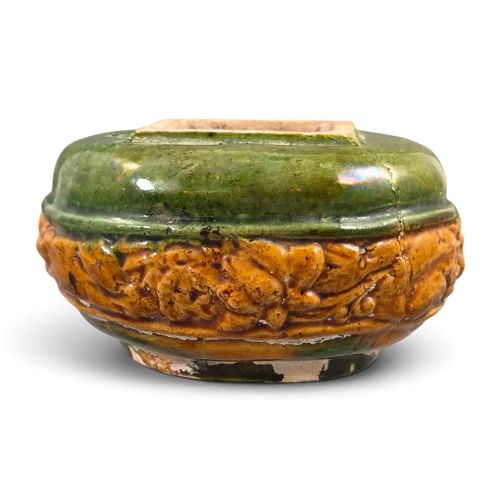
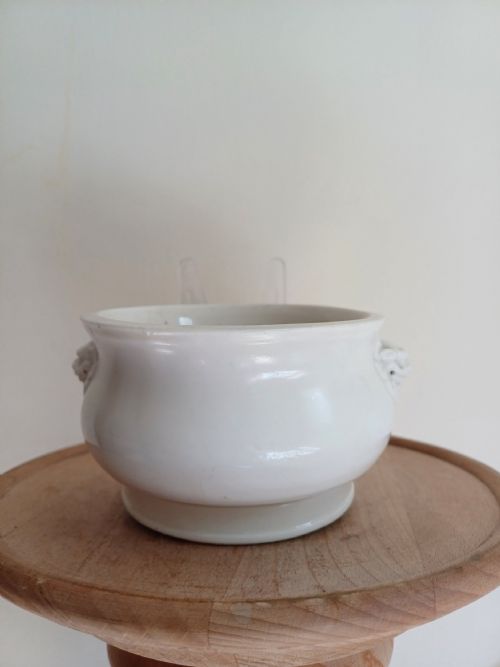
A chinese ceramic scholar desk selection comprises utilitarian vessels and decorative carvings associated with the traditional Chinese literati, including brush pots, brush washers, censers, and water vessels. The items appearing in these listings span several centuries, reaching from the Tang to Liao Dynasty through to the Ming and Qing Dynasties.
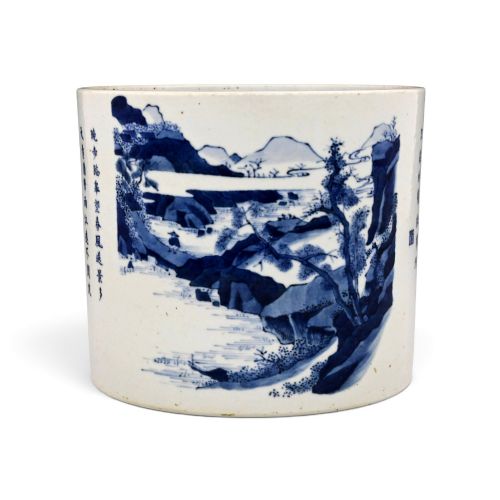
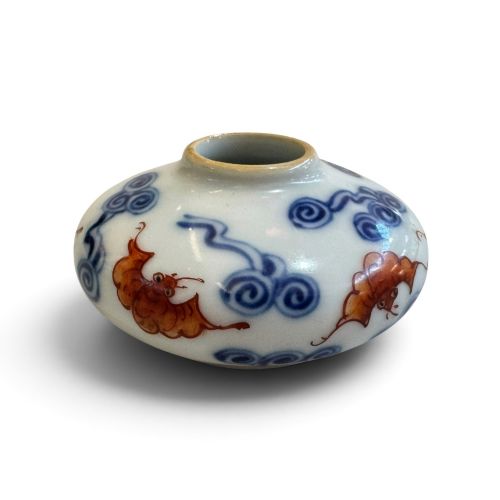
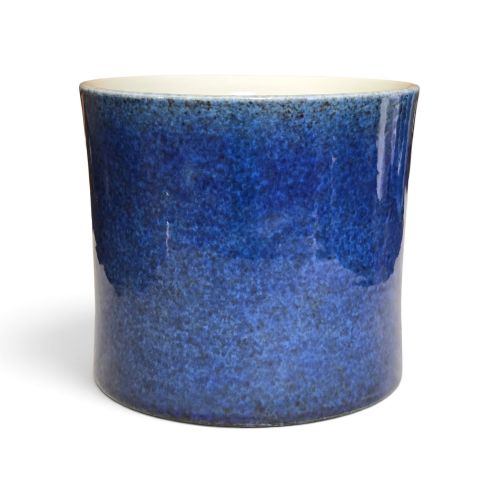
Buyers encountering this search phrase find porcelain and earthenware forms shaped specifically for the scholar's table, such as the cylindrical bitong brush holder or the compressed tangluo xi brush washer. Pieces range from early earthenware water vessels dated to the pre-16th century period up to large 19th-century porcelain brush pots decorated with official and scholar scenes or famille rose enamels.
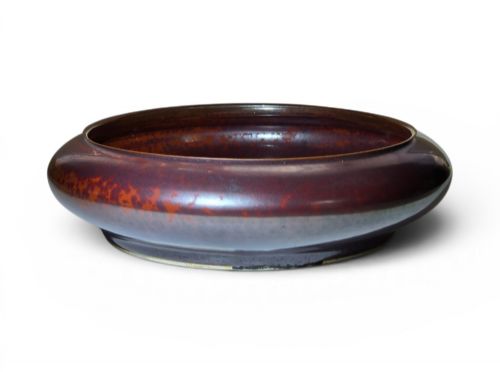
The objects reflect the aesthetic tastes of imperial workshops and scholarly retreats, employing forms like the blue and white bitong or the iron rust-glazed compressed washer. These works served practical functions in calligraphy and painting while maintaining a disciplined artistic restraint suited to the scholar's studio.
Distinctions in quality
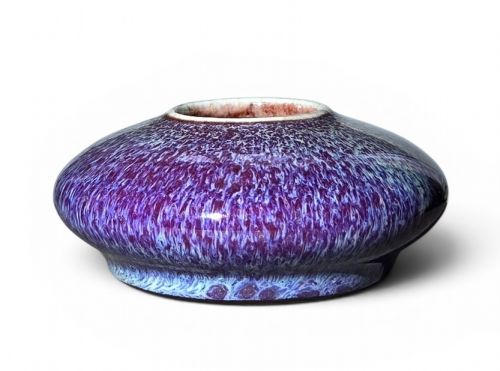
Quality in a chinese ceramic scholar desk piece rests on the precision of the throwing, the control of the kiln during high-temperature firings, and the refinement of the glaze. Finer examples display balanced proportions, clean cobalt underglaze painting, or even iron rust and flambé glaze distributions without distracting kiln flaws.
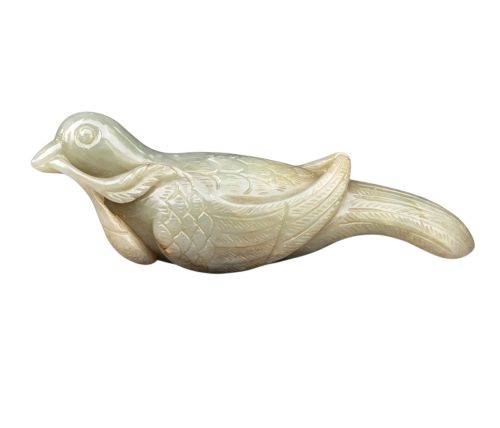
Imperial-style works and pieces attributed to specific periods like the Kangxi or Qianlong eras exhibit superior artistic ambition in their painted motifs, such as detailed bats, clouds, phoenixes, and peonies. The depth of the carved detail on jade accessories or the subtlety of the blanc de chine body further separate standard utility wares from important scholarly productions.
Materials documented in these listings include porcelain, earthenware, cobalt glaze, lead glaze, iron rust glaze, and celadon jade.
The Chinese Ceramic Scholar Desk Glossary
- Bitong
- A cylindrical brush pot used to hold writing brushes on the scholar's desk. This form is typically rendered in porcelain with blue and white decoration or monochrome glazes.
- Brush washer
- A vessel designed for rinsing ink brushes during calligraphy and painting sessions. These vessels often take a compressed or shallow form known as a xi.
- Celadon jade
- A pale green nephrite jade utilised for decorative carvings and scholarly desk accessories. It appears in imperial-style animal carvings.
- Iron rust glaze
- A dark, metallic-looking iron-rich glaze that creates a mottled or crystalline surface texture upon firing. It is found on compressed brush washers.
- Famille rose
- A palette of opaque enamel colours introduced in the Qing Dynasty, dominated by pink or rose hues derived from gold. It decorates official and scholar scene porcelain.
Chinese Ceramic Scholar Desk: Frequently Asked Questions
What is a bitong?
A bitong is a cylindrical brush pot used by scholars to organise writing brushes on the desk. They are commonly made of porcelain and decorated in blue and white or monochrome glazes.
These vessels form a central part of the scholar's desk equipment, combining utility with refined artistic expression across various dynasties.
How were brush washers used?
Brush washers held water for cleaning ink brushes during calligraphy and painting. Scholars placed them alongside brush pots as essential desk accessories.
Their shallow forms allowed easy access for rinsing hair tips without damaging the brush structure.
What periods do these pieces date from?
The pieces span from the pre-16th century Tang to Liao Dynasty eras through the Ming Dynasty and into the Qing Dynasty, including specific reigns like Kangxi and Qianlong.
Most items originate from the 17th, 18th, and 19th centuries, reflecting changing imperial and scholarly tastes over time.
What is an iron rust glaze?
An iron rust glaze is a dark, metallic finish containing iron oxides that produce a textured, speckled surface during high-temperature firing. It creates a robust aesthetic on compressed brush washers.
This glaze type is valued for its unusual depth and tactile quality in scholarly ceramics.