
Chinese Scholar Vessel
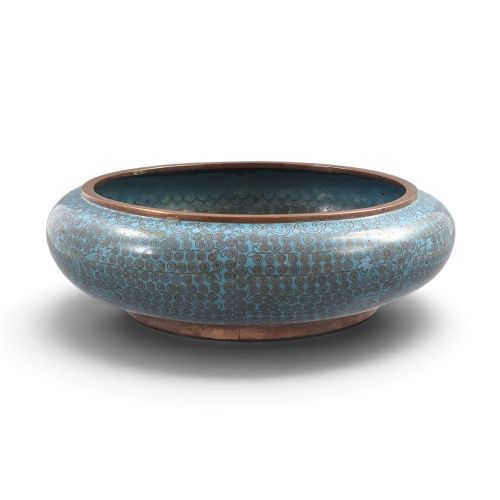
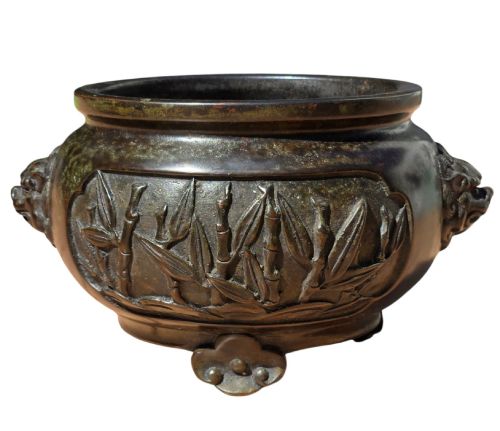
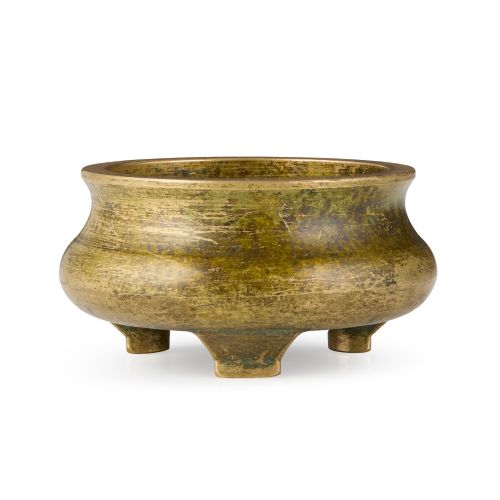
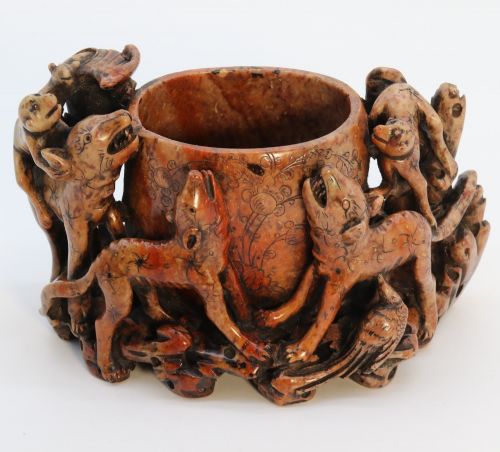
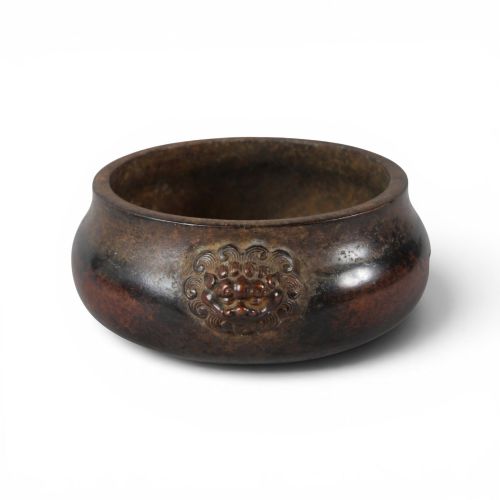
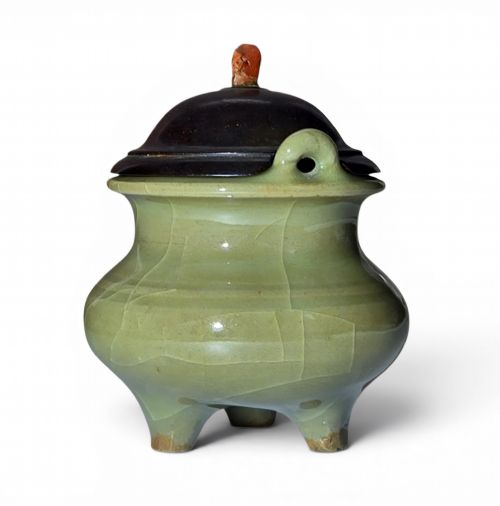
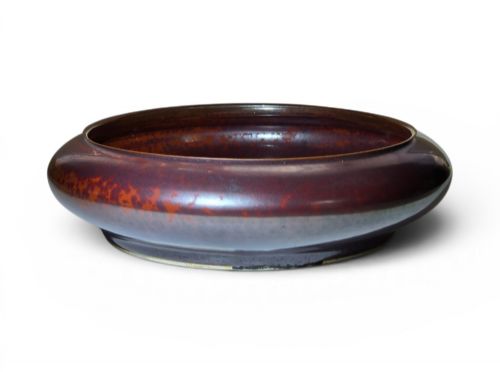
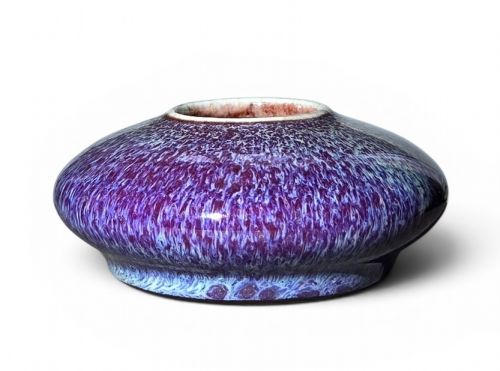
When you explore a Chinese scholar vessel, you find bronze censers, porcelain brush pots, and jade washers created for elite desks over several dynasties.
Chinese Scholar Vessel
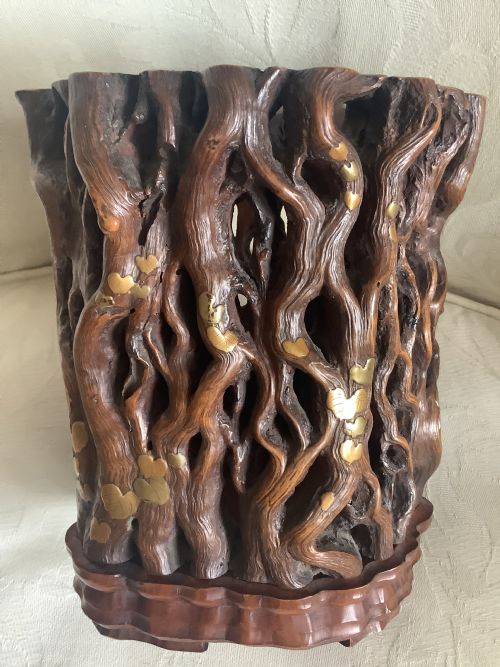
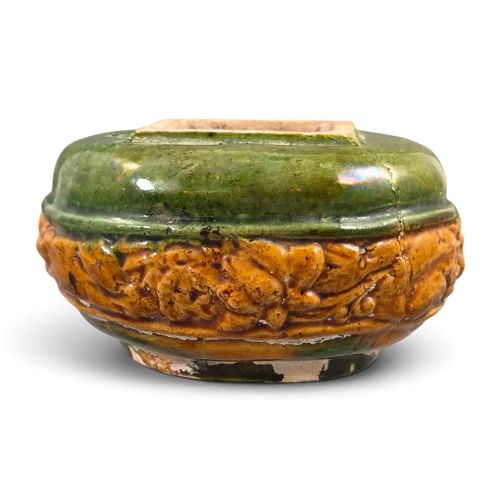
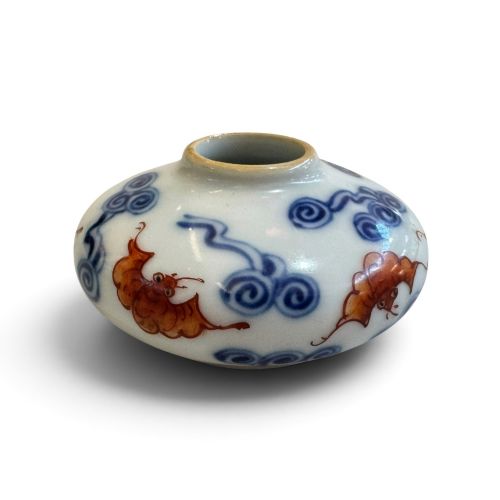
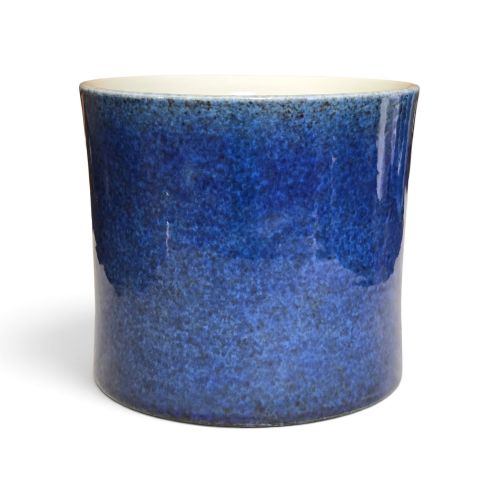
A Chinese scholar vessel comprises utilitarian items fashioned for the desks of traditional literati, including brush pots, water washers, and incense censers. These objects formed the essential equipment of the scholar's studio, where men of letters practiced calligraphy, painting, and quiet contemplation.
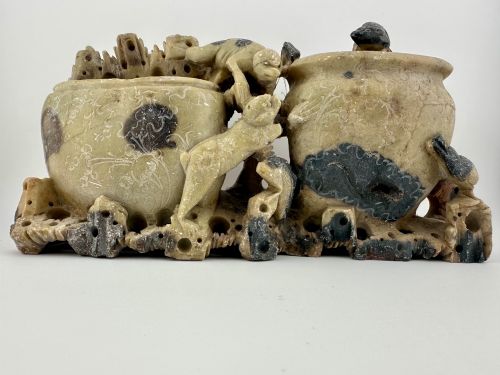
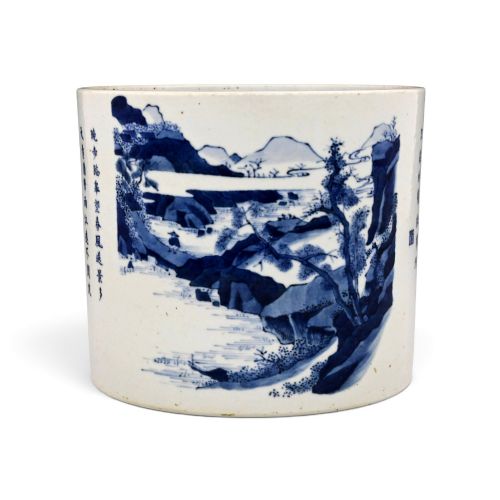
The selections available here span from the 16th-century Ming dynasty through the Qing dynasty and into the early 20th century. Forms range from heavy archaistic bronzes and blue-and-white porcelain bitong to carved bamboo, soapstone, and jade containers.
Most pieces date to the 17th, 18th, and 19th centuries, reflecting periods of refined craftsmanship in imperial workshops and regional kilns. Buyers encounter functional desk accessories designed to hold writing instruments, cleanse brushes, or burn incense during intellectual pursuits.
How They Were Made
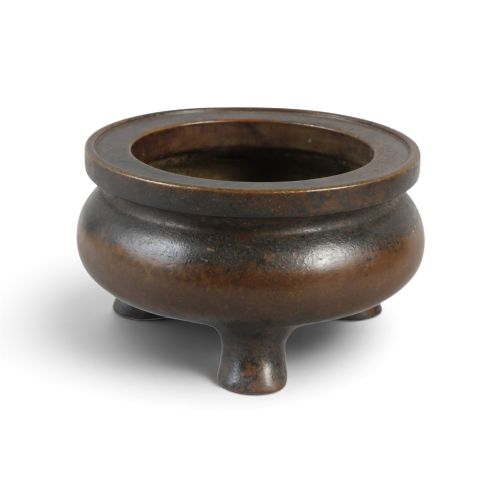
Metal vessels rely on lost-wax or sectional bronze casting, often utilising heavy copper alloys finished with gilt-splashing, patination, or detailed relief panels. Artisans also worked hardstones such as jade and soapstone through sawing, abrasive grinding, and meticulous hand-carving.
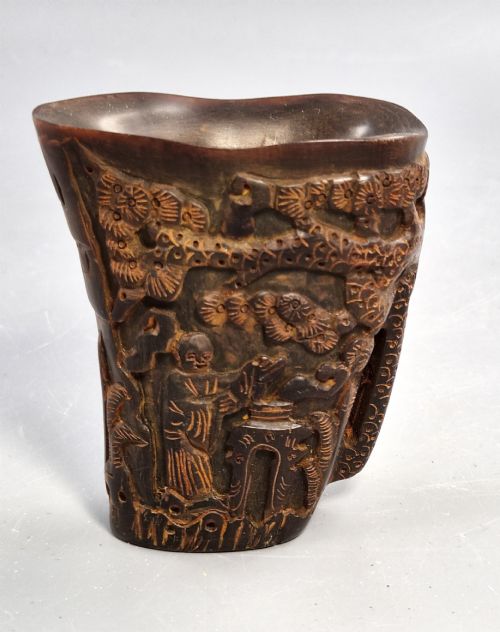
Ceramic pieces involve high-firing porcelain and stoneware clays shaped on the wheel or in moulds, then decorated with cobalt blue, powdered glazes, or famille verte enamels. Organic materials like bamboo, zitan wood, and buffalo horn depend on precision carving to render complex figural scenes and natural motifs.
Listings feature items spanning from the pre-16th century Tang and Liao dynasties through the Ming and Qing periods up to the early 20th century.
What Varies in Quality
The standard of a scholar piece rests on the harmony between material selection and the precision of the carving or casting. Superior examples display crisp relief work, balanced proportions, and deep patination earned through age and handling.
The Chinese Scholar Vessel Glossary
- Bitong
- A cylindrical brush pot used on a scholar's desk to hold writing brushes upright. These containers appear in porcelain, bamboo, wood, and ceramic.
- Censer
- A vessel designed for burning incense during meditation or study. Examples in this category often feature tripod legs and archaistic handles.
- Archaistic
- A decorative style that deliberately emulates the forms, motifs, and patination of ancient bronze ritual vessels from the Shang and Zhou dynasties. Scholars favored this aesthetic to connect their studies to antiquity.
- Zitan
- A dense, heavy tropical hardwood prized by Chinese craftsmen for its dark purple-black tone and smooth finish. It frequently appears in stands and miniature desk covers.
- Blanc de Chine
- A white porcelain produced at Dehua in Fujian province, known for its creamy glaze and subtle translucency. Pieces from this tradition often depict religious figures or take the form of libation cups and censers.
Chinese Scholar Vessel: Frequently Asked Questions
How were these vessels used?
Scholars utilised these vessels daily in their studios for practical tasks associated with calligraphy and painting. Brush pots held writing instruments, water vessels cleaned brushes, and censers burned aromatic woods during meditation.
Beyond utility, these objects served as symbols of refined taste and intellectual pursuits within elite society.
How do I tell Ming and Qing dynasty pieces apart?
Ming pieces often feature heavier bronze casting, robust forms, and motifs like the Three Friends of Winter. Qing examples frequently display finer detail, varied glaze effects like iron rust or flambé, and references to earlier periods.
Stylistic markers and material treatments help differentiate the centuries of production.
How do I live with antique scholar objects?
You can display these vessels on desks, shelves, or dedicated display tables where their tactile qualities and patination can be appreciated up close. Placing them away from direct sunlight and extreme humidity preserves organic materials like bamboo and wood.
Handling bronze and jade items allows you to experience the texture and weight intended by the original makers.