
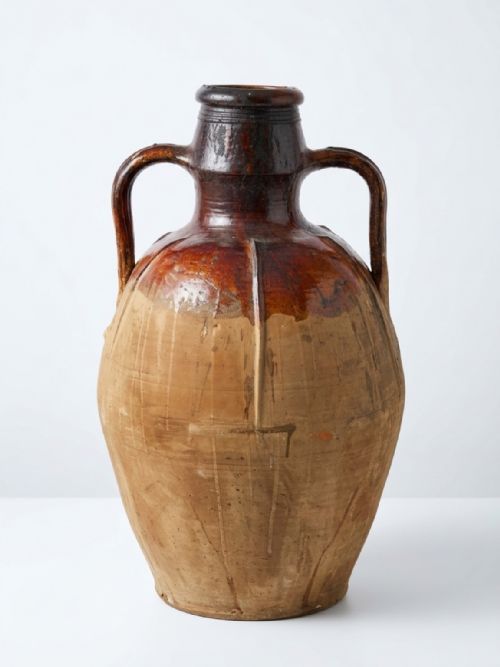
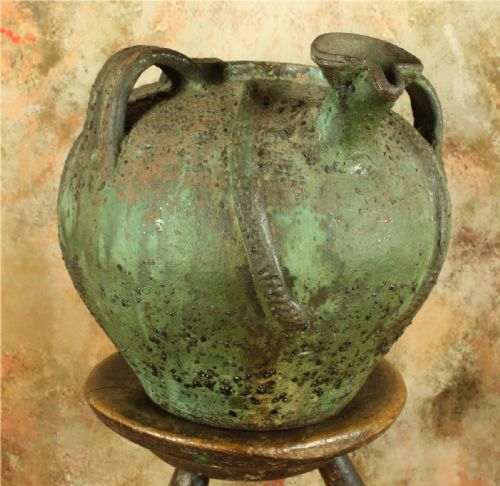
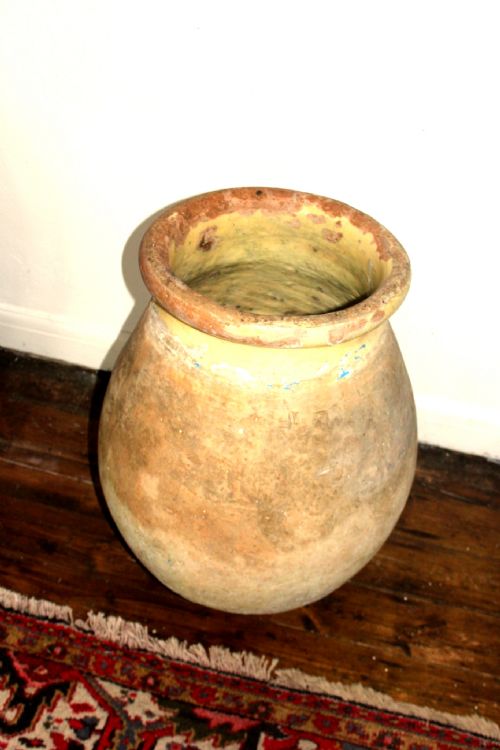


Terracotta Olive Jar
These terracotta olive jars bring rustic warmth to interiors and gardens alike, offering a tactile piece of Mediterranean history for your home.

What these terracotta olive jars are
A terracotta olive jar is a sturdy utilitarian vessel designed for agricultural storage in the Mediterranean and beyond. When you search for this phrase, you encounter robust vessels that once held oil, wine or olives, spanning periods from the eighteenth century to nineteen hundred.
The selections available here range from substantial nineteenth-century Italian and Portuguese examples to antique French walnut oil pots and three-handled olive jugs. These forms frequently function as garden planters, garden urns and decorative vessels, bringing country provincial character to outdoor spaces.
Many of these pieces display regional variations, such as wrought iron stands or partial green glazes over porous clay and earthenware. You are most likely to meet large single jars or matched sets that reflect rustic Mediterranean, French country and nineteenth-century country Italian aesthetics.
How they were made
Potters shaped these vessels from local clay and earthenware, forming thick walls capable of enduring heavy agricultural use and fluctuating temperatures. The natural porous nature of the material allowed contents to stay cool before modern refrigeration.
Certain examples feature applied glazes, such as green glaze accents or partial glazed ceramic surfaces, adding a layer of protection and visual depth. Some vessels incorporate structural elements like wrought iron mounts, enhancing their utility and display.
Retail Price Guide 2026
Typical UK retail prices for terracotta olive jar, calculated from the Sellingantiques database of over a million retail prices indexed since 2003. This retail price guide relies exclusively on Sellingantiques data; no external sources or auction records are used, so the figures do not describe the wider market.
The archive shows a distinct preference for French and Italian provincial aesthetics, encompassing multi-handled olive jugs and part glazed jars.
What varies in quality
Quality rests in the balance of form, proportion and the authentic weathering of the clay over centuries of exposure. Superior pieces display harmonious proportions and original surface patination that reflect their agricultural origins.
The presence of secondary materials like wrought iron stands or intact regional glazes elevates certain examples above simpler utility wares. A well-preserved potting technique distinguishes monumental decorative jars from ordinary garden pots.
The Terracotta Olive Jar Glossary
- Terracotta
- A porous, unglazed or glazed fired red-clay earthenware used extensively for utilitarian storage vessels and garden planters. This material develops a rich, chalky patina over time.
- Earthenware
- A basic ceramic pottery fired at lower temperatures than stoneware or porcelain, remaining slightly porous. It forms the core substance of traditional Mediterranean olive jars.
- Glaze
- A glassy coating fused to pottery through firing, sometimes seen in part green on these jars to resist liquid absorption. It provides decorative contrast against the raw clay body.
- Wrought iron
- A tough, malleable form of iron worked by hand with a hammer, frequently utilised for stands and mounts. It adds industrial strength and decorative lift to heavy vessels.
Frequently Asked Questions
How were terracotta olive jars originally used?
These vessels served as essential agricultural storage containers for olive oil, wine and provisions across the Mediterranean countryside. Their thick clay walls helped maintain a stable internal temperature for perishable goods.
Over decades of heavy farm use, many pots acquired surface wear and patination that now marks their historical authenticity.
Can these antique jars stay outdoors in winter?
Porous earthenware and terracotta absorb moisture, which can freeze and expand in cold climates, potentially cracking the vessel. Many owners protect valuable antique pots by moving them indoors or under shelter during freezing weather.
Drainage and placement away from standing ground water also help preserve the integrity of the antique clay.
How do I identify an eighteenth-century olive jar?
Eighteenth-century examples often exhibit hand-thrown irregularities, thicker rims and distinct regional forming techniques particular to French or Italian workshops. The handling of the clay and the specific configuration of handles provide clues to their age.
Archival pieces show that multi-handled formats and partial green glazes frequently appear on these earlier functional vessels.