


Glazed Terracotta Jar
These glazed terracotta jar pieces combine earthy clay bodies with lustrous surface coats, offering tactile history and rustic presence for interior styling.
Glazed Terracotta Jar
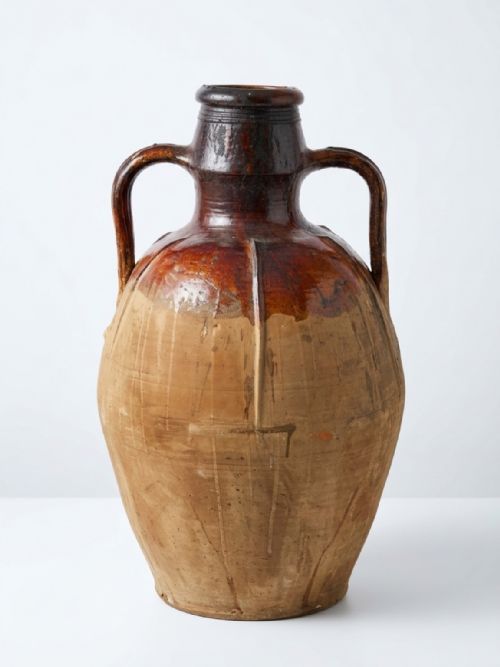
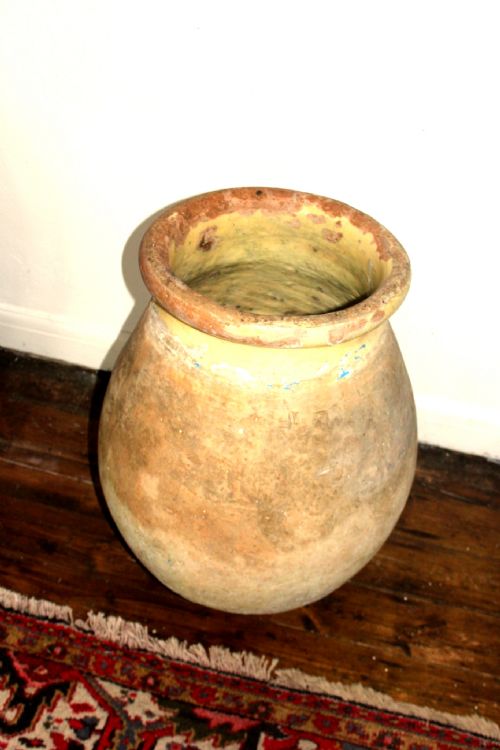
When searching for a glazed terracotta jar, buyers encounter utilitarian vessels originating primarily from French, Italian, and Mediterranean rural traditions. These pieces range from large oil and olive storage vessels to confit pots and amphorae designed for practical agricultural or domestic use.
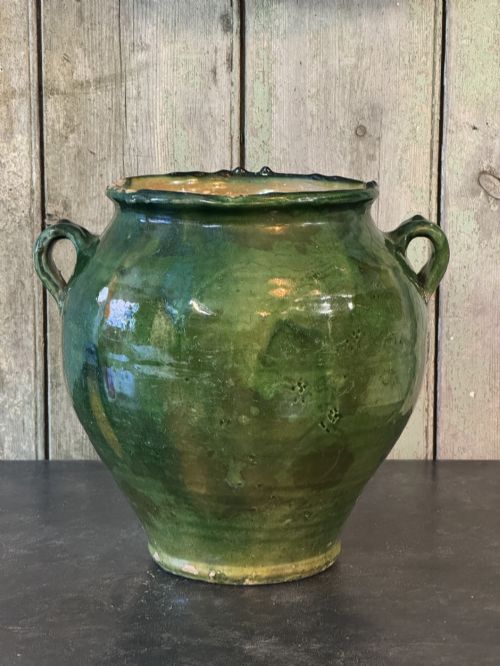
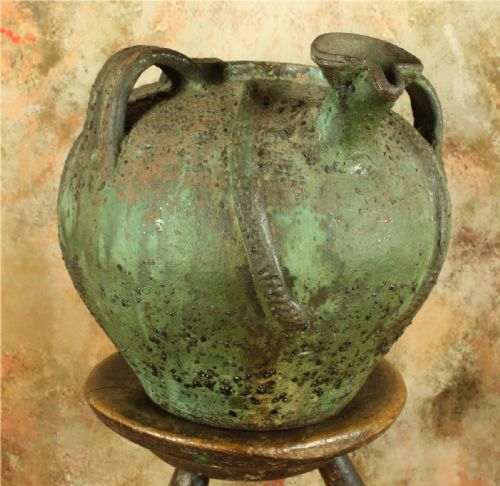
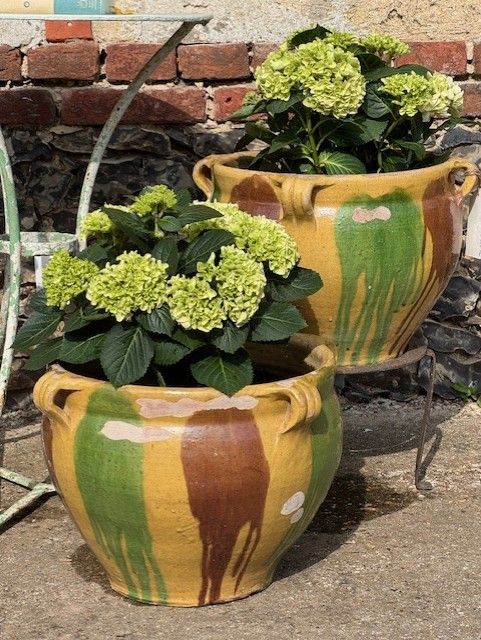
The most common examples on this page are nineteenth-century French confit pots and Italian terracotta wine jars. These forms frequently feature green or amber glazes applied to porous earthenware bodies, reflecting regional provincial workshops.
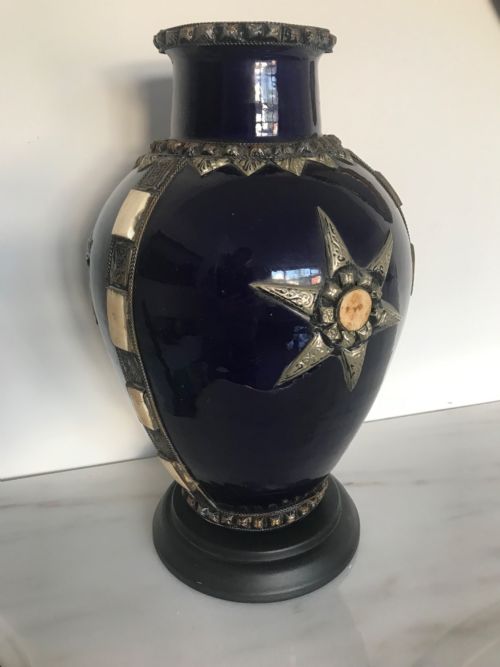
Earlier eighteenth-century items and distinctive provincial variants like Moroccan vessels with silver metal mounts also appear. Each object brings a sense of historic utility and regional craftsmanship into modern domestic spaces.
Assessing quality in provincial ceramics
Quality rests in the harmony between the thrown clay form and the character of the glaze layer. Superior examples display balanced proportions and intentional glaze pooling that accentuates the vessel profile rather than obscuring it.
The integrity of the earthenware body and the presence of authentic regional traits dictate desirability. Pieces retaining original metal mounts, distinct maker signatures, or undisturbed patination from historic use stand apart in any collection.
Listings span periods from the seventeenth century through the mid-twentieth century, featuring earthenware, bone, and silver metal elements.
The Glazed Terracotta Jar Glossary
- Confit pot
- A French earthenware vessel traditionally used for cooking and preserving meats. These pots typically feature glazed interiors and upper portions with unglazed lower bodies.
- Maiolica
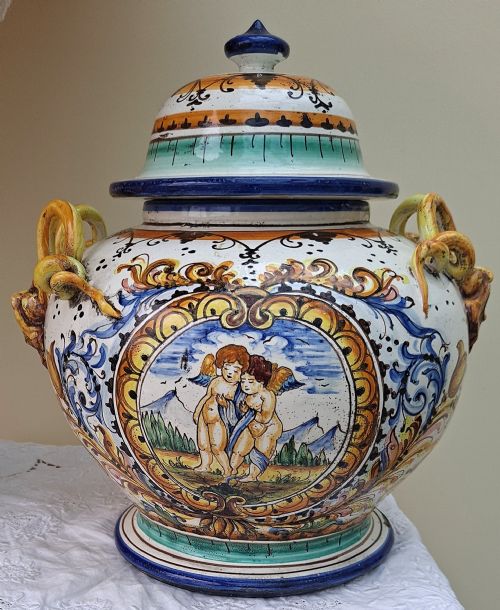
- Tin-glazed Italian earthenware decorated with opaque metallic oxide colours. This technique produces vibrant surfaces often associated with Renaissance revival and decorative nineteenth-century vases.
- Slipware
- Pottery decorated with a thin mixture of clay and water applied before firing. This method creates contrasting linear patterns under a clear glaze layer.
- Terracotta
- Fired unglazed or glazed clay of an brownish-red colour. It forms the structural base for most utilitarian Mediterranean storage vessels.
- Amphora
- A two-handled ancient jar with a narrow neck used for transport and storage. Later revival pieces emulate this classical silhouette in earthenware.
Glazed Terracotta Jar: Frequently Asked Questions
How were confit pots used?
Confit pots served primarily as kitchen storage containers for cooked meats sealed in fat. Their design allowed food to stay preserved in cool larders before modern refrigeration.
Today, these jars function well as decorative flower vases or sculptural objects on kitchen counters and open shelving.
Are these jars waterproof?
Many older earthenware jars are porous and may slowly seep moisture through unglazed clay sections. Placing a small glass container inside prevents water damage on wooden surfaces.
Fully glazed interiors offer better resistance, but checking each individual vessel is recommended before holding fresh liquids.
How do I clean an antique jar?
Gentle dusting with a dry cloth preserves the aged patina and dry surfaces of the terracotta. Avoid harsh chemical detergents that can strip historic glazes.
Warm water and mild soap suffice for cleaning interior spaces where dust or residual oil accumulates over decades of display.
How do I date a provincial jar?
Dating relies on observing tool marks, clay colour, glaze chemistry, and regional stylistic conventions. Nineteenth-century pieces often display characteristic wheel-thrown ridges and rich lead-based green or yellow glazes.
Archive comparisons and handling similar provincial examples help clarify the probable decade or century of production.