


Terracotta Amphora Jar
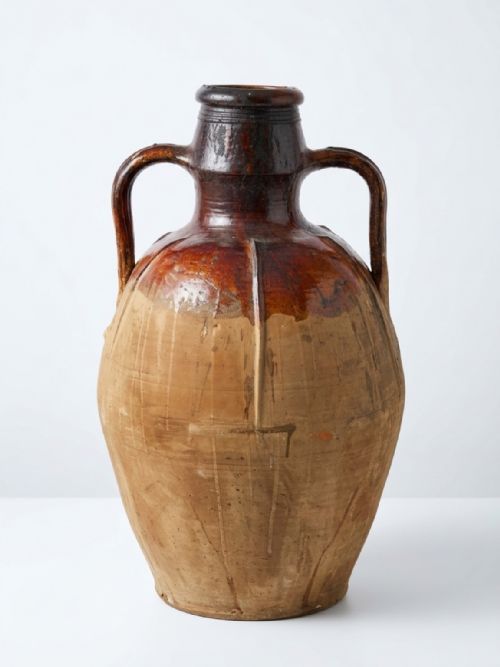
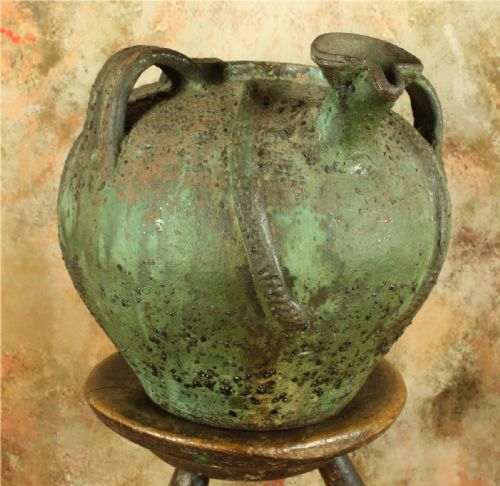
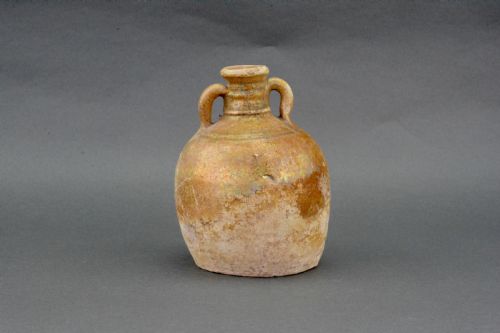
These terracotta amphora jar pieces are sturdy earthenware vessels designed for utility and display, offering rustic warmth to any space.
Terracotta Amphora Jar
The selection on this page leans heavily toward nineteenth-century examples alongside eighteenth-century French and Italian forms. You also find Turkish water pots, Portuguese olive jars, and English studio pottery variations.
Forms range from grand vessels featuring multiple handles designed for storage to smaller flasks and decorative garden urns. Many sit upon wrought iron stands or display weathered lime wash surfaces earned through decades of outdoor exposure.
How they were made
Potters shaped these vessels from local clay and earthenware using traditional throwing and coiling techniques suited to large-scale production. Firing took place in open kilns, resulting in porous bodies that naturally cooled stored liquids through evaporation.
Many surfaces received applications of glaze, ceramic glaze, or lime wash to seal the porous terracotta against moisture and oil seepage. Wrought iron supports were frequently fashioned by local blacksmiths to steady the heavy rounded bases of these large jars.
Materials appearing across these listings include raw terracotta, porous earthenware, applied lime wash, and supportive wrought iron stands.
What varies in quality
Quality rests in the balance of the thrown form and the integrity of the surviving earthenware body. Superior examples maintain symmetry despite their massive scale and show deliberate attention to the turning of rims and handles.
Surface character heavily dictates desirability, distinguishing flat modern reproductions from pieces bearing genuine patination. The gradual accumulation of lime wash, weathering, and historical repairs creates a visual depth that defines a superior antique.
The Terracotta Amphora Jar Glossary
- Amphora
- A two-handled vessel with a narrow neck traditionally used for storing oil or wine. These practical containers evolved into decorative garden and interior ornaments.
- Terracotta
- Fired unglazed or glazed clay possessing a characteristic brownish-red colour. This durable material forms the structural body of nearly all the listings here.
- Patination
- The surface alteration and mellowing acquired by materials over long periods of exposure and handling. Good patination reveals the true age and history of an earthenware vessel.
- Lime wash
- A traditional white coating applied to exterior surfaces of storage jars for protection and reflection of heat. Traces of this finish often survive in the recessed areas of older pots.
- Earthenware
- Porous pottery fired at relatively low temperatures without vitrifying. This foundational medium requires careful handling to prevent moisture damage in freezing conditions.
Terracotta Amphora Jar: Frequently Asked Questions
How were amphora jars originally used?
These large vessels served as functional agricultural containers for storing and transporting valuable commodities such as olive oil, wine, and water across Mediterranean trade routes.
Their heavy earthenware walls helped regulate interior temperatures to keep contents cool, while rounded bases allowed them to be partly buried in soil or stabilized in fitted frames.
How do I identify a nineteenth-century jar?
Nineteenth-century examples typically display hand-thrown potting marks, irregular clay thickness, and tool signatures left by traditional makers working in regional European workshops.
They frequently exhibit authentic surface wear, lime wash residues, and patination that modern industrial manufacturing processes simply cannot replicate.
Why do some jars have multiple handles?
Multiple handles provided practical grip points for hoisting heavy, oil-filled vessels onto carts or tilting them safely during pouring.
Three-handle configurations, particularly common on olive jugs, distributed the immense weight evenly when teams of workers needed to maneuver the loaded jars.