




Antique Italian Pottery
These pieces of antique italian pottery bring centuries of Mediterranean colour and form into a room.

What these pieces are
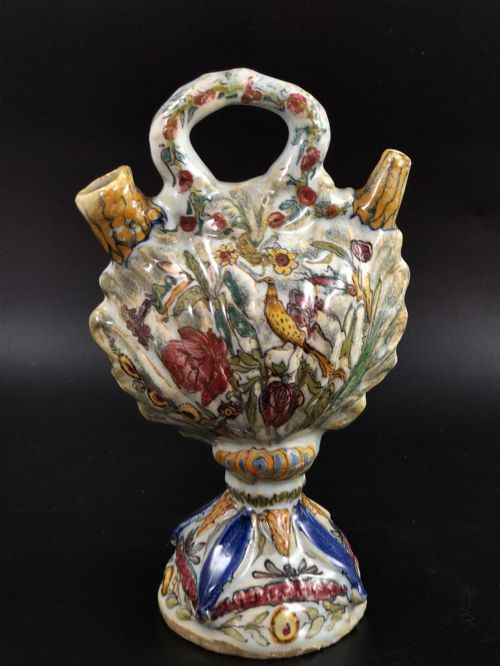
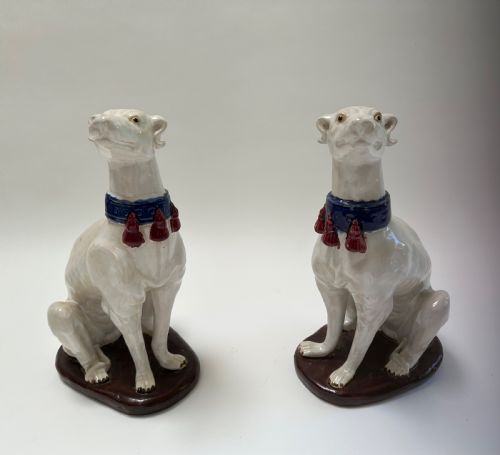
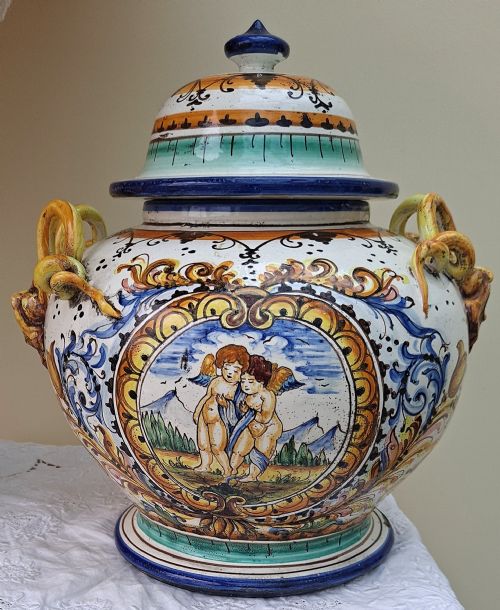
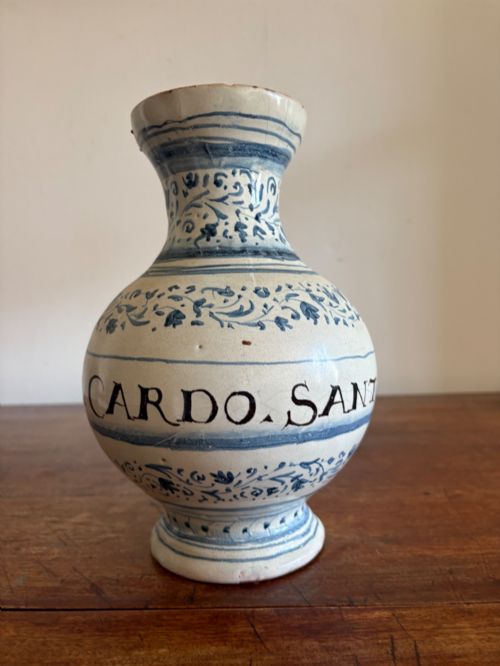
When you search for antique italian pottery, you are looking at centuries of Mediterranean craft expressed through utilitarian vessels and decorative objects. The selections span from seventeenth-century pharmacy jars to nineteenth-century revival vases and twentieth-century planters.
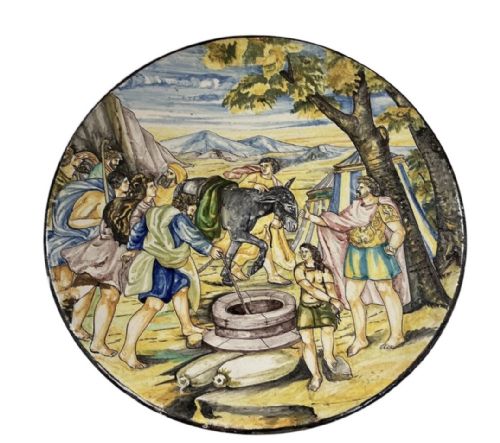
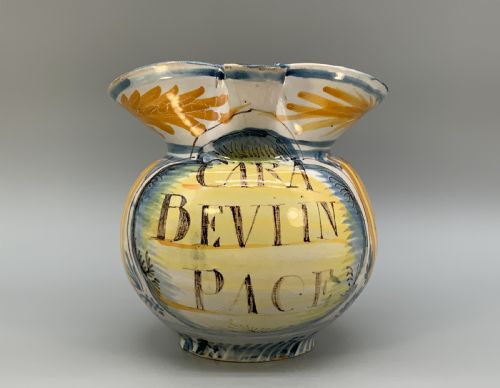
You will most frequently encounter tin-glazed earthenware and majolica pieces, including albarello drug jars, centrepiece bowls, and large wall chargers. These items reflect traditional Italian forms intended for apothecary use, display, or grand interior decoration.
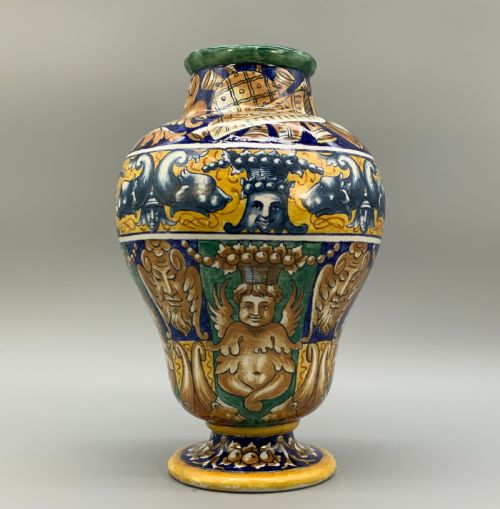
The objects originate across various periods, notably the seventeenth, eighteenth, and nineteenth centuries, alongside specific revival movements like the Italian Renaissance Revival. Each piece carries the distinct regional styles of production centres such as Savona, Florence, and Nove.
How they were made
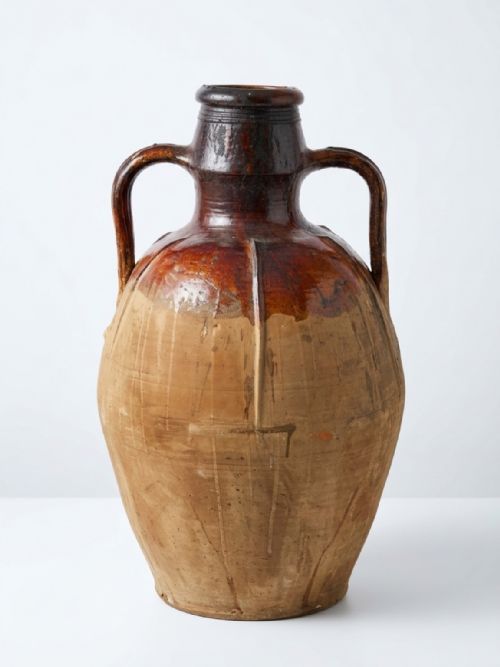
The makers formed these objects from terracotta and earthenware bodies, shaping them on the wheel or moulding them into specific vessel forms like lidded vases and wet drug jars. These foundational clay bodies provided the necessary structure for subsequent glazing techniques.
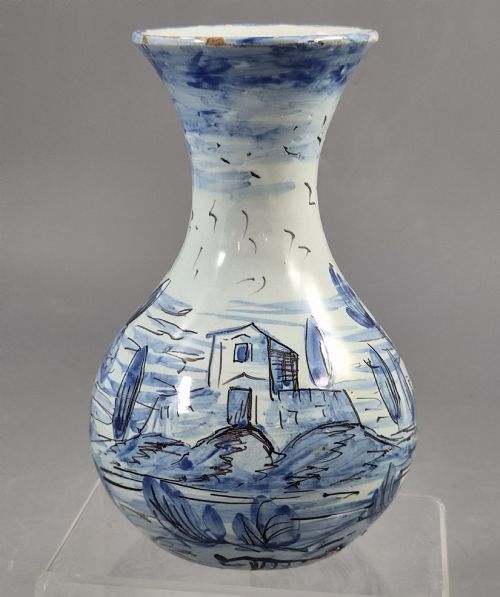
Artisans applied tin glaze over the ceramic surface to create an opaque white background suited for detailed painting. Pigments in blue and white, as well as metallic lustre finishes, were painted directly onto the unfired glaze before the final kiln firing.
Retail Price Guide 2026
Typical UK retail prices for italian pottery, calculated from the Sellingantiques database of over a million retail prices indexed since 2003. This retail price guide relies exclusively on Sellingantiques data; no external sources or auction records are used, so the figures do not describe the wider market.
Listings include tin-glazed earthenware and terracotta objects spanning from the seventeenth century through to 1930.
What varies in quality
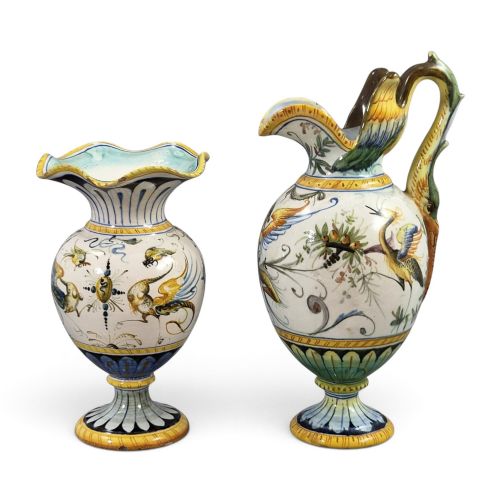
The sophistication of the painted decoration separates standard wares from superior examples, particularly in the precision of brushwork on blue and white majolica. Stronger pieces display confident handling of Renaissance revival motifs and detailed floral or figurative panels.
Form and proportion dictate the standing of a vessel, where crisp throwing lines and well-balanced profiles elevate apothecary jars and cabinet vases. The richness of the tin glaze and the depth of the pigment application further distinguish finer works from simpler country pieces.
Cantagalli
The Antique Italian Pottery Glossary
- Majolica
- Opaque tin-glazed earthenware decorated with coloured pigments, widely produced in Italy from the Renaissance onwards. This technique allowed for vibrant pictorial scenes and intricate ornamentation.
- Albarello
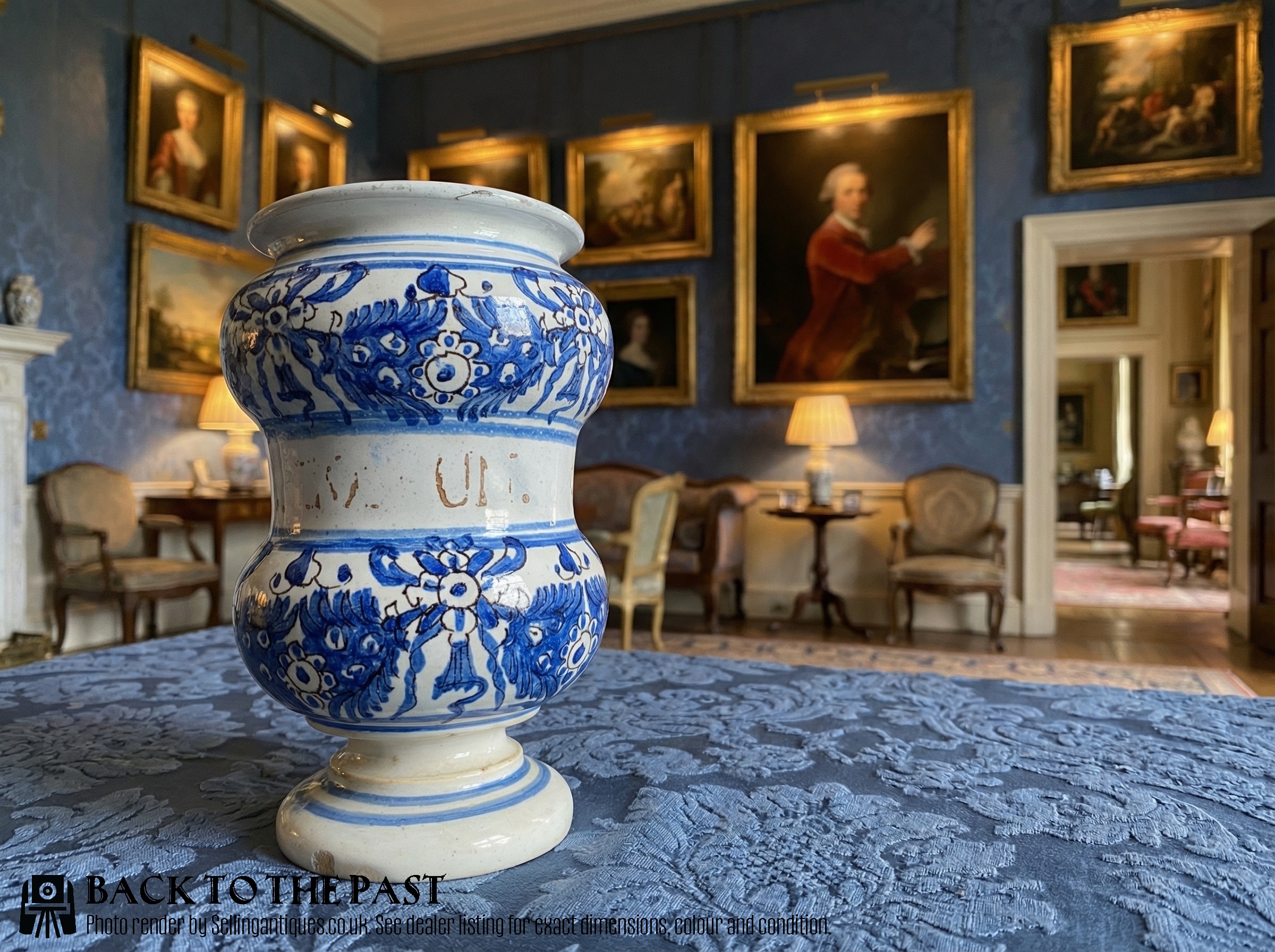
- A vertical cylindrical pottery jar used by apothecaries to store dry drugs and herbal remedies. Its hourglass shape allowed pharmacists to grip the jar easily and stack them efficiently on shelves.
- Faience
- European tin-glazed earthenware corresponding to the Italian majolica tradition. The term is frequently applied to similar glazed ceramic wares produced across different regions.
- Lustre ware
- Pottery featuring a metallic overglaze that creates an iridescent sheen. This effect results from the application of copper or silver oxides reduced in a special kiln atmosphere.
- Wall charger
- A large decorative ceramic plate intended for display on a wall rather than use at the dining table. These pieces often feature elaborate painted scenes or heraldic designs across a broad surface.
Frequently Asked Questions
What is an albarello jar?
An albarello is a cylindrical earthenware jar designed to hold apothecary drugs and medicines. Pharmacists kept rows of these vessels on pharmacy shelves.
Their distinctive waist shape allowed staff to lift individual jars easily from tight spaces. Many feature painted labels naming the contents.
How do you display large chargers?
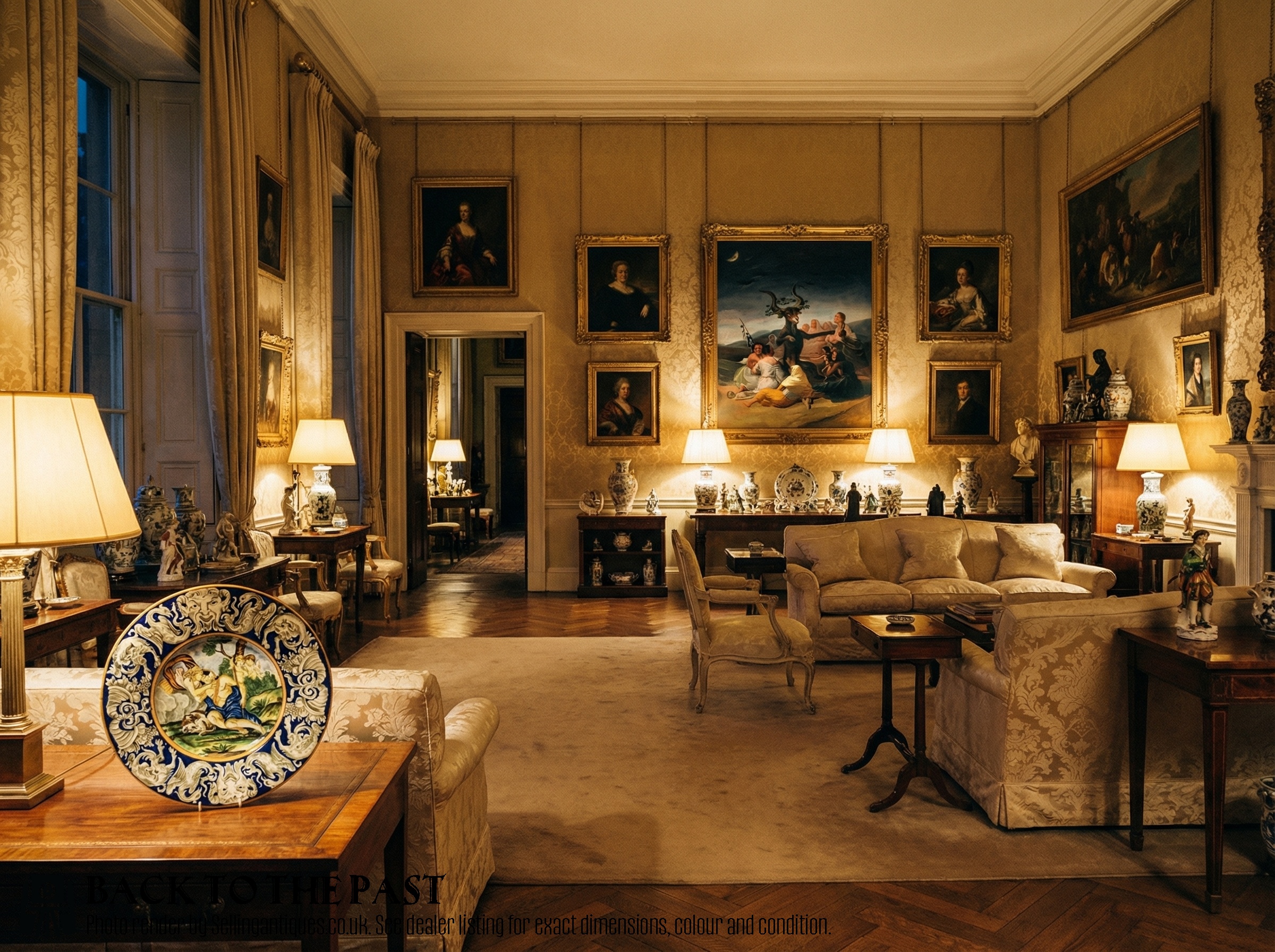
Large wall chargers were traditionally hung in grand interiors to showcase the painter's skill and the owner's taste. They provide strong visual focal points on walls.
Secure wire hangers designed for heavy ceramics ensure safe mounting without damaging the rim. Position them at eye level to appreciate the painted details.
What is tin-glazed earthenware?
Tin-glazed earthenware is pottery covered in a glaze containing tin oxide, which fires to an opaque white surface. This technique originated in the Middle East and spread through Italy.
The white background provided a canvas for painters to apply coloured oxides before a second firing. It defines much of traditional Italian majolica.
How do periods differ?
Seventeenth and eighteenth-century pieces often reflect functional apothecary use and traditional regional palettes. They show the hand-painted character of working workshops.
Nineteenth-century items frequently embrace revival styles, drawing inspiration from earlier Renaissance aesthetics. These later works often demonstrate precise decorative ambition.