

Antique Pharmacy Jar
An antique pharmacy jar holds centuries of medicine in glass, ceramic, and tin-glazed earthenware, offering a direct link to historic apothecary practices.
Antique Pharmacy Jar
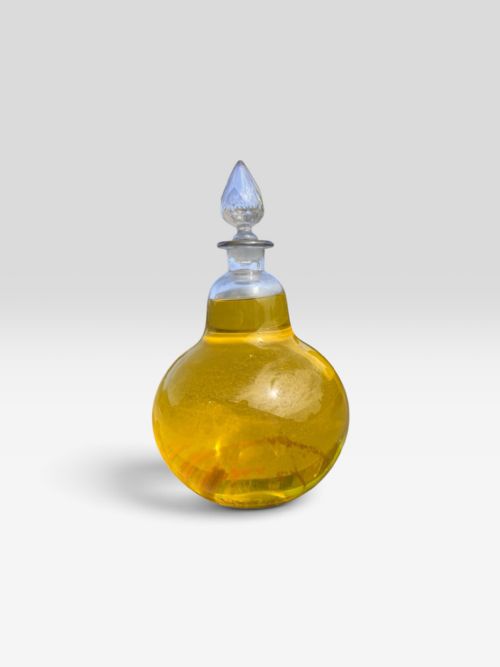
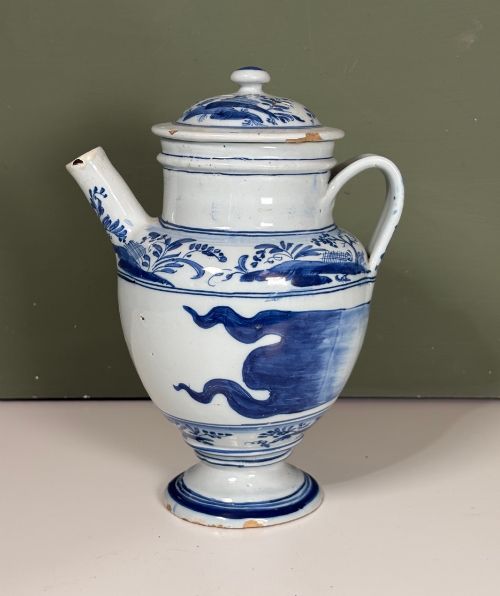
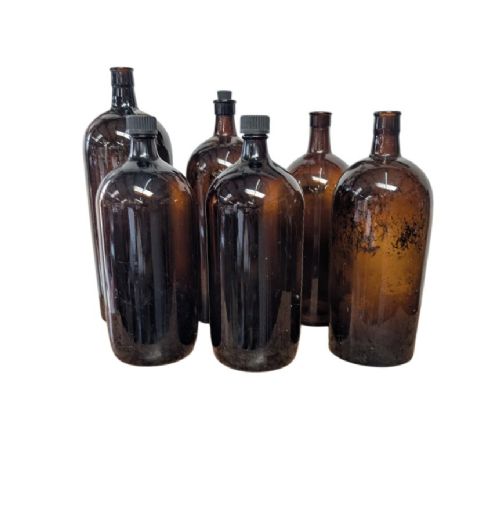
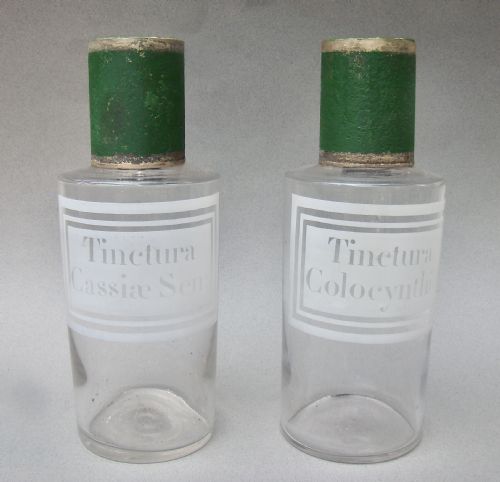
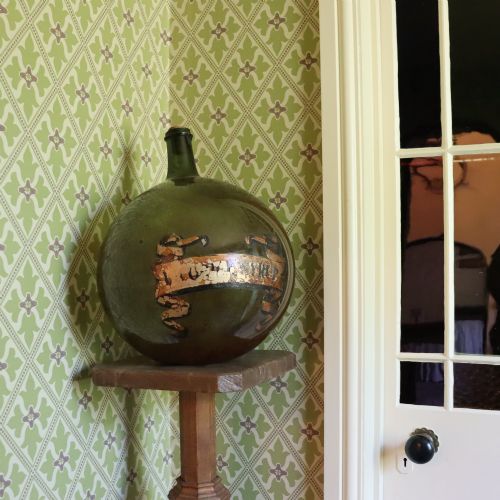
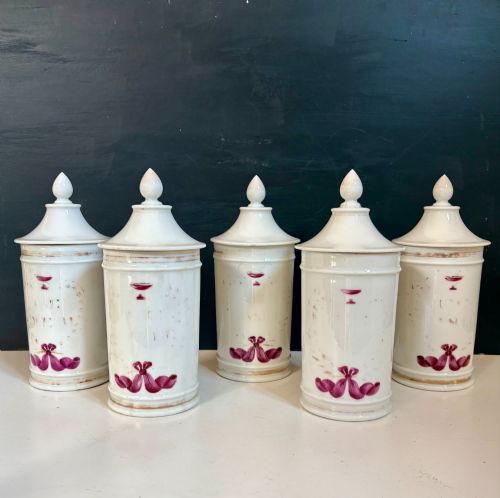
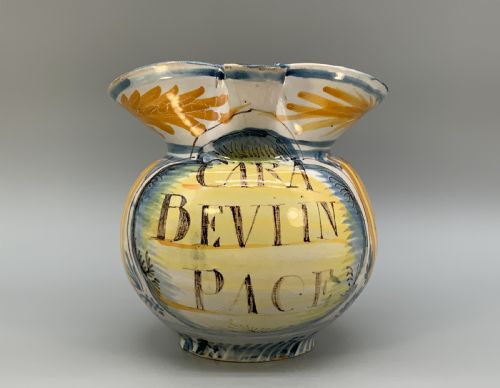
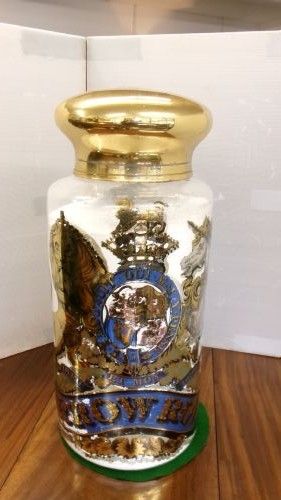
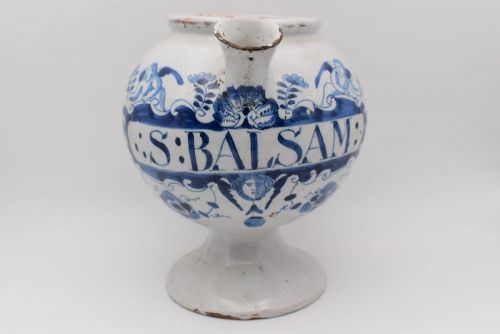
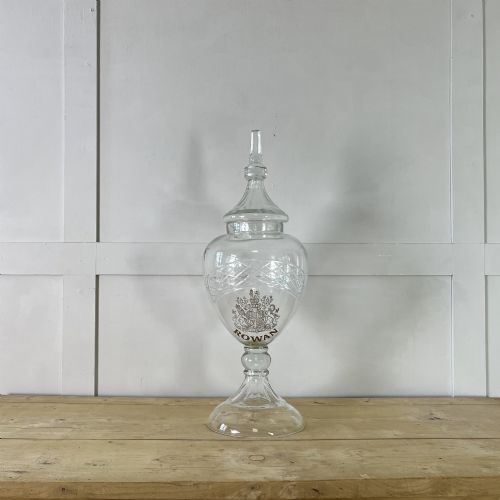
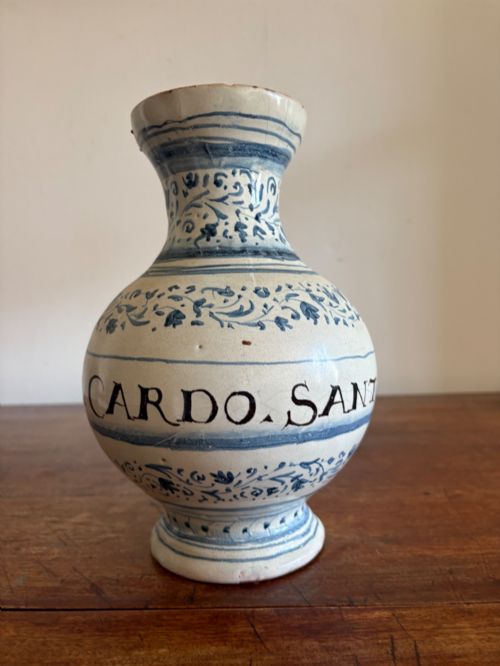
An antique pharmacy jar appears in several distinct forms across this selection, including cylindrical albarelli, handled wet drug jugs, large display carboys, and heavy glass bottles fitted with stoppers. These vessels originate from English, French, Italian, and Scandinavian workshops spanning multiple centuries.
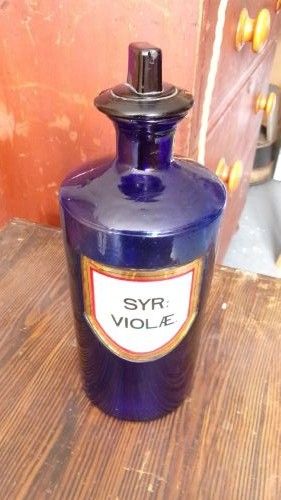
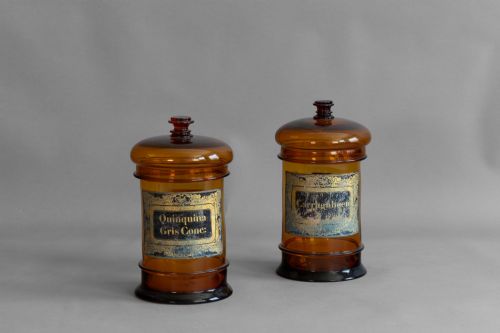
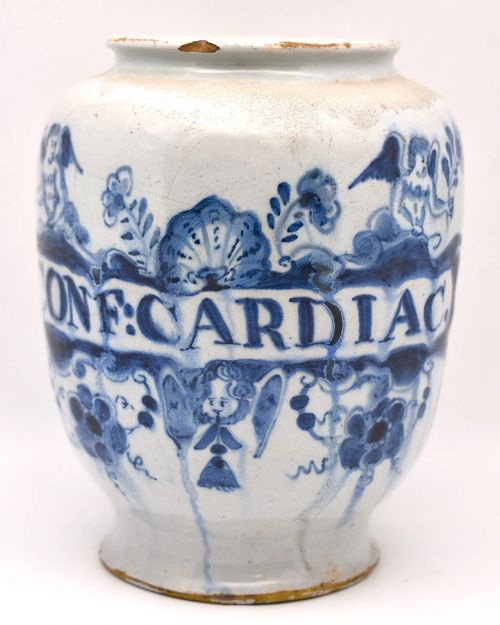
The ceramic examples frequently display painted drug inscriptions, blue and white decoration, or polychrome glazes such as manganese and yellow. Glass versions range from amber and Bristol blue containers to hand-blown carboys designed to signal an apothecary's premises from the street.
Buyers meet both individual pieces and matched sets, varying from small tincture bottles to large display vessels. The eras represented stretch from the seventeenth century through the Georgian and Victorian periods into the nineteen-thirties.
Materials and Technique
Potters shaped earthenware and tin-glazed ceramics by hand on the wheel, applying opaque white tin glazes to form a smooth surface for pigments. Artisans then painted inscriptions and decorative motifs in blue, manganese, or polychrome before firing the piece.
Glass vessels take shape through hand-blowing techniques, which produce characteristic bubbles, pontil marks, and slight irregularities in thickness and colour. Some glass pieces incorporate etched details or applied paper labels, while others utilise brass or wood components.
Antique Pharmacy Jar Retail Price Guide 2026
Typical asking prices for pharmacy jar among the pieces listed under this phrase on Sellingantiques today, from the lower quarter to the upper quarter. They describe what is for sale here now, not the wider market.
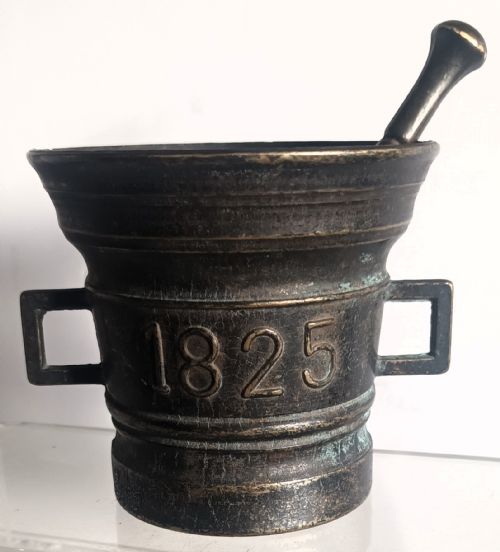
Object types recorded across these selections include cylindrical albarelli, handled wet drug jugs, mortar and pestle sets, and large display carboys.
Craftsmanship and Survival
The standard of an antique pharmacy jar depends upon the crispness of the hand-painted decoration, the complexity of the polychrome palette, and the balance of the vessel's proportions. Early tin-glazed examples with detailed botanical motifs or cherub and shell designs represent a higher order of ceramic artistry than plain utility containers.
Survival of original surface details, such as legible apothecary inscriptions, matching stoppers, and intact tin glazes without extensive restoration, determines the integrity of the piece. Glass items show quality through depth of colour, such as rich Bristol blue or amber tones, and undisturbed hand-blown characteristics.
Samuel Alcock and Co
The Antique Pharmacy Jar Glossary
- Albarello
- A cylindrical earthenware jar used by apothecaries to store ointments, dry drugs, and herbal remedies. This distinctive shape originates from Middle Eastern pharmacy vessels and was adopted widely across European potteries.
- Carboy
- A large glass vessel used in dispensaries and shop windows to hold liquids or chemical solutions. These substantial containers often feature heavy blown glass and prominent stoppers.
- Tin-Glaze
- A ceramic glaze made opaque by the addition of tin oxide, providing a white background for painted decoration. It defines the surface appearance of majolica, delftware, and faience pieces.
- Wet Drug Jar
- A specialised pharmacy vessel designed to hold syrups and liquid medicines rather than dry powders. These containers frequently include a pouring spout or a handle alongside the painted label.
- Pontil Mark
- A rough scar on the base of hand-blown glass where the pontil rod was detached after shaping. This physical trace indicates traditional glassblowing methods.
Antique Pharmacy Jar: Frequently Asked Questions
What did pharmacies store inside these jars?
Apothecaries used these vessels to hold dried herbs, powdered medicines, sticky resins, and liquid syrups essential for medical treatments. Each jar kept its contents dry, secure, and easily identifiable through painted labels.
Larger glass bottles and carboys held bulk liquids and tinctures behind the counter or served as prominent window displays to advertise the apothecary trade to the street.
How do I identify a wet drug jar?
Wet drug jars feature specific structural elements designed for pouring liquid medicines and syrups. They frequently incorporate a handle, a small pouring spout, or a wide neck suited for viscous contents.
In contrast, dry drug containers like albarelli have straight sides and wide mouths intended for powders, roots, and solid ointments that required a spatula for retrieval.
Are these glass and ceramic jars fragile?
Hand-blown glass and historic earthenware require careful handling due to their age and material composition. Tin-glazed ceramics can develop chips along the rims and base if bumped against hard surfaces.
Displaying these pieces away from high-traffic edges and sudden temperature changes protects the fragile glass bodies and historic painted surfaces from accidental damage.
How can I tell the age of a pharmacy jar?
Dating relies on examining the material, manufacturing technique, and stylistic markers such as lettering styles and glaze composition. Seventeenth and eighteenth-century pieces often display tin-glazed earthenware bodies with hand-painted blue and white or polychrome drug labels.
Nineteenth and twentieth-century examples shift towards moulded glass bottles, rich coloured glass like Bristol blue and amber, and industrial ceramic forms with distinct maker marks or paper labels.