


Vintage Medical Jar
These vintage medical jar examples bring utilitarian pharmacy history into modern interiors through heavy glass and earthenware forms.
Vintage Medical Jar
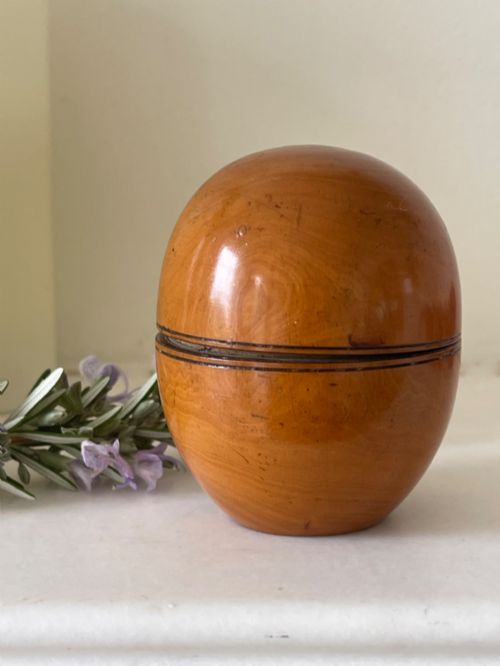
When searching for a vintage medical jar, buyers encounter utilitarian containers originally utilised in pharmacies and dispensaries. The selections on this page span the 18th century, Victorian era, 1900, and 1930 periods.
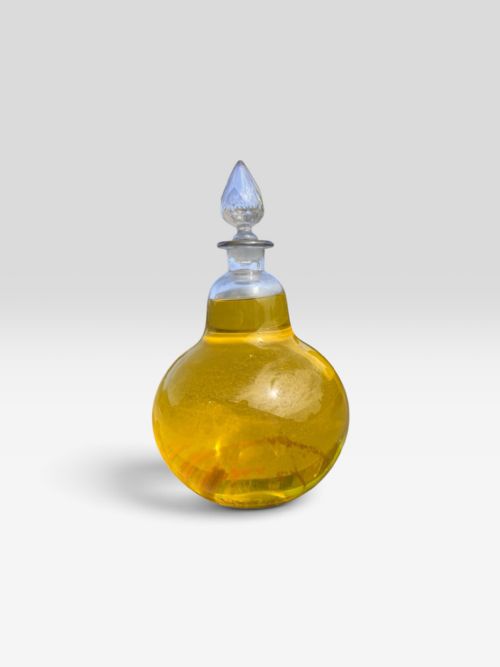
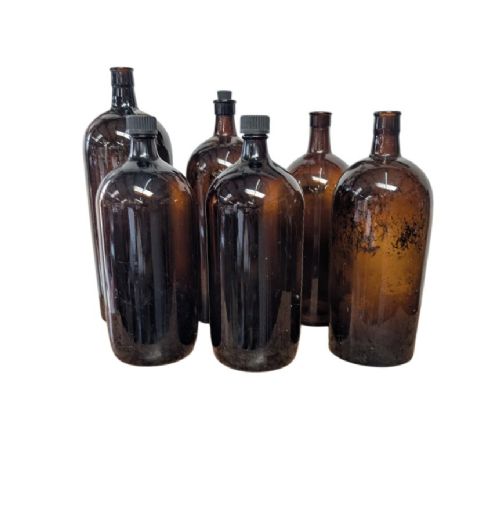
Forms vary from large apothecary carboys and chemist bottles to Italian majolica albarello wet drug jars. Glassware dominates the current offerings alongside earthenware bodies.
French 19th century and Victorian apothecary styles sit alongside Italian Baroque influences. Buyers most frequently meet glass pharmacy bottles and jars featuring hand blown techniques or etched surfaces.
How they were made
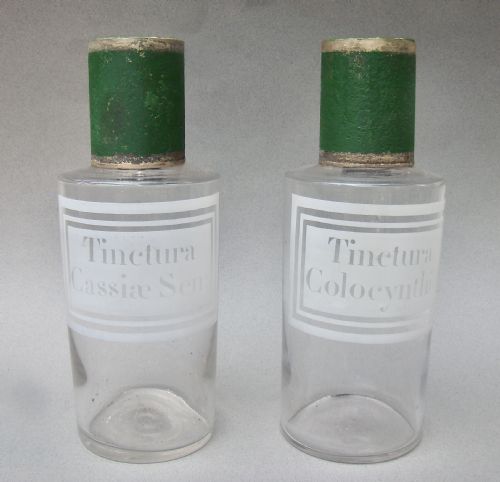
Glass pieces utilise hand blown techniques, resulting in heavy walls and characteristic surface bubbles suited to chemical storage. Amber glass and green glass formulations protect contents from light, while gold leaf and paint finish applied labels.
Earthenware examples such as Italian majolica albarello vessels employ faience construction methods with tin glazes. Paper labels frequently accompany the glass bottles to denote specific medical contents.
Periods represented in the inventory range from 18th century pieces through Victorian and Edwardian examples to 1930.
What varies in quality
The sophistication of the glassblowing technique separates standard utility containers from finer display pieces. Early hand blown examples show wonderful optical distortion and thickness variations absent in later mass production.
Painted decoration and gold leaf application on labels demonstrate the skill of the original workshop. Majolica faience pieces rely on the precision of the blue and white glaze work and the purity of the earthenware body.
The Vintage Medical Jar Glossary
- Carboy
- A large glass bottle with a narrow neck, typically used for holding corrosive liquids or large volumes of distilled water in a dispensary. These impressive vessels often stood in shop windows to signal the apothecary's trade.
- Albarello
- A type of majolica earthenware jar used by apothecaries and pharmacists to store ointments, dry drugs, and confectionary. Its cylindrical shape with a concave waist allowed handlers to grip the jar securely with messy fingers.
- Faience
- Tin-glazed earthenware produced in Europe, particularly popular in Italy and France for drug jars. The opaque white glaze provided a smooth surface for painting blue and polychrome designs.
- Pharmacy bottle
- A smaller glass vessel designed to hold liquid medicines, tinctures, or chemical compounds on dispensary shelves. They often feature ground glass stoppers to maintain an airtight seal.
- Pharmakon
- A Greek term encompassing medicine, drug, and poison, reflecting the dual nature of the substances stored in these historic jars. Apothecaries relied on precise labelling to distinguish remedies from hazards.
Vintage Medical Jar: Frequently Asked Questions
What were vintage medical jars used for?
These vessels served functional roles in pharmacies, apothecaries, and dispensaries to store dry drugs, liquid tinctures, and ointments safely. Chemists relied on durable glass and earthenware to protect sensitive compounds from light and moisture.
Larger carboys displayed in shop windows acted as colourful advertisements for the trade. Smaller bottles held precise quantities of medicine for individual patients.
How do I identify a Victorian apothecary jar?
Victorian examples typically feature heavy, hand blown glass construction with pontil marks on the base. They often incorporate applied paper labels or painted letterforms denoting specific chemical contents.
Stylistic cues draw heavily on 19th century industrial design standards. The presence of ground glass stoppers further points toward this era of professional pharmacy.
Are these jars safe for holding liquids?
While historic glass and earthenware are robust, internal residues from old medical compounds require careful cleaning. Porous materials like majolica faience can absorb liquids over time.
Most buyers utilise these pieces for dry display rather than active liquid storage. Checking the interior condition helps determine suitable modern uses.
How should I clean glass pharmacy bottles?
Warm water and mild soap generally suffice for cleaning the durable glass surfaces. Avoiding harsh abras<bos>30 preserves original hand blown characteristics and fragile surface details.
Paper labels require particular caution to prevent moisture damage during cleaning. Professional conservation methods protect delicate gold leaf and painted finishes.