




Antique Drug Jar
An antique drug jar brings the quiet weight of the apothecary shelf into a room, offering rich ceramic or glass forms decorated with old pharmaceutical inscriptions.
Antique Drug Jar
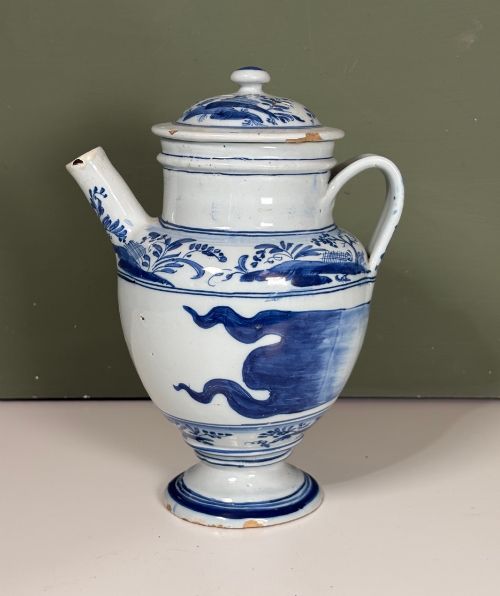
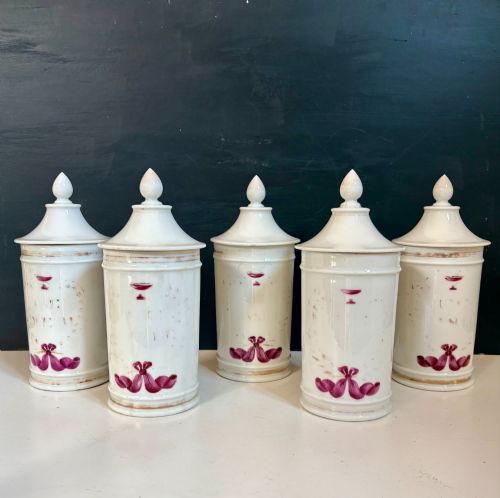
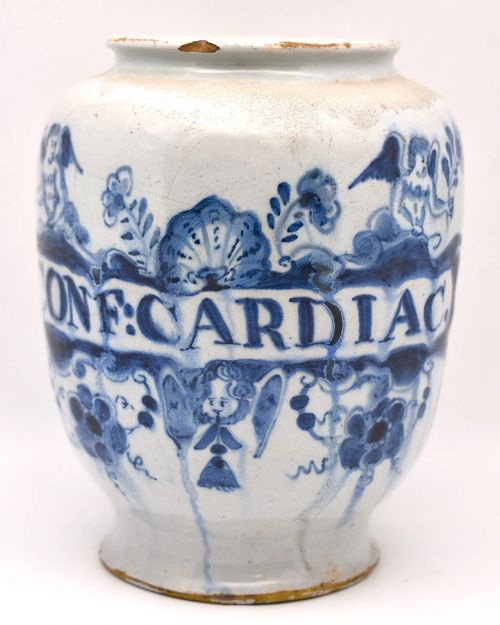
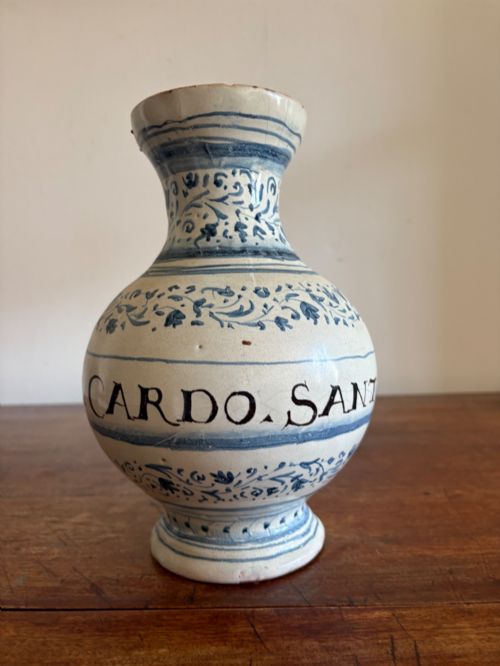
An antique drug jar is a vessel originally designed to hold medicinal herbs, syrups, and compounds in a dispensary or shop. When searching for an antique drug jar, buyers encounter both tin-glazed earthenware albarelos from continental Europe and English delftware containers alongside clear or green glass chemist bottles.
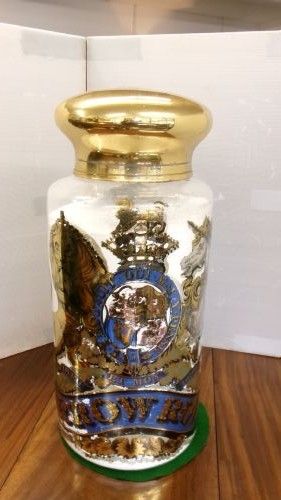
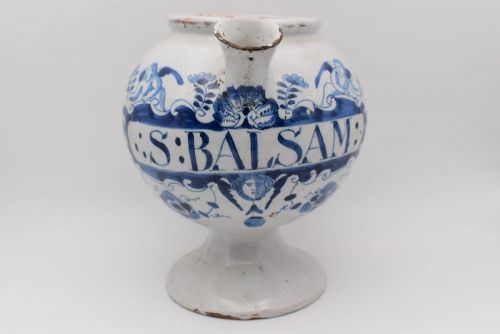
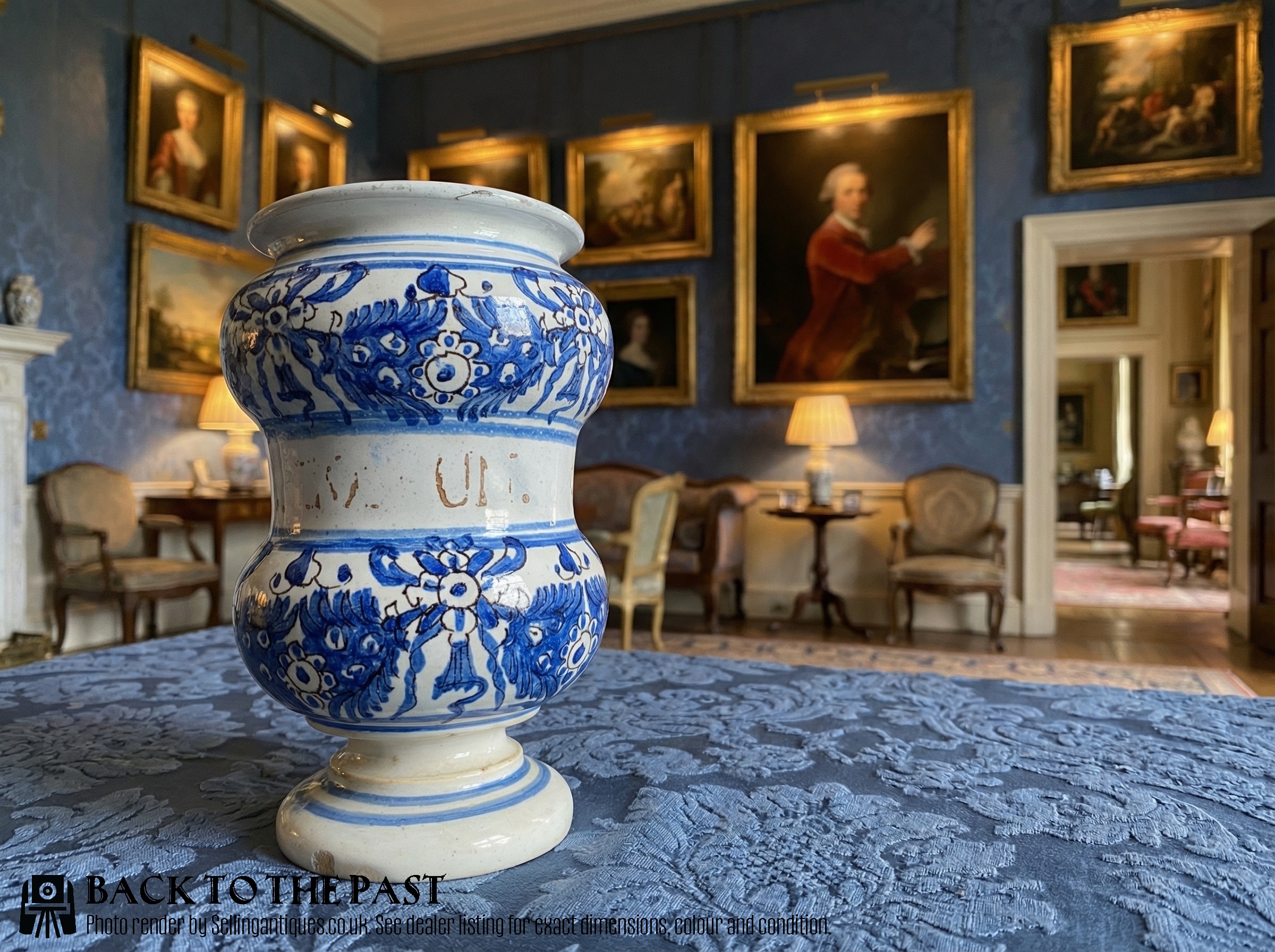
The material ranges from porous earthenware covered in a white tin glaze to heavy moulded glass and turned box wood. Forms vary from waisted cylindrical albarelos suited for dry medicines to spouted wet drug jugs and large glass display jars with covers.
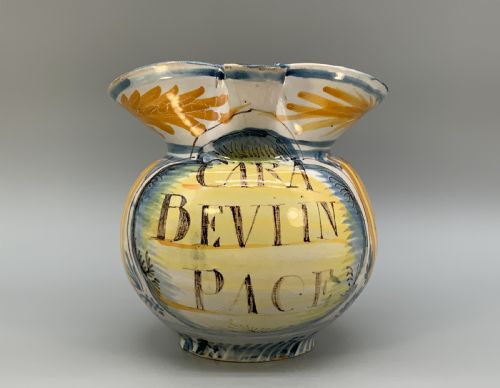
Origin spans the seventeenth, eighteenth, and nineteenth centuries, with Italian majolica, Dutch delft, and English delftware representing the principal traditions. Surviving pieces often bear painted Latin labels denoting contents such as balsam or honey.
How they were made
Potters shaped tin-glazed earthenware and majolica on the wheel before applying an opaque white glaze containing tin oxide, which provided a smooth surface for hand-painted cobalt blue or polychrome decoration. Glass vessels were blown into moulds or free-blown to create thick chemist bottles and large display jars.
Inscriptions and decorative cartouches were brush-painted by hand using metallic oxides like manganese and yellow, whilst some glass jars utilised paper labels to identify the contents. Box wood containers were turned on a lathe to create tight-fitting wooden vessels for dry preparations.
One cheerful jar once held arrowroot, ready to soothe nineteenth-century stomachs with starchy comfort.
What varies in quality
Quality rests upon the clarity and artistry of the hand-painted decoration, where confident brushwork on an Italian majolica or English delftware albarello elevates the piece far above simple commercial utility. The crispness of moulded glass display jars and the preservation of original covers or painted labels also dictate the standing of a vessel.
Condition plays a role, though the age of these working apothecary containers means minor glaze chips or kiln stilt marks are common. The sophistication of the form, from a waisted seventeenth-century Savona albarello to a plain nineteenth-century green glass bottle, defines the visual impact.
Samuel Alcock and Co
The Antique Drug Jar Glossary
- Albarello
- A cylindrical earthenware jar, often slightly waisted in the centre, used by apothecaries to store ointments and dry drugs. This distinctive shape originated in the Middle East and was adopted widely across Italian and Dutch potteries.
- Tin Glaze
- A ceramic glaze made opaque by the addition of tin oxide, providing a white surface for painted decoration. It is characteristic of delftware, majolica, and faience.
- Majolica
- Italian tin-glazed earthenware decorated with colourful metallic oxides. These pieces often feature rich blue, yellow, and manganese pigments.
- Delftware
- Tin-glazed earthenware produced in England or the Netherlands, traditionally finished in cobalt blue designs upon a white ground.
- Wet Drug Jar
- An apothecary jar featuring a spout or handle designed specifically for liquid medicines and syrups. They are frequently painted with abbreviated Latin inscriptions naming the contents.
Antique Drug Jar: Frequently Asked Questions
How were antique drug jars used?
These vessels sat on shelves in apothecary shops and dispensaries to hold dry herbs, ointments, syrups, and chemical preparations. Pharmacists relied on them for daily dispensing before commercial packaging existed.
Each container kept active ingredients safe from light and air. The painted labels ensured quick identification during busy dispensary hours.
What do the Latin inscriptions mean?
The painted words on the front are abbreviated Latin names of the medicines, gums, or plant extracts stored inside. Common examples include specific balsams, syrups, and botanical preparations.
Deciphering these old pharmacy terms reveals the exact medical ingredients used centuries ago. They add an authentic historical layer to the ceramic or glass vessel.
Are glass chemist bottles considered drug jars?
Glass chemist bottles and large display jars served the same apothecary function as ceramic vessels. They held liquids and dry goods alike in nineteenth-century pharmacies.
Many survive as sets or matched pairs with ground glass stoppers or heavy covers. They offer a transparent view of the contents compared to opaque earthenware.
How should I display antique apothecary jars?
These pieces look best grouped on open wooden shelving where their varied forms and labels can be appreciated. Good natural light highlights the glaze variations on earthenware and the depth of old glass.
Keeping them away from direct heat protects any delicate paper labels or aged wooden surfaces. They pair naturally with other scientific or botanical collections.