



Antique Chemist Jar
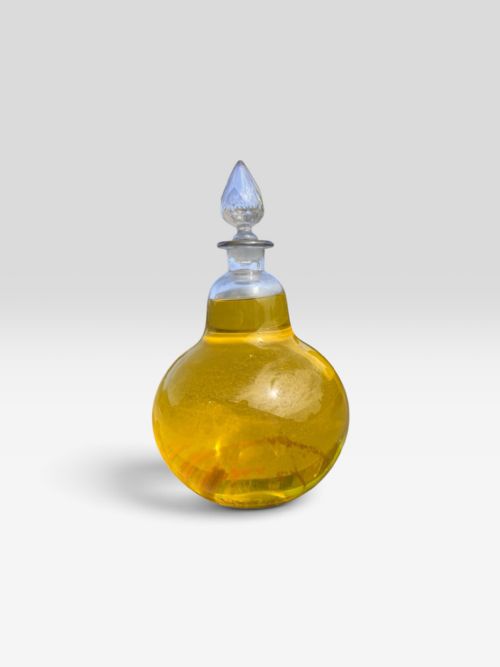
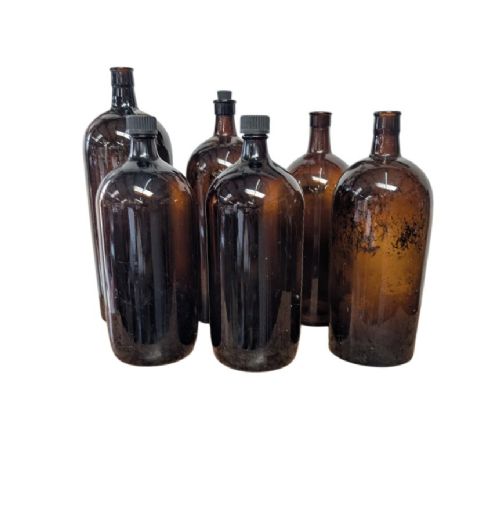
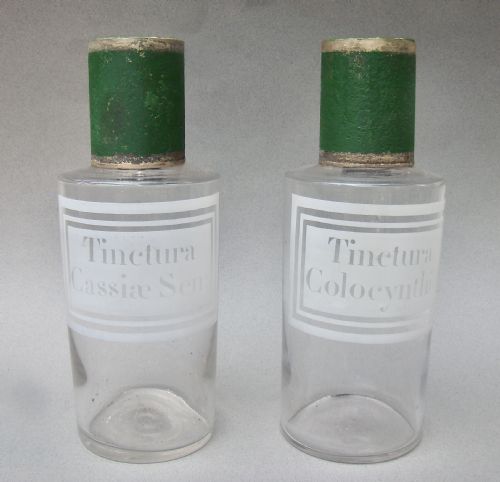
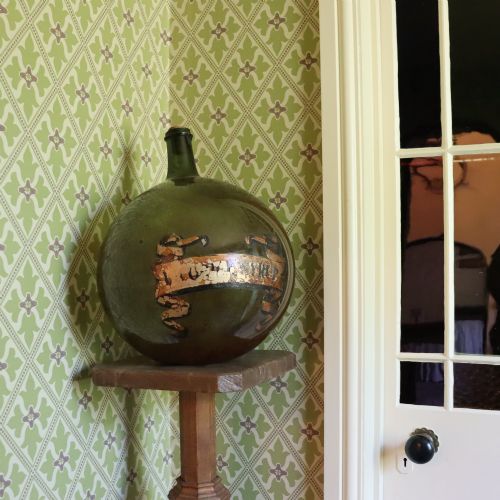
These antique chemist jar examples are utilitarian vessels of earthenware, glass, and ceramic that bring genuine apothecary history into a modern interior.
What They Are
An antique chemist jar represents the traditional storage vessels used by apothecaries and pharmacists to hold dried herbs, liquids, and medicinal preparations. When you search for an antique chemist jar, you encounter forms that span both the eighteenth and nineteenth centuries, reflecting long-standing practices in medicinal storage.
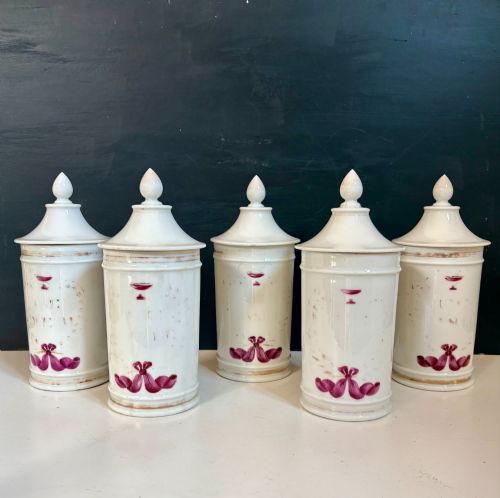
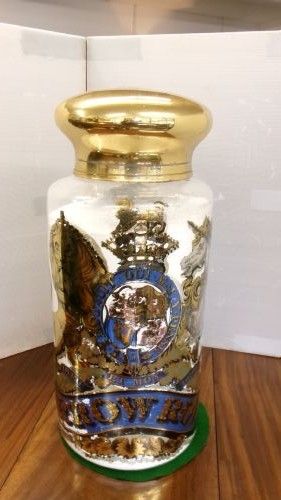
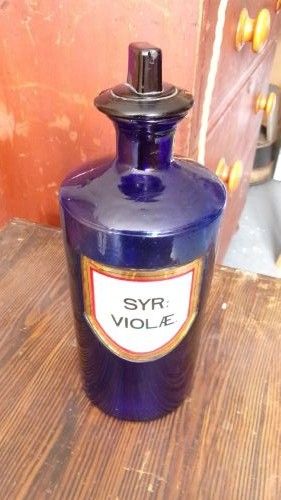
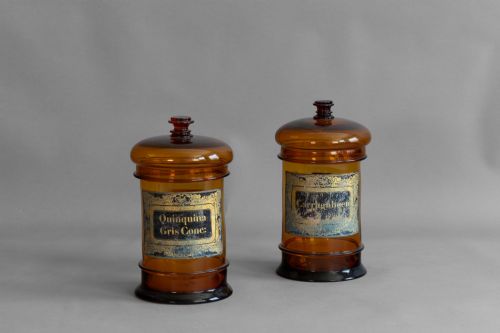
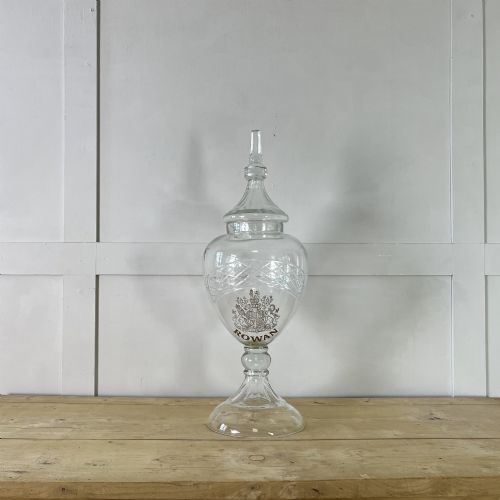
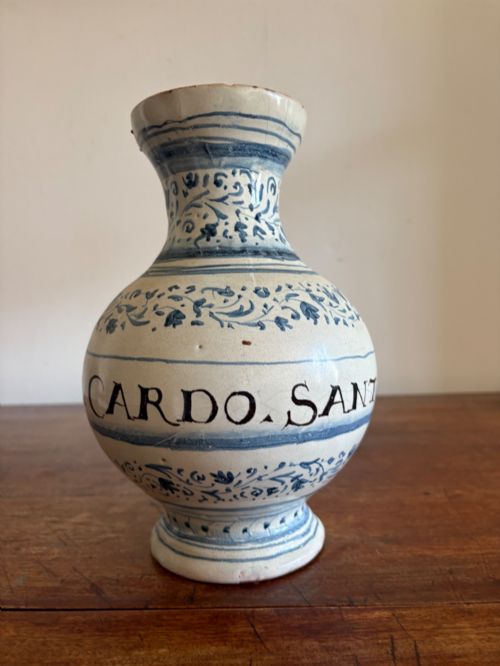
The pieces available on this page include examples ranging from eighteenth-century Italian majolica pieces to nineteenth-century Victorian containers. These apothecary jars frequently appear as large shop display items or individual ceramic vessels decorated with blue and white palettes.
Buyers will find that these utilitarian containers vary from singular earthenware vessels to larger display groupings. Each piece connects directly to the historical practice of dispensing remedies in European pharmacies.
How They Were Made
The construction of these vessels relies on traditional ceramic and glass techniques, utilising earthenware and tin glaze finishes. Potters formed the bodies by hand or on a wheel before applying opaque tin glazes to create a smooth surface for subsequent decoration.
Decoration on the ceramic examples often involves hand-applied paint, sometimes accented with gold leaf to designate the contents of the jar. Glass versions were blown into moulds or free-blown to achieve the robust walls required for commercial pharmacy use.
Old chemists relied on these jars to store ingredients with wonderful historical names like unicorn horn and dried toad.
What Varies in Quality
The distinction between ordinary utility containers and superior examples lies in the finesse of the glaze work and the preservation of painted details. Finer pieces demonstrate careful brushwork in their blue and white designs, whereas simpler utilitarian items display coarser finishes.
Scale and presence dictate the visual impact of these vessels, with larger shop display examples commanding greater visual weight in a room. The integrity of the tin glaze surface and the clarity of any remaining ornamentation ultimately determine the standing of each piece.
The Antique Chemist Jar Glossary
- Apothecary jar
- A vessel designed to hold medicinal herbs, drugs, and chemicals in a shop or dispensary. These containers were essential fixtures in historical pharmacies.
- Tin glaze
- An opaque white glaze containing tin oxide, applied to earthenware to provide a smooth ground for painted decoration. It is characteristic of majolica and delftware production.
- Earthenware
- Porous pottery fired at lower temperatures, requiring a glaze to become impermeable to liquids. This material forms the structural body of many traditional storage vessels.
Frequently Asked Questions
What did they store inside?
These vessels held dried botanicals, powders, syrups, and chemical compounds used in historical medical treatments. Pharmacists kept them on wooden shelves within easy reach of the counter.
Larger versions often served as window displays to advertise the apothecary's trade to passersby on the street.
How old are these jars?
The pieces recorded here span from the eighteenth century through the nineteenth century. Earlier examples often feature Italian majolica techniques and tin glazes.
Later Victorian versions reflect the industrial changes in glass and ceramic production during the nineteenth century.
Can I use them for plants?
Using these historical vessels for modern household tasks requires care due to the porous nature of older earthenware and tin glazes. Moisture can sometimes damage fragile interior surfaces over extended periods.
Dry display remains the safest way to preserve the original finish and painted details of the ceramic body.
How do I clean an old jar?
Cleaning requires gentle dusting with a dry cloth rather than immersion in water, which can penetrate porous earthenware bodies. Aggressive scrubbing will damage delicate painted surfaces and gold leaf accents.
Preserving the dry patina maintains the historical character accrued over centuries of use.