



Tin Glazed Ceramic Jar
These tin glazed ceramic jar examples bring historic pharmaceutical and decorative forms into modern rooms with classical blue and white palettes.
What tin glazed ceramic jar pieces are
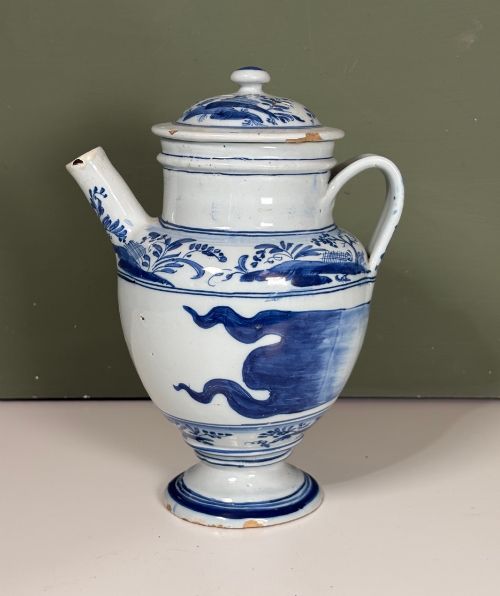
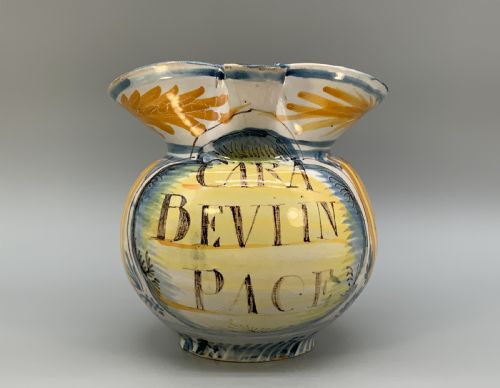
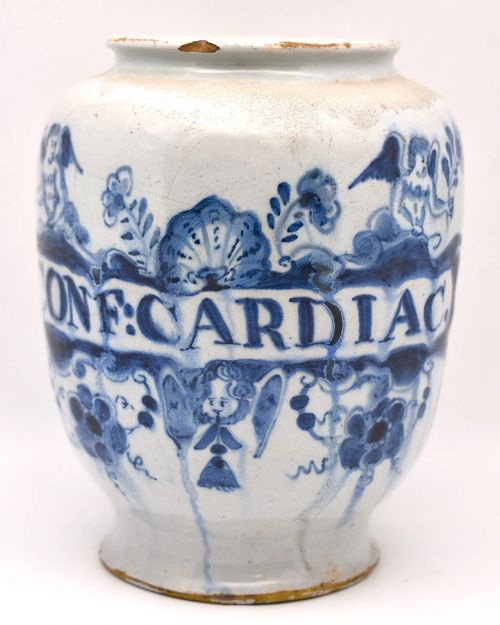
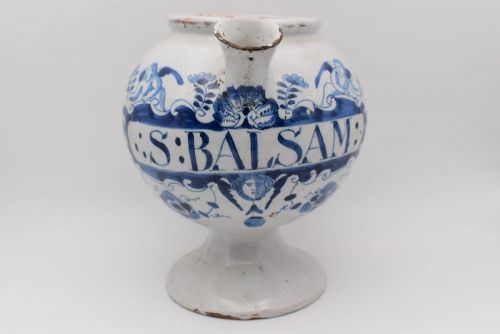
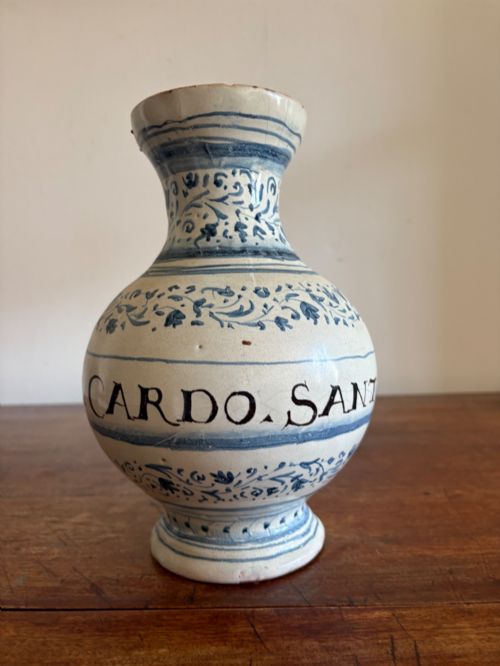
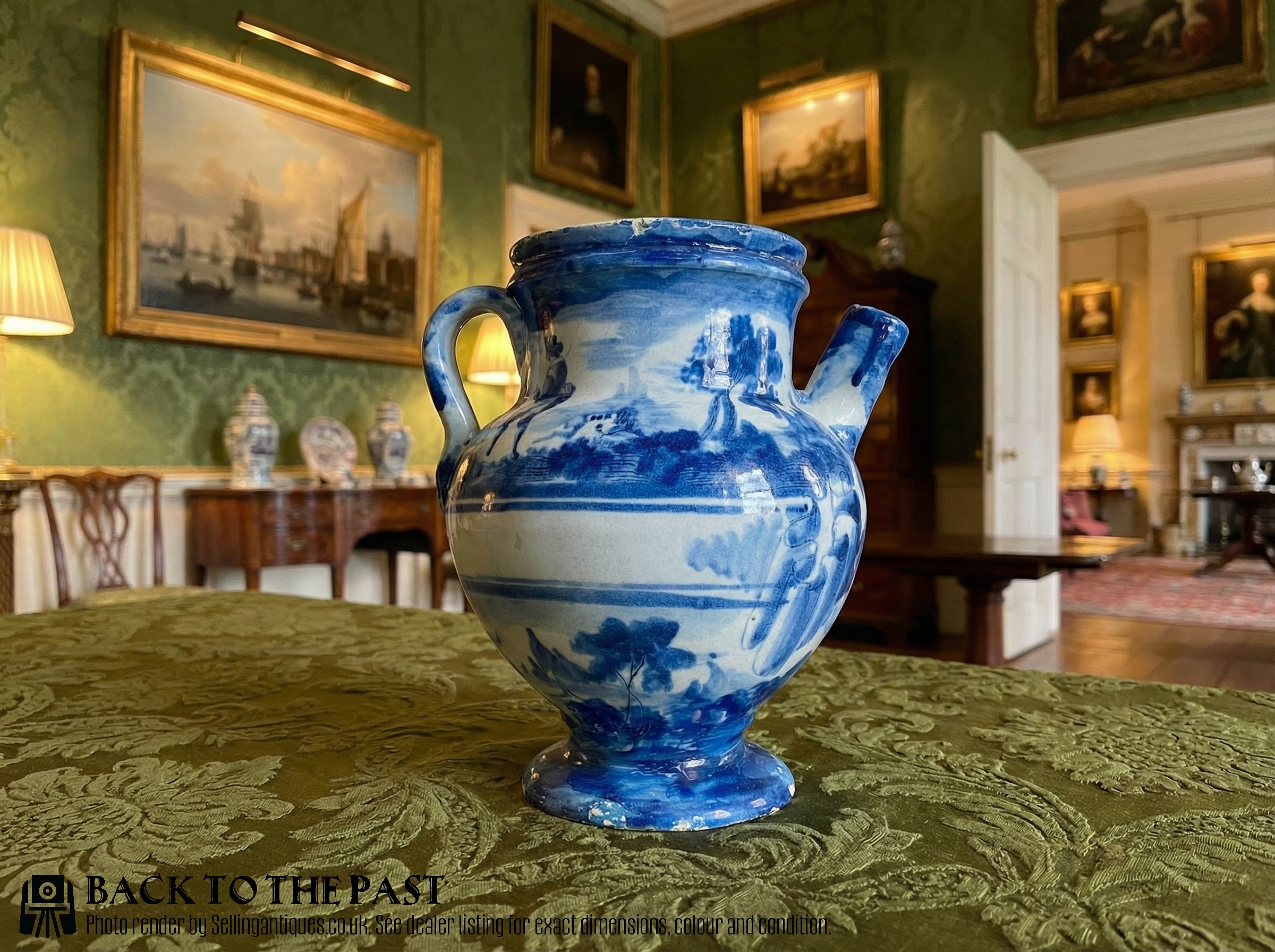
A tin glazed ceramic jar represents a historic vessel lineage spanning apothecary containers and decorative urns. The items appearing here most often take the form of medicinal pharmacy wet drug jars alongside water vessels and large handled vases.
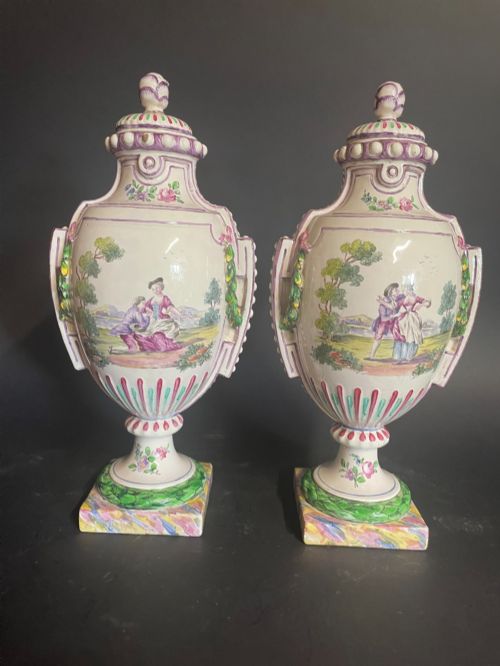
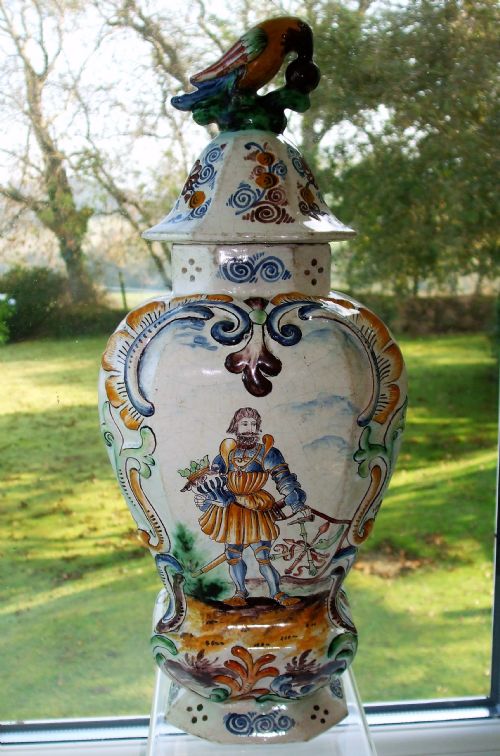
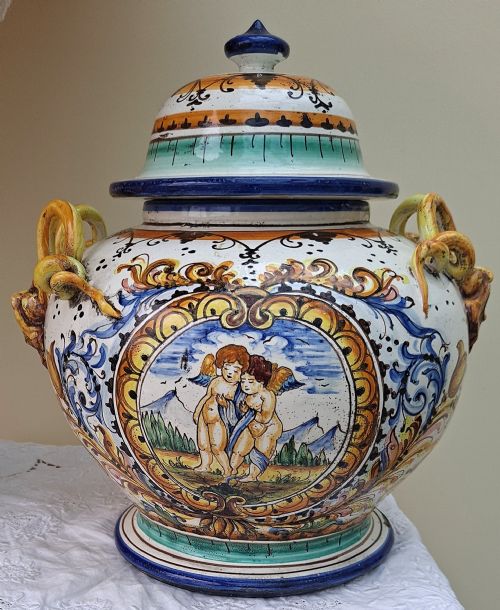
Originating predominantly from 18th Century Italian workshops and Dutch traditions, these vessels reflect Renaissance revival and Baroque styles. Buyers encounter both utilitarian drug containers from Savona and grander decorative urns from the same eras.
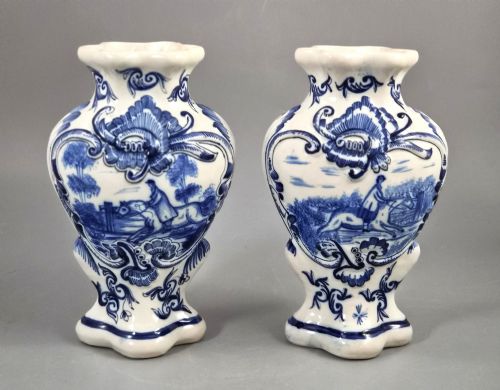
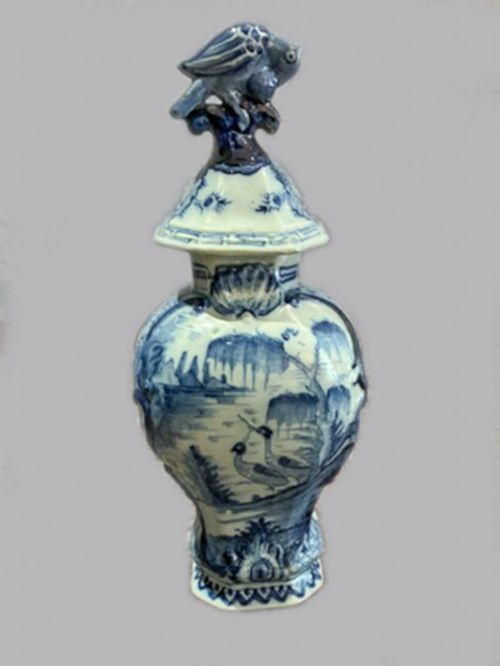
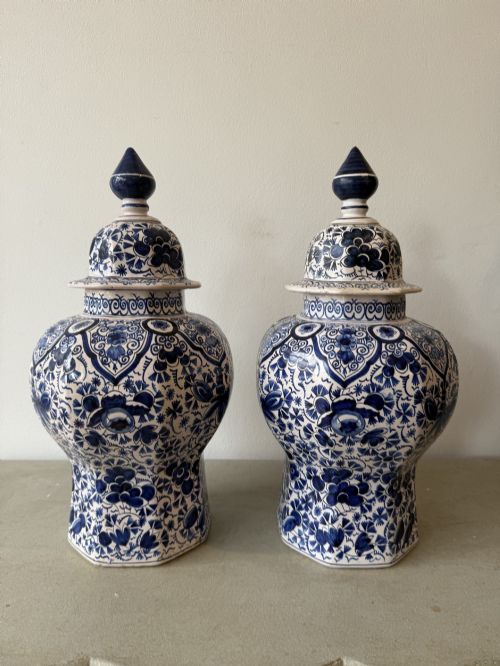
The aesthetic is defined by tin glaze surfaces, which typically support blue and white pigment work. These forms range from traditional cylindrical pharmacy jars to large handled vases suited for display.
How they were made
The foundation of every piece is earthenware, shaped into vessels such as apothecary jars, water vessels and urns. Potters threw or formed these clay bodies before applying the defining opaque white tin glaze.
Decoration relied on pigment application directly onto the raw glaze surface prior to firing. This technique allowed intricate blue and white patterns characteristic of Italian majolica and Dutch Baroque styles to fix permanently into the finish.
Retail Price Guide 2026
Typical UK retail prices for tin glazed ceramic jar, calculated from the Sellingantiques database of over a million retail prices indexed since 2003. This retail price guide relies exclusively on Sellingantiques data; no external sources or auction records are used, so the figures do not describe the wider market.
Current selections combine 18th century and 1900 periods, utilising earthenware and tin glaze across Italian and Dutch styles.
What varies in quality
Quality in these pieces is dictated by the fineness of the painted detail and the balance of the form. Master painters achieved fluid lines and depth within the blue and white palette, whereas lesser examples show stiff or hurried brushwork.
The smoothness and opacity of the tin glaze itself separate standard domestic vessels from exceptional decorative commissions. A well-fired glaze provides an even, milky canvas that enhances the underlying earthenware.
The Tin Glazed Ceramic Jar Glossary
- Majolica
- Tin-glazed earthenware produced in Italy and Spain. This technique produces a bright opaque surface ideal for intricate painted decoration.
- Wet drug jar
- A specific pharmacy vessel used for holding liquid medicines or syrups. These often feature a spout and handle for practical dispensing.
- Delft
- Tin-glazed pottery originating in the Netherlands. It is widely known for its imitation of Chinese blue and white porcelain.
- Earthenware
- Porous pottery fired at lower temperatures than stoneware or porcelain. It serves as the standard ceramic body for tin-glazed wares.
- Savona
- An important Italian ceramic production centre known for tin-glazed earthenware. Pieces from this town often display distinctive Baroque artistic traits.
Frequently Asked Questions
What were tin glazed ceramic jars used for?
These vessels originally served practical functions in European apothecaries and homes. They held medicinal syrups, dry drugs, or water supplies.
Over time, many of these containers transitioned from utility to display items. Collectors now appreciate them primarily as decorative objects that showcase historic ceramic artistry.
How do you date an 18th-century jar?
Dating relies on examining the specific tin glaze characteristics, pigment tones, and vessel forms. Eighteenth-century pieces often display hand-thrown earthenware bodies beneath characteristic blue and white painting styles.
Comparison with documented examples from production centres like Savona or Delft helps narrow down the manufacturing window. Stylistic shifts between Baroque and Renaissance revival offer further chronological markers.
How do I display a ceramic jar?
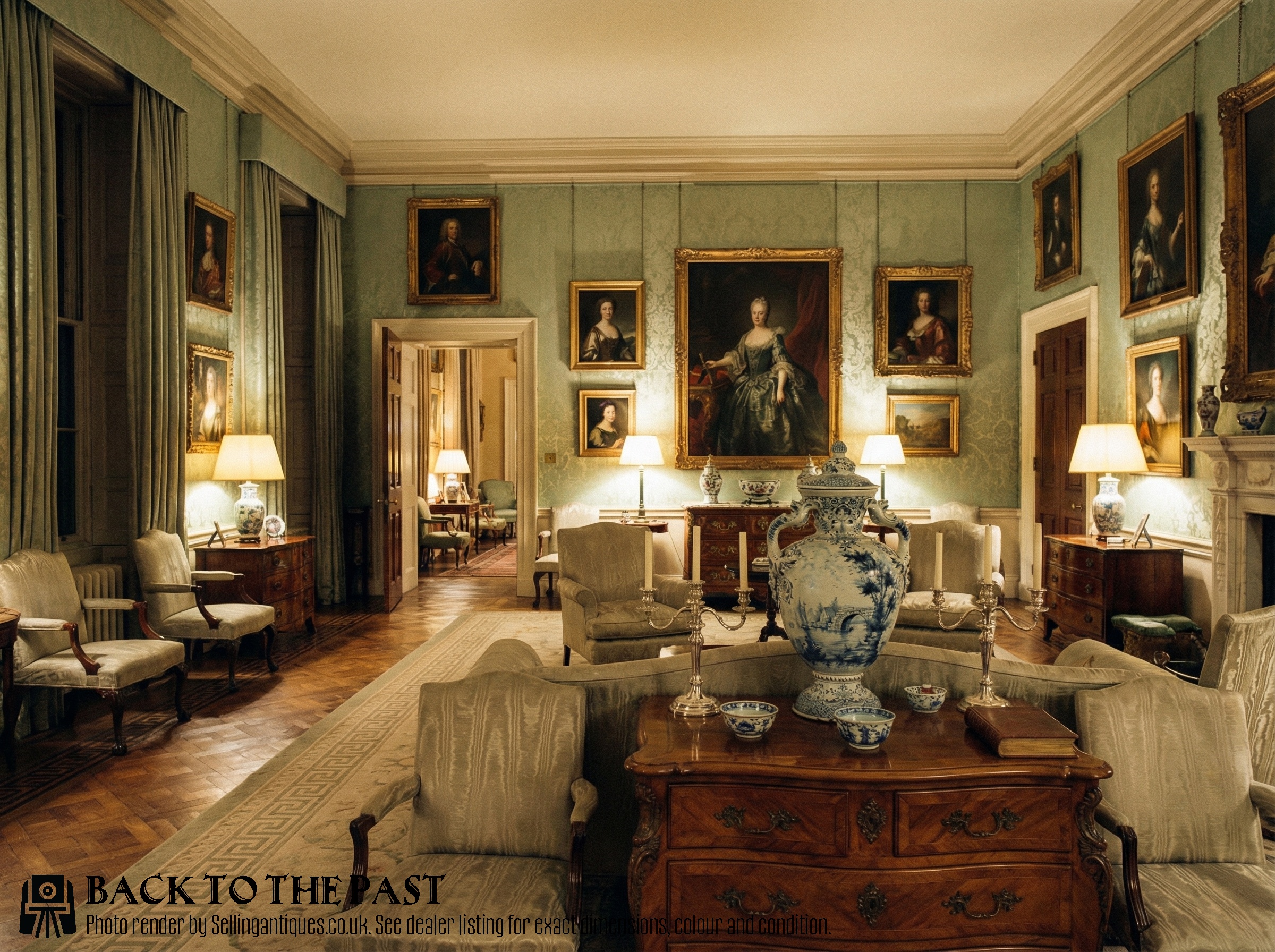
These jars suit placement on open shelving, mantelpieces, or dedicated cabinets where their height and form remain visible. Their blue and white palettes pair well with neutral backgrounds.
Due to the historical nature of earthenware and tin glaze, placement should avoid areas prone to heavy impacts or excessive moisture. Gentle dusting preserves the painted surface without risking the glaze.
What is the difference between majolica and delft?
Majolica primarily refers to tin-glazed earthenware produced within Italian traditions, often associated with rich Renaissance and Baroque styles. The painting tends towards robust figurative or botanical motifs.
Delft describes the Dutch iteration of tin glazing, which frequently drew inspiration from imported Chinese porcelain. This results in distinctively crisp blue and white geometric or floral layouts.