
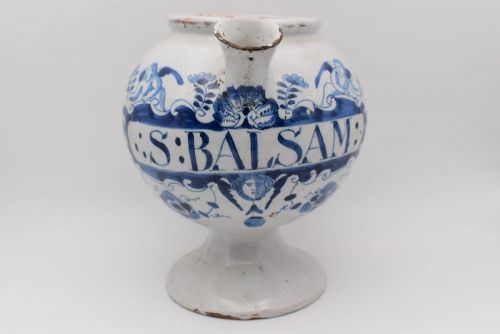


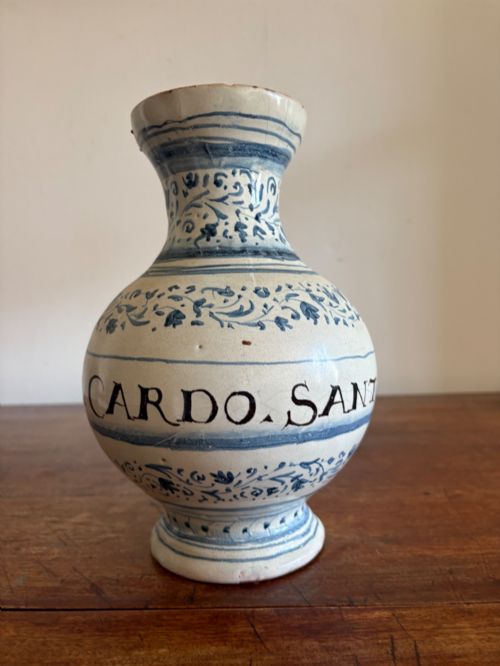


Tin Glazed Pottery Jar
When you handle a tin glazed pottery jar, you hold centuries of earthenware shaped by European kilns and painted in cobalt or polychrome pigments.
Tin Glazed Pottery Jar
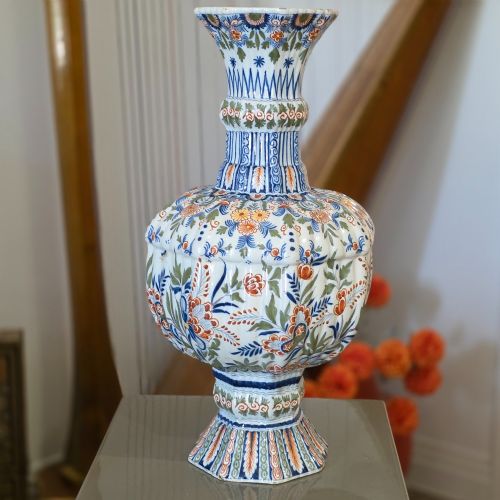
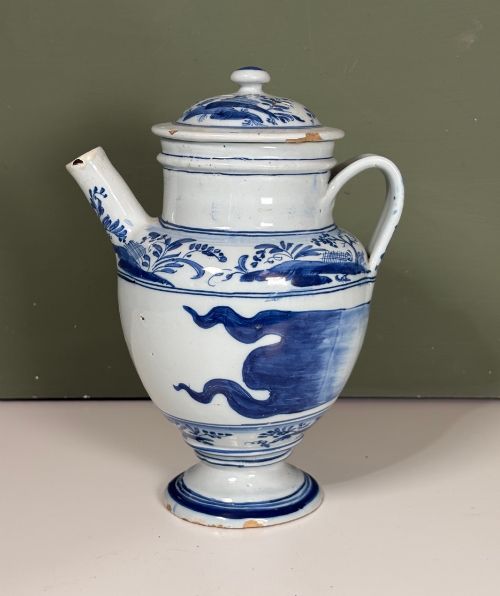
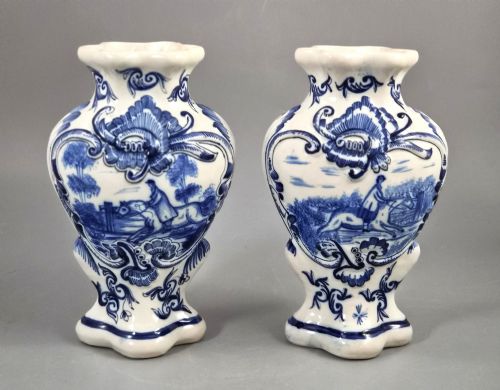
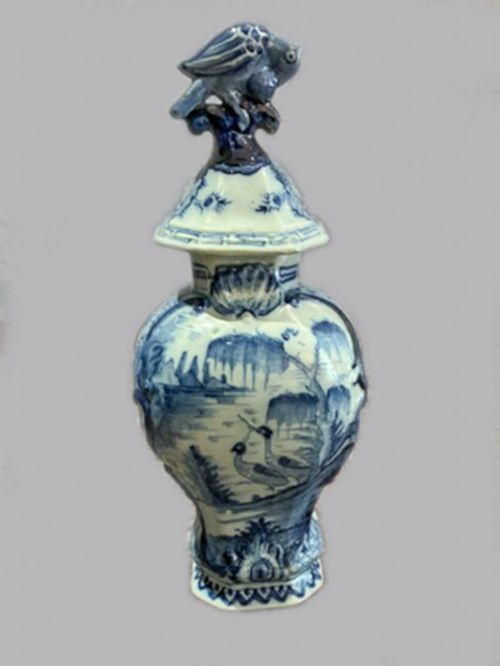
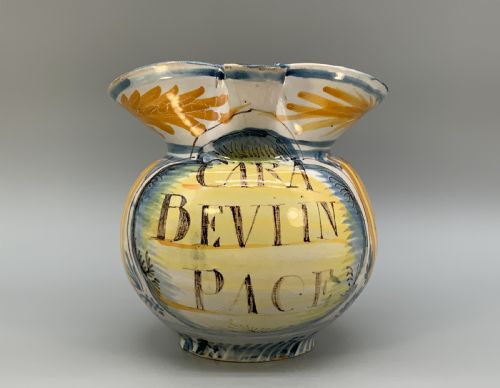
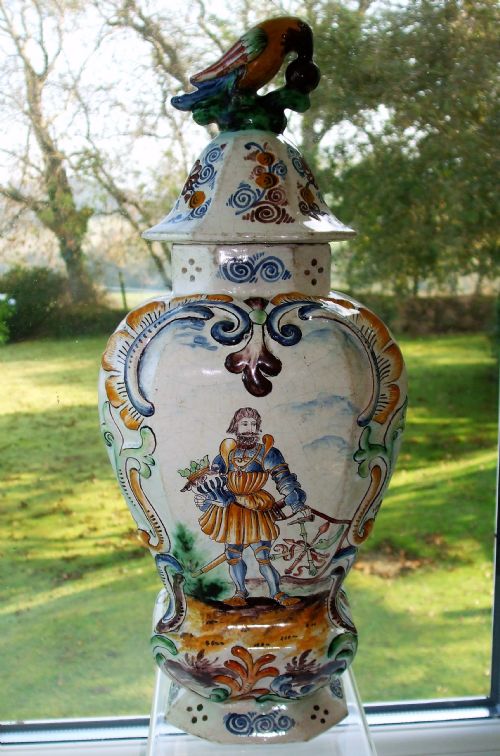
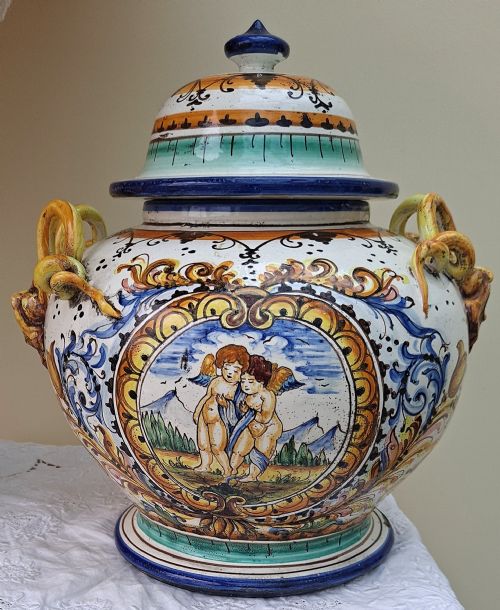
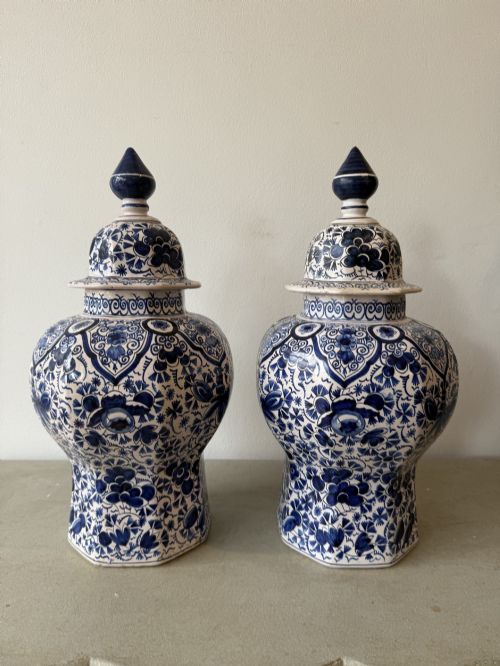
A tin glazed pottery jar brings together centuries of European ceramic tradition, spanning the seventeenth through to the early twentieth century. You will encounter forms such as pharmacy albarelli, lidded vases, wet drug jars, and baluster vessels originating from Dutch, Italian, French, and English workshops.
The selection ranges from robust apothecary containers designed for medicinal stores to ornamental lidded vases meant for display. Dutch Delftware and Italian Majolica dominate the pieces you meet, alongside French faience and English delftware specimens.
Materials and construction
Potters shaped earthenware bodies from terracotta and local clay, throwing or moulding them into apothecary jars, jugs, and vases. They coated the dried vessels in a white, opaque glaze containing tin oxide, which provided a smooth, absorbent white canvas for decoration.
Painters applied cobalt pigment and various mineral colours directly onto the unfired or raw tin glaze before the second firing fused the pigments into the surface. Some pieces incorporate brass fittings or lids, uniting ceramic bodies with metalwork.
Styles represented across the inventory include Dutch Baroque, Italian Baroque, French Rococo Revival, and Renaissance Revival.
Assessing quality and execution
Quality rests upon the crispness of the painted decoration, whether a delicate blue and white Chinoiserie scene, a detailed apothecary label, or rich polychrome floral motifs. Master painters achieved fluid, confident brushwork that sets finer examples apart from repetitive or stiff commercial output.
The stability of the tin glaze, the evenness of the white surface, and the preservation of the original lid or cover dictate the desirability of an antique jar. Pieces displaying confident potting alongside vibrant, stable pigments represent the summit of the maker's art.
Fourmaintraux Courquin
The Tin Glazed Pottery Jar Glossary
- Albarello
- A cylindrical earthenware jar designed for pharmacy use, typically waisted in the centre to allow easy handling on dispensary shelves.
- Majolica
- Italian tin glazed earthenware decorated with colours on an opaque white glaze, often featuring historical or botanical motifs.
- Delftware
- Tin glazed earthenware produced in the Netherlands and England, renowned for blue and white designs inspired by imported Chinese porcelain.
- Faience
- French tin glazed earthenware closely related in technique and appearance to Italian majolica and Dutch delft.
- Cobalt Pigment
- A metallic colorant used under the glaze to produce deep blue painted decoration that withstands high kiln temperatures.
Tin Glazed Pottery Jar: Frequently Asked Questions
What were tin glazed pottery jars used for?
These vessels served primarily in apothecaries and dispensaries to store dry drugs, wet medicines, ointments, and syrups. Pharmacies relied on labelled jars to keep medicinal ingredients organised and protected from moisture.
Over time, many of these utilitarian containers transitioned into decorative objects for domestic interiors. Lidded vases and ornamental urns were also produced purely for display in grand rooms.
How do I tell Dutch Delft from Italian Majolica?
Dutch Delft pieces often lean towards blue and white palettes influenced by Chinese porcelain, alongside distinct European floral and architectural designs. The glaze tends to be bright white with crisp cobalt painting.
Italian Majolica frequently embraces rich polychrome palettes including yellow and manganese, often featuring dense historiated scenes or vibrant floral garlands upon heavier earthenware bodies.
Are lids usually original to these jars?
Many surviving jars lost their original covers over centuries of handling, cleaning, and daily dispensary use. Finding a piece retaining its matching period lid is a notable advantage for collectors. Nomenclature such as vase and cover or jar and lid in a description denotes a complete pairing, though marriage pieces with later replacement lids do occur.