



Antique Medical Jar
These antique medical jar examples hold the history of pharmacy, offering tangible links to apothecary practice through glass and ceramic forms.
Antique Medical Jar
When you search for an antique medical jar, you encounter vessels designed to hold pharmaceutical ingredients, powders, and liquids. The selection ranges from ceramic drug jars to glass pharmacy bottles and carboys.
The specimens seen here span from the eighteenth century through the Victorian era and into the early twentieth century. You will find English delftware, Italian majolica, and hand-blown glass variants.
Forms include wet drug jars, albarelli, carboys, and medicine chests. Glass bottles and ceramic vessels represent the primary types available to collectors.
How They Were Made
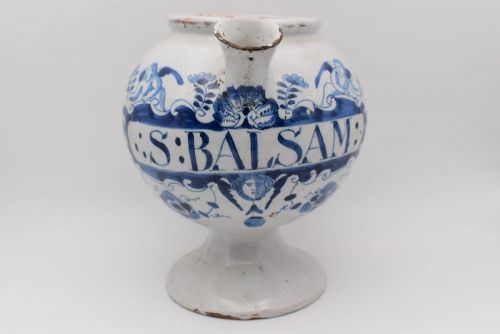
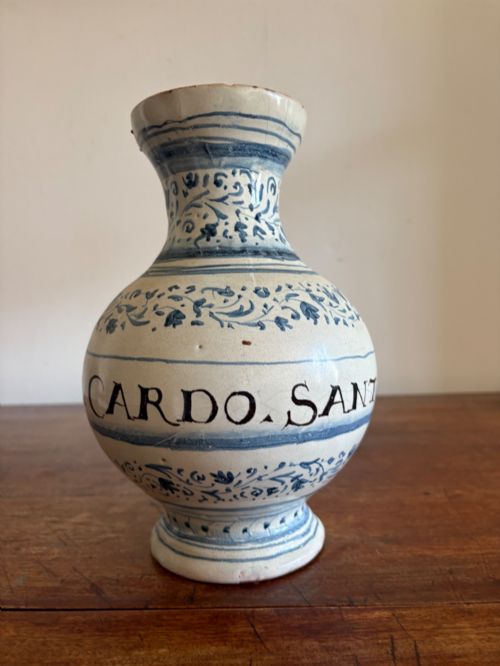
Potters shaped tin-glazed earthenware and majolica by hand, applying tin glaze and blue and white pigments, sometimes incorporating gold leaf. Ceramic pieces from the eighteenth century display hand-painted decoration such as cherub and shell motifs.
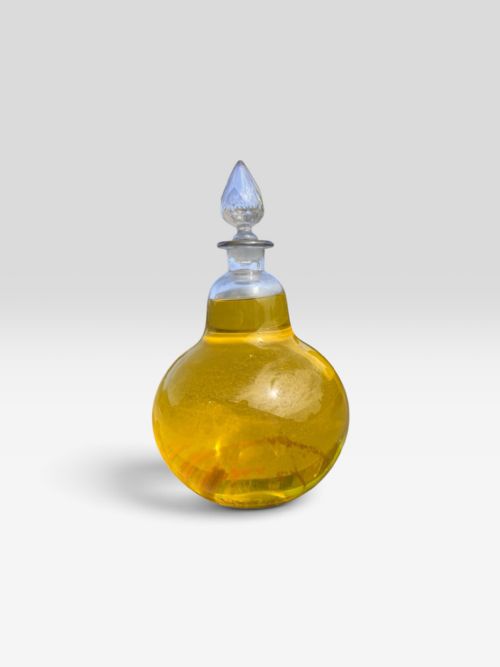
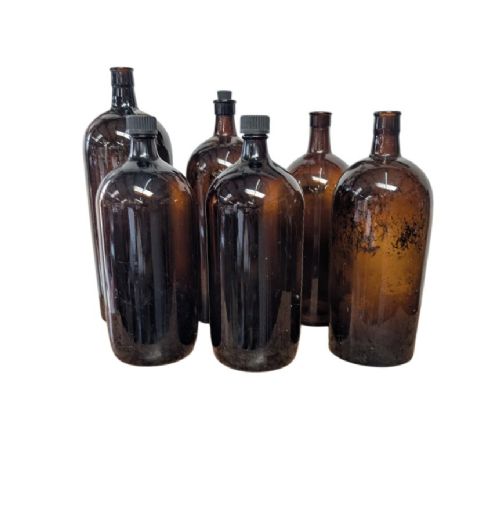
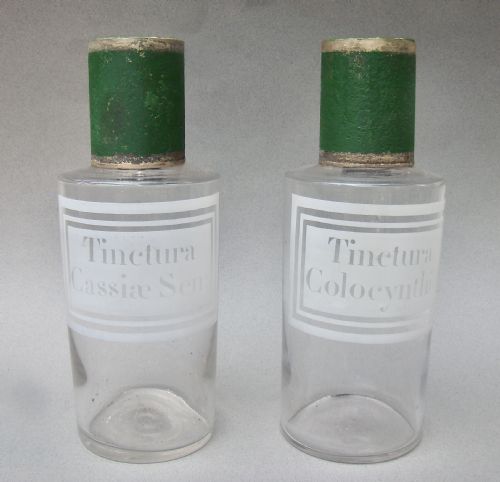
Glassmakers utilised hand-blowing techniques to create nineteenth-century pharmacy carboys, chemist bottles, and gelatine jars. Etched glass designs also appear among the French examples from this period.
Cabinets and chests utilise brass fittings alongside timber construction to house medicine collections securely. Paper labels occasionally survive on glass bottles to indicate original contents.
Some eighteenth-century Italian majolica jars carry cheerfully painted cherubs alongside Latin names for dubious historical remedies.
What Varies In Quality
The clarity and weight of hand-blown glass separate standard pharmacy bottles from exceptional carboys and etches vessels. Early glass bubbles and striations reflect the primitive nature of period manufacture.
Ceramic quality rests upon the crispness of the hand-painted tin glaze and the complexity of the drug label cartouche. Eighteenth-century delftware and Italian majolica display distinct artistic command in their blue and white designs.
The survival of original components, such as glass covers or fitted medicine chest interiors, distinguishes more complete examples. Surface wear and glaze crazing provide context regarding age and usage.
The Antique Medical Jar Glossary
- Albarello
- A tall, waistless pharmacy jar of Islamic origin, widely produced in Italy and Europe for dry drugs. These ceramic vessels feature incurved sides for grip.
- Carboy
- A large globular glass bottle enclosed in wicker or resting on a base, utilised in large quantities by chemists. Nineteenth-century examples often served as shop window displays.
- Delftware
- Tin-glazed earthenware produced in England and the Netherlands, notable for a porous white surface. Eighteenth-century pieces frequently display painted drug labels.
- Majolica
- Italian tin-glazed pottery decorated with opaque coloured glazes, often featuring blue and white pharmaceutical motifs. Eighteenth-century Italian pieces demonstrate this tradition.
- Wet Drug Jar
- A ceramic pharmacy vessel designed with a spout or wide mouth to hold liquids, syrups, and oils. These jars commonly bear Latin abbreviations for medicinal contents.
Antique Medical Jar: Frequently Asked Questions
What were apothecary jars used for?
Apothecaries and chemists utilised these vessels to store dried herbs, ointments, chemical compounds, and liquid medicines on shop shelves.
Larger carboys displayed in windows signalled the presence of a pharmacy to the street.
How do I date an antique medical jar?
Dating relies upon material composition, manufacturing marks, and stylistic indicators such as tin glaze versus pressed glass.
Eighteenth-century pieces typically show delftware or majolica characteristics, while Victorian items lean towards hand-blown glass and paper labels.
How should I display these jars at home?
Glass apothecary bottles and carboys benefit from placement near natural light sources to highlight the tone of the amber or green glass.
Ceramic drug jars suit shelving where their painted blue and white cartouches remain visible.
What is the difference between wet and dry jars?
Wet drug jars were designed to contain liquids, syrups, and oils, often featuring specific spouts or wide mouths for pouring.
Dry drug jars held powders, roots, and solid preparations, keeping them sealed against moisture.