


Earthenware Apothecary Vessel
An earthenware apothecary vessel holds centuries of medicinal history, combining practical storage with hand-painted ceramic artistry.
Earthenware Apothecary Vessel
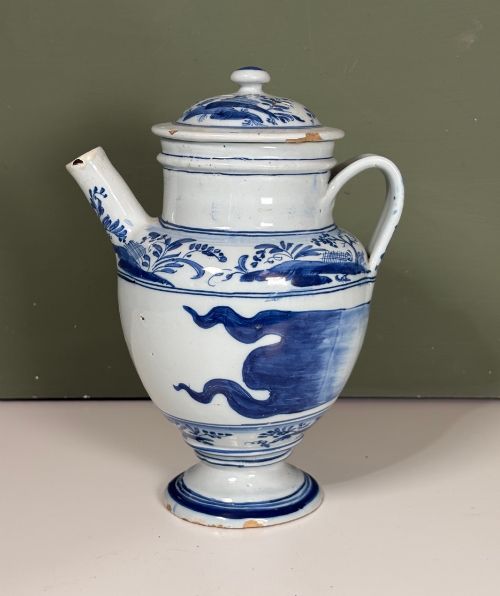
An earthenware apothecary vessel represents a utilitarian ceramic container historically utilised for holding medicines, dry drugs, and wet remedies in pharmacies. When searching for an earthenware apothecary vessel, buyers encounter storage jars, drug jars, and wet drug jugs originating primarily from the eighteenth century.
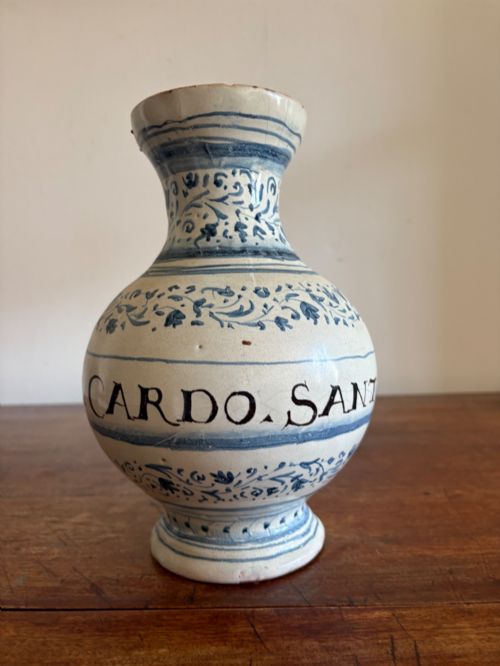
The selection on this page centres on tin-glazed earthenware and majolica forms produced across England, Italy, and the Netherlands. Pieces range from cylindrical albarello shapes to waisted pharmacy jars and lidded vessels marked with cobalt pigment or polychrome designs.
Materials and construction
Makers formed these vessels from basic earthenware clay, shaping them on the wheel into storage jars and drug containers. The shaped body then received a tin glaze to create a smooth, opaque white surface suitable for subsequent painting.
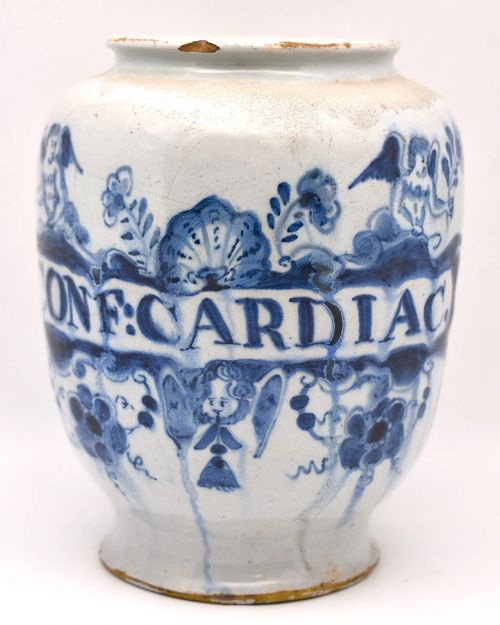
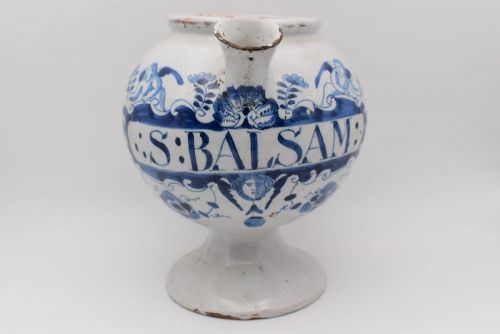
Decorations were applied directly onto the unfired glaze using cobalt pigment, cobalt oxide, or other ceramic pigments. Figures such as cherubs, shells, and specific drug labels like cardiac or balsam were painted by hand before the final firing.
Listings feature earthenware and tin-glazed earthenware pieces primarily from the eighteenth century, alongside a twentieth-century water vessel.
Distinctions in quality
Quality in these ceramics rests on the crispness of the hand-painted cobalt or polychrome decoration and the condition of the tin glaze. Early examples with detailed motifs, such as cherubs and legible drug inscriptions, demonstrate superior artistic execution compared to plain or heavily worn storage containers.
The preservation of the original form, including integrated spouts on wet drug jugs or matching lids, alters the standing of a piece. Finer specimens retain their glaze lustre and stable earthenware bodies without extensive modern restoration.
The Earthenware Apothecary Vessel Glossary
- Earthenware
- A porous pottery fired at relatively low temperatures which requires glazing to hold liquids effectively. It forms the structural body for the vast majority of antique drug jars.
- Tin Glaze
- An opaque white ceramic glaze containing tin oxide that provides a smooth canvas for painted decoration. This coating defines tin-glazed earthenware and traditional delftware.
- Albarello
- A cylindrical earthenware jar designed for storing pharmacy drugs and ointments. This specific form originated in the Near East and became common across European apothecary shops.
- Majolica
- Tin-glazed earthenware decorated with colourful pigments on an opaque white glaze. Italian examples often feature bold polychrome or blue and white motifs.
- Wet Drug Jar
- A specialised apothecary vessel featuring a spout or wide mouth intended for liquid syrups and oils rather than dry powders.
Earthenware Apothecary Vessel: Frequently Asked Questions
What were apothecary vessels used for?
Apothecaries and pharmacists used these vessels to store medicinal herbs, dry drugs, chemical compounds, and liquid syrups. Each jar typically bore a painted label indicating its specific contents.
Over time, these utilitarian containers transitioned from working pharmacy shelves into decorative display pieces valued for their historic painted designs.
How do you identify an 18th-century drug jar?
Eighteenth-century drug jars are identified by their characteristic earthenware bodies, tin-glaze surfaces, and hand-painted cobalt or polychrome pharmacy labels. Stylistic traits align with English delftware, Dutch delft, and Italian majolica traditions.
Form also aids identification, with distinctive shapes like the waisted albarello or spouted wet drug jugs pointing directly to historic pharmacy use.
What is the difference between delft and majolica?
Delft and majolica both describe tin-glazed earthenware, but the terms generally reflect different geographic production centres and aesthetic traditions. Delft usually refers to tin-glazed pottery made in England and the Netherlands.
Majolica primarily describes the tin-glazed earthenware traditions of Italy, often characterised by vibrant polychrome painting or deep blue and white pigments.
How should I display an antique pharmacy jar?
Display these jars on stable shelves or cabinets away from direct moisture and heavy foot traffic to protect the porous earthenware body and tin glaze. Positioning them where natural light illuminates the hand-painted labels enhances their visual appeal.
Ensure the supporting surface is flat and secure, as historic ceramics can be vulnerable to tipping if placed near edges.