



Delftware Apothecary Jar
These delftware apothecary jar examples are tin-glazed earthenware drug vessels that bring authentic pharmacy history into a room.
Delftware Apothecary Jar
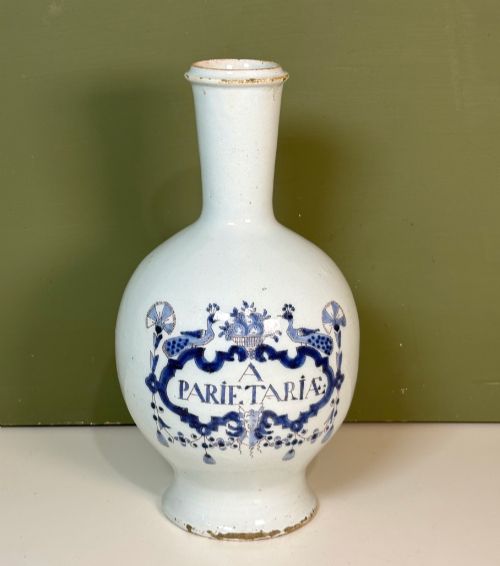
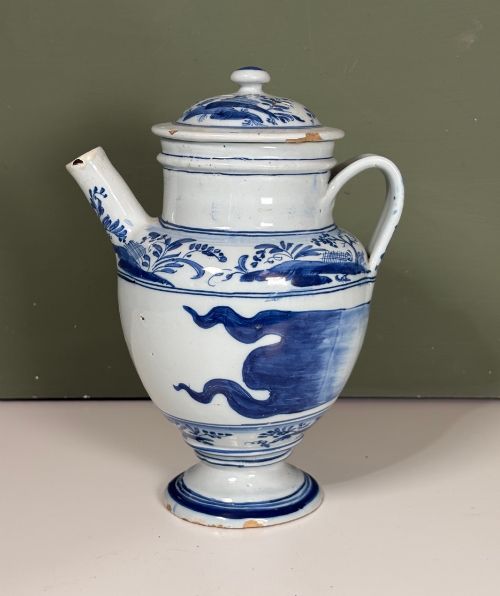
A delftware apothecary jar is a ceramic container historically used to store medical drugs, herbs, and potions in dispensaries and apothecaries. The pieces available here span the eighteenth and nineteenth centuries, taking the form of storage jars, chemist bottles, and albarello vessels.
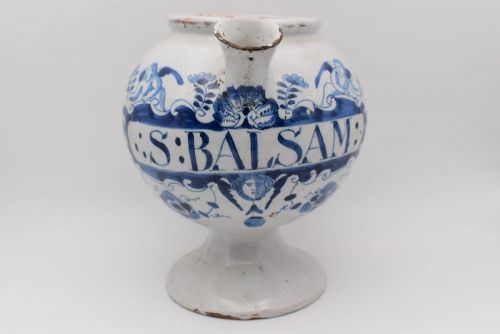
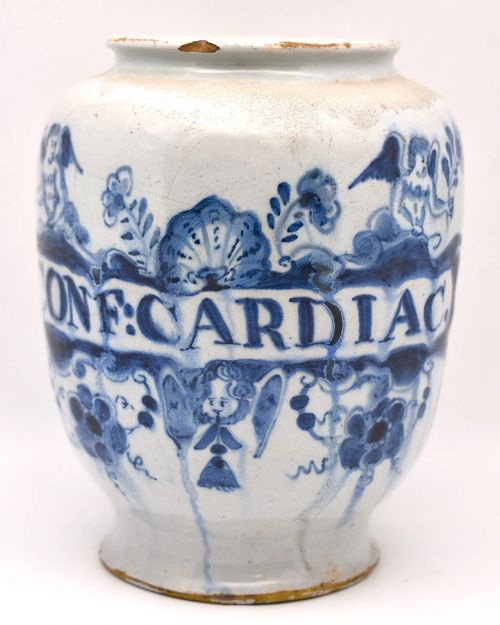
Most examples you encounter on this page belong to the eighteenth century, featuring the characteristic blue and white palette of the period. Dutch delft, English delftware, and continental faience dominate the selection, often bearing painted inscriptions or classical cartouches.
Makers produced these containers as functional pharmacy equipment rather than pure ornament, yet their hand-painted decoration gives them lasting visual appeal. Collectors find them in various sizes, ranging from standard drug jars to large storage vessels intended for dispensary shelves.
How They Were Made
Potters shaped these vessels from earthenware and ceramic bodies before applying an opaque white tin glaze that provided a smooth canvas for painting. Cobalt pigment and cobalt oxide were brushed directly onto the unfired glaze, creating the deep blue designs characteristic of tin-glazed earthenware.
The firing process bonded the metallic pigments into the tin glaze, producing the glossy surface seen on eighteenth-century Dutch and English examples. Certain variants incorporate brass elements or specific apothecary markings applied by hand before the final kiln stage.
Delftware Apothecary Jar Retail Price Guide 2026
Typical asking prices for delftware apothecary jar among the pieces listed under this phrase on Sellingantiques today, from the lower quarter to the upper quarter. They describe what is for sale here now, not the wider market.
Listings feature eighteenth-century and nineteenth-century periods, utilising tin-glazed earthenware, ceramic, and brass materials.
What Varies in Quality
The refinement of the painted decoration dictates much of the distinction between examples, with master painters producing crisper lettering and more elaborate cherub and shell cartouches. Simpler vessels rely on basic apothecary abbreviations or plain blue and white bands.
Glaze coverage and preservation of the tin surface also define the character of each piece, as centuries of handling alter the ceramic body. The clarity of the cobalt pigment against the white tin-glazed background marks the visual success of the individual jar.
The Delftware Apothecary Jar Glossary
- Tin-glazed earthenware
- Pottery covered with a lead glaze made opaque by the addition of tin oxide. This technique forms the white surface that accepts cobalt painting.
- Albarello
- A type of cylindrical earthenware jar used in pharmacies to hold ointments and dry drugs. Its waist is typically pinched for easier gripping.
- Cobalt pigment
- A metallic oxide used to create deep blue coloration on ceramic glazes. It withstands high kiln temperatures without losing intensity.
- Drug jar
- A vessel specifically labelled or shaped for storing medicinal contents in a dispensary. They often feature abbreviated Latin inscriptions denoting the contents.
- Continental faience
- European tin-glazed pottery produced outside of England and the Netherlands, including French and Italian workshops. It shares technical roots with delftware.
Delftware Apothecary Jar: Frequently Asked Questions
What were delftware apothecary jars used for?
Apothecaries and chemists utilised these jars to store dried herbs, medical drugs, electuaries, and various liquid or solid preparations. The tin glaze protected the porous earthenware body from absorbing moisture and medicinal contents.
Displaying them on shelves allowed practitioners to quickly identify remedies during daily dispensary work. Their inscribed labels ensured efficient organisation within eighteenth-century apothecary shops.
How do I date an antique drug jar?
Dating relies on examining the ceramic body, the tin glaze characteristics, and the style of the painted lettering or cartouches. Eighteenth-century examples typically display softer earthenware bodies and distinct cobalt painting styles compared to later nineteenth-century pieces.
Inscriptions and decorative motifs such as cherubs or specific pharmacy marks offer further clues to the period and regional origin. Comparative study of known Dutch and English delft pieces helps narrow the decade of production.
Are wet drug jars different from dry jars?
Wet drug jars were specifically designed to hold syrups, oils, and liquid medicines rather than dry powders or ointments. They often feature a spout or a shape suited for pouring alongside a labelled body.
Dry jars and albarelli typically feature wider mouths to allow easy access for a spatula or hand retrieving solid contents. The painted inscriptions often indicate whether the original contents were liquid or solid.
How should I display apothecary jars at home?
Placing these jars on open wooden shelving or within glass-fronted cabinets highlights their painted blue and white tin-glazed surfaces. Keeping them away from direct heat sources protects the historic ceramic body and glaze.
Grouping jars of varying sizes creates a balanced display that reflects their original pharmacy setting. Careful placement ensures the hand-painted inscriptions remain visible for close appreciation.