






18th Century Apothecary Vessel
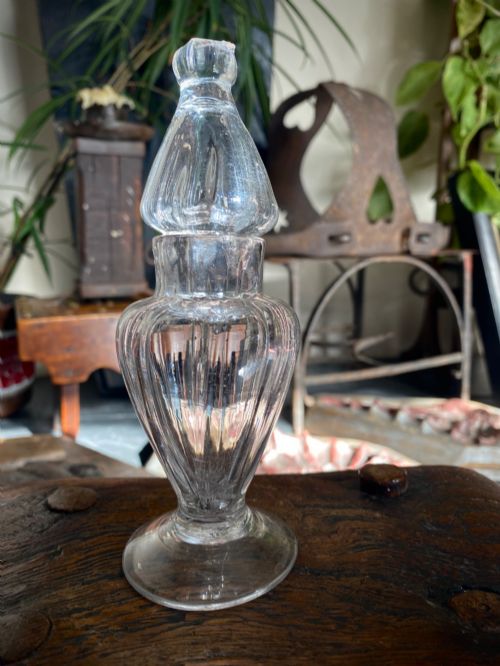
An 18th century apothecary vessel is a functional medical container or grinding tool shaped by utility, offering tactile history to a collector's shelf.
18th Century Apothecary Vessel
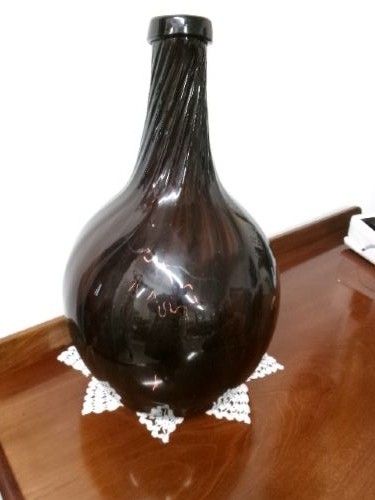
An 18th century apothecary vessel encompasses a diverse group of objects designed for storing medicines or grinding ingredients in medical practice. When searching for this phrase, buyers encounter storage jars, albarellos, and drug jugs alongside heavy mortars and pestles.
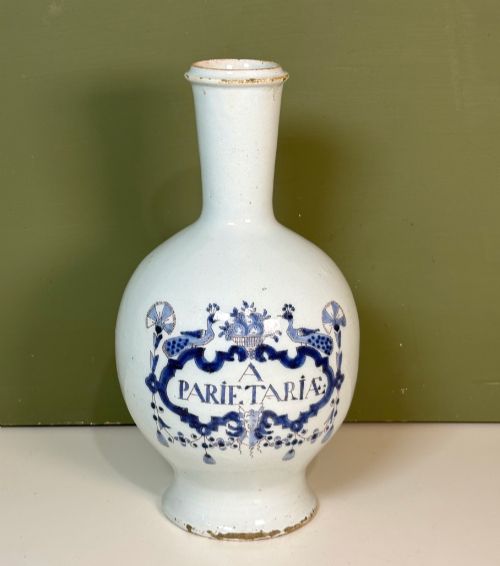
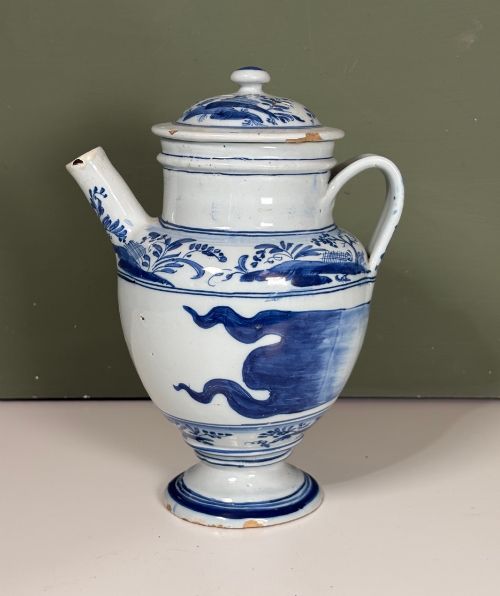
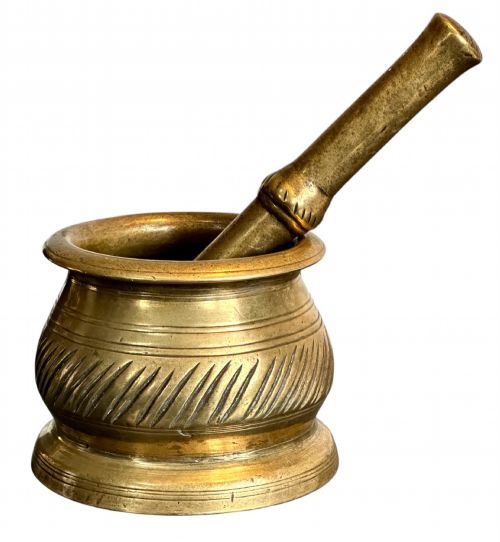
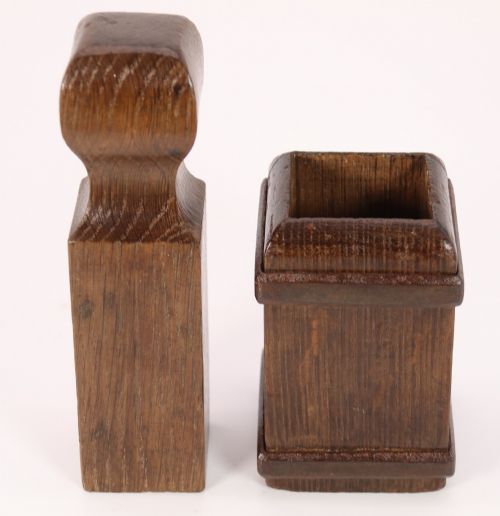
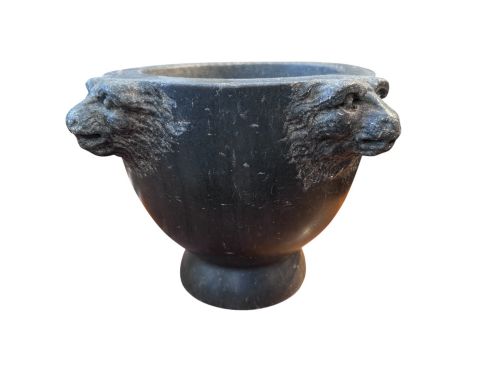
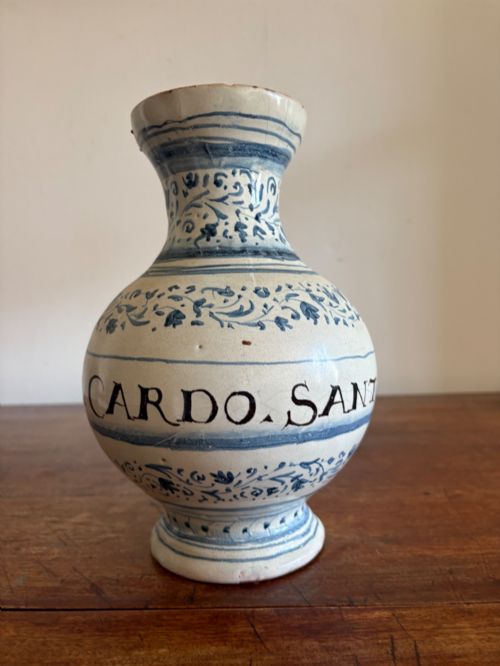
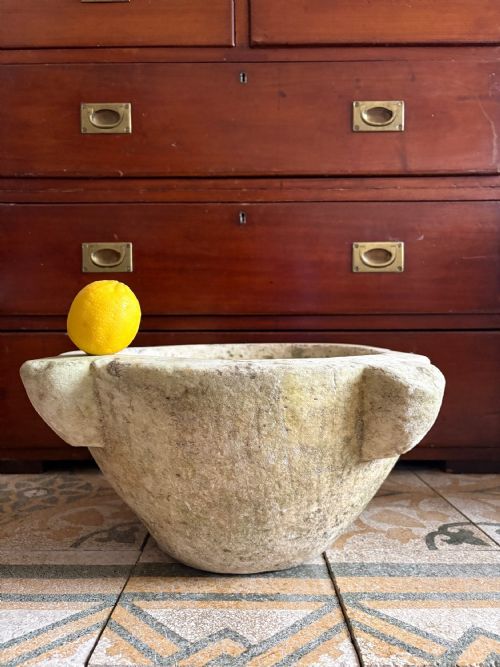
The selections on this page concentrate heavily on ceramic storage vessels and metal or stone grinding implements. Ceramic examples include English delftware and Italian majolica, while mortars appear in bronze, brass, iron, marble, oak, walnut, and stone.
Originating from English, Dutch, Italian, and French traditions, these pieces bridge domestic utility and early medical preparation. The forms range from small cylindrical jars labelled for specific syrups and balms to massive stone mortars intended for heavy apothecary use.
Materials and Construction
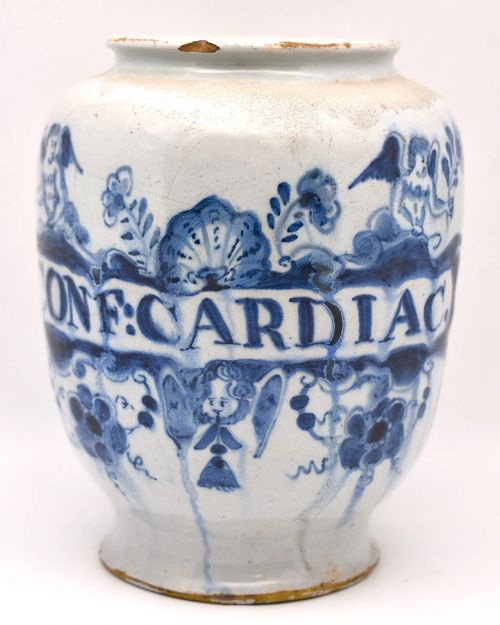
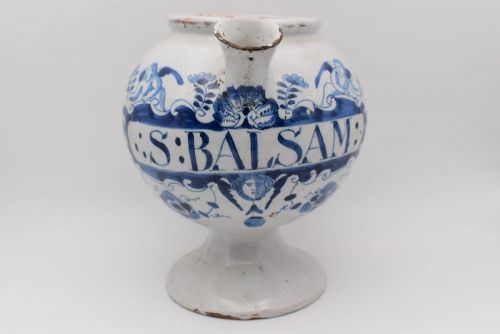
Ceramic vessels such as delftware and majolica employ earthenware bodies finished with tin glazes to create smooth surfaces for painted drug labels and decorative motifs. Potters shaped these on the wheel or in moulds before firing and applying cobalt blue or polychrome pigments.
Metal mortars rely on casting techniques in bronze, brass, or iron, often leaving surface textures that show the rough sand or clay moulds used by metalworkers. Wooden and stone versions depend on turning and carving, shaping dense materials like oak, walnut, and marble into solid working vessels.
18th Century Apothecary Vessel Retail Price Guide 2026
Typical asking prices for 18th century apothecary vessel among the pieces listed under this phrase on Sellingantiques today, from the lower quarter to the upper quarter. They describe what is for sale here now, not the wider market.
Listings feature tin-glazed earthenware, bronze, brass, marble, and wood across English, Italian, French, and Dutch origins.
Assessing Quality and Character
Quality in these vessels rests on the crispness of the modelled form and the clarity of the painted decoration. On ceramic jars, finer examples display well-drawn lettering, detailed cherub or shell motifs, and rich tin glazes without excessive pooling.
For mortars and pestles, substance and proportion dictate the distinction between everyday workshop tools and finer surviving examples. Heavier stone and bronze items show purposeful casting or carving, retaining the toolmarks and weight required for actual pharmaceutical labour.
The 18th Century Apothecary Vessel Glossary
- Albarello
- A type of majolica or tin-glazed earthenware jar originally used in pharmacies to hold ointments and dry drugs. Its waisted cylindrical shape allowed pharmacists to stack multiple jars efficiently on shelves.
- Drug jar
- A ceramic vessel specifically inscribed with the name of its medicinal contents, such as syrups or balms. These containers formed the backbone of 18th century apothecary shop displays.
- Tin glaze
- An opaque white glaze produced by adding tin oxide to a lead glaze, providing a clean surface for painted decoration. It defines the appearance of English delftware and Italian majolica.
- Mortar and pestle
- A paired set consisting of a heavy bowl and a club-shaped tool used for crushing and grinding substances. Apothecary versions were cast in metal, turned in wood, or carved from stone.
18th Century Apothecary Vessel: Frequently Asked Questions
What did apothecary vessels store?
These vessels held a variety of medical preparations, including dry drugs, ointments, balms, and specific medicinal syrups.
Pharmacists relied on labelled jars to keep remedies organised and protected from moisture in working apothecary shops.
How are bronze mortars dated?
Dating relies on stylistic clues, cast decorative bands, and recorded maker marks or royal ciphers found on the metal body.
Comparisons with dated examples help establish the decade of production for surviving pieces.
Where were these pieces made?
Evidence shows production spanning England, the Netherlands, France, and Italy during the seventeenth and eighteenth centuries.
Regional styles in tin-glazing and metal casting give clear indications of geographic origin.
How do I display an apothecary jar?
These vessels look best grouped on open wooden shelving where their painted labels and ceramic glazes can be appreciated.
Pairing ceramic jars with metal mortars creates a balanced display reflecting historic pharmacy interiors.