





Blue Pottery Drug Jar
A blue pottery drug jar is a ceramic vessel made to hold apothecary supplies, combining practical storage with hand-painted artistry.
Blue Pottery Drug Jar
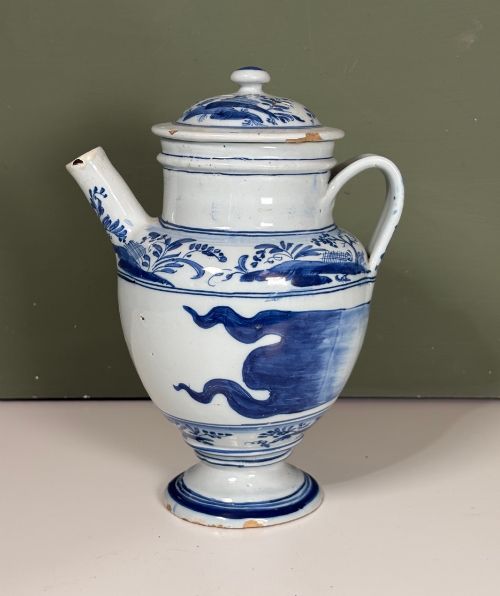
A blue pottery drug jar is a historical vessel designed to hold medicinal herbs, syrups, and ointments in early pharmacies and apothecaries. When searching for this phrase, collectors encounter various forms including cylindrical albarelli and handled wet jars used for liquid remedies.
The pieces on this page originate predominantly from the seventeenth and eighteenth centuries, reflecting the height of tin-glazed earthenware production. Examples span English delftware, Dutch Delft, and Italian majolica from centres such as Savona and Naples.
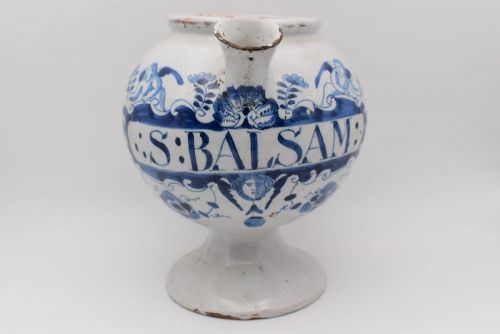
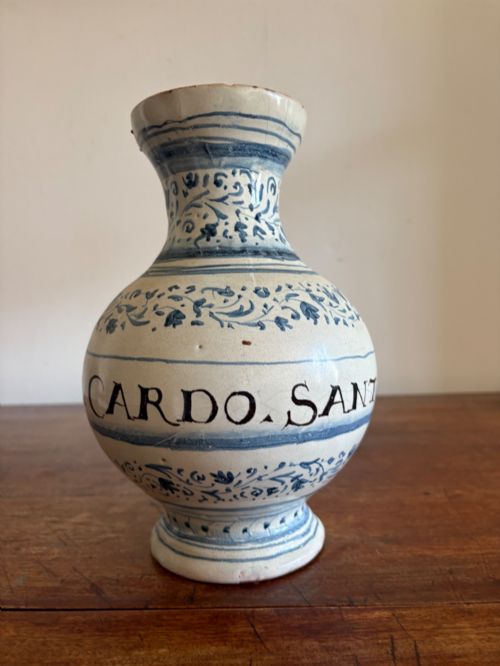
Makers shaped these containers to sit on apothecary shelves, often labelling the contents in Latin script amidst decorative mantling. Surviving pieces display the distinct aesthetic of Italian Baroque, Dutch Baroque, and Georgian design traditions.
How they were made
Potters shaped these vessels from earthenware clay on a wheel before applying a tin glaze that provided an opaque white surface. This coating created an ideal canvas for subsequent decoration.
Painters utilised cobalt pigment and cobalt oxide to apply blue designs directly onto the unfired tin glaze. The pieces then underwent kiln firing, which fused the pigments into the glaze and produced the characteristic deep blue coloration.
Blue Pottery Drug Jar Retail Price Guide 2026
Typical asking prices for blue pottery drug jar among the pieces listed under this phrase on Sellingantiques today, from the lower quarter to the upper quarter. They describe what is for sale here now, not the wider market.
Listings feature earthenware and tin-glazed earthenware pieces spanning the seventeenth and eighteenth centuries.
What varies in quality
Quality in these vessels rests upon the confidence and fluidity of the hand-painted cobalt decoration. Superior examples display crisp cartouches, detailed cherubs, and precise lettering, whereas lesser pieces show rushed brushwork and blurred lines.
The complexity of the form and the survival of the original glaze surface also determine the standing of a piece. Well-balanced proportions and rich, deep cobalt tones distinguish the finest jars from plainer utilitarian containers.
The Blue Pottery Drug Jar Glossary
- Albarello
- A cylindrical earthenware jar used in pharmacies to hold dry drugs and ointments. The waisted shape allowed pharmacists to grasp the vessel securely on crowded shelves.
- Tin Glaze
- A ceramic glaze made opaque by the addition of tin oxide. This white surface accepted cobalt painting cleanly before the final firing.
- Majolica
- European tin-glazed earthenware decorated with colourful metal oxides on a white background. Italian workshops produced notable examples of this tin-glazed pottery.
- Delftware
- Tin-glazed earthenware manufactured in the Netherlands and England, inspired by imported Chinese porcelain. English delft and Dutch Delft share similar production methods.
- Wet Drug Jar
- A pharmaceutical vessel featuring a spout or handle designed to store liquid medicines and syrups. These jars often included painted labels to identify specific contents.
Blue Pottery Drug Jar: Frequently Asked Questions
What were blue pottery drug jars used for?
These ceramic vessels held dry herbs, ointments, pills, and liquid medicines in historical apothecary shops. Pharmacists lined them on shelves for quick access during the preparation of remedies.
Each jar was clearly labelled so the apothecary could identify the medical contents at a glance. Their glazed surfaces protected the ingredients from moisture and contamination.
How do I date a drug jar?
Dating relies on stylistic clues such as the shape of the albarello, the form of the painted cartouche, and the specific shade of cobalt blue. Seventeenth-century pieces often feature bolder, looser painting styles compared to later eighteenth-century work.
Examining the tin glaze and the base fabric provides additional context for the period of manufacture. Comparing the lettering style to known examples helps narrow down the origin.
Are these jars waterproof?
The tin glaze applied to the earthenware body creates a sealed surface suitable for holding dry goods and many liquids. Over centuries, however, porous earthenware beneath the glaze can absorb moisture if exposed to damp conditions.
Historical jars are best treated as decorative display pieces rather than utilised for practical storage today. Preserving the fragile glaze prevents further deterioration.
How should I display a drug jar?
Place these vessels on sturdy shelves or cabinets away from direct sunlight and areas of high humidity. Adequate support prevents accidental tipping, as many historical ceramic bodies are relatively heavy.
Positioning the jar to highlight the painted label or decorative cartouche showcases the craftsmanship. Pairing them with similar tin-glazed earthenware creates a coherent historical display.
What is the difference between wet and dry jars?
Dry jars are typically straight-sided albarelli designed to hold powders, ointments, and solid medicines that could be scooped out. Wet jars feature spouts or handles intended for pouring liquid syrups and oils.
The shape directly reflects the physical state of the medicine the vessel originally contained. Both types formed essential parts of historical apothecary sets.