


Blue White Tin Glaze
Blue white tin glaze pottery spans centuries of earthenware traditions, offering collectors hand-painted cobalt designs on opaque white surfaces.
Blue White Tin Glaze
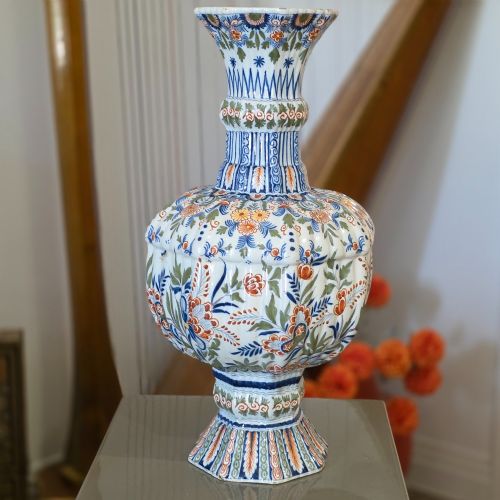
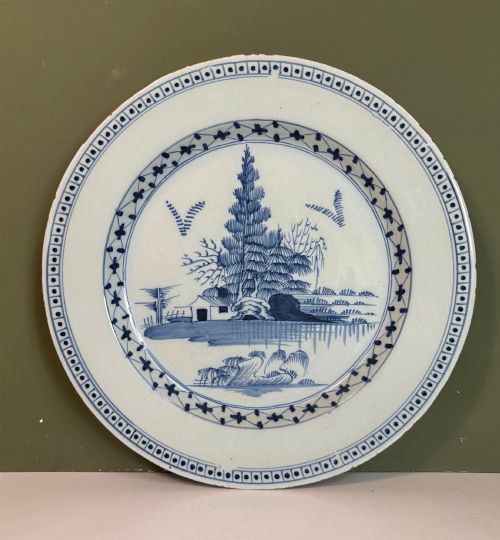
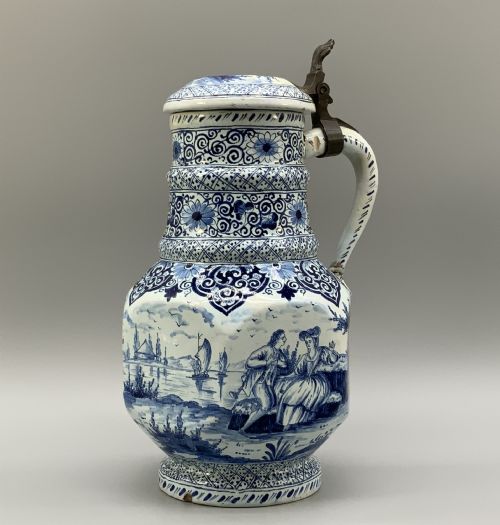
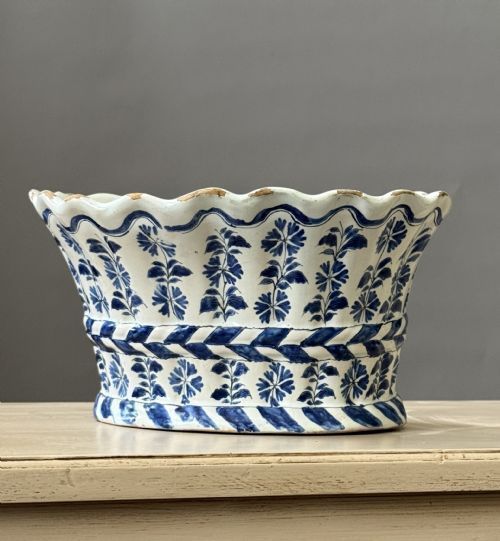
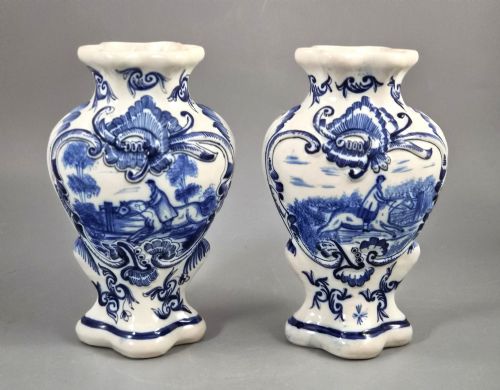
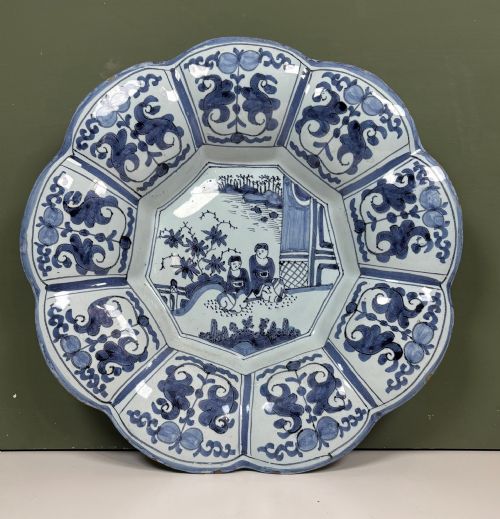
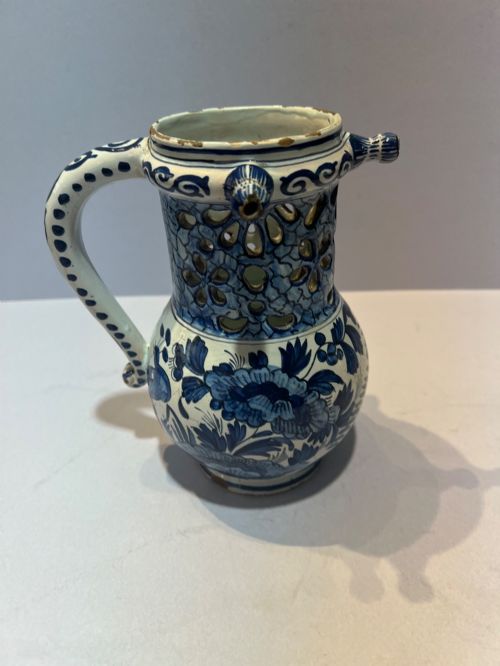
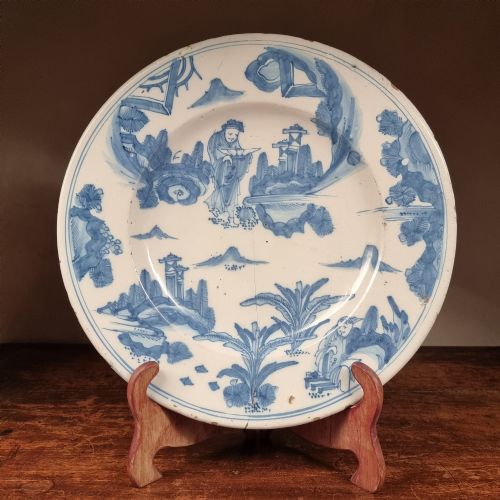
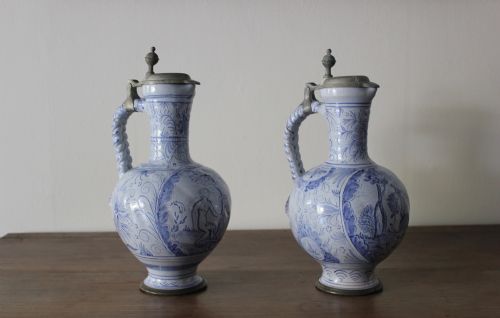
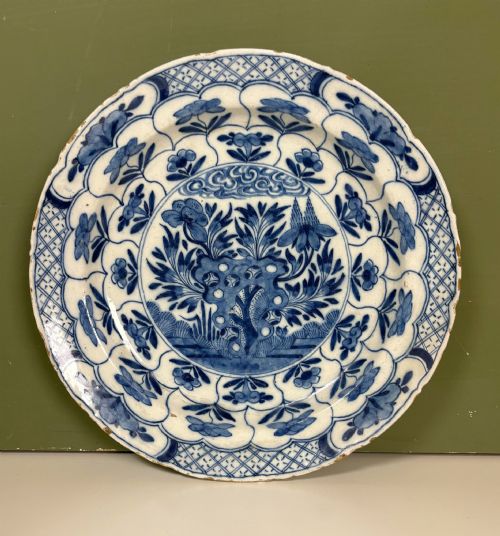
When searching for blue white tin glaze, buyers encounter earthenware vessels coated with an opaque white metallic glaze, painted with cobalt pigment. These objects include chargers, apothecary jars, vases, and bowls spanning several centuries.
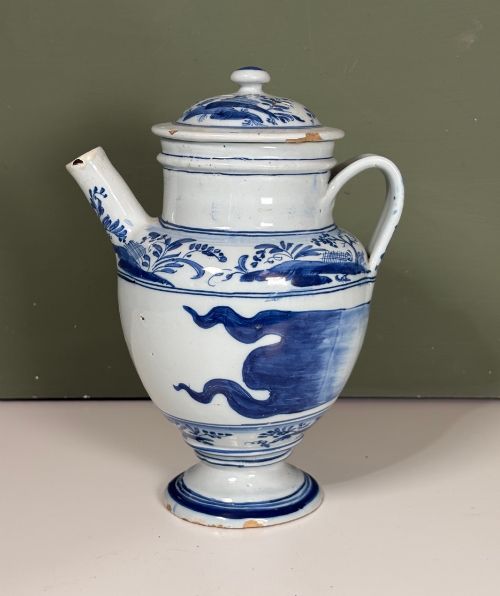
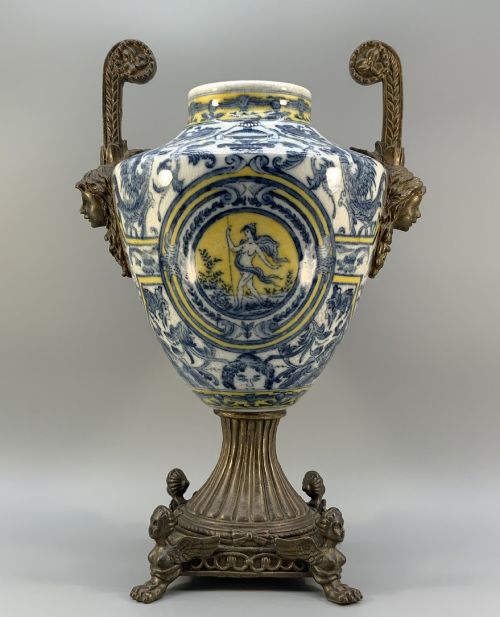
The material traditions here encompass English, Dutch, and French production centres, ranging from early seventeenth-century utilitarian drug jars to nineteenth-century decorative faience and delftware. Domestic items and display pieces dominate the selection.
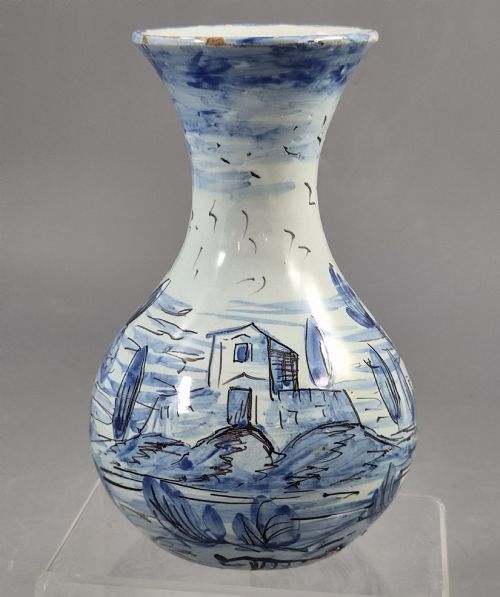
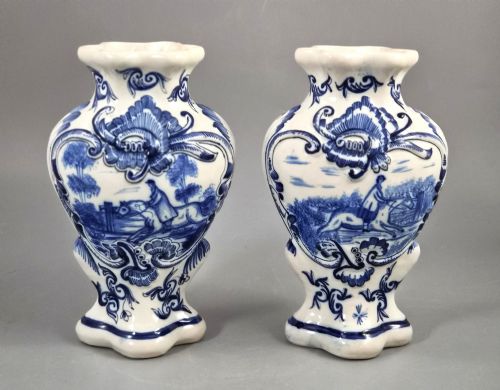
Dutch delftware and French faience represent the most frequent discoveries in this category, often featuring floral motifs, chinoiserie scenes, or historical subjects rendered in varying shades of blue.
Materials and Techniques
Potters formed the body from earthenware clay, which was then fired before receiving a liquid tin oxide glaze that dried to an opaque white surface. This absorbent layer required skilled brushwork, as the cobalt pigment sank permanently into the glaze upon contact.
Painters applied cobalt oxide designs directly onto the unfired tin surface, allowing the pigment to fuse with the glaze during a second kiln firing. This technique produced soft, blurred edges around the blue painted lines.
Listings feature earthenware materials alongside tin-glazed finishes and cobalt pigment across eighteenth and nineteenth-century periods.
Assessing Quality and Execution
Quality rests in the crispness of the cobalt painting and the stability of the tin glaze over the earthenware body. Superior examples display confident brushstrokes and balanced compositions without heavy pooling or running of the pigment.
The thickness and opacity of the white glaze also determine refinement, where smoother surfaces without excessive pitting or crazing elevate a piece above standard utilitarian wares.
Cantagalli·Fourmaintraux Courquin
The Blue White Tin Glaze Glossary
- Tin-Glaze
- An earthenware ceramic coating rendered opaque by the addition of tin oxide, providing a white background for painted decoration.
- Delftware
- Tin-glazed earthenware originating from the Netherlands or England, traditionally decorated in blue and white.
- Faience
- A French term for tin-glazed earthenware, encompassing diverse regional styles and decorative objects.
- Cobalt Pigment
- A metallic oxide used under the glaze to produce deep blue painted designs on ceramic surfaces.
- Charger
- A large decorative plate intended for display on a wall or dresser rather than for dining use.
Blue White Tin Glaze: Frequently Asked Questions
What is blue white tin glaze?
Blue white tin glaze refers to earthenware ceramics coated in a white metallic glaze and decorated with cobalt blue pigment. These pieces were produced across European workshops for decorative and domestic utility.
The tradition includes chargers, apothecary jars, and vases made in England, France, and the Netherlands over multiple centuries.
How do I care for these ceramics?
These tin-glazed earthenware objects require gentle handling and dry dusting to protect the porous ceramic body and historic glaze. Keep them away from moisture and harsh cleaning agents.
Display them on stable surfaces or secure wall mounts, as the earthenware can chip or absorb liquids if exposed to damp conditions.
Are these pieces waterproof?
Most historic tin-glazed earthenware is porous and not reliably waterproof due to age and the nature of the earthenware body. Using them for dry display or artificial arrangements preserves the material.
Introducing water to antique drug jars or vases can cause moisture to penetrate the glaze and damage the historic clay underneath.
How can I tell old delftware apart?
Distinguishing periods involves examining the clay body weight, the tone of the tin glaze, and the style of the cobalt painting. Earlier pieces often display softer glazes and hand-thrown irregularities.
Later nineteenth-century revivals and continental faience exhibit different blue hues and potting techniques that reflect their specific production eras.