
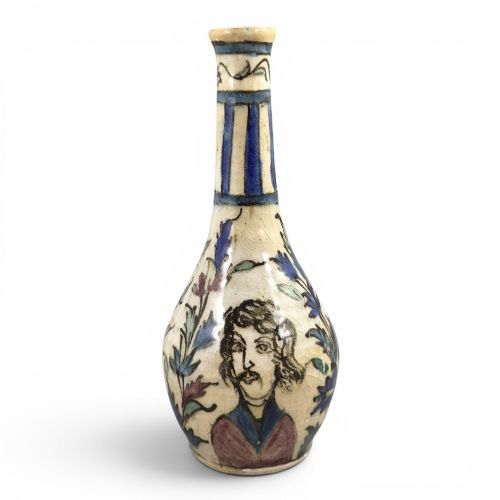
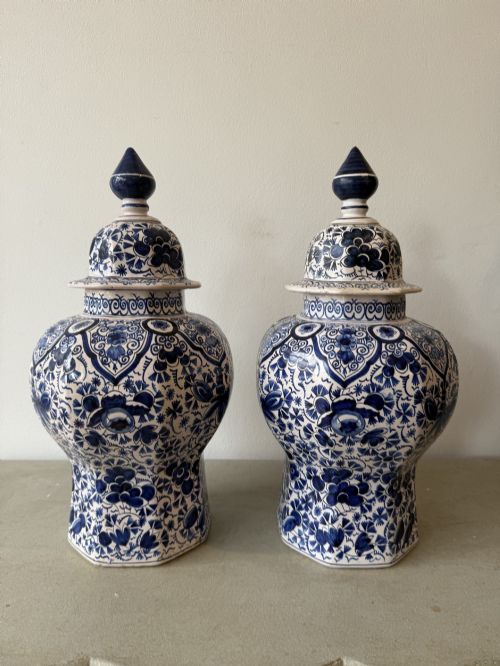


Blue White Pottery Vase
A blue white pottery vase brings centuries of ceramic tradition into a room, offering functional display through tin-glazed earthenware, porcelain, and stoneware.
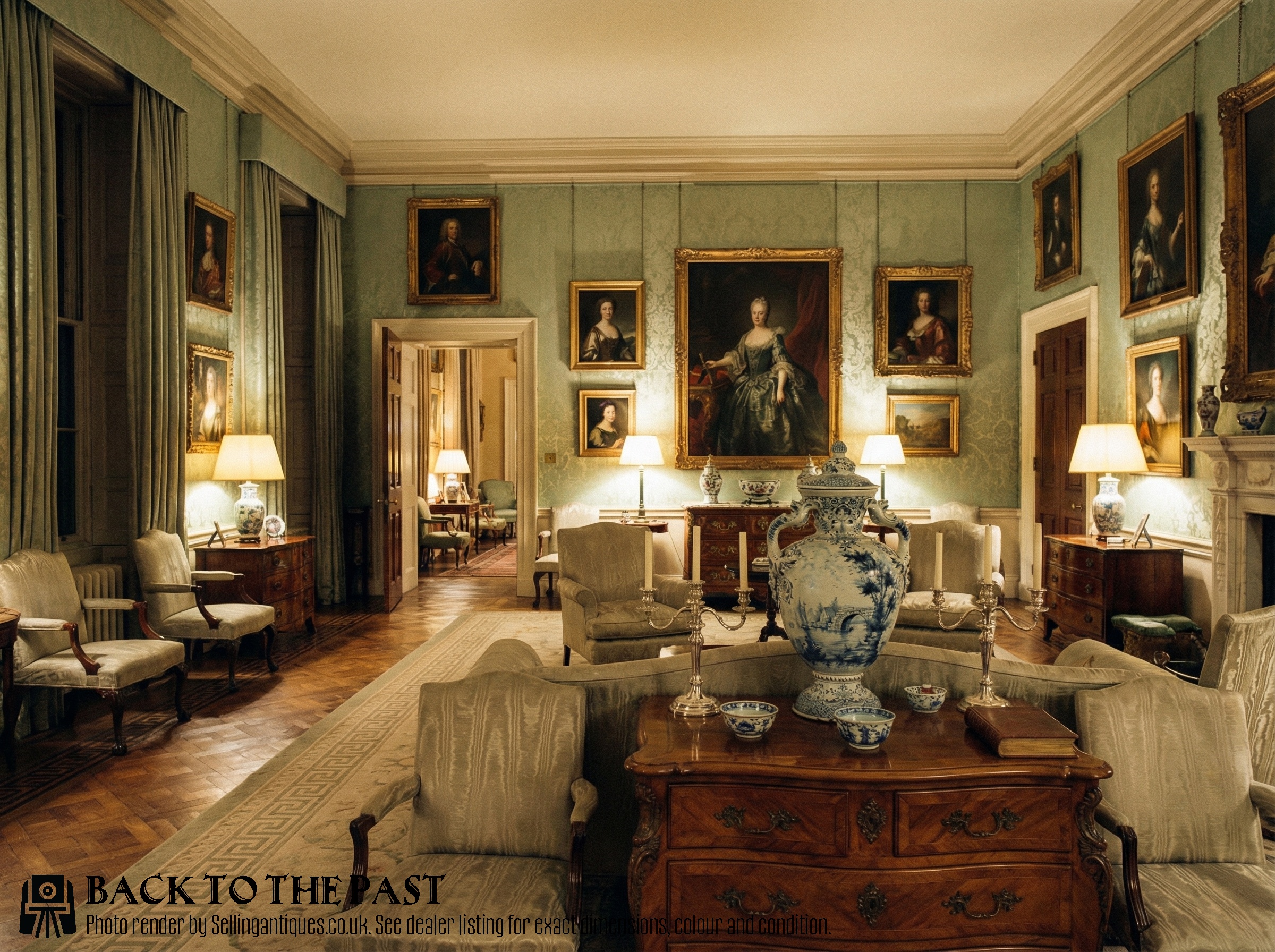
Blue White Pottery Vase
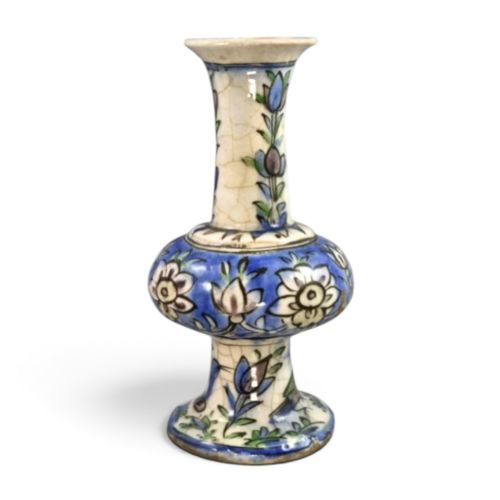
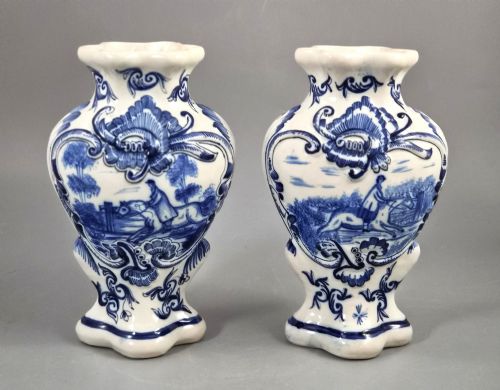
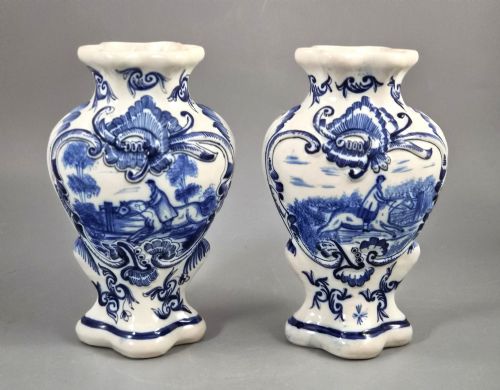
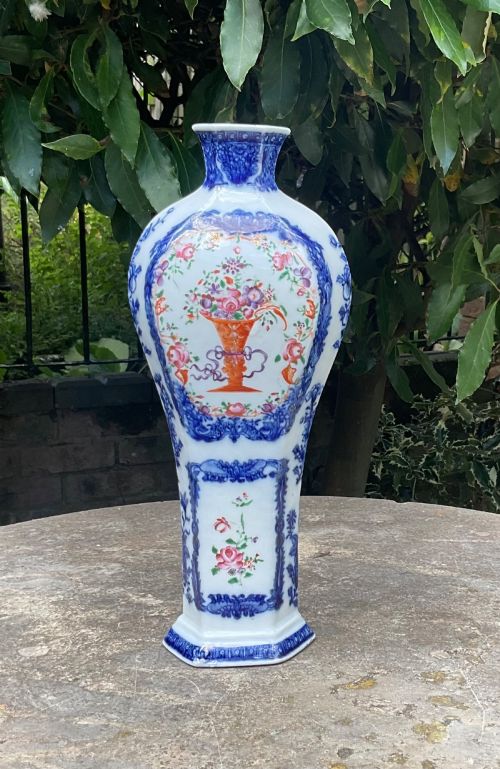
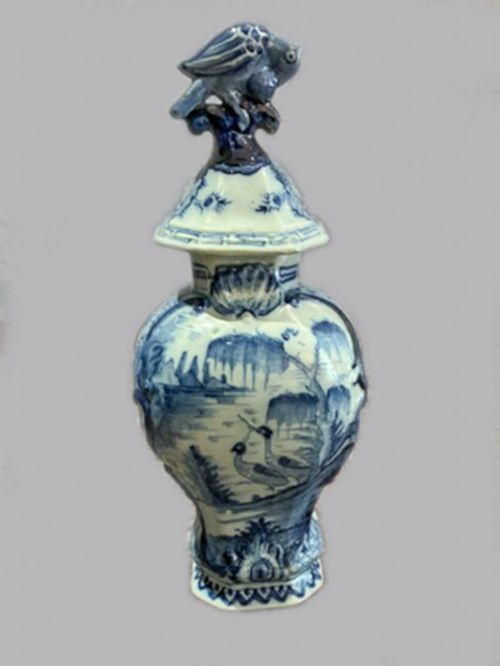
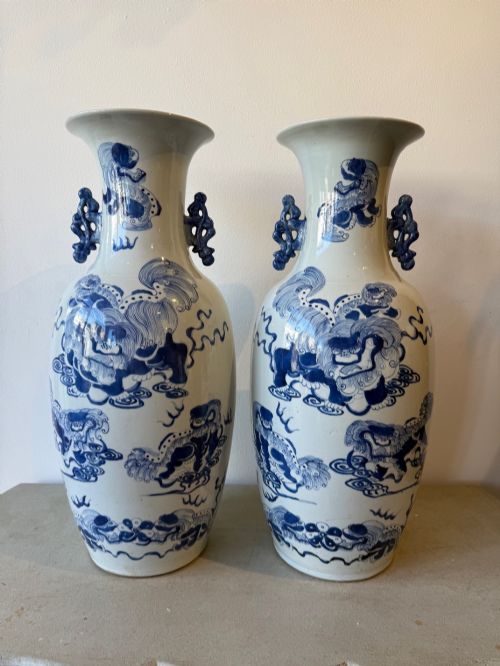
A blue white pottery vase encompasses a broad sweep of historical production, stretching from seventeenth-century Dutch Delftware and Chinese export wares to nineteenth-century European faience and English ironstone. Collectors encounter standard baluster vessels, lidded jars, apothecary albarelli, and tall beaker shapes designed for display or floral arrangement.
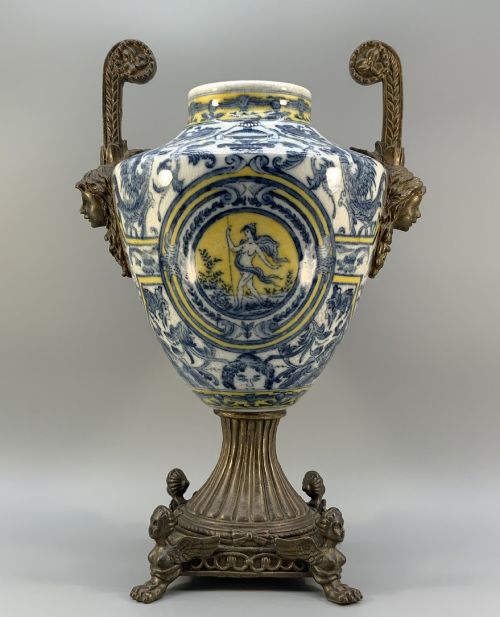
The objects on this page bridge multiple continents and centuries, including pieces originating from English potteries, Italian kilns, French factories, and Asian dynasties. Domestic British examples sit alongside continental European revivals and imports, reflecting global trade routes in cobalt decoration.
Materials and Technique
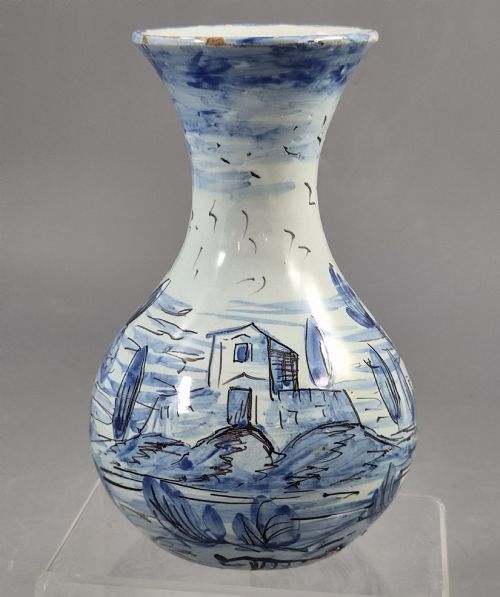
Potters built these vessels using ceramic, earthenware, porcelain, and tin-glazed earthenware bodies, often applying tin glaze or cobalt glaze directly to the clay before firing. Many seventeenth and eighteenth-century examples rely on tin glaze to create an opaque white surface that mimics Chinese porcelain imports.
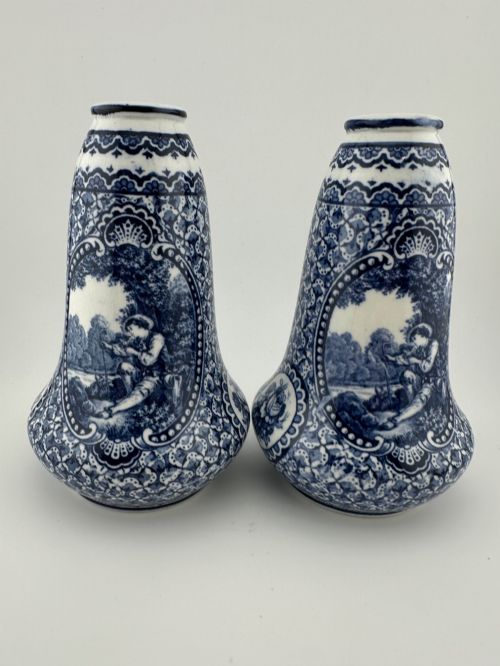
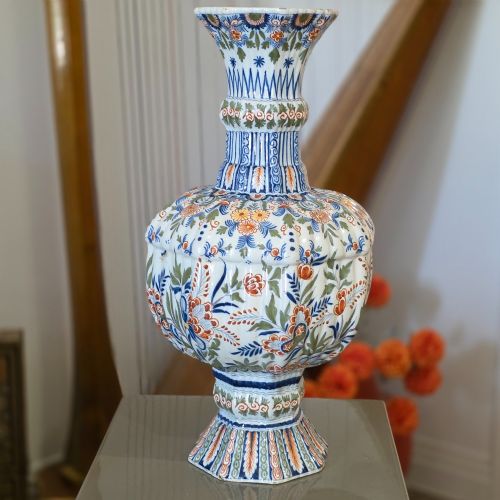
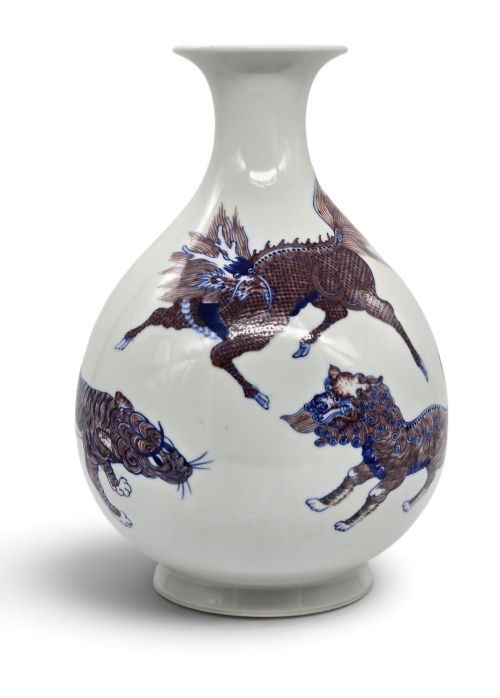
Decoration relies on underglaze blue painting, transfer printing, and occasionally copper-red highlights or bronze mounts applied during later nineteenth-century revivals. Pigments fuse with the glaze during high-temperature kiln firings, creating durable surfaces that survive across centuries.
Quality and Execution
Quality rests primarily on the crispness and control of the painted or transfer-printed cobalt decoration, where fluid brushwork or precise detail distinguishes superior outputs from hurried production. Potters who achieved deep, vibrant blues without running into the surrounding glaze demonstrated advanced kiln mastery.
The fineness of the ceramic body and the uniformity of the glaze application further separate standard utilitarian containers from exceptional cabinet pieces. Surviving lids, original matching pairs, and well-preserved bronze or brass mounts add distinct levels of desirability.
Royal Bonn Franz Anton Mehlem·Cantagalli·Fourmaintraux-Courquin·Makuzu Kozan·Wedgwood·Adams
The Blue White Pottery Vase Glossary
- Albarello
- A cylindrical earthenware jar used by apothecaries and pharmacies to store drugs and ointments. These vessels typically feature a waisted centre for easy handling.
- Baluster
- A vase form characterised by a swelling lower body that tapers towards a narrow neck and flared rim. This classic silhouette appears frequently in Dutch and Chinese ceramics.
- Chinoiserie
- European artistic interpretations of Chinese and East Asian decorative motifs. Artisans applied these imaginative landscapes and figures extensively to tin-glazed earthenware.
- Faience
- European tin-glazed earthenware produced primarily in France, Italy, and other continental regions. The technique creates a white background suitable for hand-painted cobalt designs.
- Tin-Glaze
- A ceramic glaze made opaque by the addition of tin oxide. This coating provides a smooth white surface that accepts painted cobalt decoration before the final firing.
Blue White Pottery Vase: Frequently Asked Questions
How were blue white pottery vases used historically?
These vessels served diverse roles ranging from household display and floral arrangement to medicinal storage in apothecary shops. Lidded jars and apothecary albarelli held dry drugs, herbs, and liquid remedies before transitioning into purely decorative cabinet pieces.
Larger urns and beaker sets decorated formal interiors, often displayed on mantelpieces or cabinets to signal wealth and a taste for global trade items.
How can I distinguish Dutch Delft from English Delftware?
English delftware, such as pieces from Lambeth potteries, often utilises a slightly warmer, pinkish or buff-toned earthenware body beneath the tin glaze. Dutch production from Delft frequently displays sharper cobalt brushwork and distinct regional maker marks.
Examination of the unglazed base ring often reveals clues regarding clay composition and kiln furniture scars characteristic of specific manufacturing regions.
What does a Gu shaped vase look like?
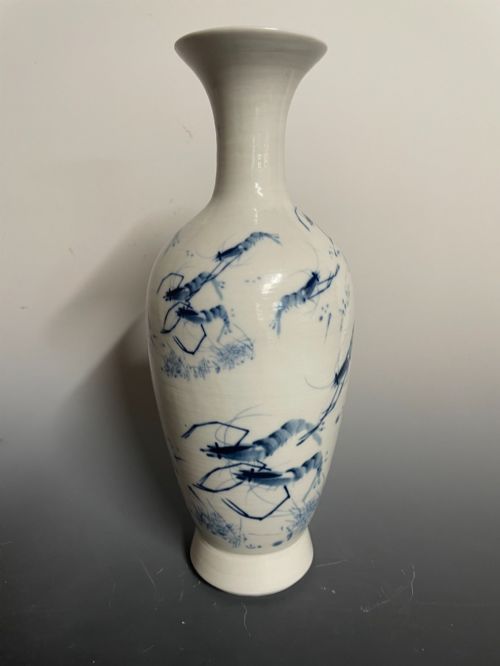
A Gu shaped vase is an archaic Chinese ritual bronze form adapted by later ceramicists, featuring a flaring trumpet mouth, a narrow central stem, and a wider splayed base. Potters in the Qing Dynasty and later revival periods reproduced these elegant silhouettes in underglaze blue porcelain.
The balanced proportions and geometric transition points make this specific beaker form instantly recognisable among Asian export ceramics.