




Antique Islamic Ceramics
Antique islamic ceramics bring centuries of Middle Eastern artistry into a modern room, offering striking forms and deep glazes.
Antique Islamic Ceramics
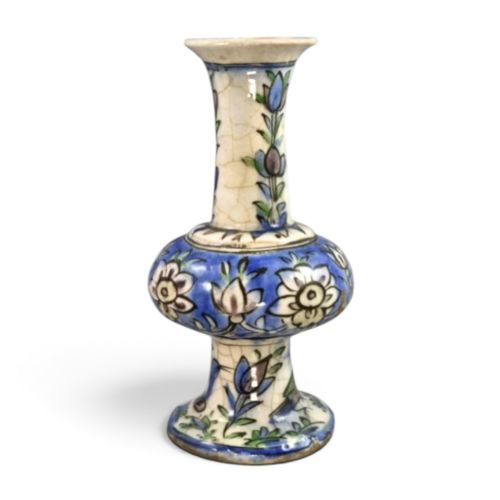
Antique islamic ceramics encompass a rich variety of vessels, tiles, and decorative bowls originating from Persia and surrounding regions across several centuries. When exploring antique islamic ceramics, collectors frequently encounter early earthenware bowls alongside later Qajar and Safavid dynasty pieces.
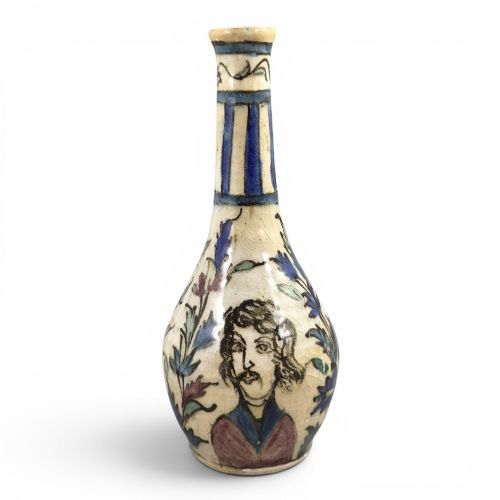
The selection ranges from tenth-century Nishapur buffware to nineteenth-century Qajar portrait vases and architectural tiles. These objects demonstrate the diverse aesthetic traditions and technical ambitions of potters working across different Islamic dynasties.
Materials and construction
Potters utilised earthenware and fritware as primary bodies, shaping them into distinctive vases, bowls, and tiles. Fritware, or stonepaste, allowed for finer detail and thinner walls than traditional clay bodies.
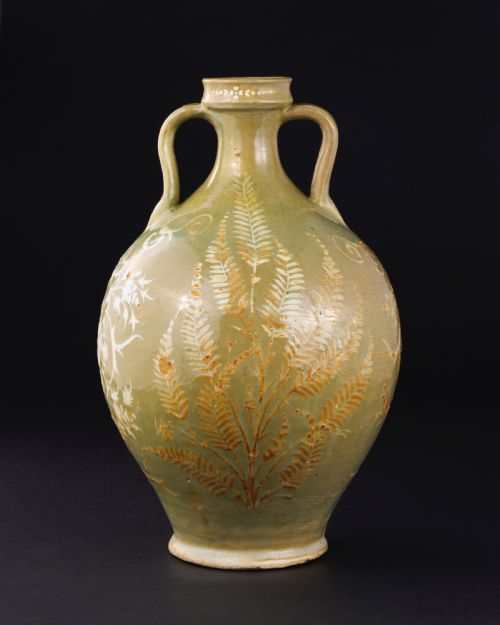
Surfaces received intricate decoration through slip-painting, metallic oxides, and elaborate glazes including tin glaze and turquoise washes. Underglaze painting and lustre techniques created the shimmering metallic sheen seen on many classical pieces.
Materials represented include earthenware, fritware, tin glaze, and metallic oxides.
Assessing quality and execution
Quality rests in the precision of the brushwork, the stability of the glaze, and the sophistication of the decorative schema. Pieces featuring finely rendered figures, horses, or legible script display a higher grade of artistic mastery.
The chemical complexity of the glaze and the success of the firing determine the visual depth of the surface. Superior examples maintain crisp iconography and harmonious colour relationships across the entire object.
The Antique Islamic Ceramics Glossary
- Fritware
- A composite ceramic material made from quartz, clay, and glass frit. This mixture provided a bright white ground that supported detailed painting and thin vessel walls.
- Lustre
- A type of pottery decoration that imparts a metallic sheen through the application of silver and copper oxides during a specialised reduction firing.
- Slip
- A liquid mixture of clay and water applied to the surface of pottery before firing to smooth the body and provide a background for painting.
- Safavid
- A Persian ruling dynasty noted for significant artistic achievements in ceramics, textiles, and architecture between the sixteenth and eighteenth centuries.
- Qajar
- The Iranian royal dynasty reigning from the late eighteenth to the early twentieth century, known for figurative painting and portraiture on ceramics.
Antique Islamic Ceramics: Frequently Asked Questions
How do I date an early pottery bowl?
Dating relies heavily on the clay body, the style of the slip or glaze, and the specific iconography employed by the workshop.
Comparison with documented examples from sites like Nishapur or Kashan helps establish the correct century.
Were these vessels used for dining?
Many larger bowls and vessels served functional purposes in domestic life, while others held decorative or architectural roles.
Tiles and wall plaques were specifically created to adorn the interiors of buildings.
How should I display antique tiles?
Tiles can be mounted securely on specialist stands or set into custom wall mounts to protect their edges.
Stable indoor humidity and distance from direct heat sources ensure the glaze remains preserved.