




Blue Glazed Ceramic Bottle
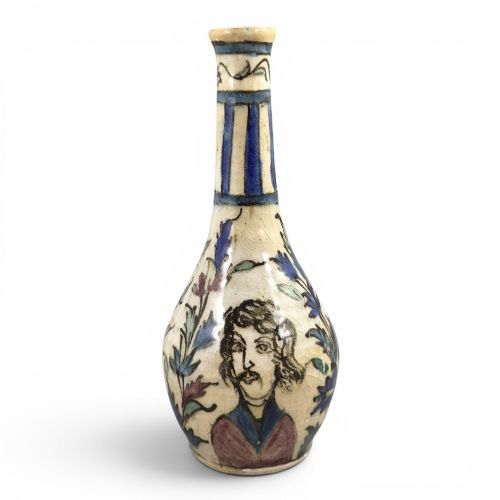
A blue glazed ceramic bottle brings deep cobalt colour and historical form to a room, ranging from English Delftware to Persian Qajar pottery.
Blue Glazed Ceramic Bottle
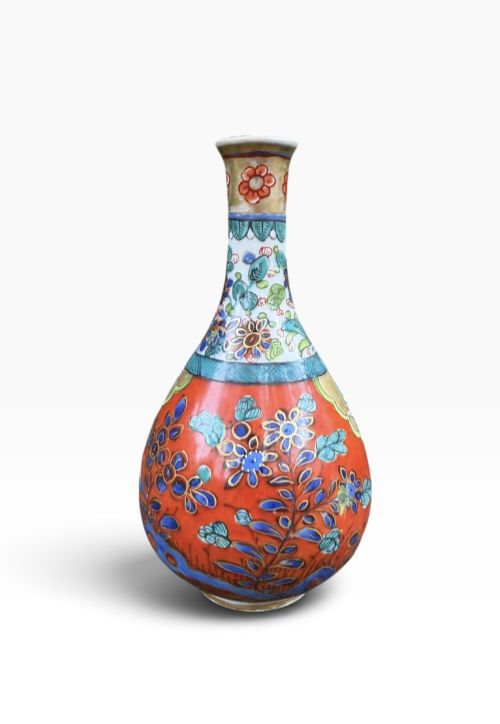
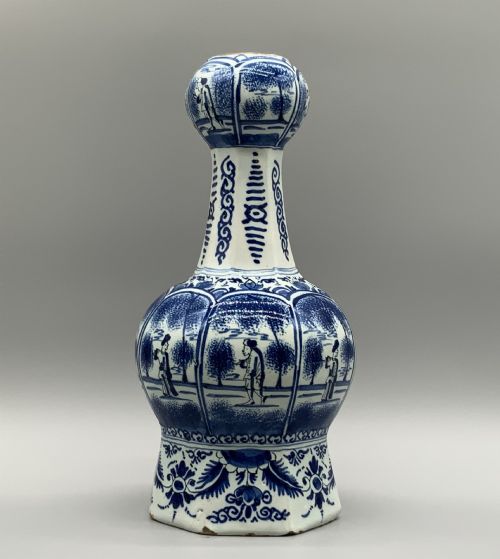
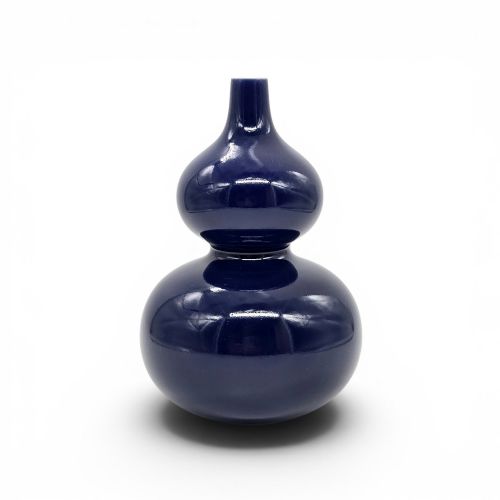
When you search for a blue glazed ceramic bottle, you encounter vessels that span several centuries and diverse global ceramic traditions. The examples available here encompass apothecary jars, tea caddies, double-gourd vases, and drug pharmacy jars.
You are most likely to meet pieces originating from European tin-glazed earthenware traditions, Chinese porcelain production, and Middle Eastern workshops. These vessels were originally made for storage, medicine, or display, carrying rich cobalt and turquoise decoration.
The periods represented stretch from the seventeenth century through to the early twentieth century. This includes specific stylistic expressions such as Italian Baroque, Japanese Imari, and Chinese Qing dynasty forms.
How they were made
Makers shaped these vessels using ceramic, porcelain, stoneware, and tin-glazed earthenware, applying mineral pigments directly onto the clay body or over an opaque white glaze. Cobalt glaze and enamel pigments provided the vibrant blue tones that define the group.
Techniques varied by region, from the intricate hand-painting seen on Italian Majolica and English Delftware to the incised stylised peonies on monochrome turquoise Chinese vases. Firing methods allowed the glaze to vitrify, producing smooth, glossy surfaces that have survived intact for centuries.
Some apothecary jars still carry abbreviated Latin inscriptions for ingredients like ground-up beetle shells.
What varies in quality
The fineness of the potting and the precision of the hand-painted decoration separate the exceptional examples from standard production. Crispness in the cobalt brushwork and stability in the glaze application indicate superior workshop standards.
Historical significance and condition play major roles in distinguishing individual pieces. Intact surfaces with minimal restoration and clear stylistic attribution command greater attention from collectors.
The Blue Glazed Ceramic Bottle Glossary
- Albarello
- A type of majolica earthenware jar used by apothecaries to hold ointments and dry drugs. These vessels typically feature a waisted cylindrical body for easy gripping.
- Tin-Glazed Earthenware
- Pottery covered with a glaze made opaque by the addition of tin oxide. This white surface provided a smooth ground for painting in blue and other metal oxides before firing.
- Double-Gourd
- A vessel shape consisting of two bulbous spheres stacked one upon the other, resembling a traditional East Asian water container. This form is particularly associated with Chinese porcelain production.
- Faience
- European tin-glazed earthenware, produced extensively in France, Italy, and the Netherlands. The term encompasses both decorative vases and apothecary vessels.
- Imari
- A style of Japanese export porcelain characterised by underglaze blue and overglaze iron red, gold, and auxiliary colours. These pieces were widely exported to Europe from the Edo period onward.
Blue Glazed Ceramic Bottle: Frequently Asked Questions
How were apothecary jars used?
Apothecaries used these ceramic bottles and jars to store dried herbs, syrups, and medicinal compounds in pharmacies and dispensaries. Their inscribed labels identified the contents for the practitioner.
Over time, many of these utilitarian vessels transitioned into decorative objects prized for their hand-painted cobalt inscriptions and rich historical associations.
How do I identify seventeenth-century pieces?
Seventeenth-century examples often display the characteristic tin-glaze of English Delftware, Dutch faience, or Italian majolica. These pieces exhibit specific potting irregularities and pigment depths typical of early European workshops.
Examining the base and the interaction between the glaze and the clay body helps confirm the manufacturing era.
What is Chinese blue and white porcelain?
Chinese blue and white porcelain involves painting cobalt oxide designs directly onto the white clay body before applying a clear glaze and firing at high temperatures. This technique achieved deep blue tones beneath a lustrous finish.
Dynastic periods and imperial marks often provide a chronological framework for dating these fine porcelain vessels.
How do I care for antique ceramics?
Antique ceramics require gentle handling and stable environmental conditions away from direct sunlight and sudden temperature shifts. Dusting with a soft, dry cloth is usually sufficient for regular maintenance.
Avoid using water or cleaning solutions on unglazed areas or historic restorations to preserve the integrity of the material.