
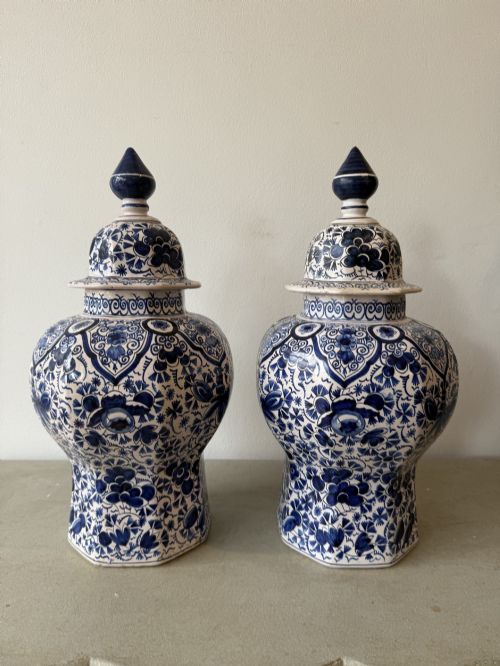


Antique Dutch Earthenware Urn
These antique dutch earthenware urn pieces bring vibrant blue and white decoration to interiors through centuries of ceramic tradition.
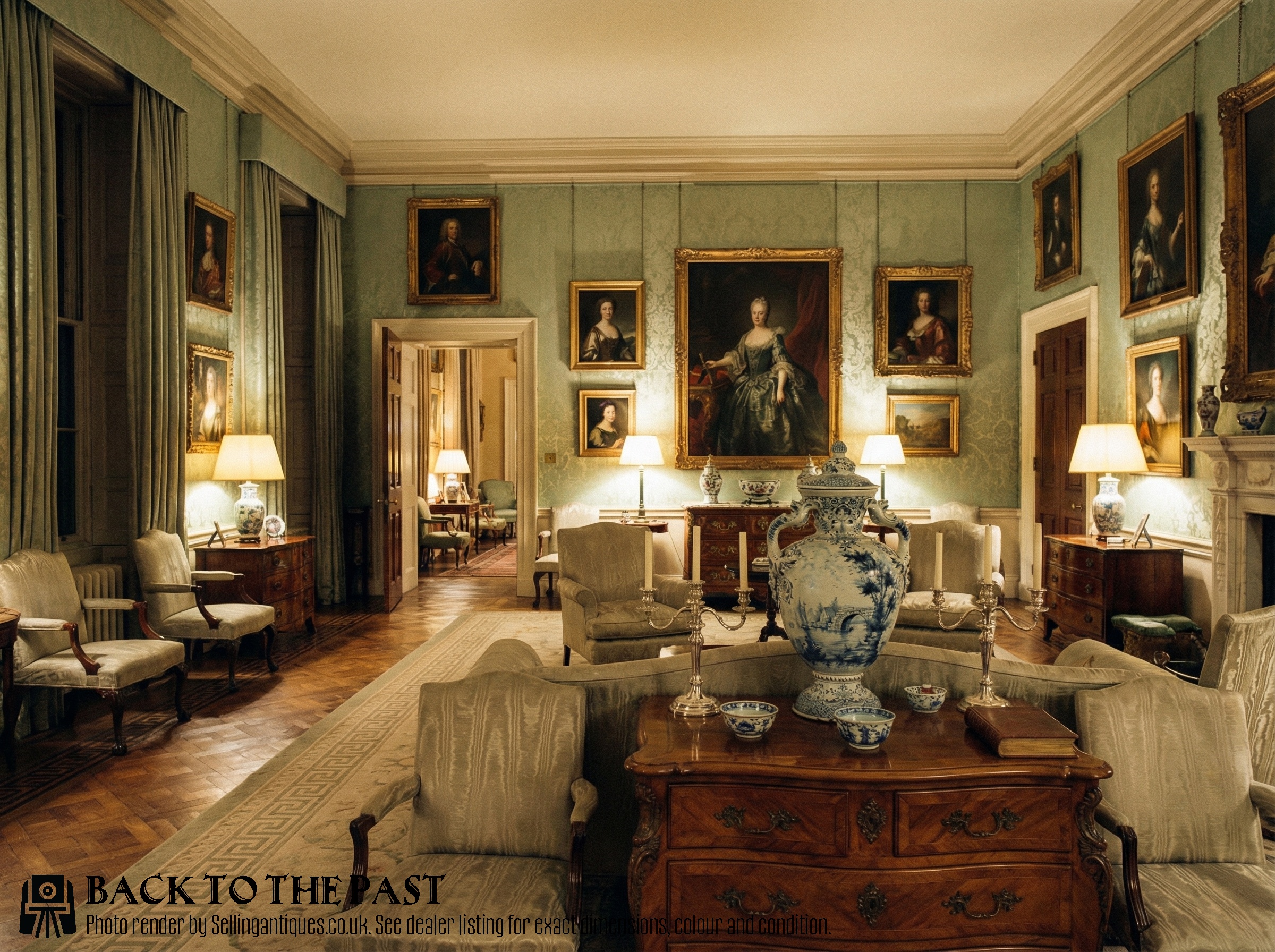
Antique Dutch Earthenware Urn
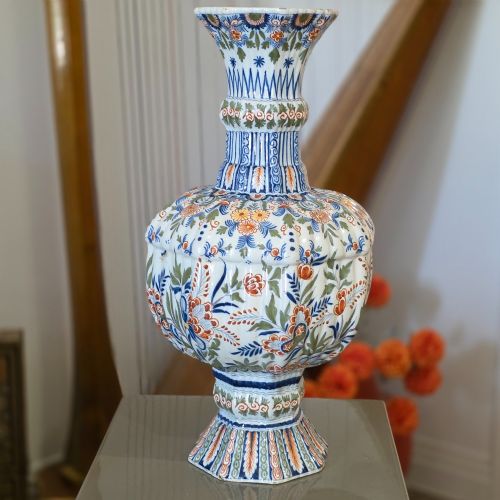
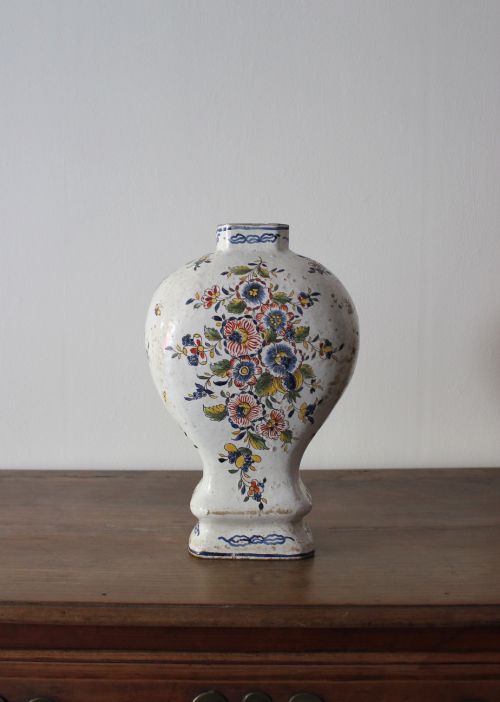
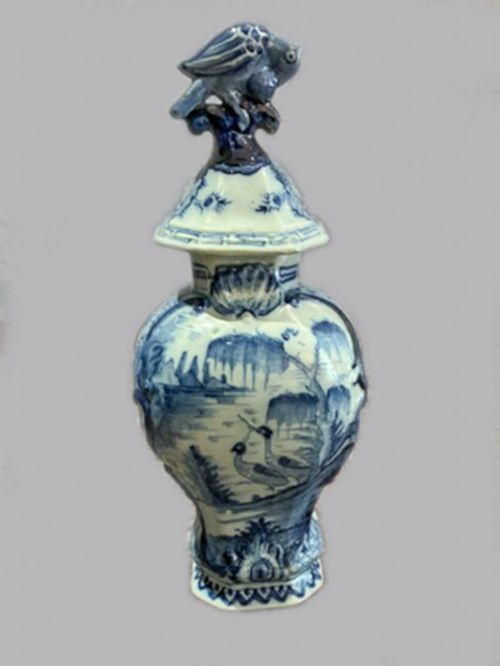
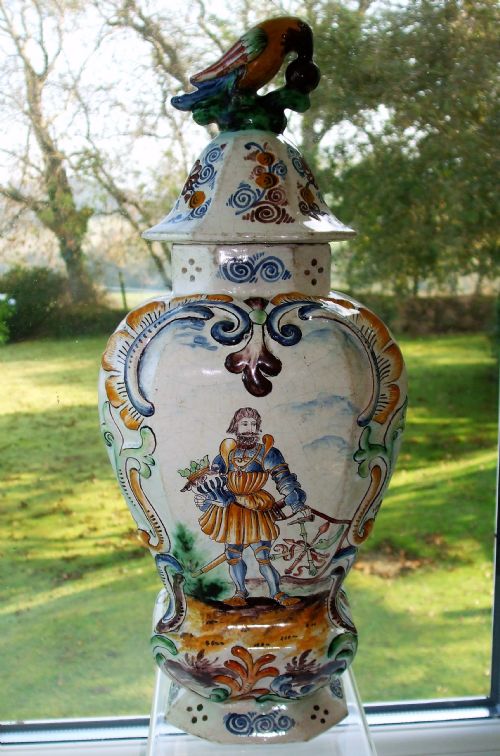
An antique dutch earthenware urn selection spans 17th century origins to 20th century examples, featuring traditional forms such as baluster vases, lidded jars, beaker vases, and garden planters. Buyers encounter pieces decorated in blue and white or polychrome palettes, frequently drawing on Chinoiserie motifs, alongside occasional table lamps adapted from earlier vessels.
The material record shows tin-glazed earthenware and faience, sometimes accompanied by brass and hardwood mountings or fittings. Objects range from large garden urns and handled vessels to pairs of lidded jars created across the 18th and 19th centuries.
What varies in quality
Quality rests in the crispness of the hand-painted brushwork and the smoothness of the tin glaze across the earthenware body. Stronger examples display confident cobalt or polychrome detailing with well-balanced proportions on baluster or beaker forms.
Condition and completeness also separate pieces, particularly regarding original lids on jars and urns, and the stability of the glaze over centuries of handling.
The Antique Dutch Earthenware Urn Glossary
- Delftware
- Tin-glazed earthenware produced in the Netherlands, traditionally featuring white backgrounds painted with blue or polychrome designs. This pottery tradition emulates imported Chinese porcelain.
- Baluster
- A vase form characterised by a swollen lower portion that tapers towards a narrow neck and flaring rim. This shape provides stability and visual balance.
- Faience
- European tin-glazed earthenware similar in technique to delftware, often associated with French and Dutch pottery traditions. The term describes ceramics coated in an opaque white glaze.
- Chinoiserie
- European artistic style reflecting Chinese motifs and imaginary landscapes, frequently painted in blue on Dutch earthenware vessels. Artisans adapted these oriental designs during the seventeenth and eighteenth centuries.
- Polychrome
- Decoration employing multiple colours rather than a single hue, seen on select antique earthenware pieces alongside traditional blue and white schemes. This palette adds complexity to floral and avian scenes.
Antique Dutch Earthenware Urn: Frequently Asked Questions
How were dutch earthenware urns used?
Historic households utilised these vessels for interior decoration, holding dried botanicals, or storing dry goods such as tobacco in specialised jars. Large examples functioned as garden planters or prominent mantelpiece ornaments.
Over time, some surviving vessels were converted into table lamps while retaining their original ceramic bodies and hand-painted glaze decoration.
How do I identify seventeenth century pieces?
Seventeenth century examples often exhibit specific stylistic markers such as early Chinoiserie motifs involving birds and flowers painted in deep blue on tin-glazed earthenware bodies. The weight, glaze consistency, and potting techniques align with seventeenth century Dutch Delftware production methods.
Examining the foot rim and glaze characteristics helps distinguish these early works from later nineteenth century reproductions or revival pieces.
Are lids usually original to the urn?
Lids on antique jars and urns can be contemporary replacements or marriage pieces due to the fragility of ceramic covers over centuries of use. Matching the glaze tone, crackle pattern, and potting style helps determine whether a lid belongs to the base vessel.
Listings specify when an urn includes its original matching cover or lid.
How should I clean my earthenware urn?
Dust tin-glazed earthenware gently with a dry, soft cloth to prevent accumulation without disturbing the historic glaze surface. Avoid immersing antique ceramics in water or using chemical cleaning agents that could penetrate hairline fractures in the glaze.
Display vessels away from direct sunlight and areas subject to sudden temperature fluctuations to protect the ceramic body.