
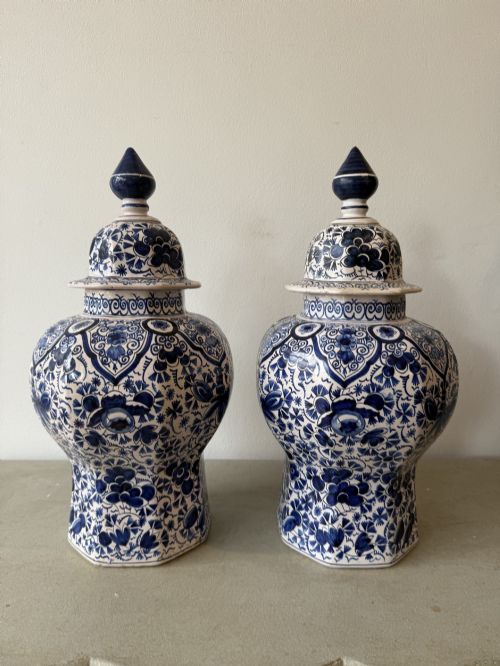
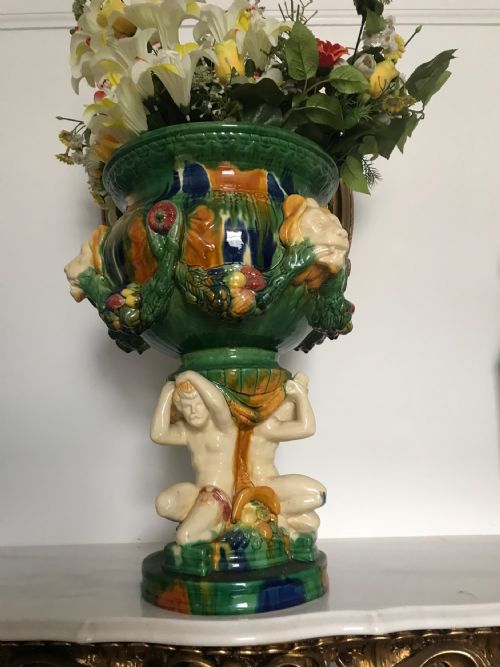


Antique Tin Glazed Urn
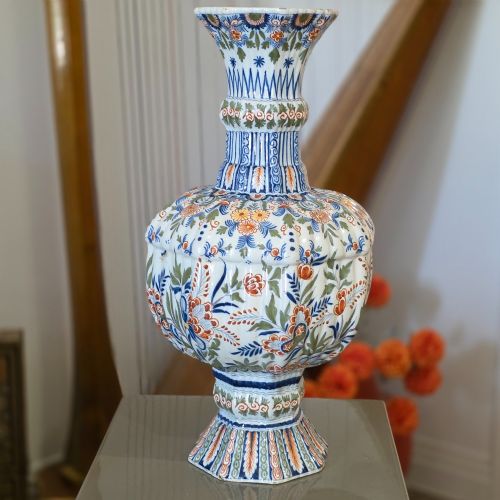
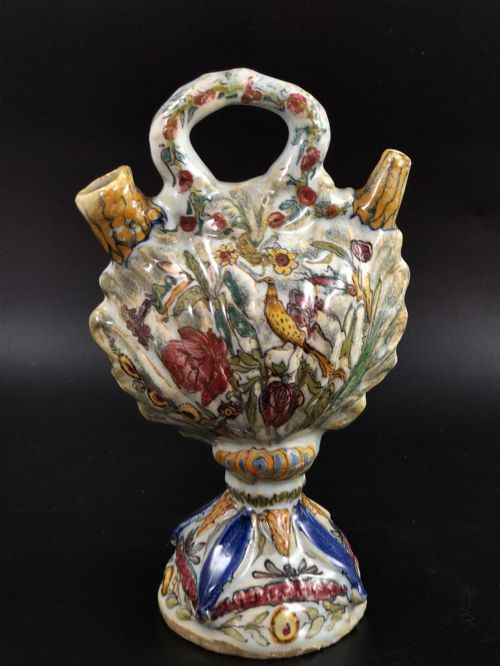
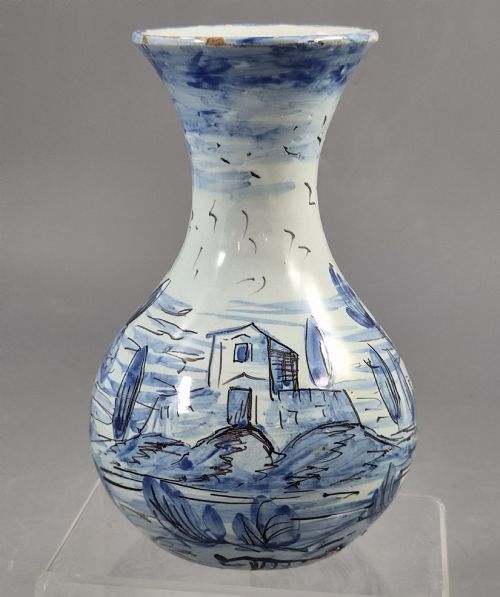
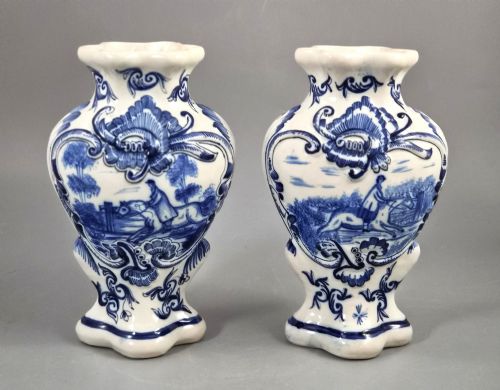
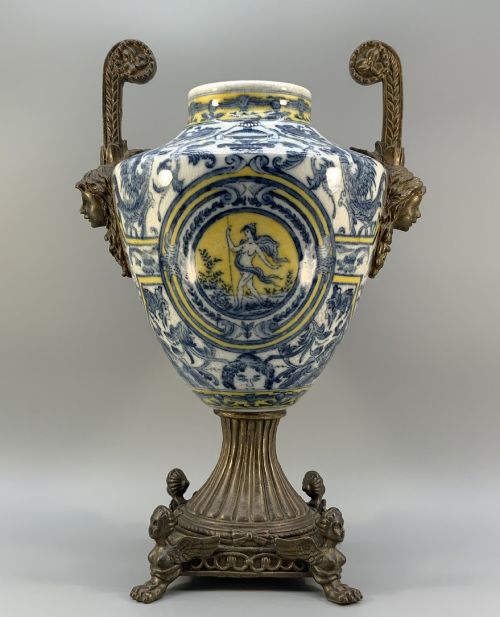
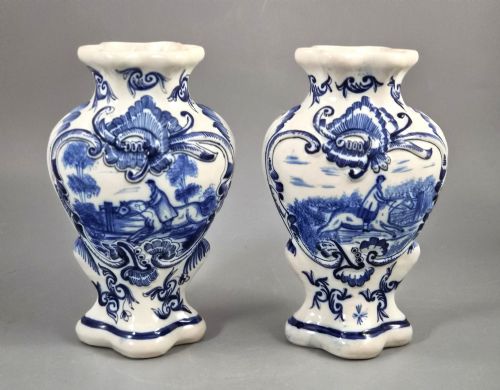
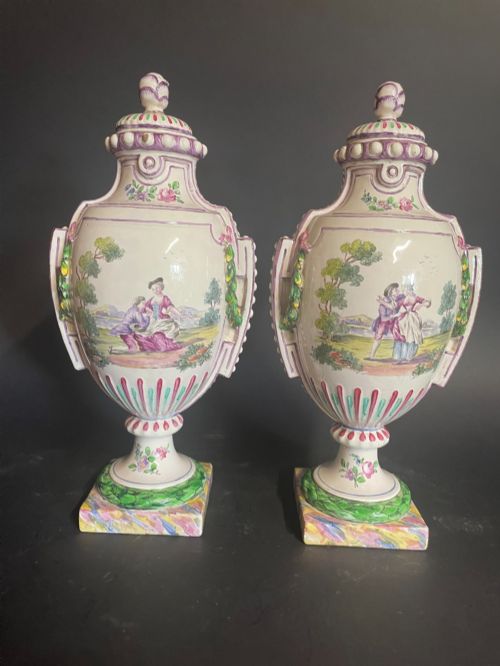
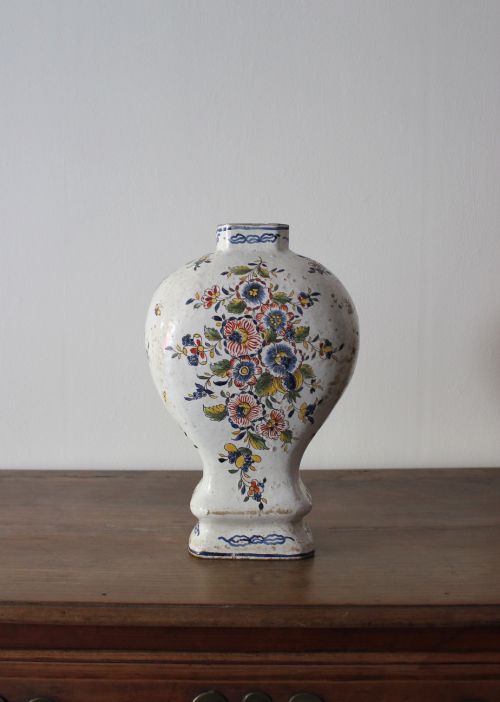
These antique tin glazed urn pieces bring seventeenth, eighteenth, and nineteenth century ceramic craft directly into a room.
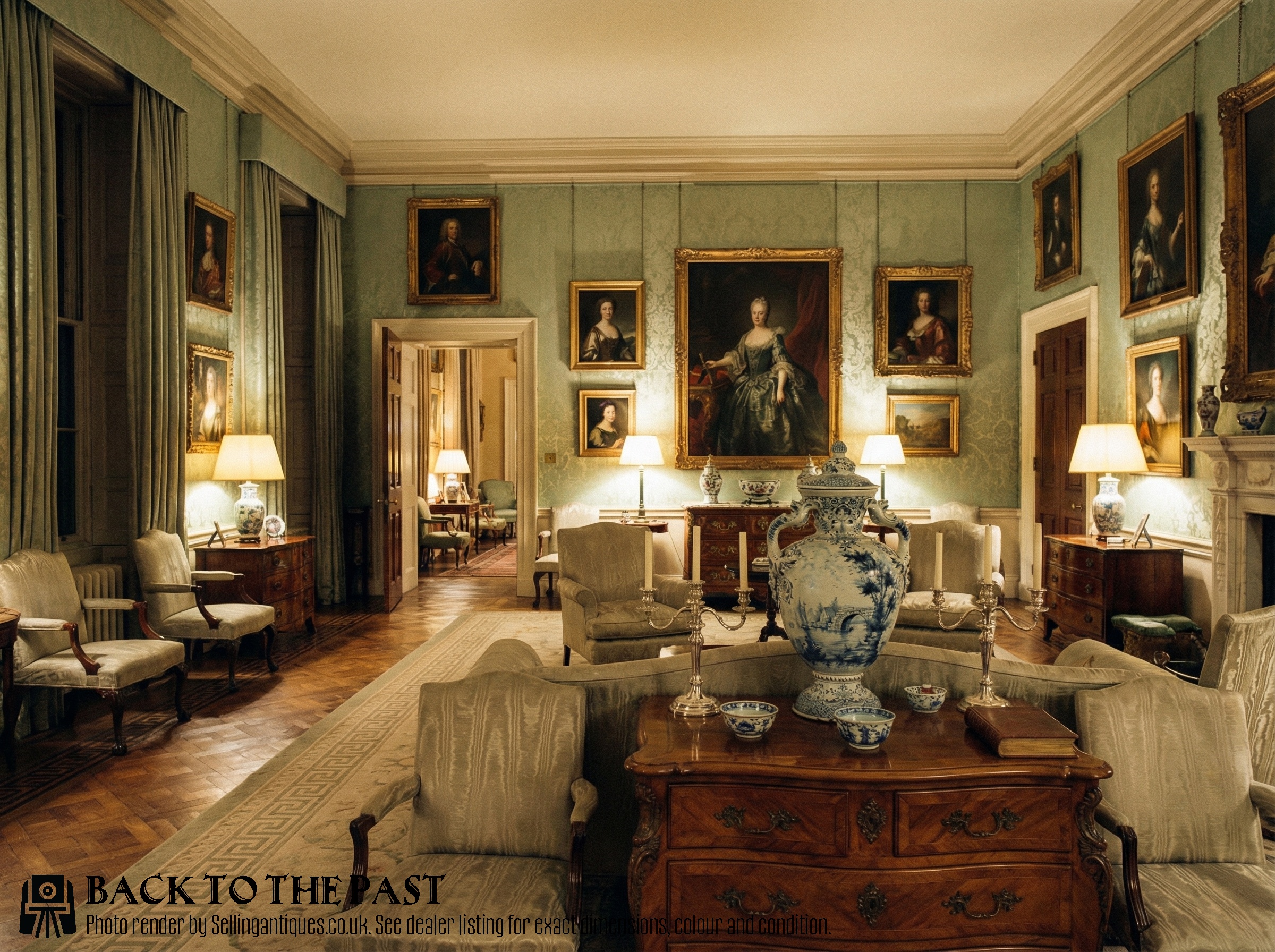
Antique Tin Glazed Urn
An antique tin glazed urn sits within a lineage of decorative vessels, jars, and vases produced across Europe from the seventeenth century onward. When searching for an antique tin glazed urn, buyers encounter diverse forms including lidded jars, handled urns, and baluster shapes originating from Dutch, French, and Italian workshops.
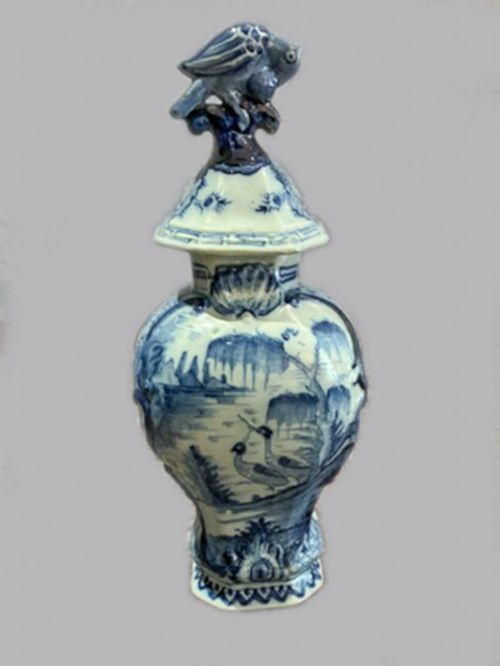
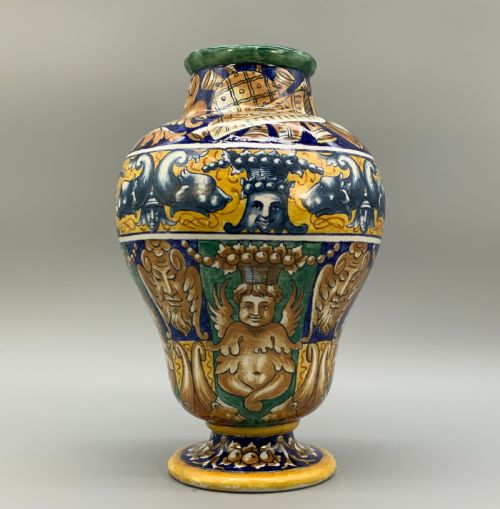
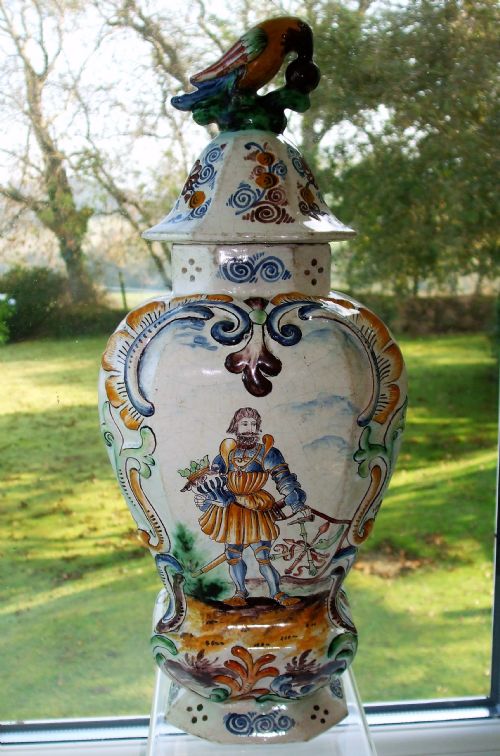
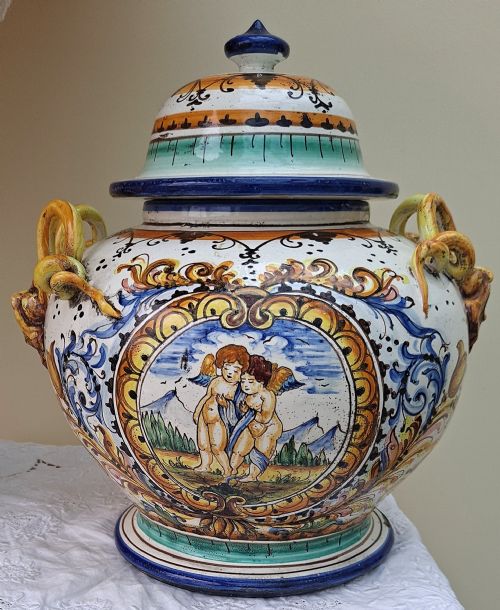
The material identity rests upon earthenware coated in an opaque tin glaze that provides a white ground for painting. Examples range from eighteenth century Dutch delftware and Italian majolica to nineteenth century French faience produced in revival styles.
Materials and construction
Potters formed the body from earthenware clay, shaping vessels on the wheel or moulding them into specific garden urn, jar, or vase configurations. Some examples incorporate cast bronze mounts or brass elements, while others stand upon figural ceramic bases.
Makers applied a tin glaze containing tin oxide to turn the porous clay opaque and white before painting cobalt blue, manganese, or polychrome pigments directly onto the surface. Firing fixed the pigments into the glaze layer, creating the characteristic glossy finish seen on majolica, delft, and faience pieces.
Listings feature earthenware vessels spanning the seventeenth to the twentieth century, encompassing Dutch, French, and Italian origins.
Variations in quality
Quality shows in the crispness of the hand-painted decoration, whether depicting delicate chinoiserie birds and flowers or complex Renaissance revival ornamentation. Finer specimens display confident brushwork and balanced proportions across large scale garden urns, lidded jars, and pedestal bases.
The depth and consistency of the tin glaze and the complexity of the form set superior pieces apart. Intricate modelling, such as applied handles, figural supports, and fitted covers, distinguishes master workshops from standard production.
Cantagalli·Fourmaintraux-Courquin·Sceaux
The Antique Tin Glazed Urn Glossary
- Tin glaze
- An opaque white ceramic glaze containing tin oxide used as a ground for painted decoration.
- Delftware
- Tin-glazed earthenware produced in the Netherlands, traditionally known for blue and white or polychrome palettes.
- Majolica
- Italian tin-glazed earthenware, often featuring rich polychrome decoration and historical or revival motifs.
- Faience
- French tin-glazed pottery encompassing various regional styles and nineteenth century revival pieces.
- Baluster
- A vase or urn form with a rounded lower body tapering to a narrow neck.
Antique Tin Glazed Urn: Frequently Asked Questions
What is an antique tin glazed urn?
An antique tin glazed urn is a ceramic vessel coated in an opaque white glaze and decorated with painted motifs. These decorative pieces date primarily from the seventeenth, eighteenth, and nineteenth centuries.
They take forms such as lidded jars, garden urns, and handled vases produced in Dutch, Italian, and French traditions.
How do I distinguish Dutch delft from Italian majolica?
Dutch delft typically relies on a blue and white palette, often featuring chinoiserie or botanical scenes inspired by imported porcelain. Italian majolica frequently employs richer polychrome pigments and draws upon Renaissance design vocabulary.
Both use a tin glaze over earthenware, but regional painting styles and forms help separate them.
Were these urns meant for gardens?
Some large examples served as garden urns or architectural planters on terraces and courtyards. Other versions functioned as interior decorative jars, lidded vases, or table lamps.
Their substantial earthenware walls accommodated both indoor display and sheltered outdoor placement.
How should I clean my tin glazed urn?
Dust the glazed ceramic surface gently with a soft, dry cloth. Avoid harsh chemical cleaners or abrasive pads that could scratch the tin glaze or damage painted pigments.
Keep pieces away from excessive moisture if the earthenware body beneath the glaze has any exposed clay areas.