

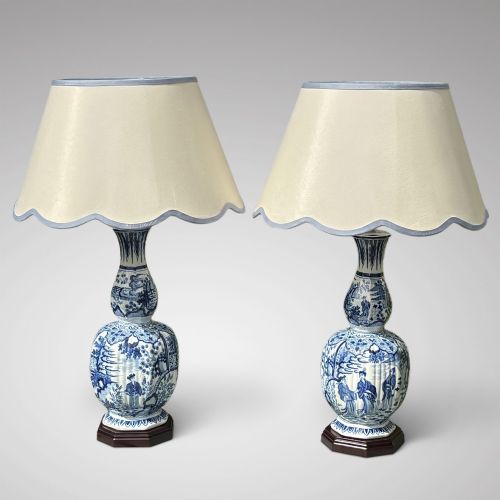


19th Century Delftware
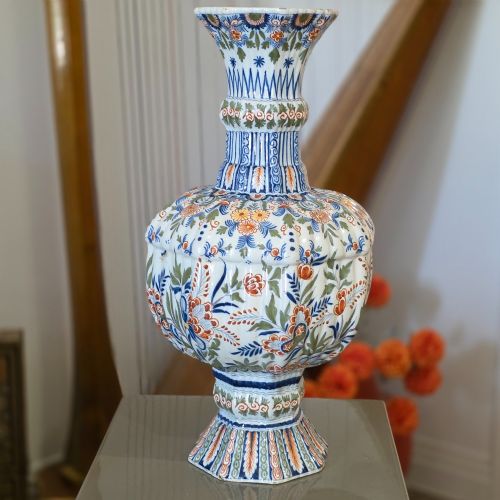
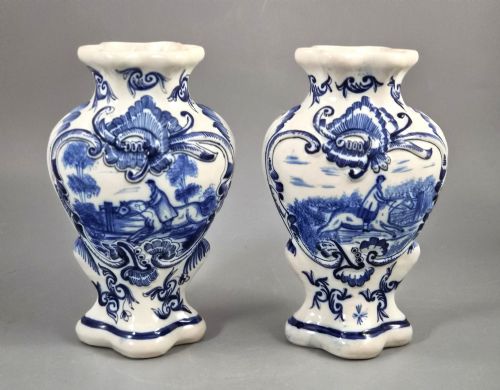
These 19th century delftware pieces offer tin-glazed earthenware and faience in traditional blue and white or polychrome palettes.
19th Century Delftware
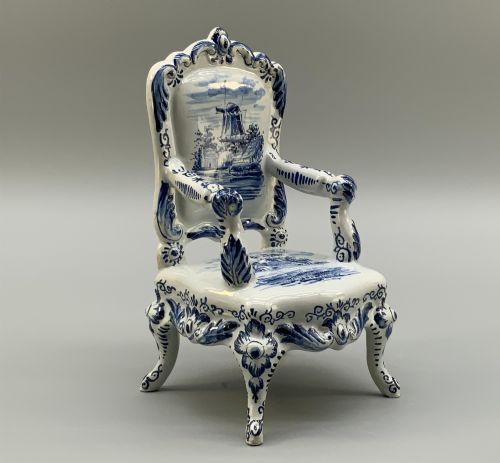
When you search for 19th century delftware, you encounter ceramic objects spanning decorative vases, chargers, table lamps, jugs, inkwells, and miniature furniture pieces. These items draw on Dutch Delft, Dutch Baroque, Rococo Revival, and French Chateau styles.
You are most likely to meet blue and white tin-glazed earthenware items, alongside polychrome faience jugs, steins, and Toby jugs originating from Dutch, French, and German workshops.
Materials and technique
Makers utilised earthenware and ceramic bodies coated in tin glaze to create a white, opaque surface suitable for hand-painted decoration. Artisans applied cobalt blue pigments and polychrome enamels directly to the unfired or fired glaze.
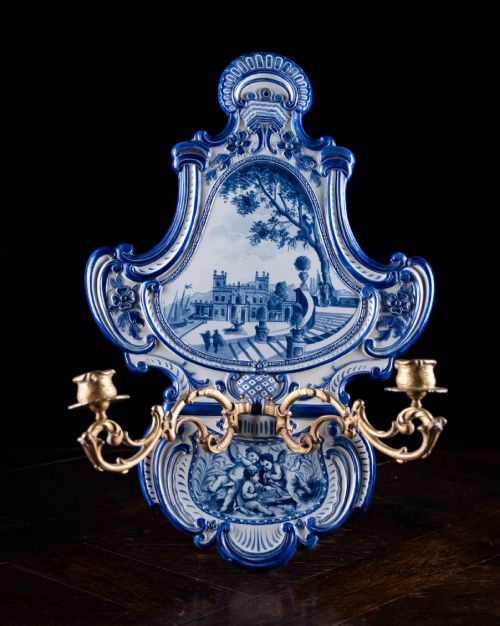
Selected pieces incorporate mounts such as ormolu or sit upon gilt bases, combining ceramic manufacture with metalwork to form table lamps and wall sconces.
19th Century Delftware Retail Price Guide 2026
Typical asking prices for 19th century delftware among the pieces listed under this phrase on Sellingantiques today, from the lower quarter to the upper quarter. They describe what is for sale here now, not the wider market.
A pair of pottery cows stands ready to graze across the centuries.
Judging quality
The standard of 19th century delftware depends upon the crispness of the hand-painted brushwork and the control demonstrated in the tin glaze application. Finer examples display detailed floral, figurative, or Watteau scenes without blurring or pooling in the glaze.
Construction details such as the integration of metal mounts, ormolu, and handmade shades on lamps distinguish standard production items from more ambitious decorative works.
Fourmaintraux-Courquin·Villeroy & Boch
The 19th Century Delftware Glossary
- Tin glaze
- An opaque white ceramic glaze containing tin oxide, providing the smooth background characteristic of delftware. This technique allows cobalt blue and polychrome pigments to sit crisply on the surface.
- Faience
- European tin-glazed earthenware, particularly associated with French and German production traditions. It mirrors the decorative goals of Dutch delftware.
- Polychrome
- Decoration employing multiple colours rather than a single hue. In these ceramics, it typically describes floral or figurative designs painted in several pigments.
- Toby jug
- A pottery jug shaped as a seated person, often depicted wearing a traditional tricorn hat. These figures frequently double as drinking vessels or decorative containers.
- Charger
- A large decorative plate intended for display on a wall or dresser rather than for dining. They often feature central hand-painted motifs surrounded by floral borders.
19th Century Delftware: Frequently Asked Questions
What is 19th century delftware made from?
These pieces are formed from earthenware or ceramic bodies covered with an opaque tin glaze. Artisans then hand-painted blue and white or polychrome designs onto this surface.
Some objects also integrate materials like ormolu mounts, gilt bases, and handmade lamp shades.
How do I identify Dutch delft from other European faience?
Dutch delft typically relies on a tin glaze painted with cobalt blue motifs inspired by trade ceramics. French and German faience often incorporates broader polychrome palettes and distinct regional forms such as beer steins.
Examination of the painted scenes and decorative styles helps separate Dutch work from continental equivalents.
Were these pieces used daily or displayed?
Many items serve decorative purposes, including wall sconces, large chargers, miniature furniture, and decorative vases. Other forms, such as inkwells, jugs, and table lamps, combined functional use with ornamental appeal.
Desktop inkwells and beer steins were built for practical service in domestic settings.
How do I care for tin-glazed ceramics?
Tin glaze can be sensitive to harsh impacts and abrasive cleaning methods. Dust these pieces gently with a dry, soft cloth to protect the painted surface.
Keep them away from excessive moisture and direct sunlight to preserve the integrity of the glaze and pigments.