



Dutch Delftware Charger
A dutch delftware charger brings bold tin-glazed earthenware into the room with centuries of European ceramic history.
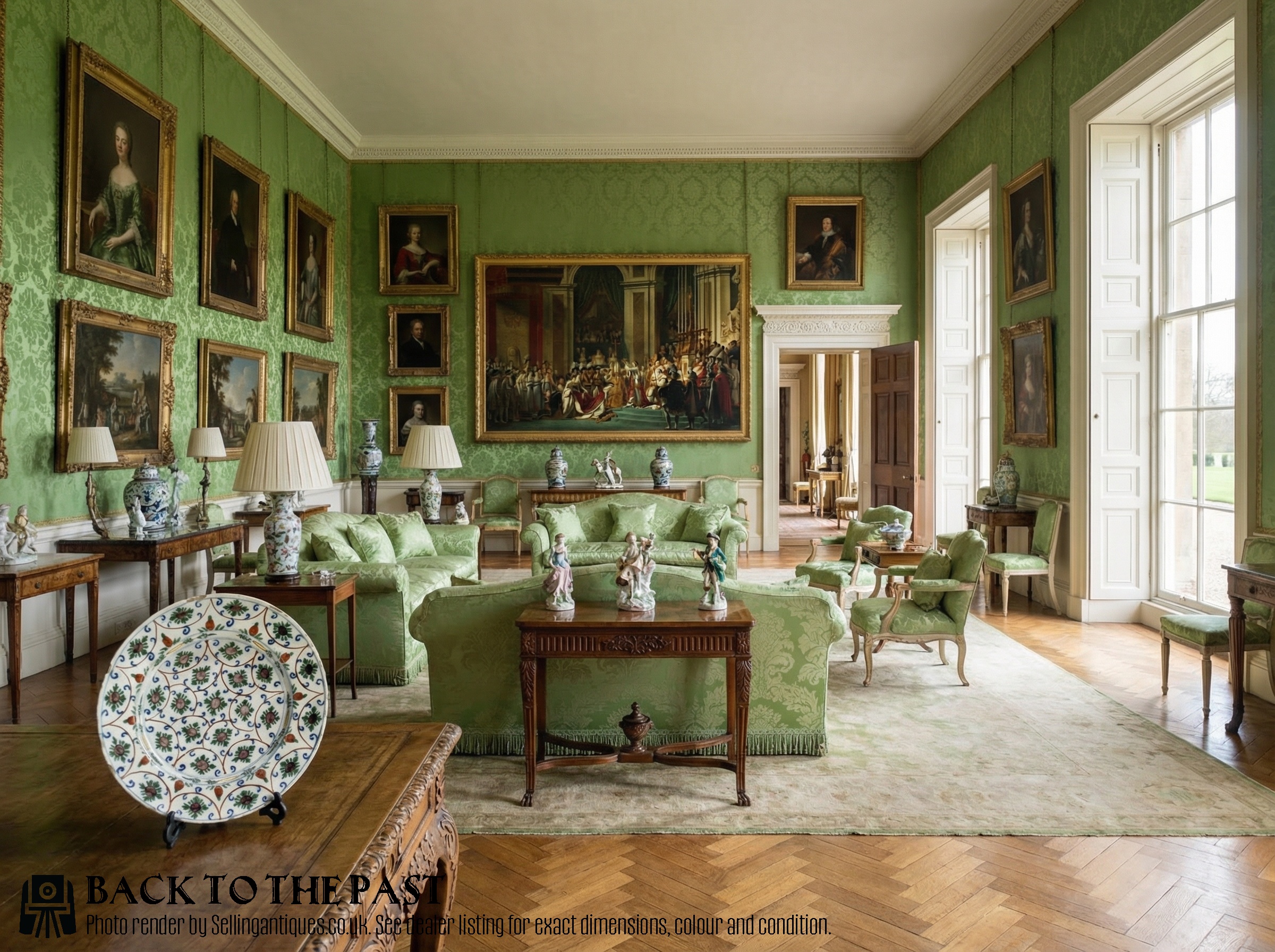
What these chargers are
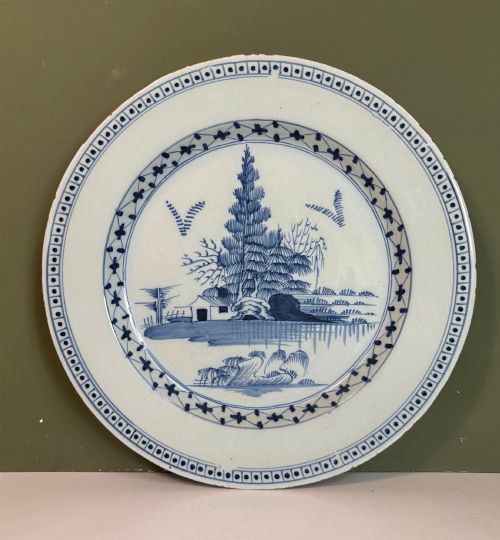
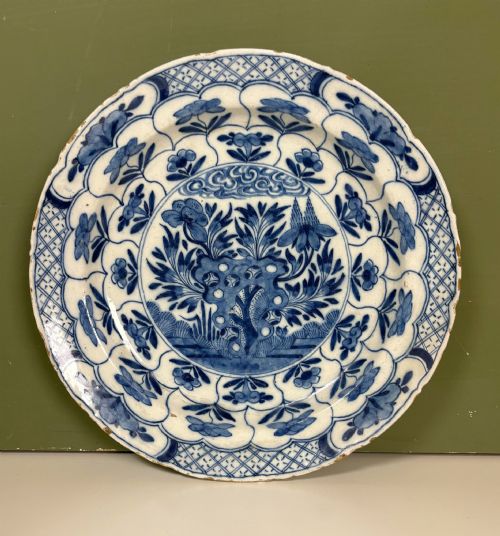
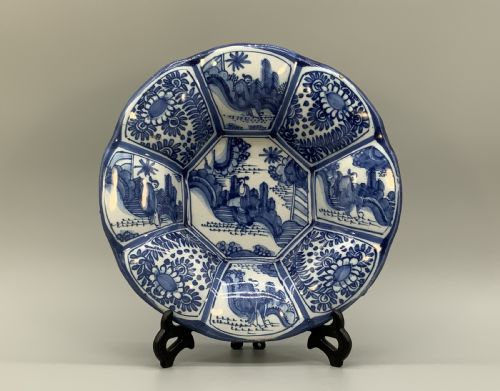
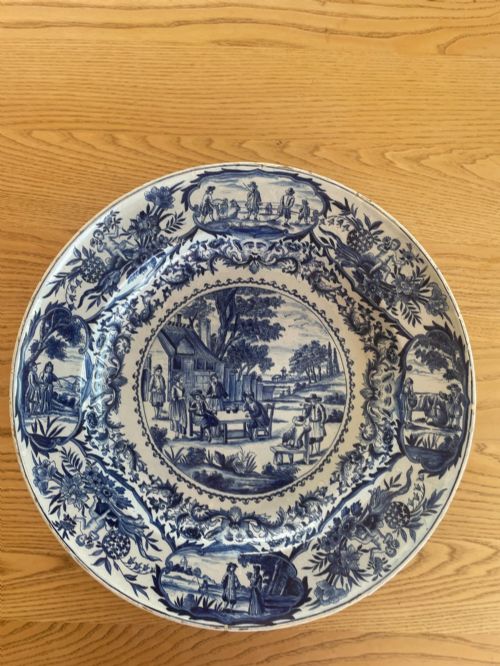
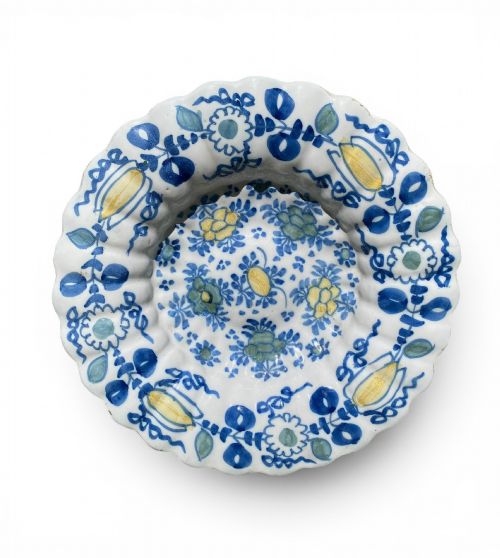
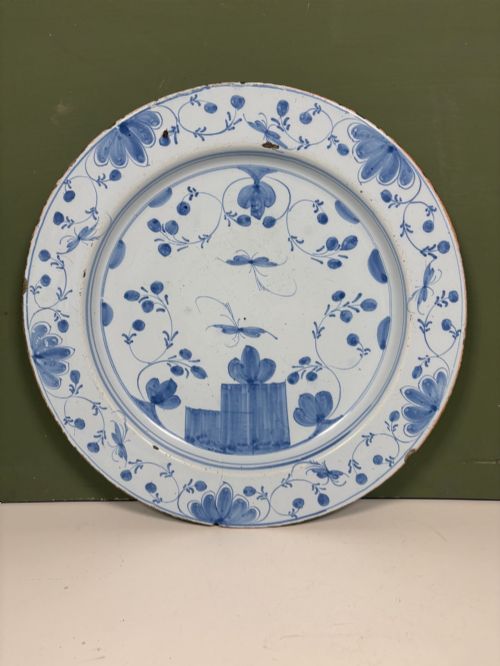
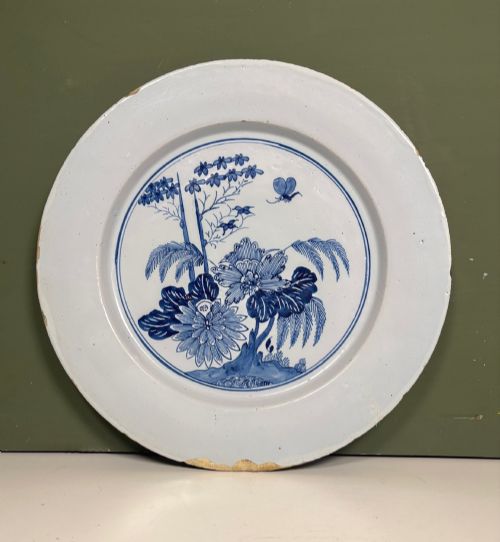
When you search for a dutch delftware charger, you are looking at large decorative plates and chargers produced across the seventeenth, eighteenth, and nineteenth centuries. These earthenware dishes serve primarily as wall hanging pieces or centrepieces rather than tableware.
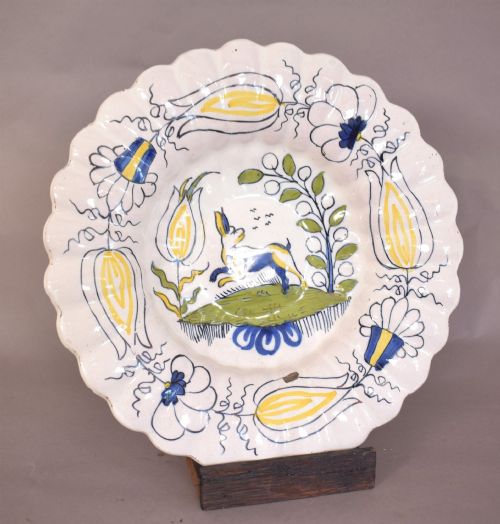
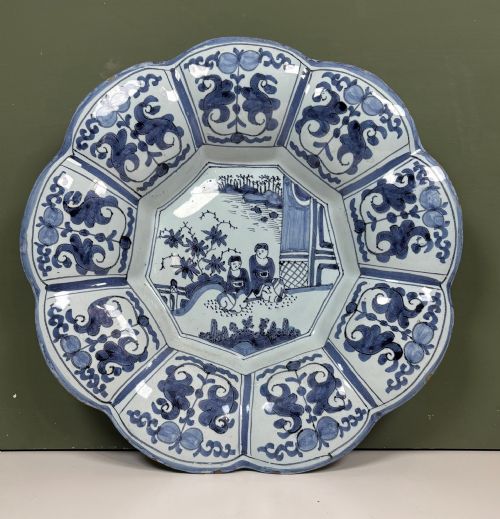
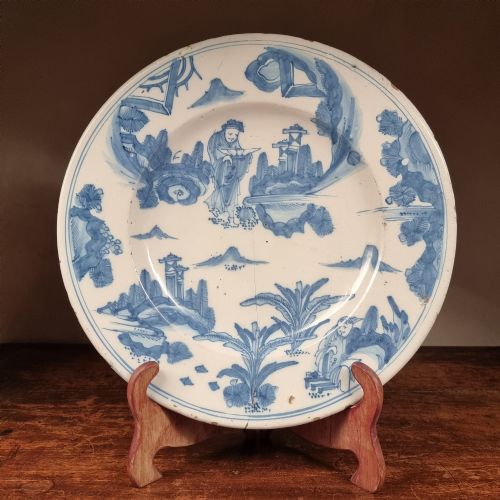
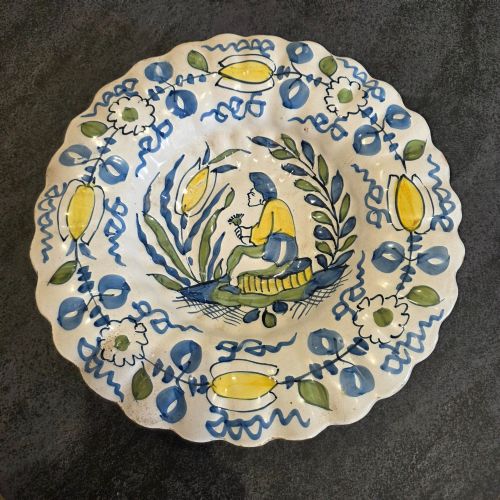
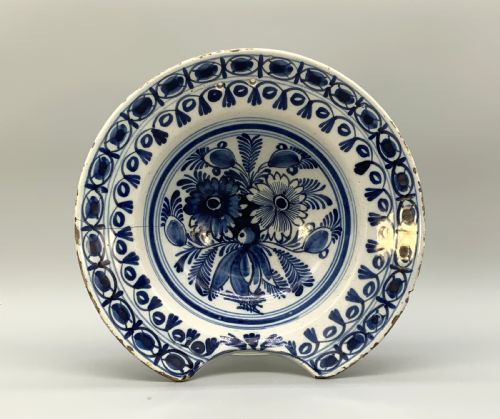
The pieces listed here span the seventeenth century, eighteenth century, and nineteenth century, showing diverse forms from Dutch Baroque to eighteenth century Dutch styles. You are most likely to meet circular chargers featuring classic blue and white painting or polychrome decoration.
The historical record on this site includes both single charger plates and pairs of polychrome delftware chargers. Their origins trace directly to Dutch workshops supplying domestic and colonial markets.
How they were made
Makers formed these pieces from ceramic earthenware, coating the body in a distinctive tin glaze to create an opaque white canvas. Cobalt glaze and various polychrome pigments were then applied directly to the unfired or biscuit-fired glaze before the final kiln firing.
The combination of tin-glazed earthenware and hand-painted pigments demands steady brushwork from the artisan. Pigments sink into the porous tin glaze during firing, locking the geometric floral motifs and landscape scenes permanently into the surface.
Retail Price Guide 2026
Typical UK retail prices for dutch delftware charger, calculated from the Sellingantiques database of over a million retail prices indexed since 2003. This retail price guide relies exclusively on Sellingantiques data; no external sources or auction records are used, so the figures do not describe the wider market.
Current listings and past archives feature tin-glazed earthenware chargers spanning the 17th, 18th, and 19th centuries in both blue and white and polychrome styles.
What varies in quality
Quality rests in the crispness of the hand-painted cobalt glaze and the complexity of the polychrome palette. Superior seventeenth and eighteenth-century examples display confident brush control and well-balanced composition across the broad surface of the charger.
The depth and consistency of the tin glaze itself distinguish finer pieces from coarser utilitarian wares. A smoother, more even glaze layer preserves the painted details sharply and offers a richer visual resonance.
The Dutch Delftware Charger Glossary
- Tin-glazed earthenware
- Earthenware pottery covered with a white tin oxide glaze that provides an opaque background for painting. This technique originated in the Middle East before spreading through Italy and into the Netherlands.
- Polychrome
- Decoration utilising multiple colours rather than a single pigment. Eighteenth-century Dutch chargers frequently employ this method alongside traditional blue and white.
- Cobalt glaze
- A blue metallic oxide pigment used under the glaze to paint ceramic pieces. It withstands high kiln temperatures without losing its intense blue hue.
- Charger plate
- A large ornamental plate traditionally used as a base dish or hung on walls for display. These pieces measure significantly larger than standard dinner plates.
Frequently Asked Questions
What is a dutch delftware charger?
A dutch delftware charger is a large decorative ceramic plate covered in a white tin glaze and hand-painted with cobalt or polychrome designs. These pieces were made in the Netherlands across several centuries.
They function primarily as wall-hung ornaments or table centrepieces rather than functional dining plates.
How old are these chargers?
The available pieces span from the seventeenth century through the eighteenth century and into the nineteenth century. Exact dating relies on stylistic evidence and material characteristics.
Earlier examples often align with Dutch Baroque aesthetics, while later pieces reflect evolving eighteenth and nineteenth-century tastes.
Were they used for dining?
While made from earthenware, their large size and decorative focus meant they spent much of their existence on display. Wealthy households used them to adorn walls or dress sideboards.
Their substantial diameter makes practical dining use awkward compared to standard plates.
How do I care for a charger?
Keep tin-glazed earthenware out of direct sunlight and away from areas prone to extreme humidity or temperature shifts. Display them securely using appropriate plate hangers designed for heavy ceramics.
Dust them gently with a dry, soft cloth rather than using liquid cleaners that could penetrate old glaze fractures.