



Polychrome Ceramic Charger
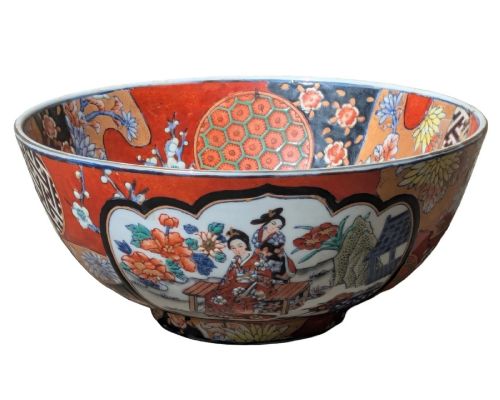
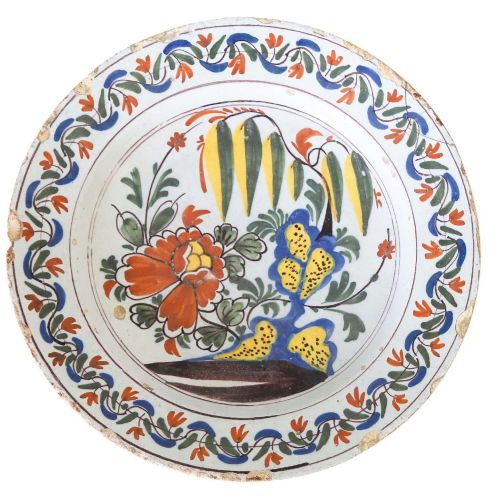
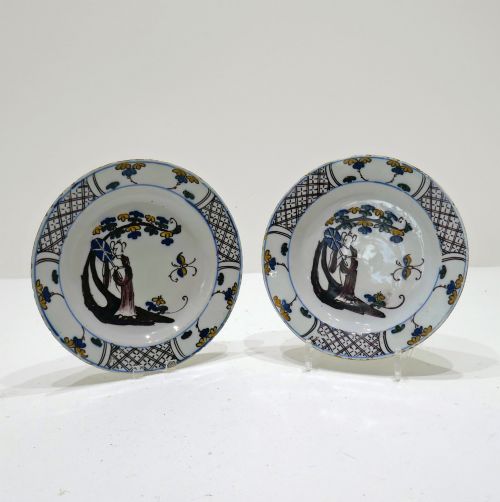
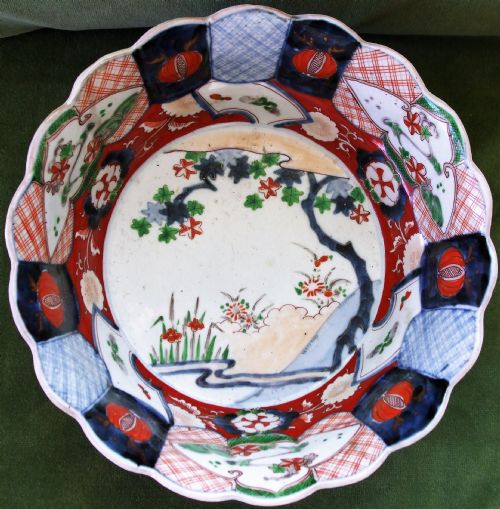
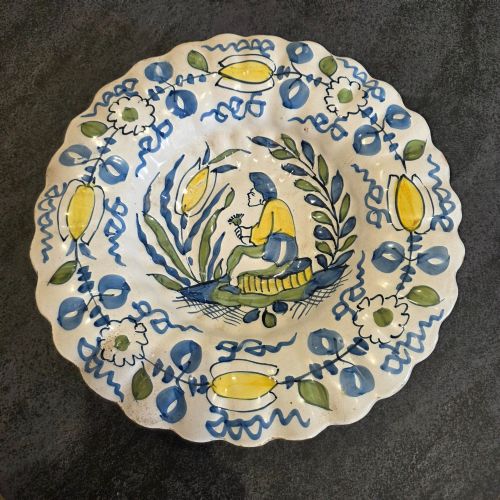
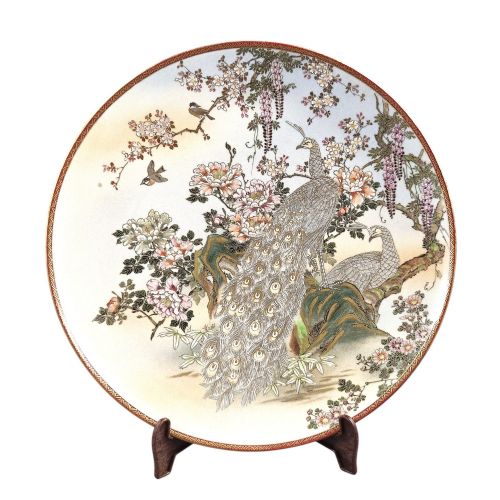
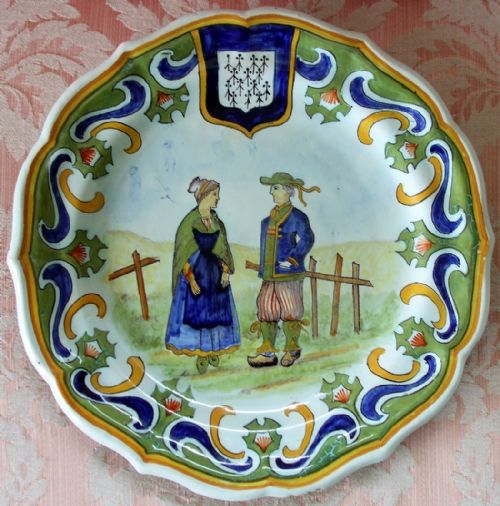
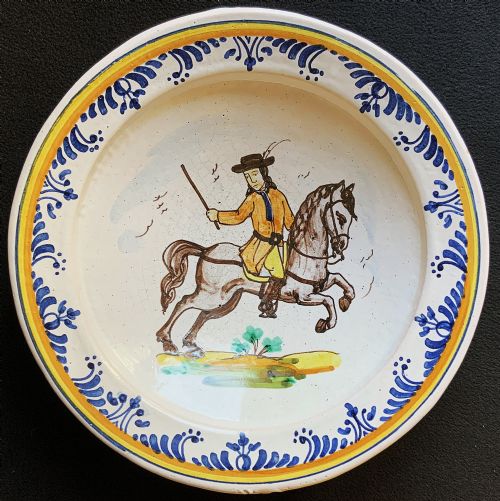
A polychrome ceramic charger delivers vivid multi-coloured presence to a wall or table, offering historic painted scenes and bold geometric patterns across broad circular surfaces.
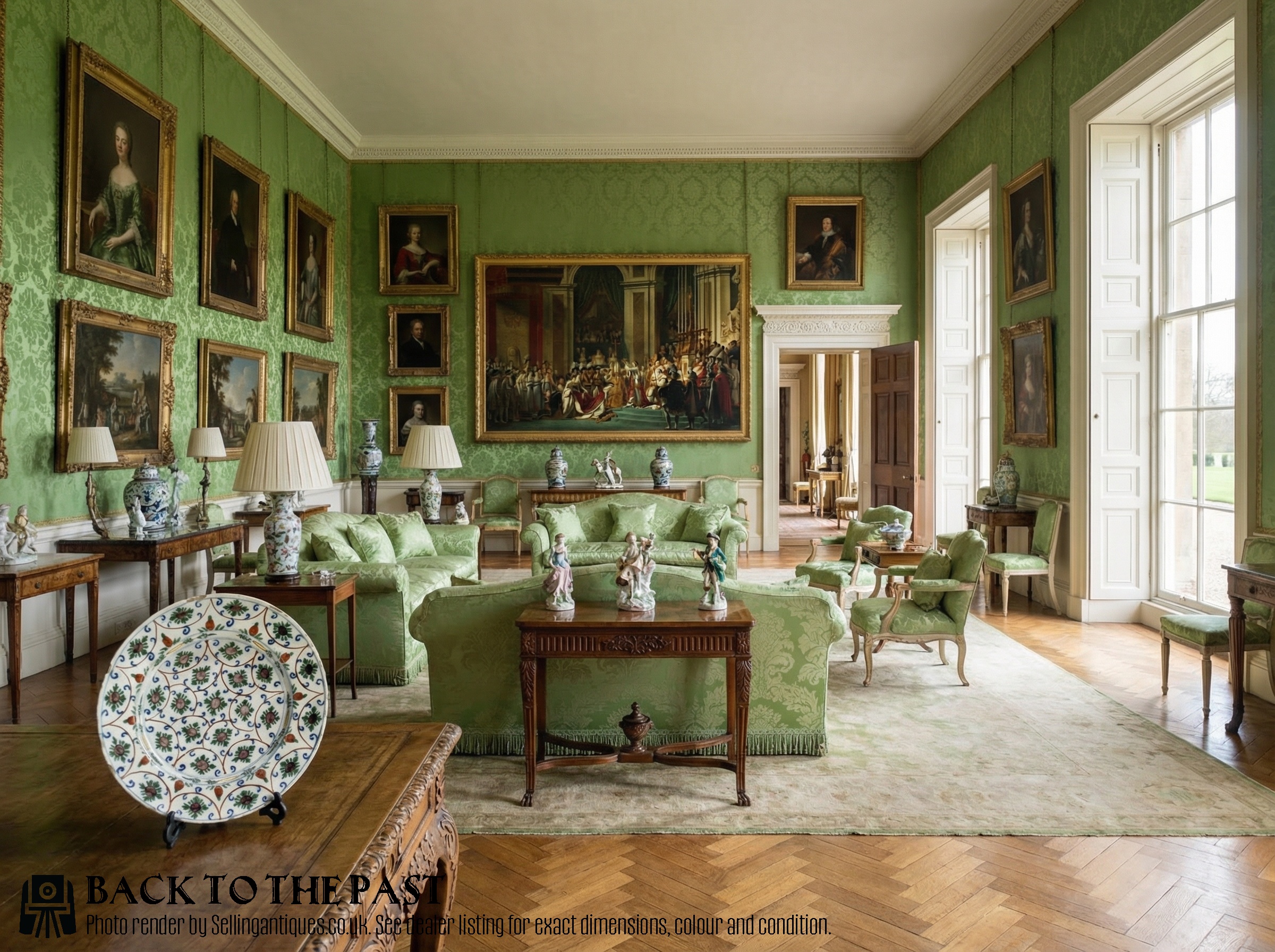
Understanding the polychrome ceramic charger
A polychrome ceramic charger provides a wide circular canvas for detailed multi-coloured pigments, functioning traditionally as a large display plate rather than daily tableware. When searching for a polychrome ceramic charger, buyers encounter substantial pieces designed to be mounted on walls or set prominently on furniture.
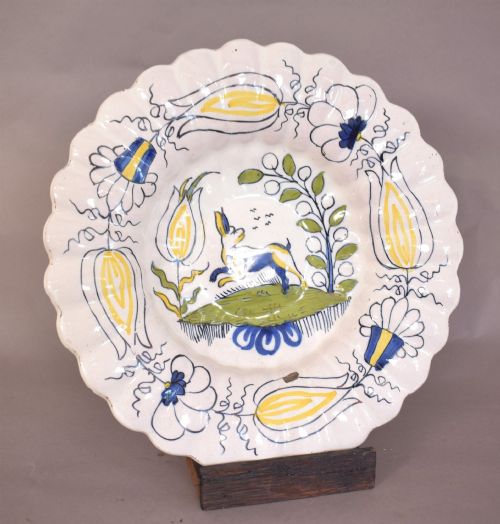
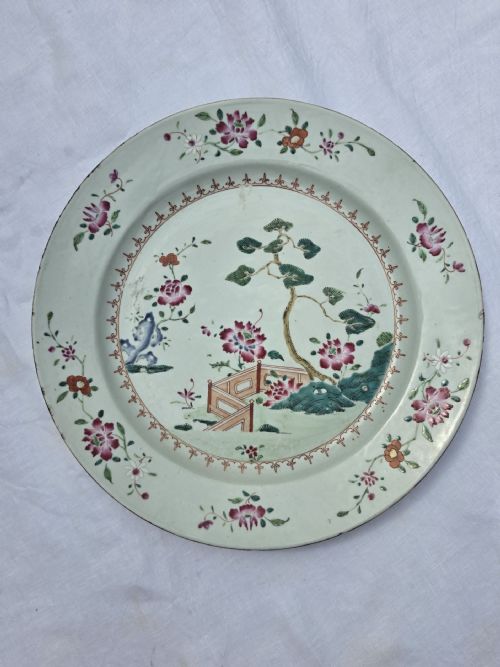
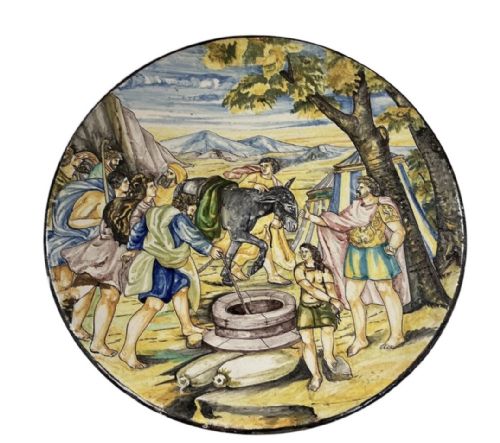
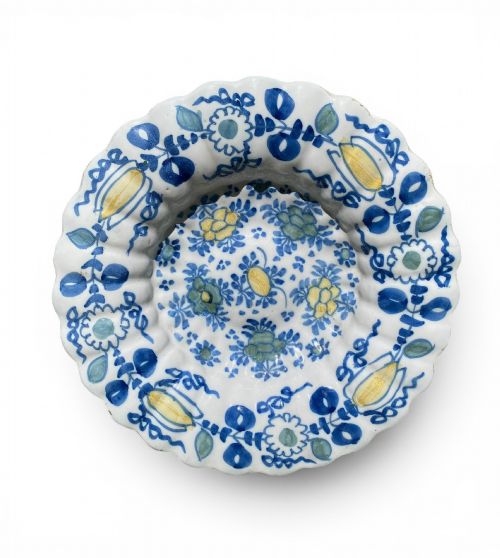
The selections span several centuries and geographic traditions, featuring English and Dutch tin-glazed earthenware alongside Italian maiolica and Chinese export porcelain. Seventeenth-century examples emerge alongside eighteenth-century geometric floral designs and nineteenth-century Renaissance revival interpretations.
Forms range from deep earthenware basins to flat porcelain plates, uniting varied cultural aesthetics through rich painted palettes. Dutch Delftware and Chinese Canton or Qianlong pieces represent the breadth of origins available within this category.
Materials and construction methods
Potters shaped these large circular bodies from earthenware, tin-glazed earthenware, and hard-paste porcelain, applying opaque tin glazes or translucent enamels to create smooth grounds for painting. Artisans then brushed multi-coloured mineral pigments directly onto the prepared surfaces before firing.
Techniques varied by region, employing hand-painted floral motifs on tin-glazed bodies in Europe and intricate enamel glaze applications on porcelain in Asian export workshops. The resulting objects combined durable ceramic bases with vibrant surface decoration executed entirely by hand.
Retail Price Guide 2026
Typical UK retail prices for polychrome ceramic charger, calculated from the Sellingantiques database of over a million retail prices indexed since 2003. This retail price guide relies exclusively on Sellingantiques data; no external sources or auction records are used, so the figures do not describe the wider market.
Materials documented across the inventory include tin-glazed earthenware, hard-paste porcelain, and enamel glaze.
Measures of quality and execution
Quality rests in the precision and confidence of the brushwork, where swift, expressive floral and geometric strokes distinguish superior artistic execution from stiffer decoration. The depth and clarity of the multi-coloured palette also separate standard production from exceptional work.
The integrity of the glaze surface and the harmonious balance of the painted composition across a wide circular plane dictate the visual success of each piece. Superior examples display controlled firing results that preserve the brightness of every pigment without running or distortion.
The Polychrome Ceramic Charger Glossary
- Charger
- A large decorative plate traditionally intended for display on a sideboard or wall rather than for serving food. These pieces measure significantly wider than standard dining plates.
- Polychrome
- Decorated in multiple colours. This multi-coloured approach distinguishes these ceramics from monochrome blue and white wares.
- Tin-Glazed Earthenware
- Pottery covered with a white tin-oxide glaze that provides an opaque background for painted decoration. This technique underpins traditional European wares like Delft and maiolica.
- Maiolica
- Italian tin-glazed earthenware noted for bright colours and narrative or ornamental painting. Renaissance revival examples continue this distinct Mediterranean tradition.
- Famille Rose
- A Chinese ceramic palette featuring a predominant opaque pink or rose enamel introduced during the Qing dynasty. Export chargers utilised this vibrant spectrum for intricate floral and figural scenes.
Frequently Asked Questions
How were ceramic chargers used historically?
Large chargers served primarily as formal display pieces on sideboards or hung upon walls to demonstrate household wealth and taste. Wealthy households utilised them to frame central table arrangements during grand banquets.
Over time, these broad decorative plates transitioned into dedicated collector pieces valued for their artistic painted surfaces rather than functional utility.
How do you hang a heavy ceramic charger?
Hanging a large ceramic charger requires a specialised, coated wire spring hanger that distributes the weight evenly around the rim without causing friction damage. The wall fixing must engage directly with solid masonry or a secure stud to support the substantial mass safely.
Flat-backed chargers sit flush against walls, so selecting a hanger with adjustable tension ensures the piece remains stable and secure during everyday environmental vibrations.
What distinguishes Delftware from Italian maiolica?
Dutch Delftware typically utilises a tin glaze over an earthenware body to mimic Chinese porcelain, frequently featuring floral or geometric patterns in blue, green, and orange. Italian maiolica originates from a distinct Mediterranean tradition renowned for rich opaque glazes and classical ornamentation.
Both employ tin-glazing techniques, but their painted motifs reflect the divergent artistic vocabularies of Northern Europe and Renaissance Italy.
How should polychrome ceramic chargers be cleaned?
Cleaning requires only a soft, dry feather duster or a lightly dampened lint-free cloth to remove surface dust without disturbing historic glaze surfaces. Liquid cleaners and immersion must be avoided to protect aged earthenware bodies and fragile enamel pigments from moisture absorption.
Regular gentle maintenance preserves the stability of both the ceramic structure and the hand-painted polychrome decoration over decades of display.