




Decorative Ceramic Wall Plate
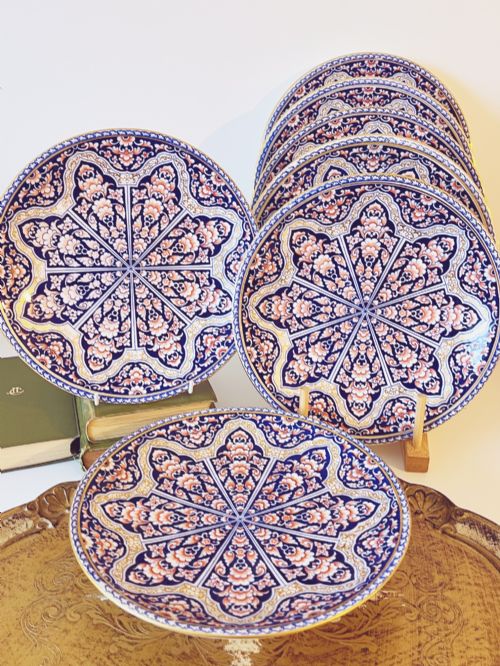
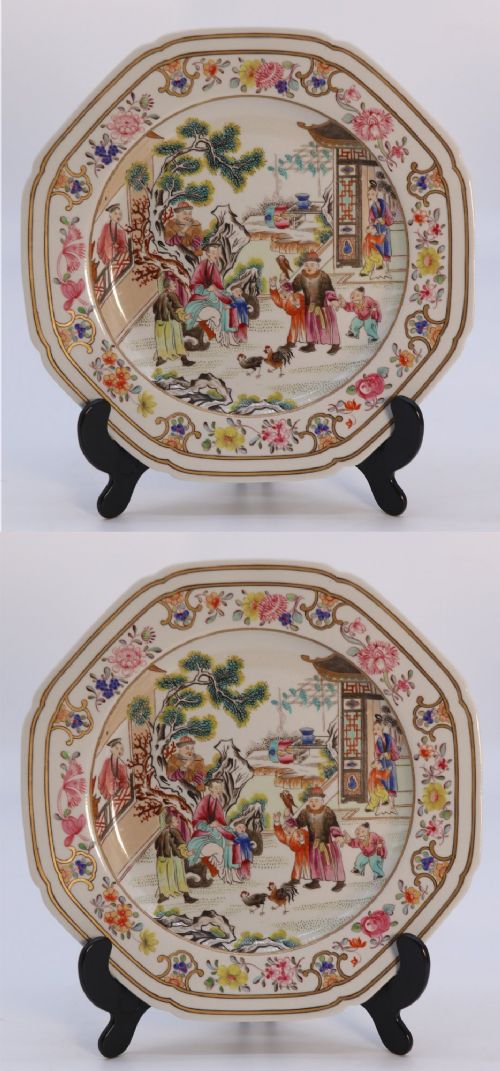
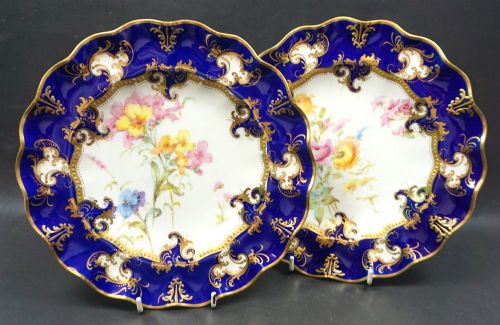
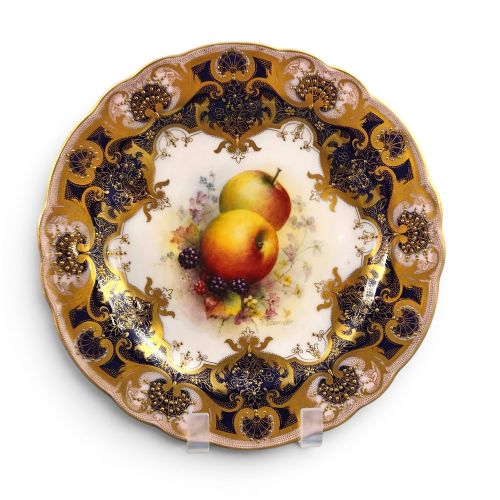
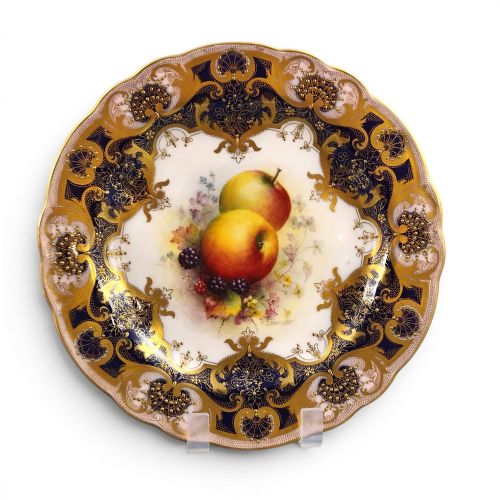
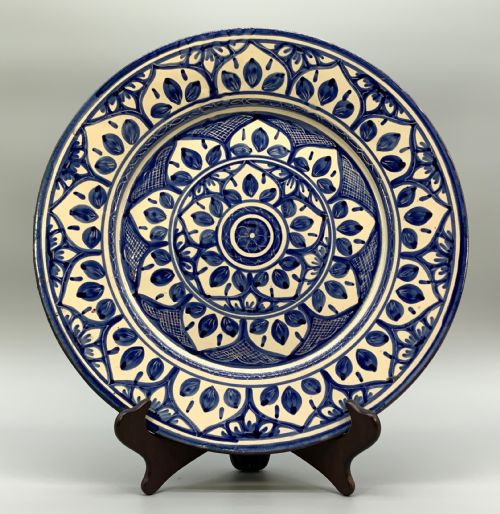
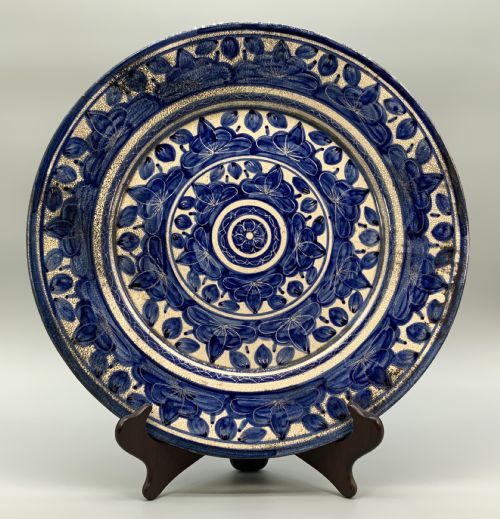
These decorative ceramic wall plate examples bring colour and pattern to an interior, spanning Japanese Imari, French faience and Renaissance Revival styles.
Understanding the decorative ceramic wall plate
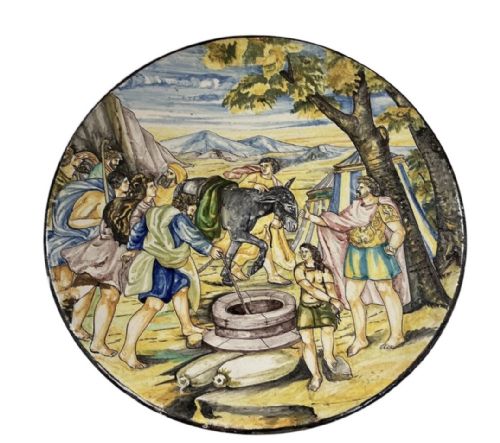
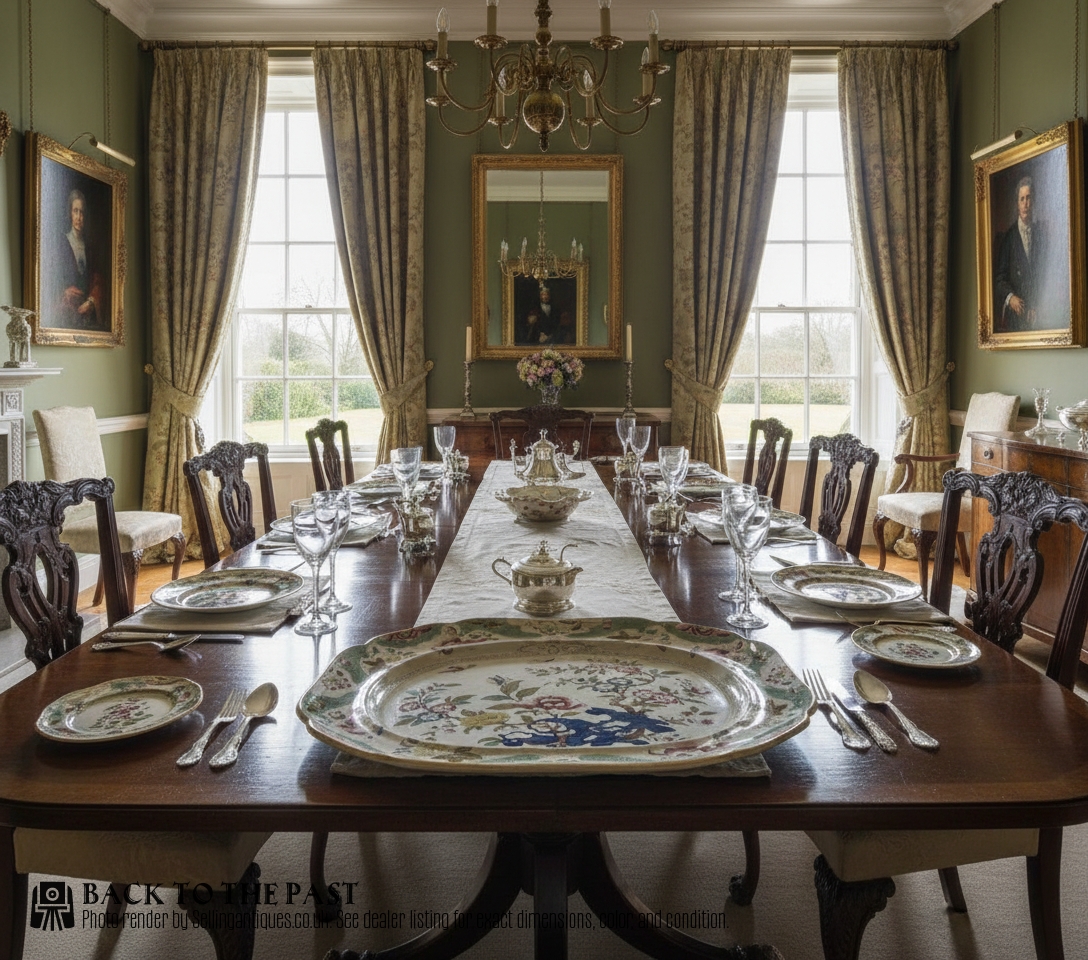
A decorative ceramic wall plate satisfies the desire to introduce historic ornament and painterly colour into domestic interiors. Collectors pursue these pieces to dress empty wall space with rich patterns, from traditional English motifs to continental maiolica.
The selection ranges widely across eras, including mid-nineteenth-century meat plates, Edwardian ironstone and early twentieth-century French faience. You are most likely to encounter large earthenware chargers and cabinet plates decorated in revivalist styles or Asian-influenced palettes.
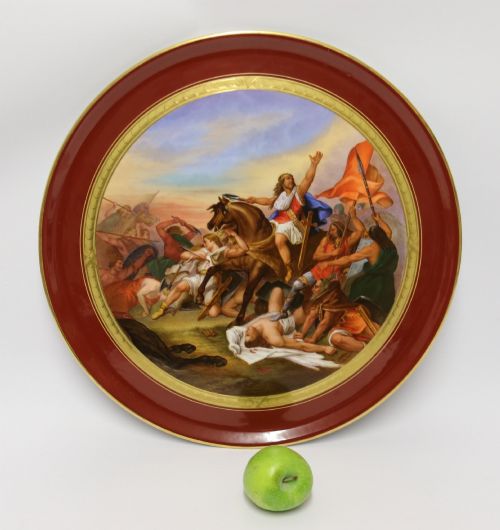
Forms extend beyond standard dining crockery to encompass heavy chargers, platters and serving trays originally intended for display or ceremonial use. These objects bridge the gap between functional tableware and pure decorative art.
Judging quality and craftsmanship
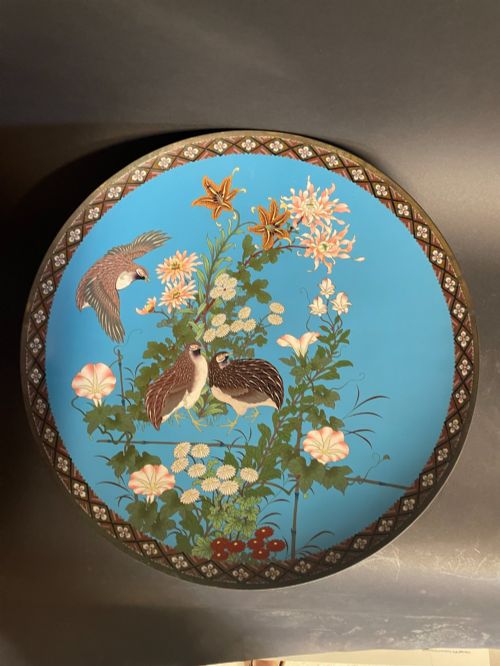
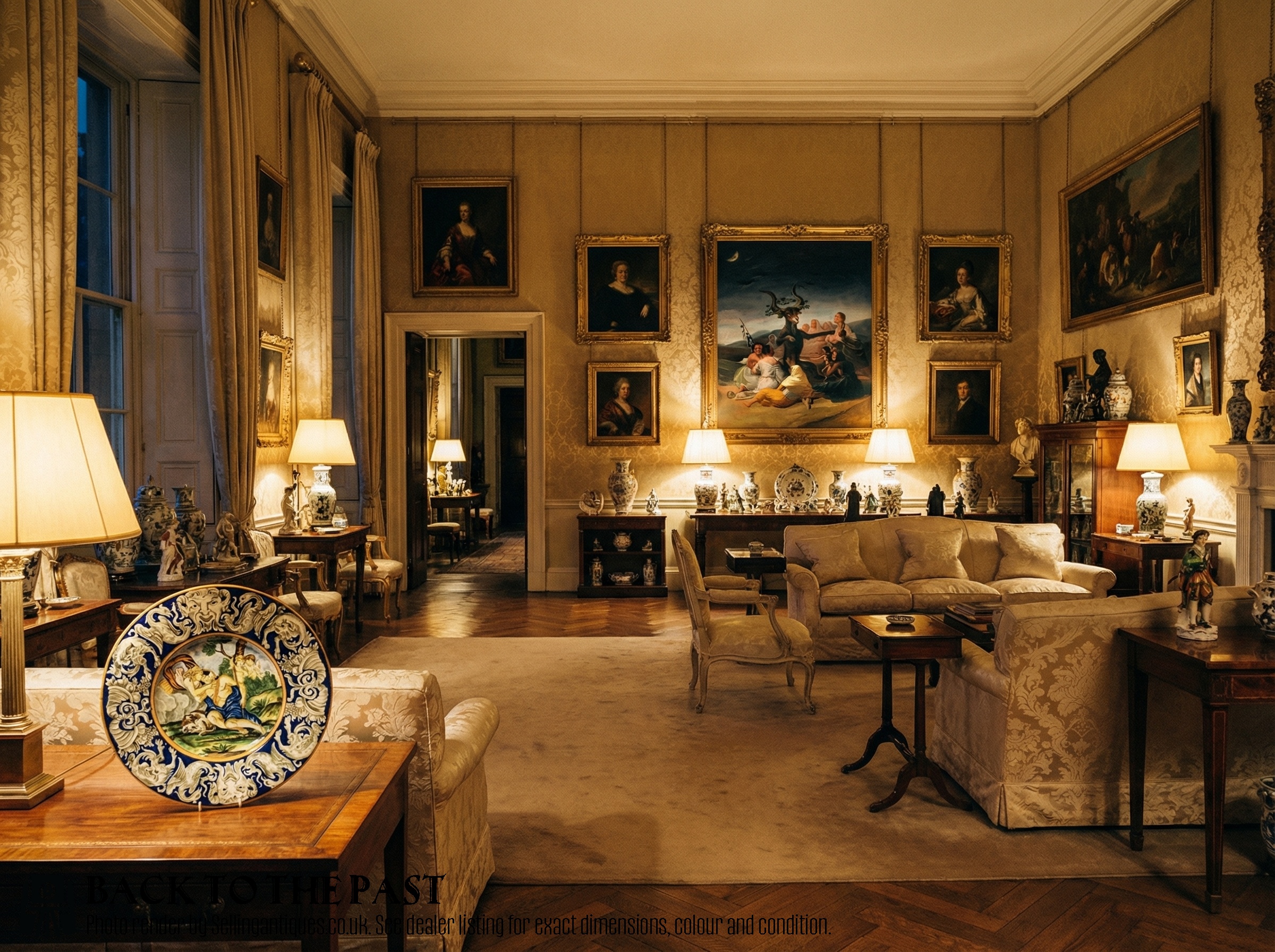
Superior examples separate themselves through the fluidity and precision of the hand-painted brushwork rather than mere age. Master painters achieved depth in subjects like exotic birds and historical figures through subtle shading and confident line control.
The choice of body and glaze stability dictates the overall weight and resonance of the piece. Finer ceramic bodies support complex enamel and gold leaf applications without clouding the underlying design.
Retail Price Guide 2026
Typical UK retail prices for decorative ceramic wall plate, calculated from the Sellingantiques database of over a million retail prices indexed since 2003. This retail price guide relies exclusively on Sellingantiques data; no external sources or auction records are used, so the figures do not describe the wider market.
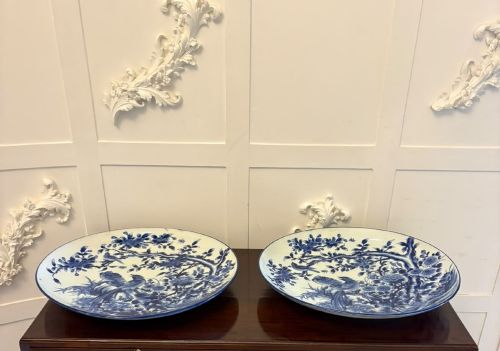
Exotic birds peer out from several nineteenth-century ironstone surfaces, seemingly unimpressed by their long journey onto modern walls.
The Decorative Ceramic Wall Plate Glossary
- Maiolica
- Tin-glazed earthenware produced in Italy and other European centres, renowned for bright polychrome painting. This technique often employs historical or mythological narrative scenes.
- Charger
- A large decorative plate or platter exceeding standard dining dimensions, usually intended for wall display or sideboard presentation. These substantial pieces provide a wider canvas for complex motifs.
- Faience
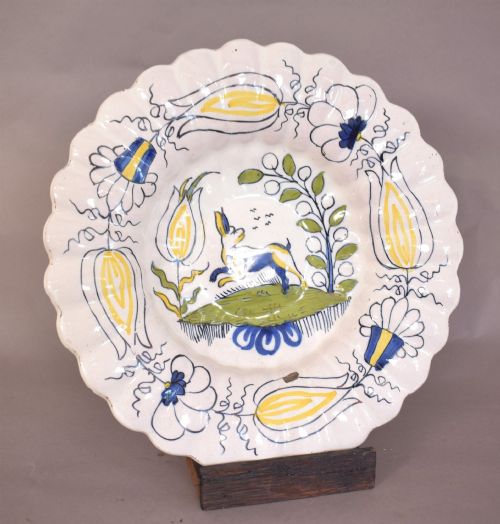
- European tin-glazed pottery, particularly associated with French production houses such as Desvres. The method yields a milky white background that enhances painted floral and figurative designs.
- Ironstone
- A durable type of earthenware patented to resist chipping and heavy wear, frequently utilised for large serving pieces. It offers a dense, heavy base for vibrant printed and painted decoration.
- Imari
- A Japanese decorative style featuring iron red, cobalt blue and gold, which heavily influenced European ceramic manufacturers. This distinct palette creates a rich, layered visual texture.
Frequently Asked Questions
How do I hang a wall plate safely?
Secure display involves using spring-loaded brass hangers that grip the rim without pinching the ceramic body.
Ensure the wall fixing is anchored directly into masonry or a stud to support the weight of heavier chargers.
Were these plates meant for dining?
Many larger chargers and platters served as display items or sideboard centrepieces rather than everyday tableware.
Smaller plates often transitioned between functional dining and cabinet display depending on their decorative value.
What is Japanese imari style?
This style replicates traditional Japanese export porcelain using a striking palette of underglaze blue, iron red and gold leaf.
European potters frequently borrowed these vibrant motifs during the nineteenth and early twentieth centuries.