






Antique Porcelain Charger
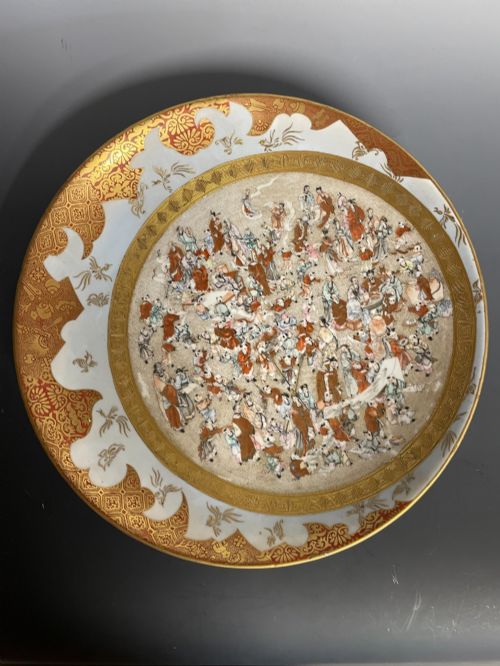
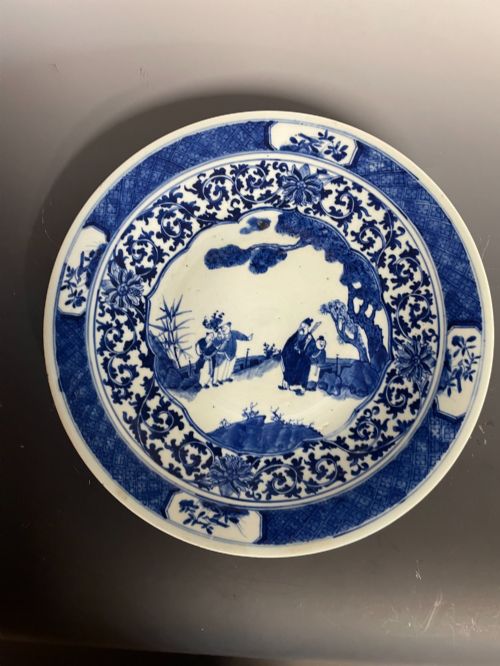
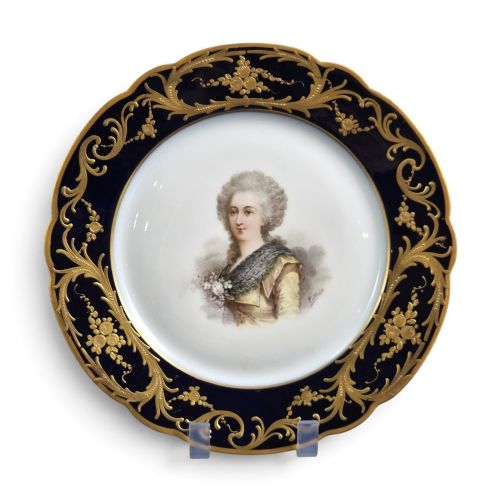
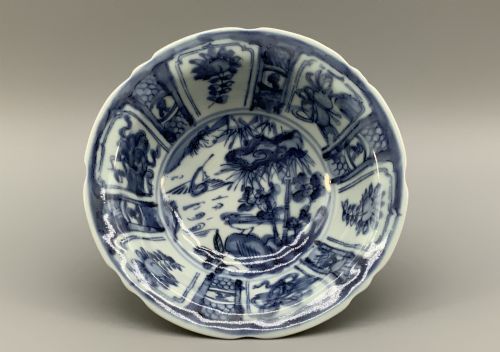
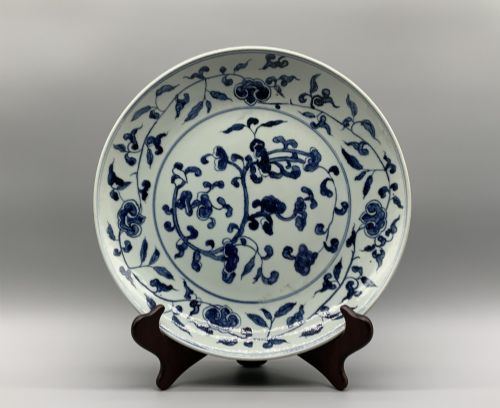
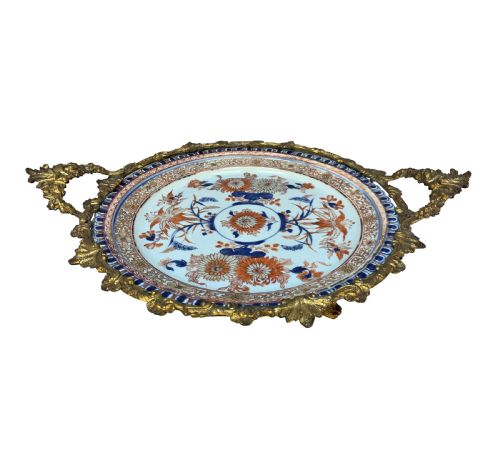
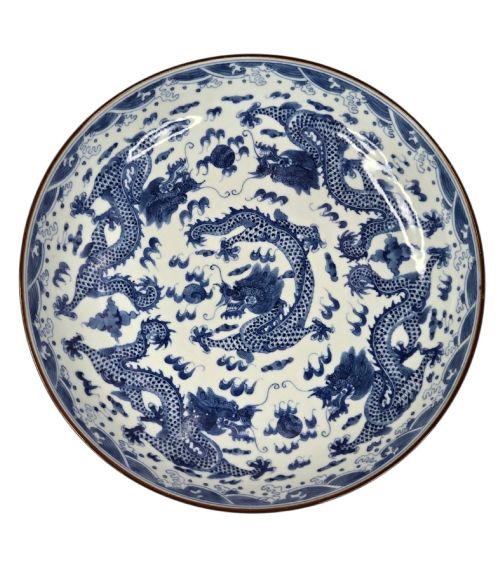
An antique porcelain charger brings grand wall display and cabinet presence into a room, offering large-format painted scenes and decorative motifs.
What They Are
An antique porcelain charger stands as a large decorative plate intended for display rather than table service, dominating a sideboard or wall. These substantial pieces appear in forms such as decorative plates and large chargers across this collection.
The evidence shows examples spanning the nineteenth century, the Edwardian era, and the year eighteen ninety. Makers and origins stretch from France and Vienna to Japan and England.
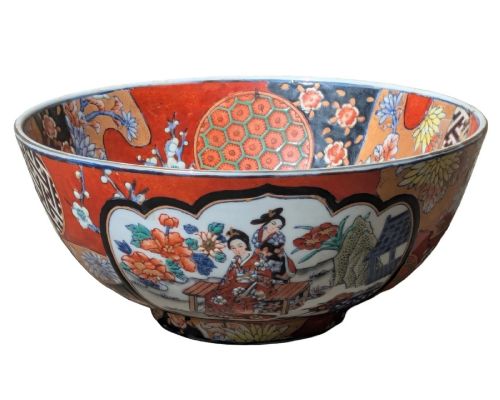
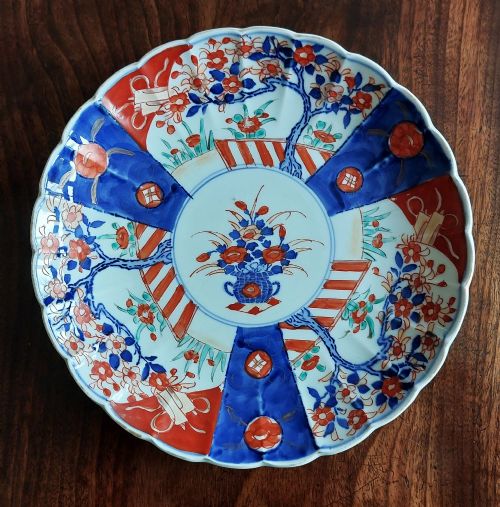
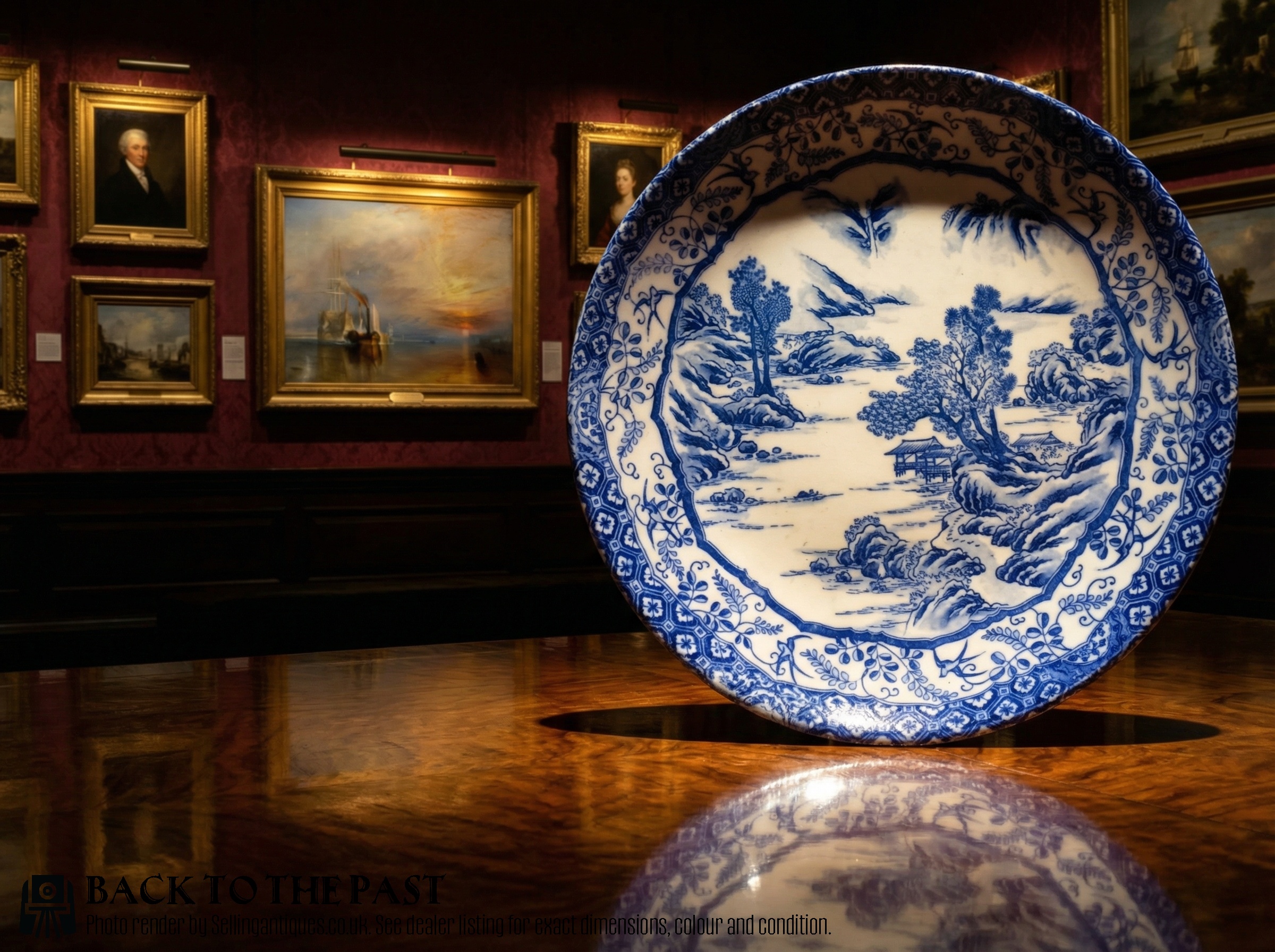
Buyers encounter distinct stylistic interpretations, including French nineteenth century works, Neoclassical revival designs, Chinoiserie, and Japanese Meiji period or Imari pieces. These varied cultural traditions share a generous scale and a focus on pictorial or patterned surfaces.
How They Were Made
Potters shaped these large display pieces using hard-paste porcelain, ironstone, and glazed ceramic bases. Ironstone provided a robust body for heavy earthenware forms, while fine porcelain allowed for delicate translucent walls scaled up to twenty inches in diameter.
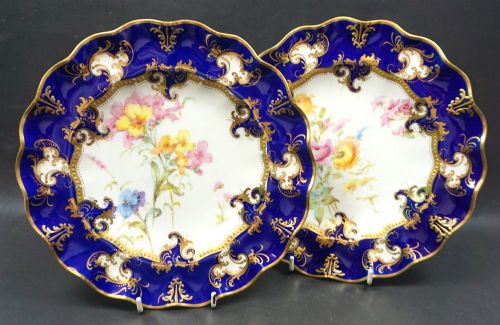
Decoration relied on hand painting executed in rich enamel colours. Artisans added gold leaf detailing to accentuate borders, frames, and central motifs.
Retail Price Guide 2026
Typical UK retail prices for porcelain charger, calculated from the Sellingantiques database of over a million retail prices indexed since 2003. This retail price guide relies exclusively on Sellingantiques data; no external sources or auction records are used, so the figures do not describe the wider market.
One recorded charger depicts the historic Battle of Tolbiac on twenty inches of French Paris porcelain.
What Varies in Quality
Ambition and execution in the painted surface separate standard production from masterwork chargers. Hand-painted historical narratives, such as battle scenes, demand superior draughtsmanship compared to repeated floral or exotic bird patterns.
The application of precious materials like gold leaf and the crispness of the enamel firing determine visual depth. Finer hard-paste porcelain bodies exhibit superior whiteness and thinner throwing without structural compromise.
The Antique Porcelain Charger Glossary
- Charger
- A large ornamental plate traditionally intended for display rather than dining use. These expansive pieces offer a wide canvas for pictorial art and elaborate borders.
- Hard-Paste Porcelain
- A true ceramic composition fired at very high temperatures, producing a dense and vitreous body. It resists scratching and holds fine painted details securely.
- Ironstone
- A heavy, durable earthenware ceramic patented in England that mimics porcelain strength. It serves as a sturdy foundation for brightly coloured enamel glazes.
- Enamel
- Opaque glass-based pigment applied to the fired ceramic surface and fused in a secondary kiln session. This technique locks in vibrant colours and glossy finishes.
- Chinoiserie
- European artistic style reflecting Chinese aesthetic traditions through imaginary landscapes and figures. Artisans applied these exotic motifs to various porcelain forms.
- Meiji Period
- The era in Japanese history spanning from eighteen sixty-eight to nineteen twelve noted for skilled decorative exports. Pieces from this time often feature intricate patterns and distinct glazing.
Frequently Asked Questions
How were antique chargers used?
These large plates were primarily created for display on buffets, sideboards, or walls rather than for serving food at table. Their generous proportions allowed artists to present detailed historical scenes or elaborate decorative patterns.
In grand interiors, they functioned as focal points that demonstrated the wealth and refined taste of the household through their artistic merit.
How do I hang a heavy charger?
Displaying a large porcelain charger safely requires a dedicated wall bracket or spring-loaded plate hanger designed for heavy items. The mount must distribute the weight evenly across the rim and foot ring.
Professional framing or bespoke wall brackets offer secure support for pieces measuring up to twenty inches in diameter.
What is the difference between porcelain and ironstone?
Porcelain is a vitrified ceramic fired at high temperatures to achieve a hard, white, and often translucent body. It forms the basis for fine European and Asian decorative arts.
Ironstone is a heavy, opaque earthenware developed to be exceptionally tough and durable, providing a practical yet refined surface for bold enamel decoration.
How do I care for antique porcelain?
Maintenance involves gentle dusting with a soft, dry cloth to protect delicate enamel painted surfaces and gold leaf highlights. Moisture and harsh cleaning agents can damage historical pigments.
Keep pieces away from direct sunlight and areas subject to sudden temperature changes to preserve the glaze and ceramic body over time.