


French Ceramic Platter
A French ceramic platter brings the height of European kiln artistry straight to your table, offering centuries of hand-painted elegance and form.
French Ceramic Platter
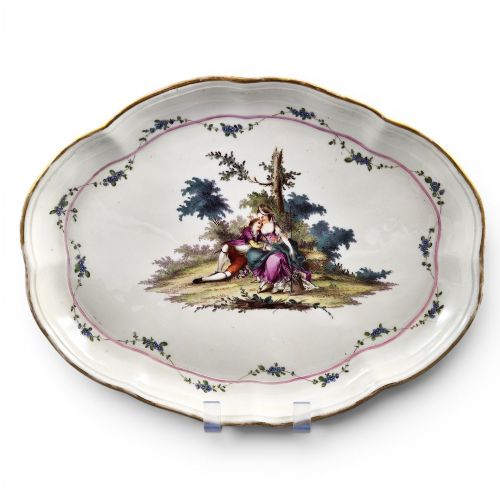
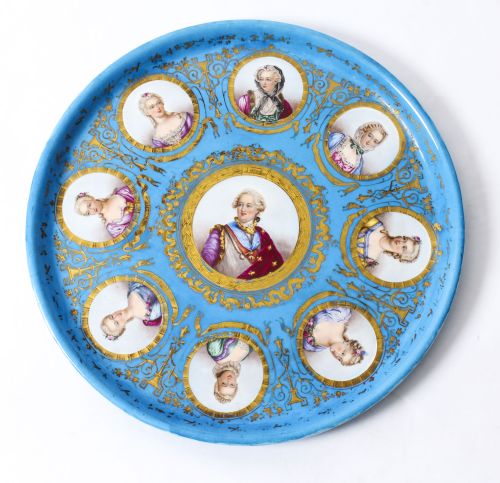
When searching for a French ceramic platter, you encounter an array of serving dishes, chargers, and decorative trays originating from diverse periods including the eighteenth and nineteenth centuries. These pieces encompass regional faience wares alongside refined porcelain objects created in major Parisian and provincial centres.
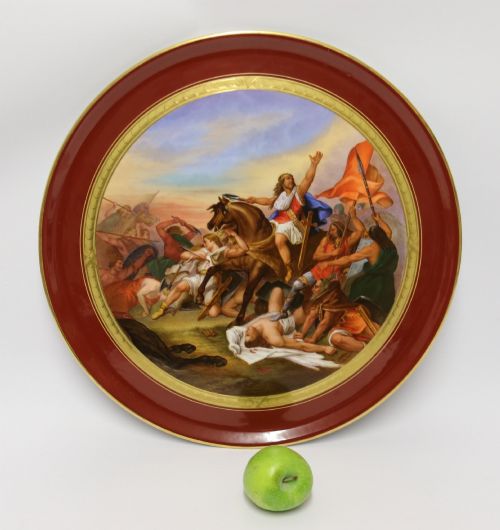
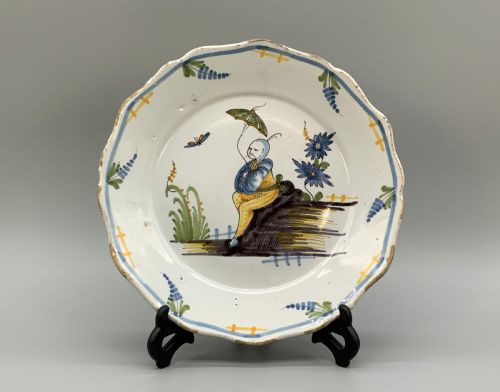
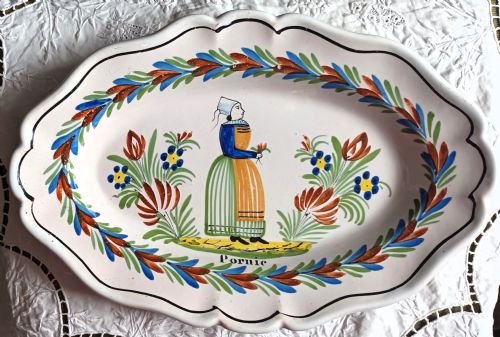
The selections range from tin-glazed earthenware dishes bearing manganese and yellow motifs to elaborate hard-paste porcelain chargers depicting historical battles and pastoral scenes. You will frequently find pieces styled in French Rococo, Neoclassical, and provincial traditions that reflect the aesthetic tastes of their respective eras.
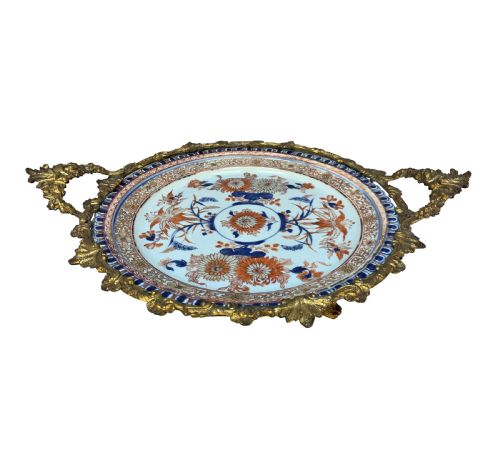
Many items feature complementary mounts of gilt bronze or ormolu, while others display intricate Chinoiserie and Japonesque decoration. This category unites diverse utilitarian and decorative tablewares under the shared banner of French ceramic craftsmanship.
Materials and Techniques
Potters constructed these objects using hard-paste porcelain, tin-glazed earthenware, and faience bodies fired at high temperatures. Artisans then applied hand-painted pigments, enamel work, and occasional gold leaf details.
Many pieces incorporate metalwork elements such as gilt bronze and ormolu mounts, securing the ceramic body within decorative frames and handles.
Listings feature hard-paste porcelain, tin glaze, and earthenware across eighteenth-century and nineteenth-century periods.
Assessing Quality and Execution
Quality reveals itself in the precision of the hand-painted brushwork, particularly in figural scenes and intricate border patterns. Superior pieces demonstrate exceptional control over enamel colours and glaze consistency.
The integration of metal mounts, such as champlevé enamel or chased gilt bronze, distinguishes workshop output. Finer examples exhibit harmonious proportions between the ceramic platter and its metal housing.
Joseph-Gaspard Robert·Pucher Deroche·Louis Pierre Malpass
The French Ceramic Platter Glossary
- Hard-Paste Porcelain
- A dense, vitrified ceramic composed of kaolin and petuntse fired at high temperatures. It produces a ringing tone when struck and resists scratching.
- Charger
- A large decorative plate or platter used traditionally for ceremonial display or as a base plate during formal dining.
- Ormolu
- Finely ground high-carat gold mercury-gilded to a bronze object. It provides durable ornamentation on nineteenth-century porcelain mounts.
- Chinoiserie
- European artistic interpretation of Chinese and East Asian motifs. It appears widely on eighteenth-century tin-glazed dishes and later porcelain.
French Ceramic Platter: Frequently Asked Questions
How do I clean an antique platter?
Dust these items gently with a dry, soft cloth to remove everyday particles. Avoid water immersion or harsh detergents, particularly on pieces with gilt bronze mounts or enamel.
Protect hand-painted surfaces from abrasive materials and direct sunlight to preserve the original pigments.
Can I use these platters for food?
Most antique ceramic dishes serve primarily as decorative objects or display trays rather than functional tableware. Older glazes and pigments may contain materials unsuited for modern consumption.
Display your platter on a sturdy stand or flat surface to appreciate its historical design safely.
What is the difference between faience and porcelain?
Faience consists of tin-glazed earthenware with a porous body and opaque white surface. It forms the basis of many traditional regional wares.
Porcelain utilises hard paste that vitrifies during firing, resulting in a non-porous, highly durable ceramic body capable of holding finer detail.
How do I identify the period of a dish?
Examine the style of painting, the composition of the ceramic body, and any accompanying metal mounts. Eighteenth-century pieces often display looser, expressive brushwork compared to later nineteenth-century manufacturing.
Look for maker marks, painted signatures, and kiln stamps on the reverse of the ceramic body for further dating clues.