


Decorative Gilt Ceramic Platter
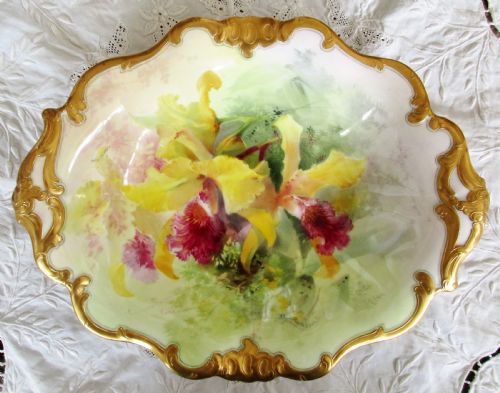
A decorative gilt ceramic platter brings heavy gilding and rich hand-painted palettes together into a display piece meant for a cabinet or central table.
Decorative Gilt Ceramic Platter
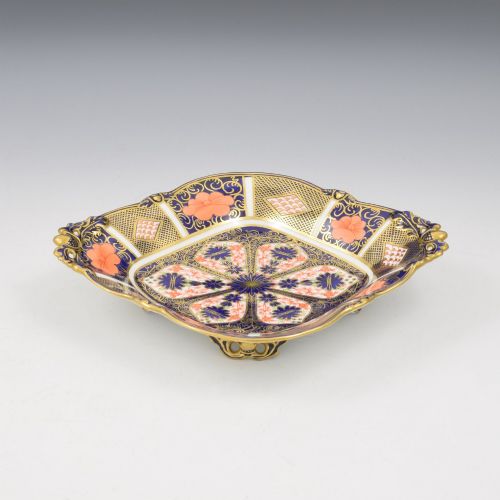
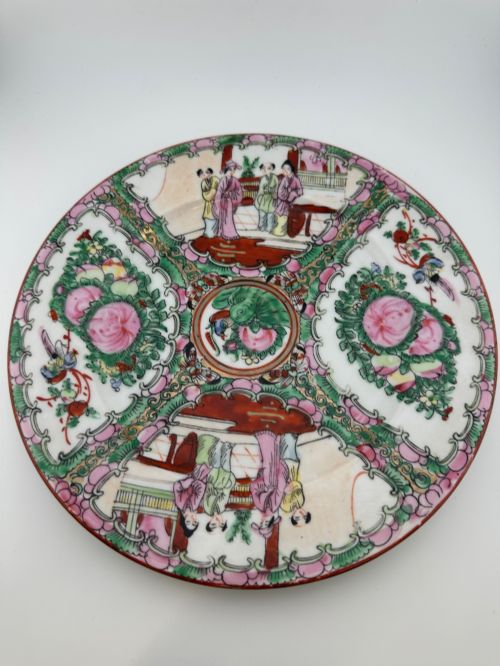
A decorative gilt ceramic platter spans large chargers, cabinet dishes, and centrepiece trays originating from nineteenth-century European factories and Japanese Meiji workshops. These items combine ceramic bodies with prominent gold leaf, gilt finishes, and intricate surface painting.
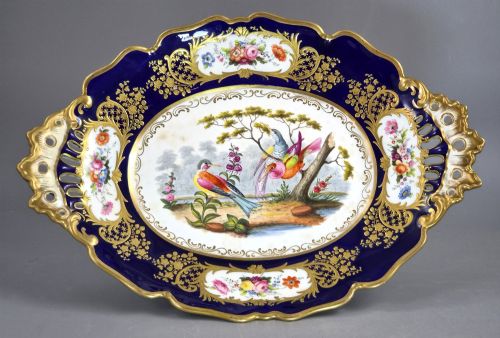
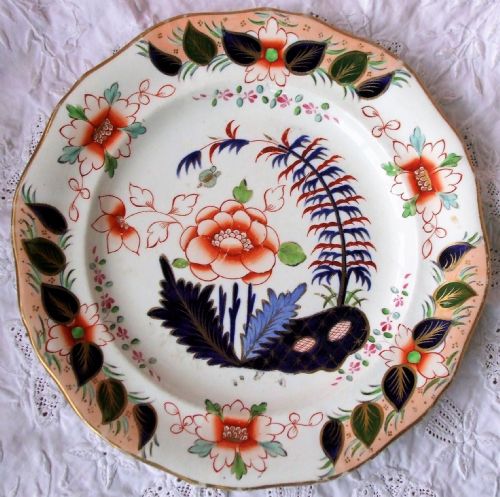
The English examples lean towards ironstone, bone china, and porcelain featuring Imari patterns or botanical studies, while continental pieces from Vienna and France present detailed mythological scenes and champlevé enamel mounts. Japanese Imari and Kutani chargers provide large-scale hand-painted motifs in iron-red and deep blue under heavy gilt highlights.
How They Were Made
Potters shaped hard-paste porcelain, bone china, and heavy ironstone bodies before applying underglaze cobalt blue and iron-red pigments by hand. Many pieces received elaborate hand-painted pictorial scenes, botanical subjects, or traditional Japanese motifs prior to a high-temperature kiln firing.
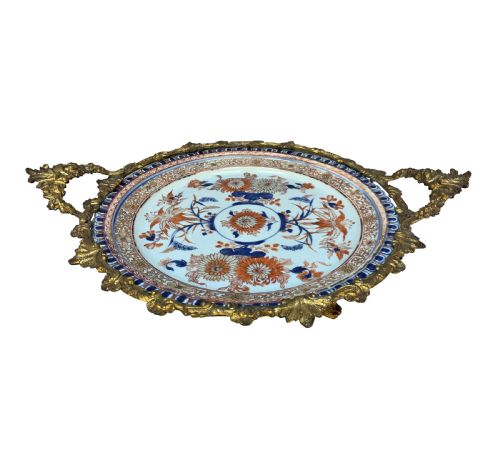
Gilding was applied using gold leaf or liquid gold preparations, sometimes supplemented by cast or chased ormolu, gilt bronze mounts, and champlevé enamel work secured around the ceramic edges.
Platters frequently depict dramatic classical mythology, exotic birds, or fierce samurai alongside quiet botanical studies.
What Varies in Quality
Quality rests upon the crispness of the hand-painted brushwork and the ambition of the subject matter, ranging from simple geometric borders to finely rendered mythological figures and detailed botanical studies by named artists. The depth and preservation of the gold leaf or ormolu mounts heavily influence the visual impact of the piece.
The weight and purity of the ceramic body, whether dense ironstone, translucent bone china, or heavy Japanese porcelain, dictates the structural substance of the charger or tray.
Royal Crown Derby·Royal Doulton·John Davenport of Longport·Royal Worcester·Müller Volkstedt
The Decorative Gilt Ceramic Platter Glossary
- Charger
- A large ornamental plate traditionally intended for display on a sideboard or wall rather than for dining use.
- Imari
- A decorative style originating in Japan, characterised by a palette of underglaze blue, iron-red, and extensive gilt highlights.
- Ormolu
- Finely ground high-carat gold applied to a bronze base, used frequently as decorative mounts on nineteenth-century European porcelain.
- Ironstone
- A heavy, durable type of earthenware patented in the nineteenth century to imitate Chinese porcelain.
- Cabinet dish
- A smaller ceramic plate produced primarily for display in a glass-fronted cabinet.
Decorative Gilt Ceramic Platter: Frequently Asked Questions
How were decorative gilt ceramic platters used?
These large plates and trays were produced primarily for visual display on walls, sideboards, or central tables rather than for serving food.
Heavier chargers often sat on tables or buffets to anchor a room's decorative scheme, while cabinet dishes were housed within display furniture.
How do I clean a gilt ceramic platter?
Gilt surfaces and hand-painted enamels require gentle dusting with a soft, dry cloth to prevent abrasion.
Water and chemical cleaning agents should be avoided, as moisture can lift delicate gold leaf or damage nineteenth-century enamelwork.
What is the difference between Imari and Kutani?
Imari wares rely on a distinct palette combining underglaze blue, iron-red, and generous amounts of gilding in structured panel designs.
Kutani ceramics typically feature bolder pictorial compositions dominated by rich greens, golds, and iron-red pigments depicting natural scenes.
How can I tell a nineteenth-century piece apart?
Nineteenth-century items often carry factory stamps, pattern numbers, or painter signatures impressed or painted into the ceramic base.
The weight of the ironstone or the specific hue of the cobalt blue and ormolu mounts also point toward nineteenth-century manufacturing methods.