




Hand Painted French Tray
A hand painted french tray brings centuries of continental decorative art directly to a table, offering hand-painted detail on porcelain, faience, and metalwork.
Hand Painted French Tray
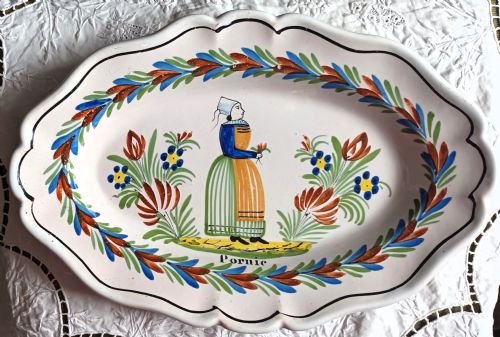
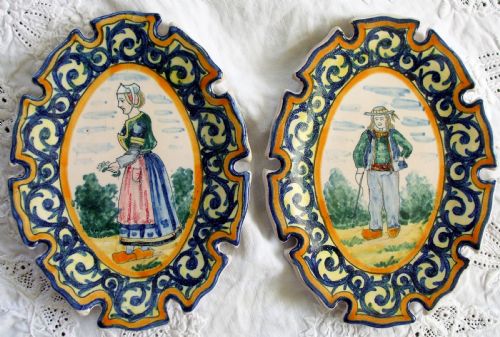
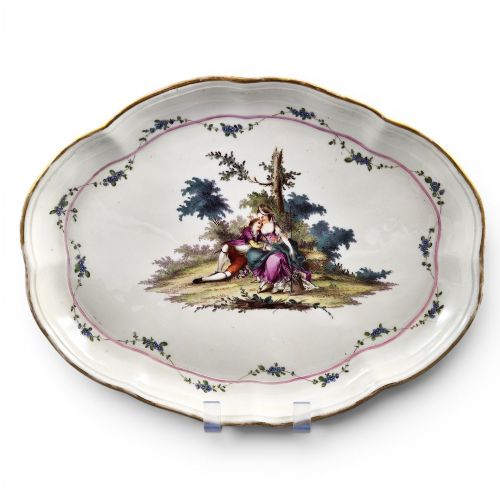
A hand painted french tray encompasses decorative serving dishes, pin trays, trinket dishes, and large centrepieces dating from the eighteenth century through to the twentieth century. The selections available typically span Quimper faience, Sevres porcelain, and Marseille porcelain alongside tole ware.
Buyers frequently encounter nineteenth-century porcelain breakfast sets, dessert sets, and vide-poche dishes alongside provincial earthenware. These pieces bridge functional servingware and ornamental display, carrying pastoral scenes, blue and white motifs, and floral patterns.
Regional variations connect these items to specific French traditions, from Parisian porcelain factories to Quimper workshops. Each form reflects the domestic habits of its period, whether for serving tea or holding small personal items.
Materials and Construction
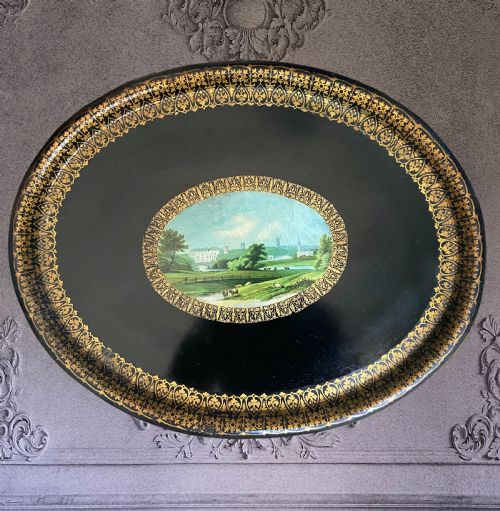
Potters and artisans formed these items from porcelain, ceramic, earthenware, and faience, often mounting them in gilt bronze or ormolu. Metal trays utilise tole ware techniques with hand-painted surfaces.
Decoration relied on hand-applied pigments, gilding, and gold leaf, complemented by champlevé enamel on mountings. Faience pieces display traditional blue and white painting under a tin glaze, whilst porcelain utilises delicate overglaze enamel work.
Assessing Quality
Quality rests on the crispness of the hand painting and the fineness of the porcelain body or earthenware paste. Superior examples demonstrate precise brushwork in figurative scenes and floral motifs.
The sophistication of metal mounts, such as gilt bronze or ormolu, distinguishes finer pieces from standard production. Intricate champlevé enamel work and intact gilding elevate the standing of an item within its period.
Joseph Gaspard Robert·Samson Paris·Louis Pierre Malpass
The Hand Painted French Tray Glossary
- Faience
- Tin-glazed earthenware produced in France, often hand-painted in blue and white. It forms the basis of many traditional provincial pieces.
- Vide-poche
- A small pocket-emptier tray designed for holding loose change, pins, or trinkets. These small dishes appear frequently in nineteenth-century domestic settings.
- Ormolu
- Gilded bronze applied as mounts and feet on porcelain trays and centrepieces. This decorative metalwork adds structural weight and visual contrast.
- Tole ware
- Painted or lacquered sheet metal used for decorative trays and household items. These pieces showcase durable painted surfaces.
- Champleve
- An enamelling technique where troughs are carved into metal and filled with vitreous enamel before firing. It appears on nineteenth-century bronze mounts.
Hand Painted French Tray: Frequently Asked Questions
How do I clean a painted porcelain tray?
Clean these surfaces gently with a soft, dry cloth to remove dust. Avoid submerging antique pieces in water or using harsh abrasives that might damage the hand-painted details and gilding.
For metal mounts or tole ware, a damp cloth should be used sparingly, followed immediately by thorough drying to protect the finish.
Are these trays suitable for daily use?
Most antique pieces function better as decorative display items, trinket holders, or light serving dishes rather than heavy daily tableware. The delicate nature of hand-painted enamels and gold leaf requires careful handling.
Using them for dry items like visiting cards, jewellery, or occasional dessert service preserves the painted surfaces for the future.
How can I tell an eighteenth-century tray from a nineteenth-century copy?
Dating relies on examining the characteristics of the porcelain paste, glaze pooling, and the style of the hand-painted brushwork. Eighteenth-century pieces often show specific potting irregularities and distinct regional palettes.
Maker marks, where present, provide further clues, though many provincial pieces and earlier works remain unmarked or attributed through stylistic comparison.
What is the difference between faience and porcelain?
Faience is a tin-glazed earthenware that is opaque and slightly heavier, typical of regional French provincial workshops like Quimper. Porcelain is a vitrified, finer ceramic body that can be translucent and forms the basis of finer Parisian wares.
Both materials support hand-painted decoration, but porcelain allows for more delicate overglaze enamel work and gilding.