36,035  PAGES BROWSED TODAY PAGES TODAY 211 ANTIQUES UPLOADED TODAYNEW ARRIVALS
211 ITEMS ADDED TODAY
Sort Order
Items Per Page
Browse Categories
Sort order
Relevant Links
Items per page
ID #SA1036893
FOR SALE
£450
Email
Save
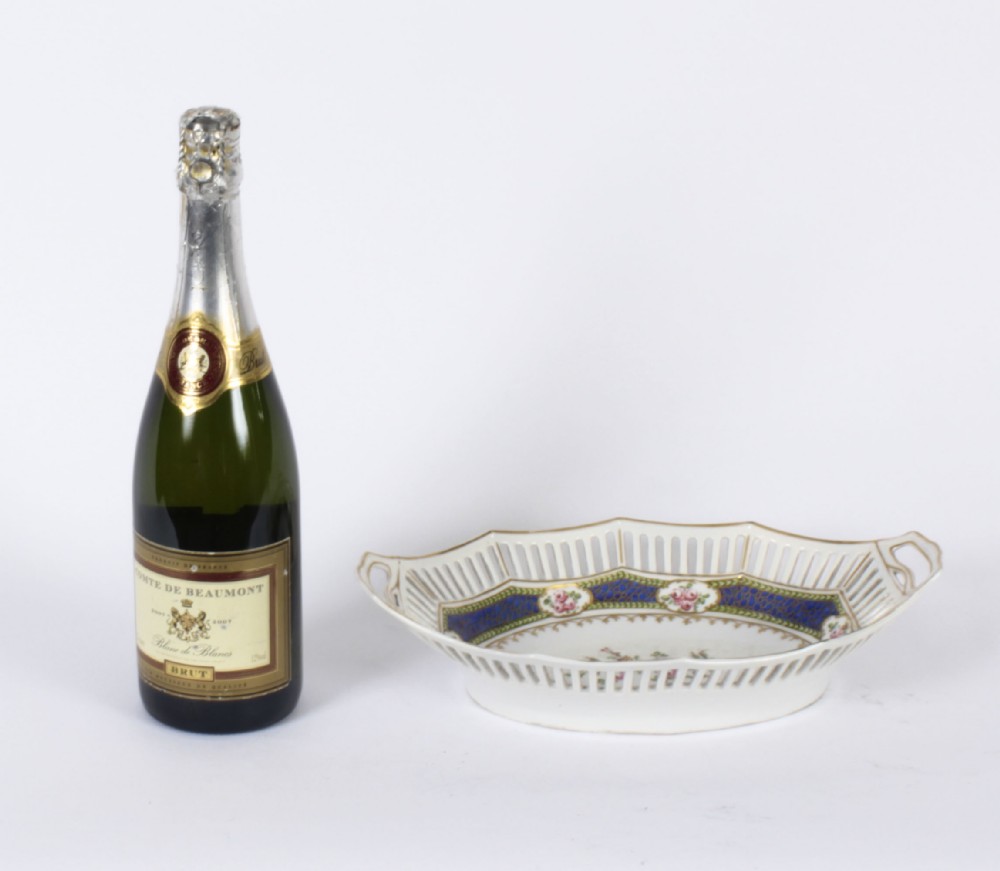
Antique French Sevres Oval Porcelain Dish Late 19th Century
Regent Antiques
for sale €527     $572
£450
Regent Antiques

Regent Antiques

Sellingantiques Verified Since Sep 2016
Browse dealers 639 items
  • About Us
    We specialise in english and continental furniture, silver, porcelain and decorative items.
  • Trade Associations
    Regent Antiques is a registered member of LAPADA  CINOA
Id #SA1036893
PDF SHARE
SAVE

Antique French Sevres Oval Porcelain Dish Late 19th Century

19th century
For Sale by Regent Antiques
Description

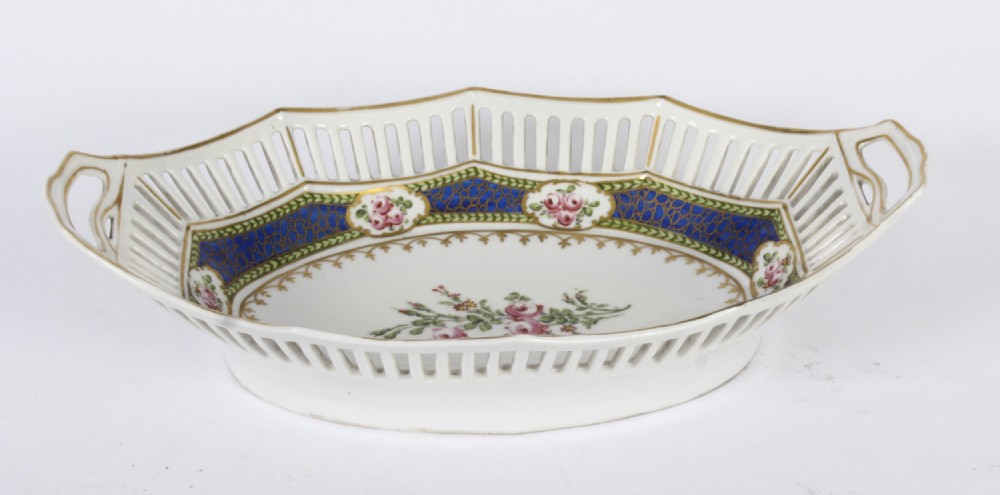
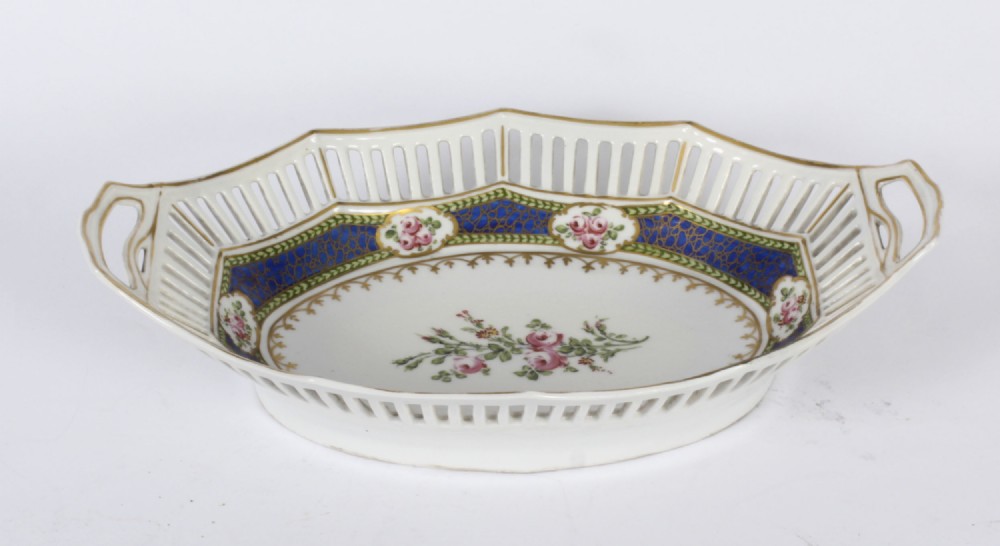
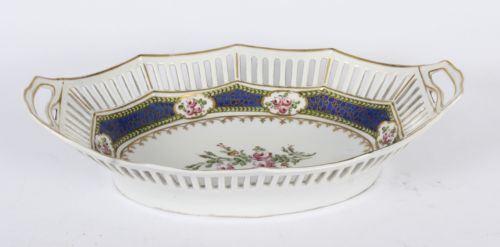
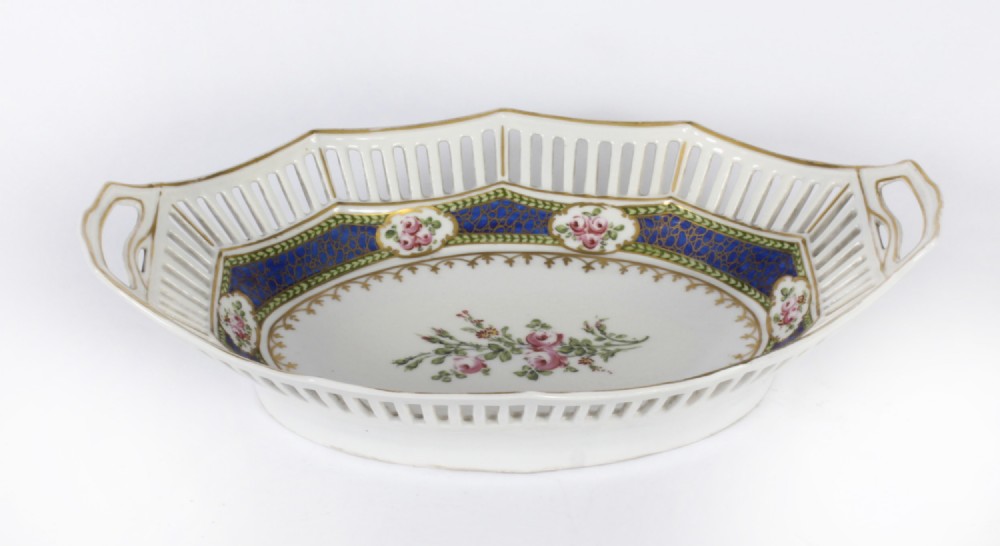
This is a decorative antique French Sevres oval porcelain dish, dating from Circa 1880.

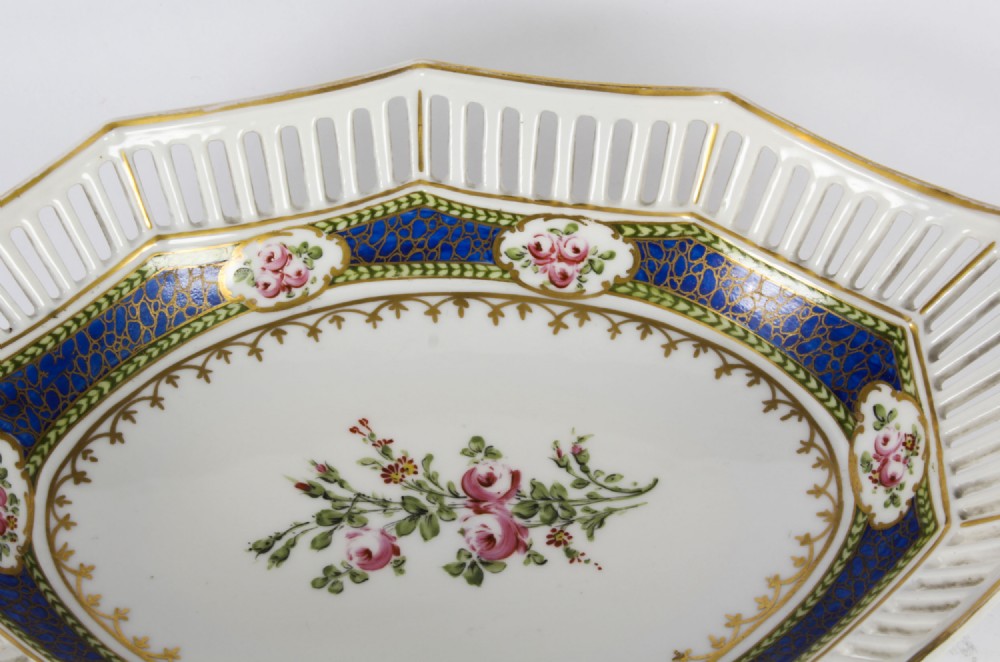
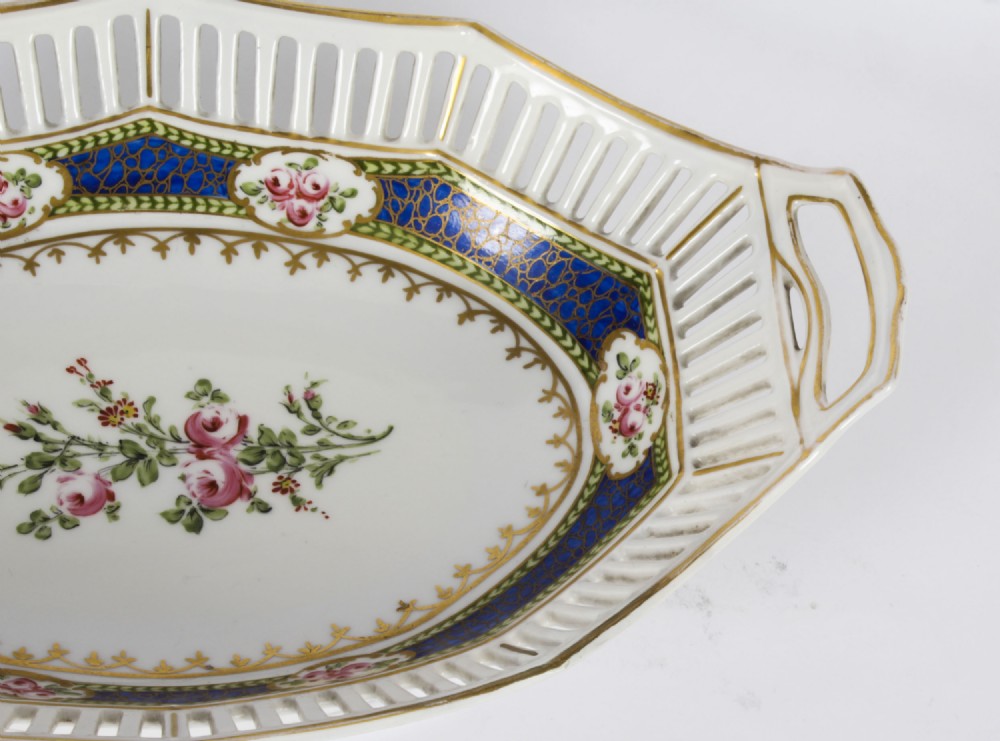
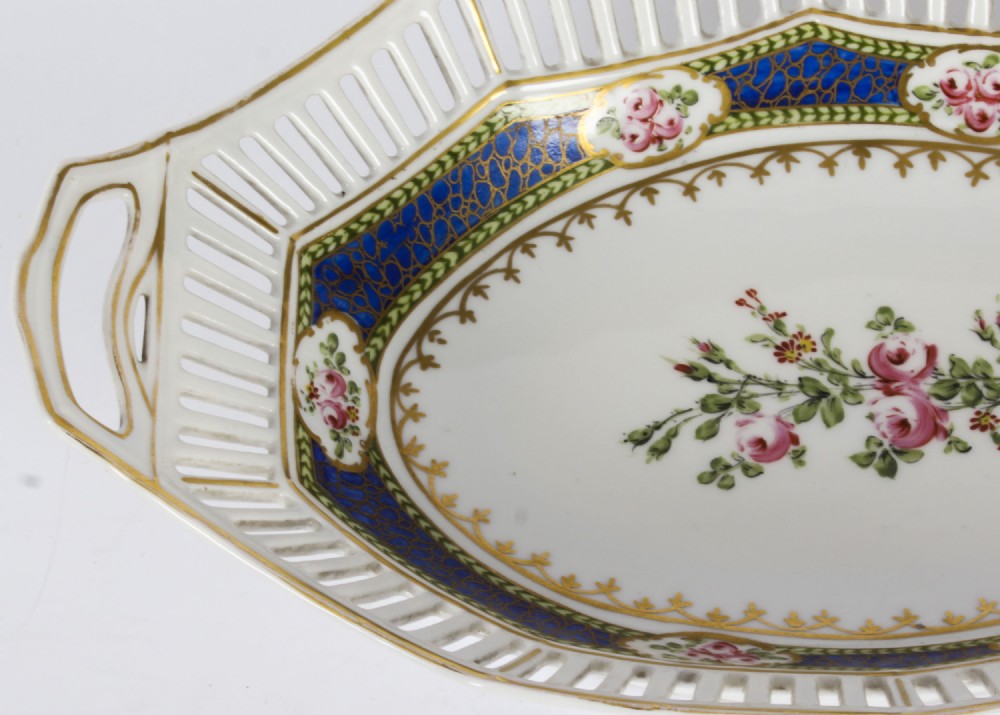
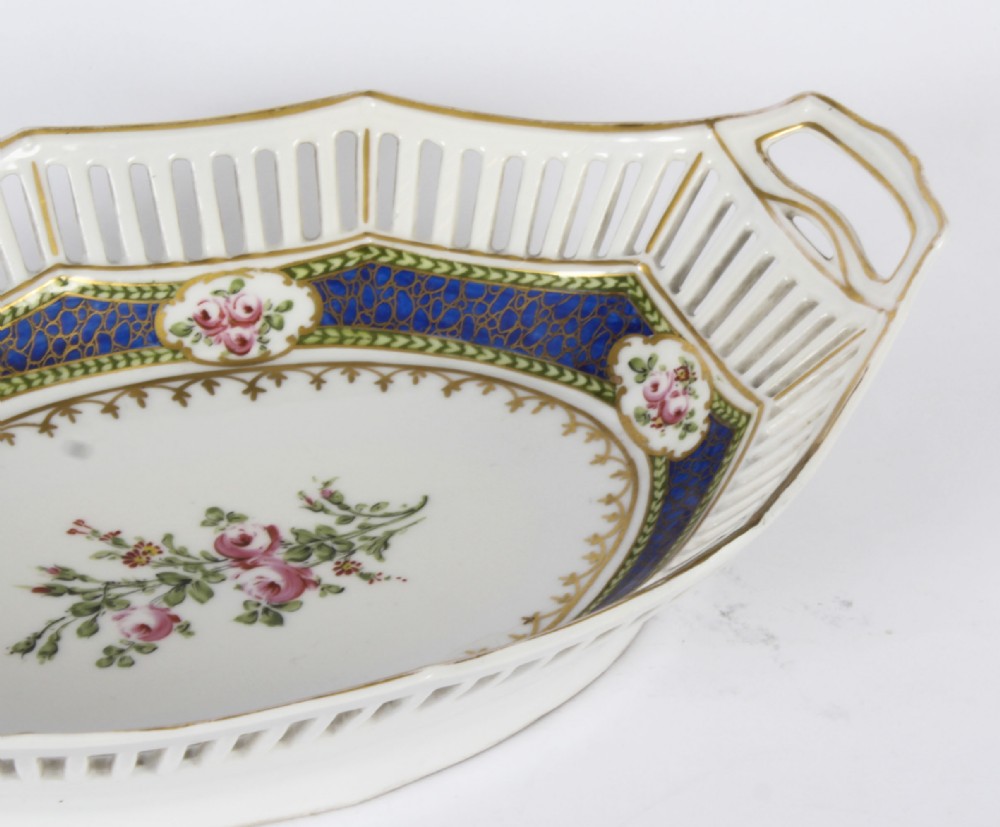
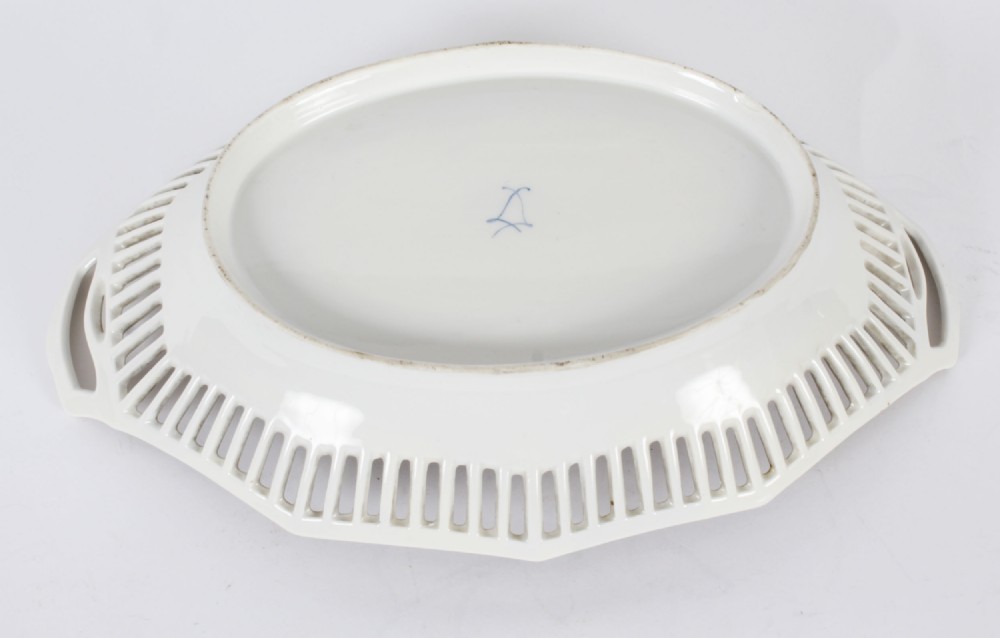
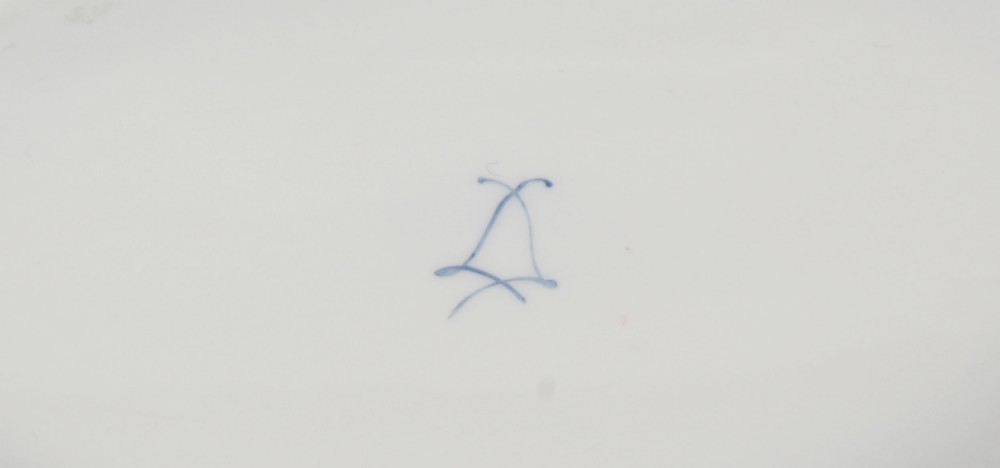
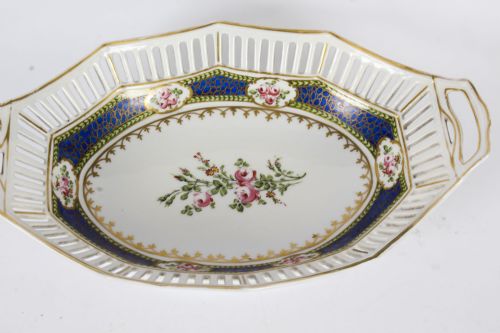
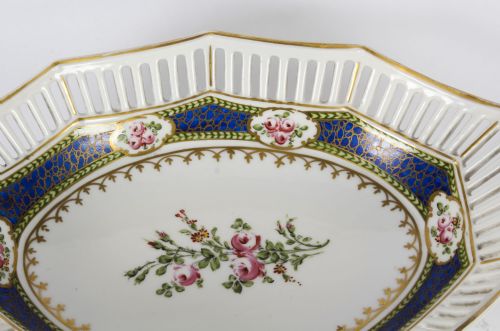
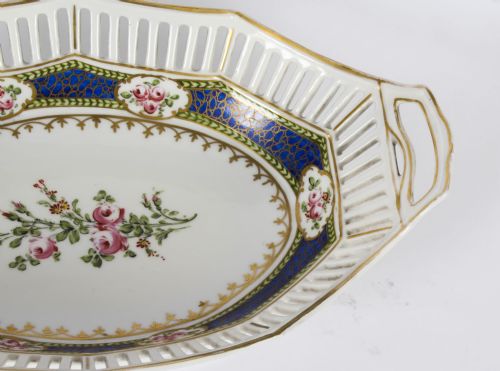
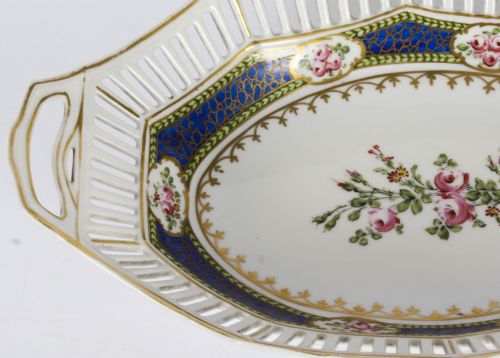
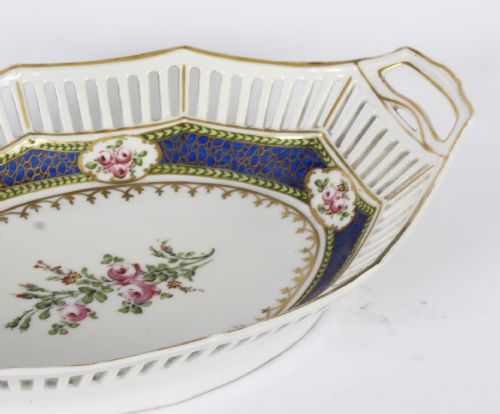
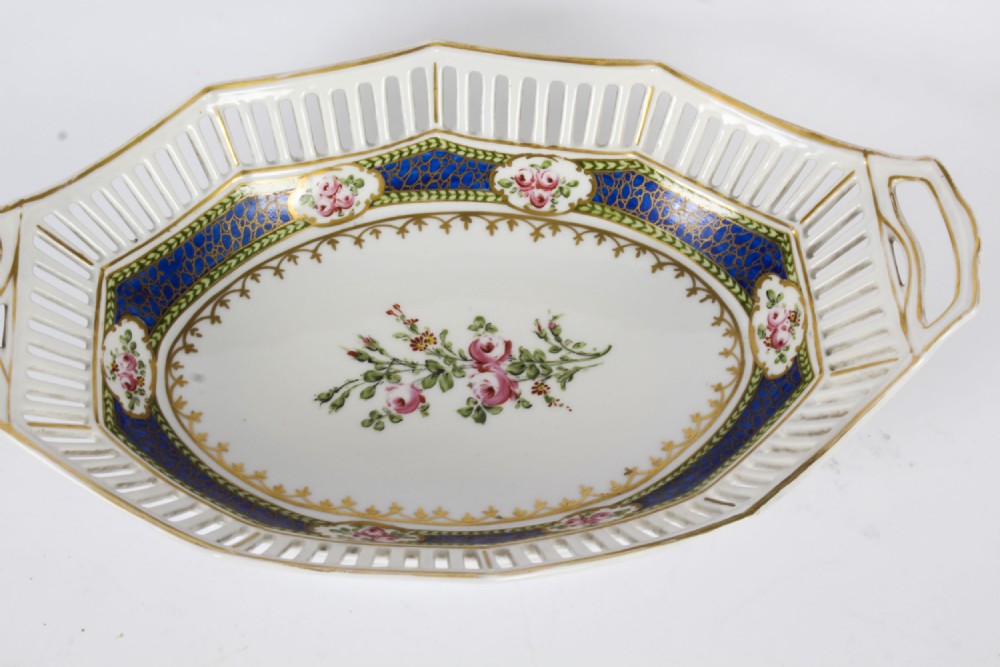
The oval pierced borderwith gilt highlights with a striking Bleu Royal inner border, the centre masterfully hand painted with flowers, the border interspersed with six panels hand painted with floral sprays. The rear bears the blue interlaced LL marks for Sevres.
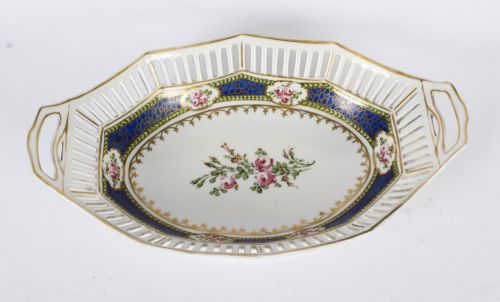
There is no mistaking the quality and unique design of this dish which is sure to be a treasured addition to your home.

Condition:

In excellent condition with no chips, cracks or signs of repair, please see photos for confirmation of condition.

Dimensions in cm:

Height 7 cm x Width 31 cm x Depth 19 cm

Dimensions in inches:
Height 3 inches x Width 1 foot x Depth 7 inches

Sevres Porcelain

traces its roots in France to early craftsmen who had small manufacturing operations in such places as Lille, Rouen. St. Cloud, and most notably Chantilly. It is from Chantilly that a cadre of workers migrated to the Chateau de Vincennes near Paris to form a larger porcelain manufactory in 1738.
French King Louis XV, perhaps inspired by his rumoured relationship with mistress Madame de Pompadour, took an intense interest in porcelain and moved the operation in 1756 to even larger quarters in the Paris suburb of Sevres. Sevres was also conveniently near the home of Madame de Pompadour and the King's own Palace at Versailles.
From the outset the king's clear aim was to produce Sevres Porcelain that surpassed the established Saxony works of Meissen and Dresden. Though the French lacked an ample supply of kaolin, a required ingredient for hard-paste porcelain (pate dure), their soft-paste porcelain (pate tendre) was fired at a lower temperature and was thus compatible with a wider variety of colours and glazes that in many cases were also richer and more vivid. Unglazed white Sevres Porcelain "biscuit" figurines were also a great success. However, soft-paste Sevres Porcelain was more easily broken. Therefore, early pieces of Sevres Porcelain that remain intact have become rare indeed.
The Sevres Porcelain manufactory always seemed to be in dire financial straits despite the incredibly fine works it produced. In fact, the king's insistence that only the finest items be created may have contributed to the difficulties. Only a limited number of European nobility could afford the extravagant prices demanded for such works. King Louis XV and eventually his heir, the ill-fated Louis XVI, were obliged to invest heavily in the enterprise. Ultimately, the Sevres Porcelain Factory produced items under the name of "Royal" and thus the well-known Sevres mark was born. King Louis XV even mandated laws that severely restricted other porcelain production in France so as to retain a near monopoly for his Sevres Porcelain. The king even willingly became chief salesman for the finest of his products, hosting an annual New Year's Day showing for French nobility in his private quarters at Versailles. He eagerly circulated among potential buyers, pitching the merits of ownership and policing the occasional light-fingered guest.
Sevres Porcelain may have indeed given the makers of Meissen and Dresden a run for their money by the end of the 18th Century but for the French Revolution. By 1800, the Sevres Porcelain Works were practically out of business due to the economic devastation of the new French Republic.
About the time when Napoleon Bonaparte named himself Emperor of France (1804), a new director was named for the Sevres Porcelain Manufactory. Alexandre Brongniart, highly educated in many fields, resurrected Sevres Porcelain. Soft-paste porcelain was eliminated altogether thanks to the earlier discovery of kaolin near Limoges. For four decades until his death, Brongniart presided over monumental progress for Sevres Porcelain, catering not only to Napoleon himself, but at la

Physical Dimensions
Height
7cm (2.76")
Width
31cm (12.20")
Depth
19cm (7.48")
Declaration

Regent Antiques has dated this Antique Sevres Porcelain Dish to the 1880s.

Reference Numbers
Sellingantiques Reference
SA1036893
Dealers Internal Reference
A3473
Description
This is a decorative antique French Sevres oval porcelain dish, dating from Circa 1880.

The oval pierced borderwith gilt highlights with a striking Bleu Royal inner border, the centre masterfully hand painted with flowers, the border interspersed with six panels hand painted with floral sprays. The rear bears the blue interlaced LL marks for Sevres.

There is no mistaking the quality and unique design of this dish which is sure to be a treasured addition to your home.
Regent Antiques
fig 1. An oval late 19th-century French porcelain dish with reticulated pierced edges, cobalt blue gilded borders, and central hand-painted floral motifs.
fig 1. Antique French Sevres Oval Porcelain Dish Late 19th Century

Condition:

In excellent condition with no chips, cracks or signs of repair, please see photos for confirmation of condition.

Dimensions in cm:

Height 7 cm x Width 31 cm x Depth 19 cm

Dimensions in inches:

fig 2. An oval late 19th-century French porcelain dish with reticulated pierced edges, cobalt blue gilded borders, and central hand-painted floral motifs.
fig 2. Antique French Sevres Oval Porcelain Dish Late 19th Century

Height 3 inches x Width 1 foot x Depth 7 inches

Sevres Porcelain

traces its roots in France to early craftsmen who had small manufacturing operations in such places as Lille, Rouen. St. Cloud, and most notably Chantilly. It is from Chantilly that a cadre of workers migrated to the Chateau de Vincennes near Paris to form a larger porcelain manufactory in 1738.

fig 3. An oval late 19th-century French porcelain dish with reticulated pierced edges, cobalt blue gilded borders, and central hand-painted floral motifs.
fig 3. Antique French Sevres Oval Porcelain Dish Late 19th Century

French King Louis XV, perhaps inspired by his rumoured relationship with mistress Madame de Pompadour, took an intense interest in porcelain and moved the operation in 1756 to even larger quarters in the Paris suburb of Sevres. Sevres was also conveniently near the home of Madame de Pompadour and the King's own Palace at Versailles.

fig 4. An oval late 19th-century French porcelain dish with reticulated pierced edges, cobalt blue gilded borders, and central hand-painted floral motifs.
fig 4. Antique French Sevres Oval Porcelain Dish Late 19th Century

From the outset the king's clear aim was to produce Sevres Porcelain that surpassed the established Saxony works of Meissen and Dresden. Though the French lacked an ample supply of kaolin, a required ingredient for hard-paste porcelain (pate dure), their soft-paste porcelain (pate tendre) was fired at a lower temperature and was thus compatible with a wider variety of colours and glazes that in many cases were also richer and more vivid. Unglazed white Sevres Porcelain "biscuit" figurines were also a great success. However, soft-paste Sevres Porcelain was more easily broken. Therefore, early pieces of Sevres Porcelain that remain intact have become rare indeed.

fig 5. An oval late 19th-century French porcelain dish with reticulated pierced edges, cobalt blue gilded borders, and central hand-painted floral motifs.
fig 5. Antique French Sevres Oval Porcelain Dish Late 19th Century

The Sevres Porcelain manufactory always seemed to be in dire financial straits despite the incredibly fine works it produced. In fact, the king's insistence that only the finest items be created may have contributed to the difficulties. Only a limited number of European nobility could afford the extravagant prices demanded for such works. King Louis XV and eventually his heir, the ill-fated Louis XVI, were obliged to invest heavily in the enterprise. Ultimately, the Sevres Porcelain Factory produced items under the name of "Royal" and thus the well-known Sevres mark was born. King Louis XV even mandated laws that severely restricted other porcelain production in France so as to retain a near monopoly for his Sevres Porcelain. The king even willingly became chief salesman for the finest of his products, hosting an annual New Year's Day showing for French nobility in his private quarters at Versailles. He eagerly circulated among potential buyers, pitching the merits of ownership and policing the occasional light-fingered guest.

fig 6. An oval late 19th-century French porcelain dish with reticulated pierced edges, cobalt blue gilded borders, and central hand-painted floral motifs.
fig 6. Antique French Sevres Oval Porcelain Dish Late 19th Century

Sevres Porcelain may have indeed given the makers of Meissen and Dresden a run for their money by the end of the 18th Century but for the French Revolution. By 1800, the Sevres Porcelain Works were practically out of business due to the economic devastation of the new French Republic.

fig 7. An oval late 19th-century French porcelain dish with reticulated pierced edges, cobalt blue gilded borders, and central hand-painted floral motifs.
fig 7. Antique French Sevres Oval Porcelain Dish Late 19th Century

About the time when Napoleon Bonaparte named himself Emperor of France (1804), a new director was named for the Sevres Porcelain Manufactory. Alexandre Brongniart, highly educated in many fields, resurrected Sevres Porcelain. Soft-paste porcelain was eliminated altogether thanks to the earlier discovery of kaolin near Limoges. For four decades until his death, Brongniart presided over monumental progress for Sevres Porcelain, catering not only to Napoleon himself, but at la

Height
7cm (2.76")
Width
31cm (12.20")
Depth
19cm (7.48")
Date of Manufacture

Regent Antiques has dated this Antique Sevres Porcelain Dish to the 1880s.

Reference Numbers
Sellingantiques Ref
SA1036893
Dealers Internal Ref
A3473
Regent Antiques
Regent Antiques
Sellingantiques verified Since Sep 2016

We specialise in english and continental furniture, silver, porcelain and decorative items.

Dealer Profile

You can view the stock and full dealer information on the Regent Antiques Profile Page

Trade Associations

Regent Antiques is a registered member of LAPADA  CINOA
PDF SHARE
SAVE
An oval late 19th-century French porcelain dish with reticulated pierced edges, cobalt blue gilded borders, and central hand-painted floral motifs.
1 / 12
Archive I An oval late 19th-century French porcelain dish with reticulated pierced edges, cobalt blue gilded borders, and central hand-painted floral motifs.

Antique French Sevres Oval Porcelain Dish Late 19th Century
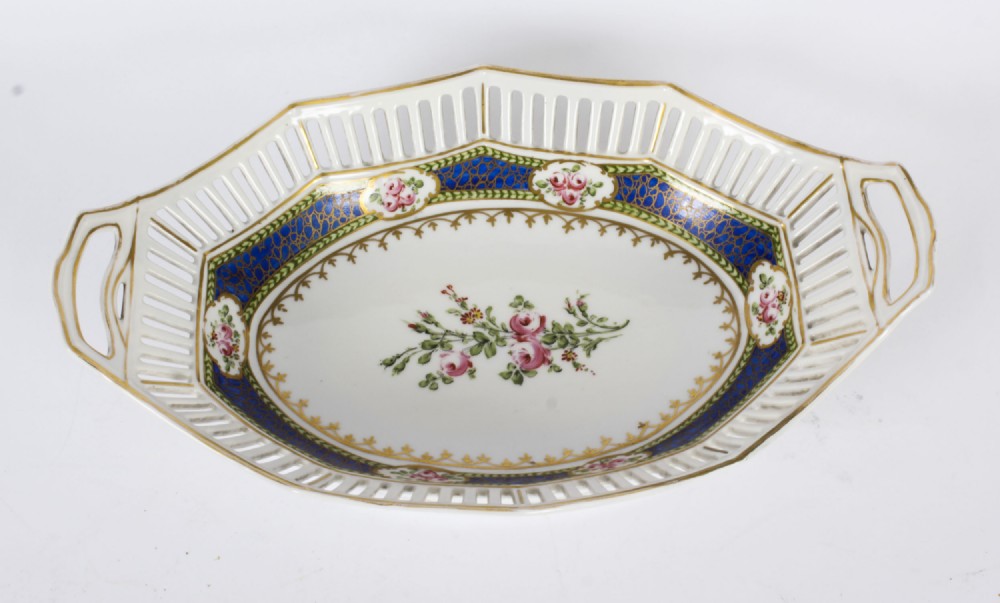
Archive II An oval late 19th-century French porcelain dish with reticulated pierced edges, cobalt blue gilded borders, and central hand-painted floral motifs. View II
Archive III An oval late 19th-century French porcelain dish with reticulated pierced edges, cobalt blue gilded borders, and central hand-painted floral motifs. View III
Archive IV An oval late 19th-century French porcelain dish with reticulated pierced edges, cobalt blue gilded borders, and central hand-painted floral motifs. View IV
Archive V An oval late 19th-century French porcelain dish with reticulated pierced edges, cobalt blue gilded borders, and central hand-painted floral motifs. View V
Archive VI An oval late 19th-century French porcelain dish with reticulated pierced edges, cobalt blue gilded borders, and central hand-painted floral motifs. View VI
Archive VII An oval late 19th-century French porcelain dish with reticulated pierced edges, cobalt blue gilded borders, and central hand-painted floral motifs. View VII
Archive VIII An oval late 19th-century French porcelain dish with reticulated pierced edges, cobalt blue gilded borders, and central hand-painted floral motifs. View VIII
Archive IX An oval late 19th-century French porcelain dish with reticulated pierced edges, cobalt blue gilded borders, and central hand-painted floral motifs. View IX
Archive X An oval late 19th-century French porcelain dish with reticulated pierced edges, cobalt blue gilded borders, and central hand-painted floral motifs. View X
Archive XI An oval late 19th-century French porcelain dish with reticulated pierced edges, cobalt blue gilded borders, and central hand-painted floral motifs. View XI
Archive XII An oval late 19th-century French porcelain dish with reticulated pierced edges, cobalt blue gilded borders, and central hand-painted floral motifs. View XII
Enlarged Archival View
Location
Manor Warehouse
318 Green Lanes
London
N4 1BX
United Kingdom
Verified Since Sep 2016
Items For Sale 639
Items Sold 2,642
Regent Antiques
Regent Antiques
Verified Since Sep 2016
View Dealer Info
Location: Manor Warehouse, 318 Green Lanes, London, N4 1BX, United Kingdom
Verified
Sep 2016
For Sale
639
Sold
2,642
An oval late 19th-century French porcelain dish with reticulated pierced edges, cobalt blue gilded borders, and central hand-painted floral motifs.
Antique French Sevres Oval Porcelain Dish Late 19th Century
Ref: SA1036893
An oval late 19th-century French porcelain dish with reticulated pierced edges, cobalt blue gilded borders, and central hand-painted floral motifs.
Detail View 1
Detail View 2
Detail View 3
Detail View 4
Detail View 5
Detail View 6
Detail View 7
Detail View 8
Detail View 9
Detail View 10
Detail View 11
Archival Detail
Every single antique dealer on our platform is individually approved by our internal team. We verify their professional trade history, ethical standards, and photographic quality to ensure a secure, high-standard buying environment. Upon joining, every dealer agrees to a strict 9-point code of conduct. While issues can occasionally arise, our dealers typically resolve them swiftly and directly with the buyer. In fact, since our founding in 2002, Sellingantiques has only had to step in to help resolve an issue on roughly five occasions—a true testament to the quality of our dealers and their dedication to your happiness.
Our dealers are highly experienced in packing and shipping fragile, high-value antiques. Because you are in direct contact with the dealer, you will be able to easily go through all available shipping and insurance options together to ensure your item arrives safely.
Antiques are the ultimate green purchase. By choosing historical pieces over newly manufactured goods, you completely eliminate the carbon footprint of modern mass production while preserving exceptional, timeless craftsmanship.

Sevres-style porcelain originates from the traditions established by the French national manufactory in the 18th century, characterized by detailed hand-painted enamelling, heavy gilding, and rich ground colours such as cobalt blue.

Reticulated porcelain is crafted from fine porcelain clay, where intricate lattice patterns are hand-cut from the wet clay body prior to the initial firing, followed by glaze application, hand painting, and gilding.

Authentic pieces generally display precise hand-painted detail rather than transfer prints, fine-quality gilding, crisp reticulation cuts, and period-appropriate makers marks or interlaced letters painted under or over the glaze.

An antique porcelain dish can be placed as a decorative focal point on a sideboard, console table, or dining surface, displayed either unadorned to showcase the central floral artwork or filled with neutral decorative items.

Gilded porcelain should be cleaned gently by hand using lukewarm water and mild liquid soap, avoiding abrasive sponges, harsh chemical cleaners, or immersion in hot water, and kept out of dishwashers.
items
Add keywords to the filter
Price
£100
£250000
Era
Movements
Material
Origin
Stock Location
Freshness
Online Payments
Categories