


Sevres Porcelain Dish
A sevres porcelain dish brings French elegance to a room, combining hand-painted scenes with rich gilding.
Sevres Porcelain Dish
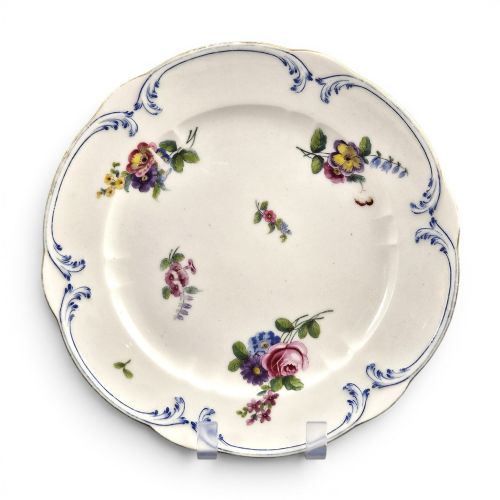
When you search for a sevres porcelain dish, you encounter a range of fine French porcelain items from cabinet plates and comports to oval dishes and trays. These pieces bridge centuries of design, encompassing genuine eighteenth-century production alongside nineteenth-century revival and style pieces.
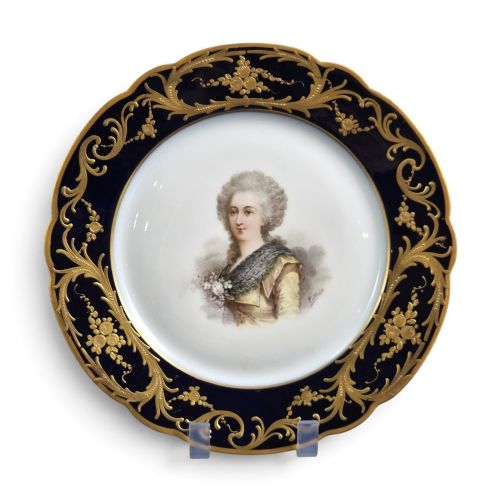
The most common examples on this page date from the nineteenth century, reflecting the intense Victorian and later fascination with French Rococo and Louis XVI revivals. You will frequently find cabinet plates and decorative trays adorned with hand-painted portraits, pastoral scenes, or military battles.
Originating primarily from French workshops, these items also appear in the manner of Sevres or created by contemporary makers such as Samson of Paris. They served as decorative focal points in period interiors and continue to function as striking display pieces today.
What varies in quality
The fineness of the hand-painted brushwork dictates much of the distinction between ordinary and exceptional pieces, particularly in facial expressions and landscape details. Portraits and battle scenes executed with minute precision command greater visual depth than generalized floral motifs.
The application and preservation of the gilding and enamel work also establish the hierarchy of pieces. Rich, burnished gold leaf and robust ormolu mounts signal superior workshop standards compared to flat, rubbed gilding.
Object types on this page include cabinet plates, comports, soup tureens, and inkstands decorated with military scenes and portraits.
Ambroise Michel·Samson Paris
The Sevres Porcelain Dish Glossary
- Soft-Paste Porcelain
- An artificial porcelain body composed of white clay and fritted glass, fired at lower temperatures than hard-paste. It produces a warm, creamy texture that absorbs enamel colours deeply.
- Gilt Bronze
- An alloy of copper and zinc finished with a layer of finely ground gold. It provides sturdy architectural framing for porcelain dishes and centrepieces.
- Champlevé Enamel
- A technique where troughs are dug into a metal surface and filled with vitreous enamel before firing. It adds colourful geometric or floral patterns to metal mounts.
- Comport
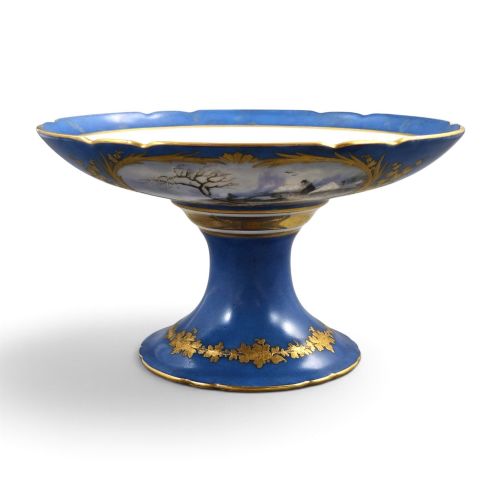
- A raised dish or bowl elevated on a pedestal, used traditionally for serving fruit or sweets. They form part of larger table centrepiece arrangements.
- Bleu Céleste
- A vibrant turquoise blue ground colour developed at the Sevres factory. It serves as a striking backdrop for central hand-painted medallions.
Sevres Porcelain Dish: Frequently Asked Questions
What is a sevres porcelain dish?
A sevres porcelain dish is a decorative ceramic piece originating from France or created in the distinct manner of the historic Sevres factory. These items include plates, trays, and comports characterised by fine painting and gilding.
They represent various periods from the eighteenth century through the late nineteenth-century revivals, capturing French artistic styles.
How were these dishes used originally?
These pieces served primarily as decorative table wares, dessert plates, or cabinet display items in prosperous homes. They demonstrated the owner's taste and wealth through elaborate artistic scenes.
Larger items like centrepieces and comports held fruit or floral arrangements during formal dining occasions.
How do I care for a sevres dish?
Display these items securely on stable surfaces away from direct sunlight to protect the painted enamels and delicate gilding. Dust them gently with a soft, dry brush.
Avoid using water, chemical cleaners, or abrasive cloths, as these can permanently damage the fragile surface decoration.
How can I tell the period?
Dating relies on examining the porcelain body, the style of the painted subject matter, and any visible factory marks on the reverse. Eighteenth-century pieces often feature softer pastes and simpler Rococo forms, whereas nineteenth-century items embrace heavier gilding and revival aesthetics.
Comparing the mount techniques and enamel richness further clarifies the era of manufacture.