




French Ceramic Centrepiece Dish
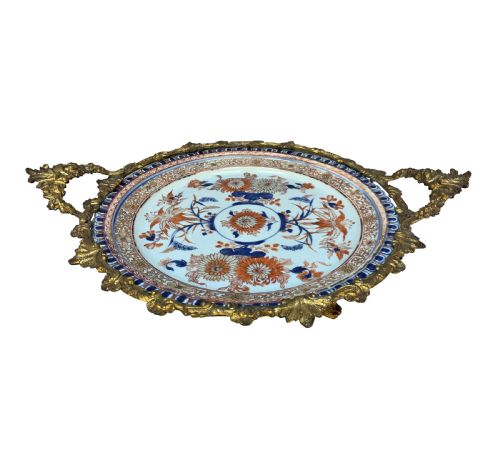
A French ceramic centrepiece dish brings sculptural presence to a table, combining hand-painted porcelain or faience with gilt bronze and ormolu mounts.
French Ceramic Centrepiece Dish
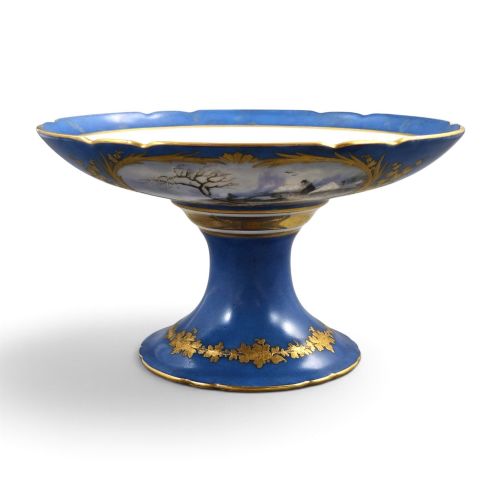
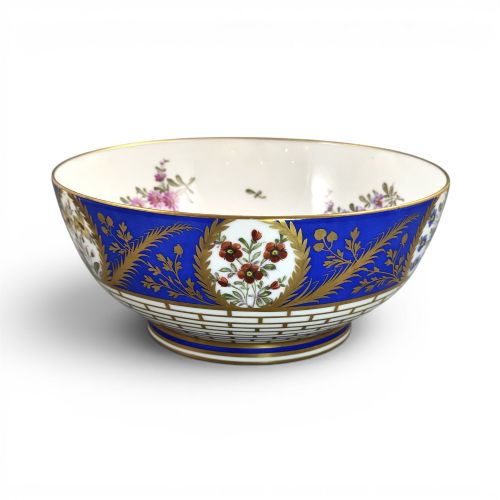
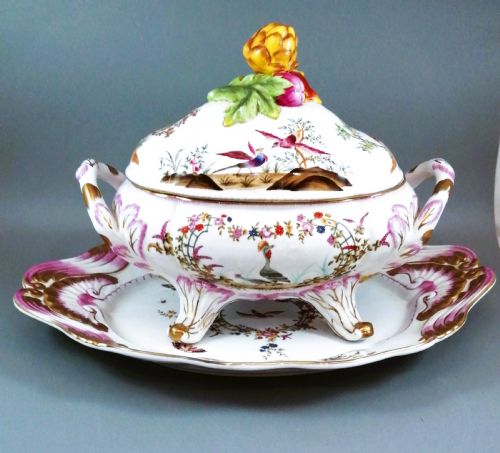
When you search for a french ceramic centrepiece dish, you encounter substantial serving vessels, footed bowls, comports, and lidded tureens intended to anchor a formal tablesor or display cabinet. These pieces originate primarily in the nineteenth century, alongside eighteenth-century porcelain plates and tureens fitted with later mounts.
The objects combine ceramic bodies with metalwork, drawing on French Rococo Revival, Renaissance Revival, and Chelsea-Derby styles. You find Sèvres porcelain, Limoges lidded dishes on stands, Gien faience majolica pottery, and Samson productions designed for display.
Forms vary from oval dishes and tazzas to pedestal bowls and large tureens with stands. The aesthetic leans heavily into ornate continental Rococo taste, often set with ormolu, gilt bronze, and champlevé enamel mounts.
Materials and construction
Makers shaped these objects from ceramic, porcelain, and faience, frequently applying hand-painted decoration and rich blue grounds. Workshops then combined these fired ceramic bodies with cast ormolu, gilt bronze, gilt metal, and enamel mounts.
Gilding, gold leaf, and enamel work enhance the ceramic surfaces, while metal mounts secure the bowls, feet, and handles. Artisans utilised traditional potting, casting, and firing techniques across nineteenth-century French and continental kilns.
Listings feature items from the eighteenth and nineteenth centuries, including Victorian productions in porcelain, ceramic, and faience.
Evaluating craftsmanship and detail
Quality rests in the crispness of the bronze or ormolu mounts and the precision of the hand-painted ceramic decoration. Finer pieces display careful integration between the ceramic body and the metalwork, with weight and balance in the overall mountings.
The depth of the enamel work, the richness of the gilding, and the fidelity of the stylistic revival distinguish standard production from exceptional studio output.
Sèvres·Edm'e Samson·Samson Paris·Gien
The French Ceramic Centrepiece Dish Glossary
- Ormolu
- Gilded bronze used for decorative mounts on furniture and ceramics. It provides a bright golden finish that frames the porcelain body.
- Tazza
- A shallow bowl or cup mounted on a stem and foot. This elevated form serves as a display dish or comport.
- Majolica
- Opaque tin-glazed earthenware painted with colourful designs. Gien faience pottery exemplifies this vibrant ceramic tradition.
- Comport
- An ornamental dish raised on a high foot for serving fruit or sweets. It acts as a central focal point on a dining table.
- Champlevé
- An enamelling technique where troughs are carved into metal and filled with vitreous enamel. These coloured areas accent the bronze mounts.
French Ceramic Centrepiece Dish: Frequently Asked Questions
What is a french ceramic centrepiece dish used for?
These large vessels served as ornamental centrepieces on formal dining tables, often holding fruit, flowers, or sweetmeats during large meals. They functioned primarily as decorative showpieces rather than everyday kitchenware.
Over time, their role shifted entirely to interior display. Collectors now place them on sideboards, console tables, or dining surfaces to showcase nineteenth-century craftsmanship.
How do I distinguish nineteenth-century styles?
Nineteenth-century pieces frequently adopt earlier aesthetics such as French Rococo Revival, Renaissance Revival, or Chelsea-Derby styles. Look at the character of the scrollwork, the boldness of the gilding, and the integration of the metal mounts to read the period.
Maker marks and the specific composition of the porcelain or faience body further clarify the manufacturing decade. Comparing the hand-painted details against known nineteenth-century workshop patterns helps date the piece accurately.
Where should I place a large tureen or comport?
A large footed bowl or lidded tureen requires a stable, prominent surface with adequate clearance around it. Console tables, dining tables, and large sideboards offer the right scale to support these heavy ceramic and bronze objects safely.
Keep them away from direct foot traffic and edges where accidental knocks might occur. Natural light highlights the hand-painted glazes and gilt bronze mounts effectively.
Are metal mounts original to the ceramics?
Many nineteenth-century pieces were manufactured with integrated gilt bronze, ormolu, or champlevé enamel mounts from the outset. Workshops such as Sèvres and Samson frequently combined cast metalwork with their porcelain bodies.
Other items, particularly eighteenth-century porcelain plates, received mounts added at later dates to elevate their status. Examining the attachment points reveals whether the metalwork belongs to the original design phase.