



Reticulated Fruit Bowl
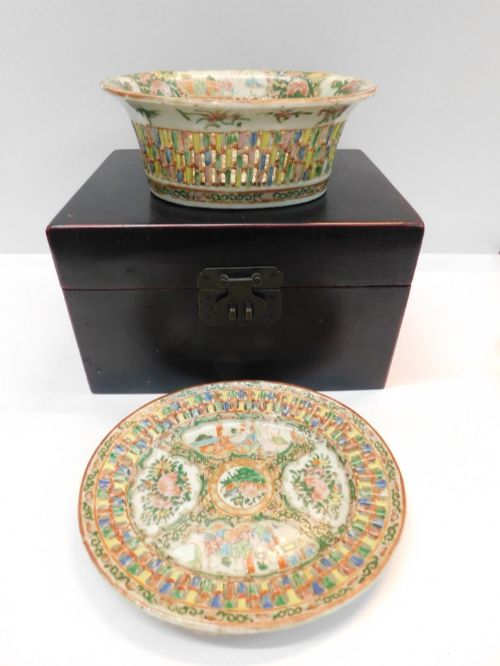
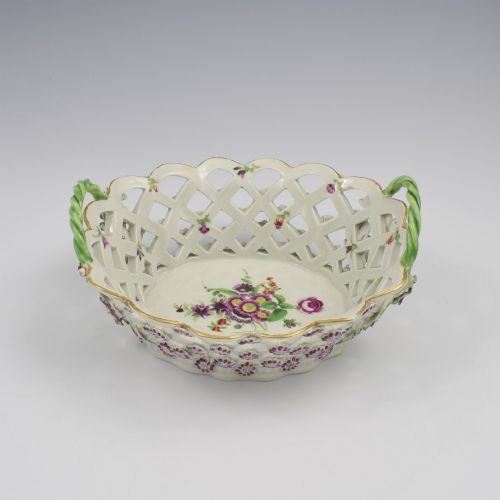
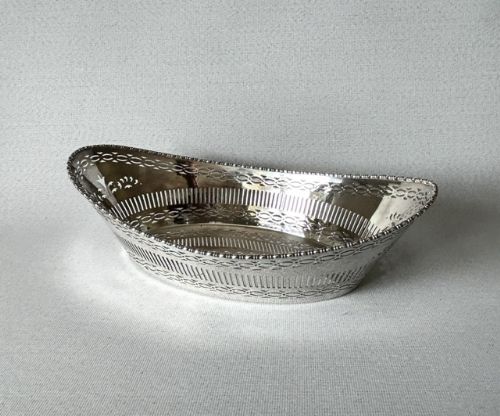
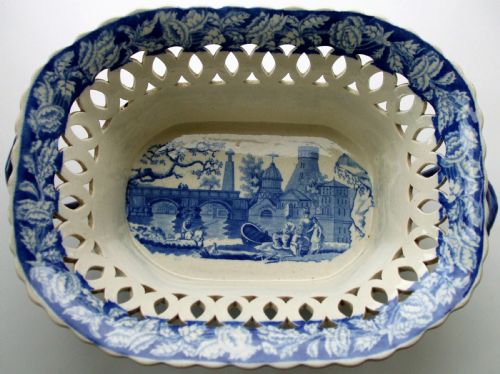
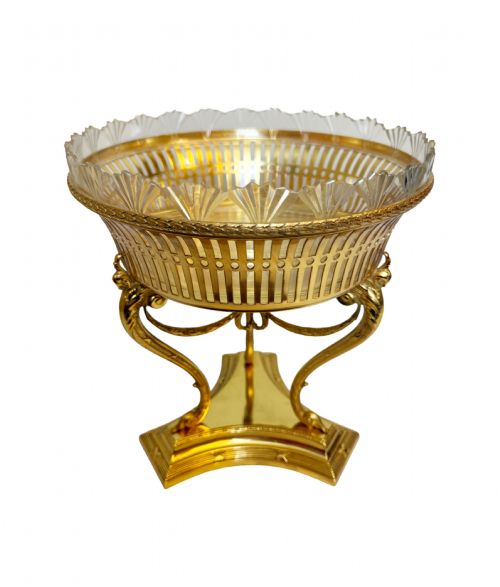
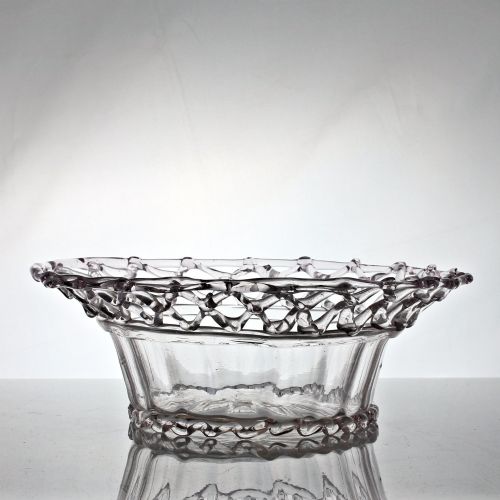
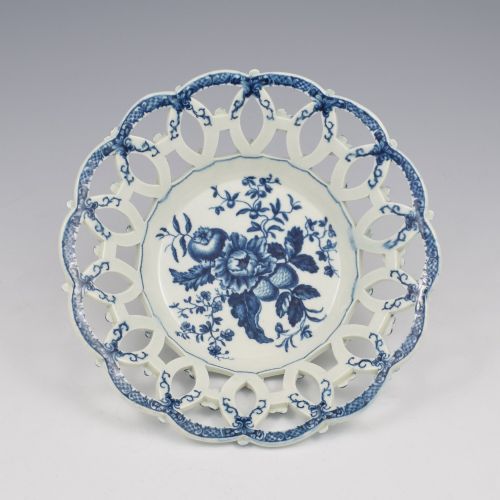
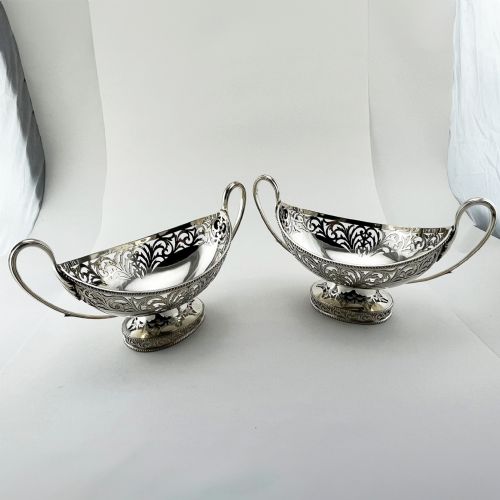
A reticulated fruit bowl brings openwork porcelain, earthenware and silver to the table, pierced with lattice and basketwork patterns designed to display seasonal fruit.
Reticulated Fruit Bowl
A reticulated fruit bowl typically appears as a pierced basket, chestnut basket, or footed centrepiece originating from the eighteenth and nineteenth centuries. These pieces emerge in Georgian, Victorian, and Edwardian contexts, taking shapes from circular bowls to oval dishes with lattice and openwork walls.
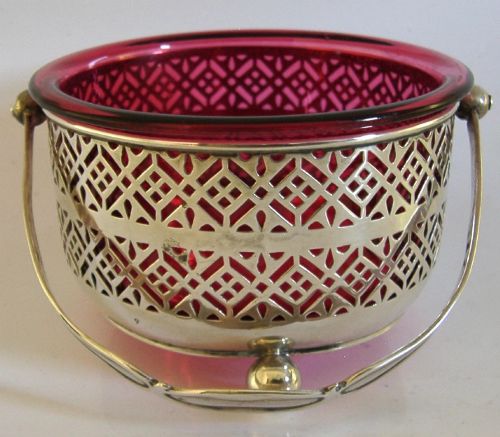
The versions met on this page span English factories like Worcester and Wedgwood, continental European porcelain works such as Schierholz, and Chinese export wares for Western markets. Many retain their original stands or incorporate swing handles, silver plating, and cobalt blue glass inserts.
Makers recorded in the evidence range from early English porcelain manufacturers to nineteenth-century German ceramic studios and Sheffield silversmiths. Forms vary from simple transfer-printed pearlware to elaborate centrepieces decorated with applied roses and putti.
Materials and technique
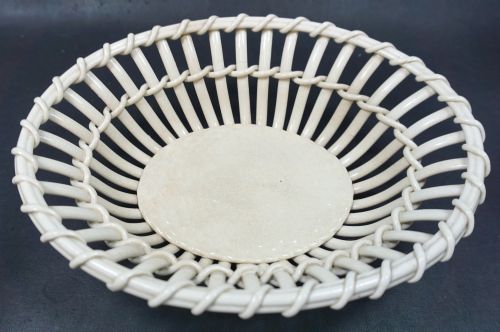
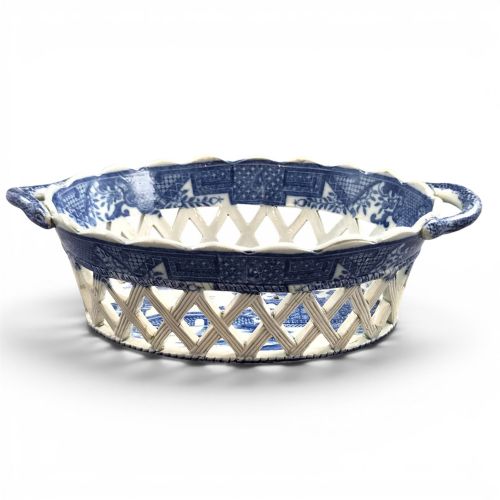
Potters created the characteristic openwork patterns by piercing wet clay with specialised tools before firing, or by moulding intricate basketweave textures directly into porcelain, creamware, and pearlware. Transfer printing applied blue and white river scenes and floral motifs onto earthenware surfaces prior to glazing.
Silversmiths and metalworkers utilised sterling silver, silver plate, and gilt bronze, often combining metal frameworks with coloured glass inserts or piercing solid silver to form lattice details. Gilding and gold leaf added highlights to porcelain rims and bronze centrepieces.
Listings span the eighteenth, nineteenth, and early twentieth centuries, encompassing Georgian, Regency, Victorian, Edwardian, and Art Nouveau styles.
Craftsmanship and preservation
Quality rests in the crispness of the piercing and the fineness of the openwork lattice, where cleanly cut apertures separate superior porcelain and earthenware from heavier, coarser mouldings. Hand-painted polychrome details, transfer print clarity, and the crisp definition of applied floral elements distinguish finer pieces.
The integrity of the reticulated wall and the retention of original stands, swing handles, or matching glass inserts dictate the standing of a piece. Metalwork quality is measured by the weight of the silver or silver plate and the preservation of original gilding and surface patination.
Dr Wall Worcester·Mappin & Webb·J. & R. Clews·C.G. Schierholz & Sohn·Walker & Hall
The Reticulated Fruit Bowl Glossary
- Reticulated
- Pierced or patterned to resemble a net or openwork lattice. This technique forms the defining decorative feature of basket bowls and chestnut stands.
- Chestnut basket
- A specialised lidded or open vessel used at the dining table for serving chestnuts or fruit. These containers frequently include matching under-trays.
- Pearlware
- A fine-grained earthenware developed in the late eighteenth century featuring a subtle bluish glaze that pooled in recesses. It superseded creamware and served as a base for blue and white transfer printing.
- Putti
- Representations of small winged infants or cherubs used as sculptural supports on continental porcelain centrepieces. They appear alongside applied floral motifs in nineteenth-century German work.
- Centrepiece
- A large decorative vessel placed in the middle of a dining table. Examples range from porcelain bowls with figural supports to silver-plated baskets with glass inserts.
Reticulated Fruit Bowl: Frequently Asked Questions
What were reticulated fruit bowls used for?
These vessels served dining tables as containers for fresh fruit, chestnuts, or sweetmeats during the eighteenth and nineteenth centuries. The openwork lattice allowed air to circulate around perishable produce.
Larger centrepieces functioned as decorative table ornaments, often complemented by matching stands, trays, or fitted glass inserts designed to hold water or floral displays.
How do I date an antique porcelain basket?
Dating relies on identifying the factory marks, paste composition, and stylistic period indicators such as Georgian transfer prints or Edwardian silver mounts. Early porcelain pieces often display characteristic underglaze blue painting or unglazed foot rims typical of eighteenth-century kilns.
Comparative analysis of the lattice cutting and glaze characteristics helps distinguish early examples from later nineteenth-century revival pieces and continental European productions.
How should I care for a pierced ceramic bowl?
Cleaning requires gentle dusting with a soft brush to prevent dust accumulating within the intricate reticulated apertures and basketweave recesses. Submersion in water should be avoided for pieces with old repairs, delicate applied flowers, or gilt highlights.
Display the bowl away from direct sunlight and high humidity to protect fragile earthenware bodies, historic glazes, and vulnerable metal plating.
What is the difference between porcelain and pearlware bowls?
Porcelain is a vitrified, translucent ceramic fired at high temperatures, producing a resonant and durable body suited to fine hand-painting and sharp lattice piercing. Pearlware is a refined earthenware covered in a pale bluish glaze that gives transfer-printed patterns a distinct tonal depth.
Earthenware pieces like pearlware and creamware generally display heavier walls and softer edges around the pierced openings compared to hard-paste porcelain equivalents.