






Japanese Porcelain Chargers
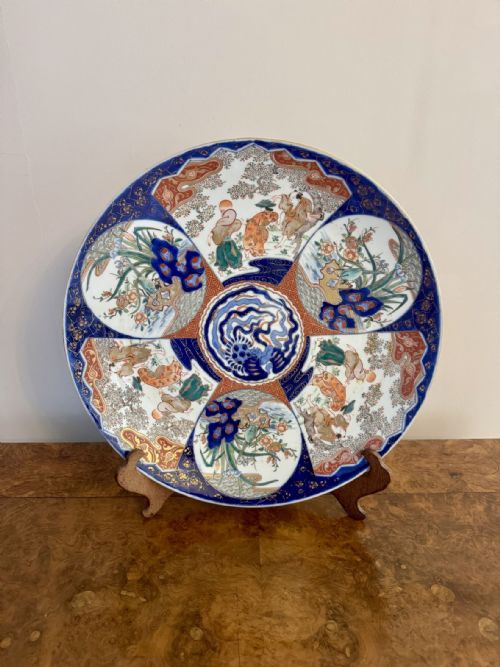
Japanese porcelain chargers are large decorative plates that command attention on any wall or table with their rich palette.
What Japanese porcelain chargers are
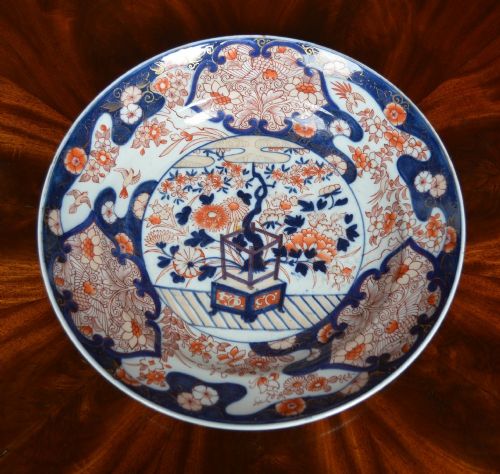
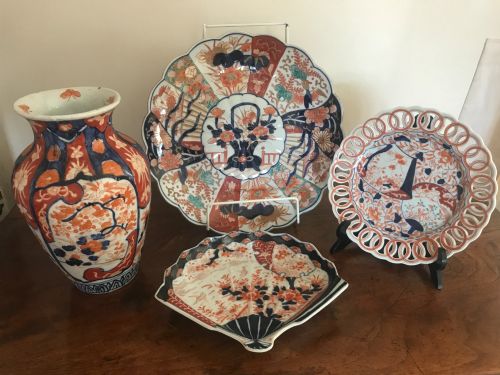
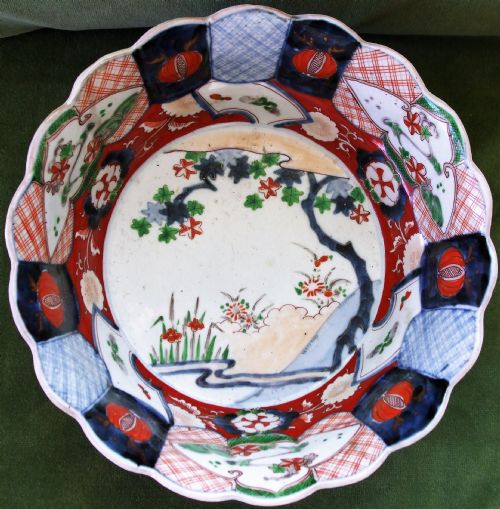
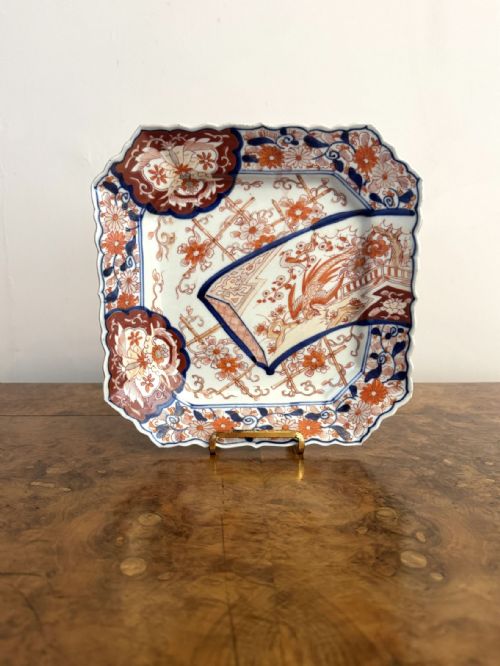
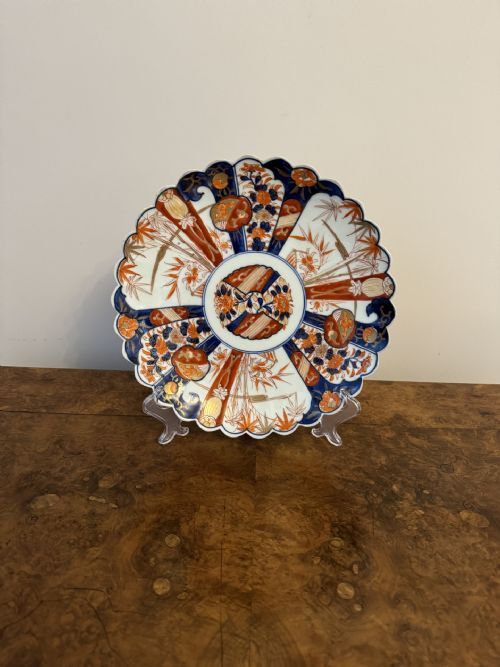
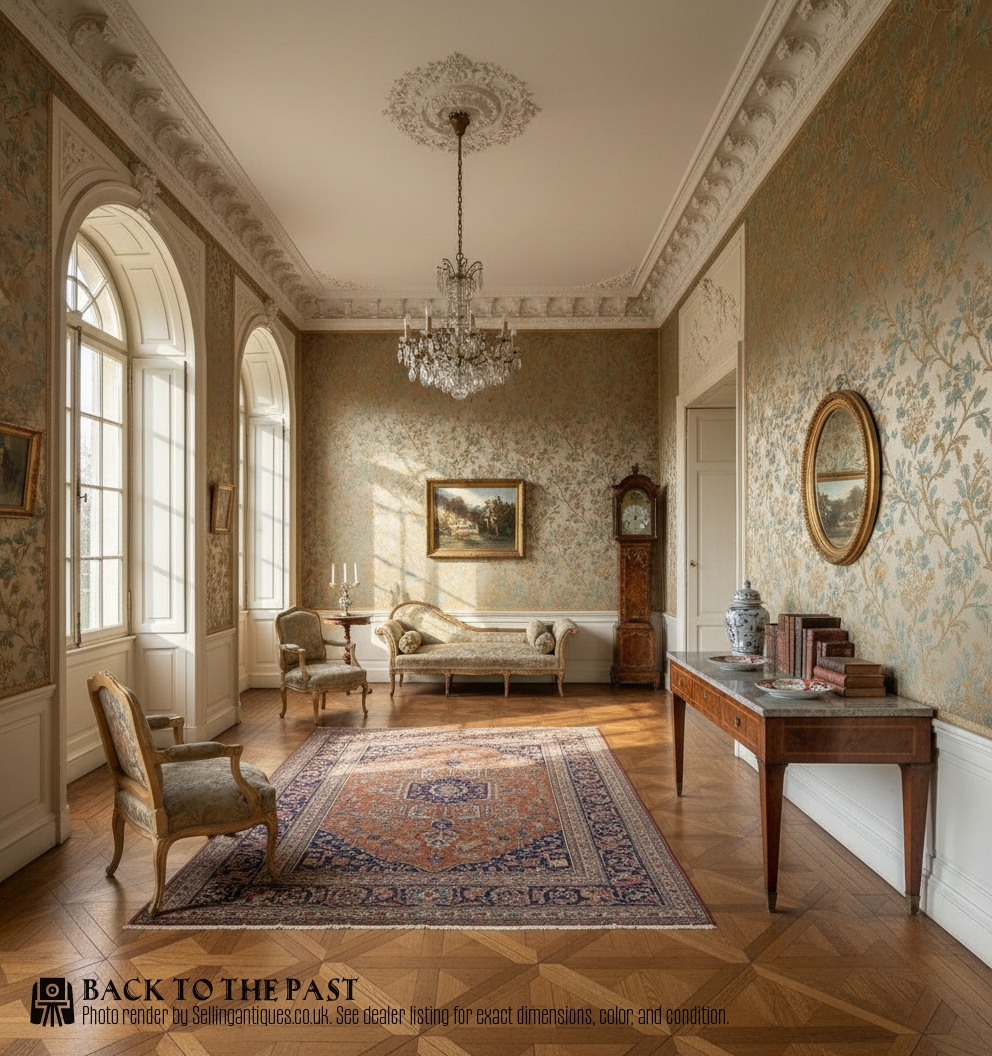
Japanese porcelain chargers are substantial decorative plates designed primarily for display rather than dining. The selection spans the nineteenth century and around nineteen hundred, taking the form of large chargers, dishes and plates.
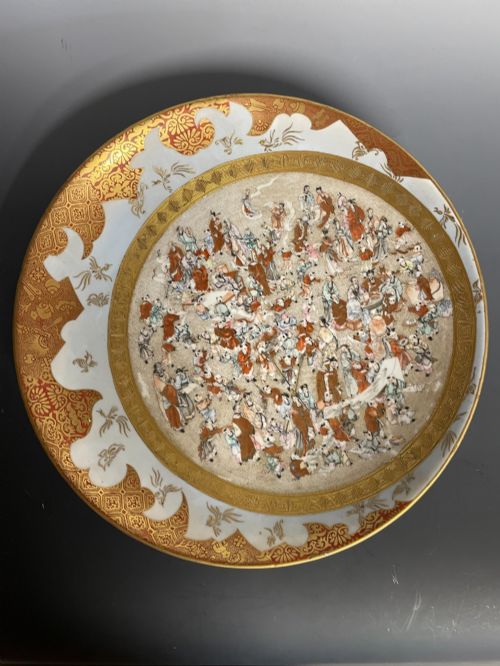
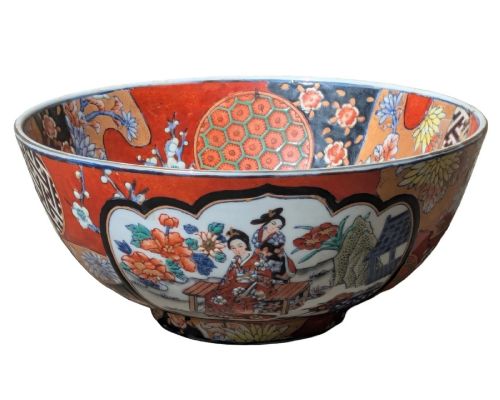
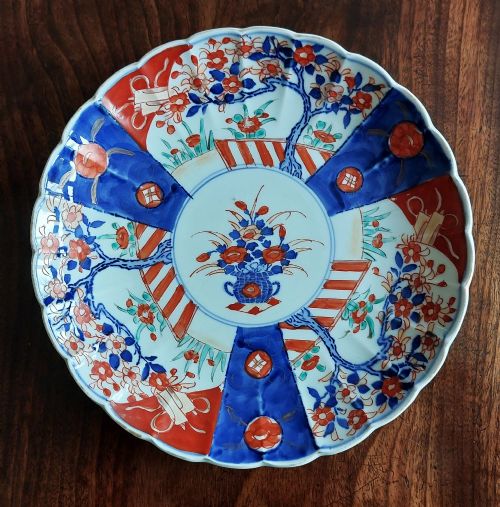
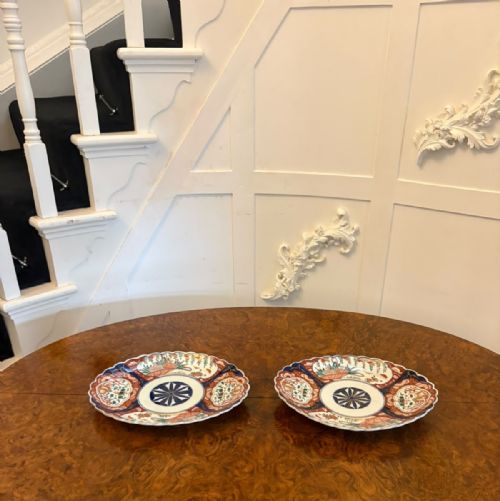
The dominant style found across the listings is Japanese Imari, accompanied by Meiji period pieces and Kutani porcelain. Forms include scalloped edges and large decorative display dishes depicting traditional themes such as the Seven Lucky Gods.
How they were made
The pieces are formed from porcelain and decorated using techniques including overglaze enamel, cobalt blue underglaze and gold leaf. Hand painting is evident across the pieces, combining coloured enamel work with glazed ceramic surfaces.
Retail Price Guide 2026
Typical UK retail prices for japanese porcelain chargers, calculated from the Sellingantiques database of over a million retail prices indexed since 2003. This retail price guide relies exclusively on Sellingantiques data; no external sources or auction records are used, so the figures do not describe the wider market.
Several heavy porcelain chargers depict the Seven Lucky Gods, ensuring your wall display comes fully staffed with divine good fortune.
What varies in quality
Quality reveals itself in the precision of the hand painting and the richness of the enamel and gold leaf application. The distinction between standard decorative plates and superior chargers rests on the complexity of the figural depiction, such as the Seven Lucky Gods, and the fineness of the porcelain body.
The Japanese Porcelain Chargers Glossary
- Imari
- A traditional style of Japanese porcelain featuring a distinct palette of cobalt blue underglaze and iron red overglaze, frequently enriched with gold leaf. This style was widely exported to Europe from the port of Imari.
- Meiji Period
- The era in Japanese history spanning from eighteen sixty-eight to nineteen twelve, characterised by openness to international trade and exceptional craftsmanship in decorative arts. Pieces from this time often exhibit intricate hand-painted detail.
- Kutani
- A style of Japanese porcelain known for bold overglaze enamels, particularly rich greens, yellows and purples alongside iron red and gold. Kutani chargers often feature complex pictorial scenes.
- Charger
- A large decorative plate or dish intended for display on a wall or sideboard rather than for serving food. These substantial pieces provide a wide canvas for intricate ceramic decoration.
- Underglaze Cobalt
- A blue pigment applied to the raw porcelain body before glazing and firing, producing a deep cobalt colour beneath a clear protective layer. This technique ensures the blue decoration remains permanent and protected.
Frequently Asked Questions
How are Japanese porcelain chargers displayed?
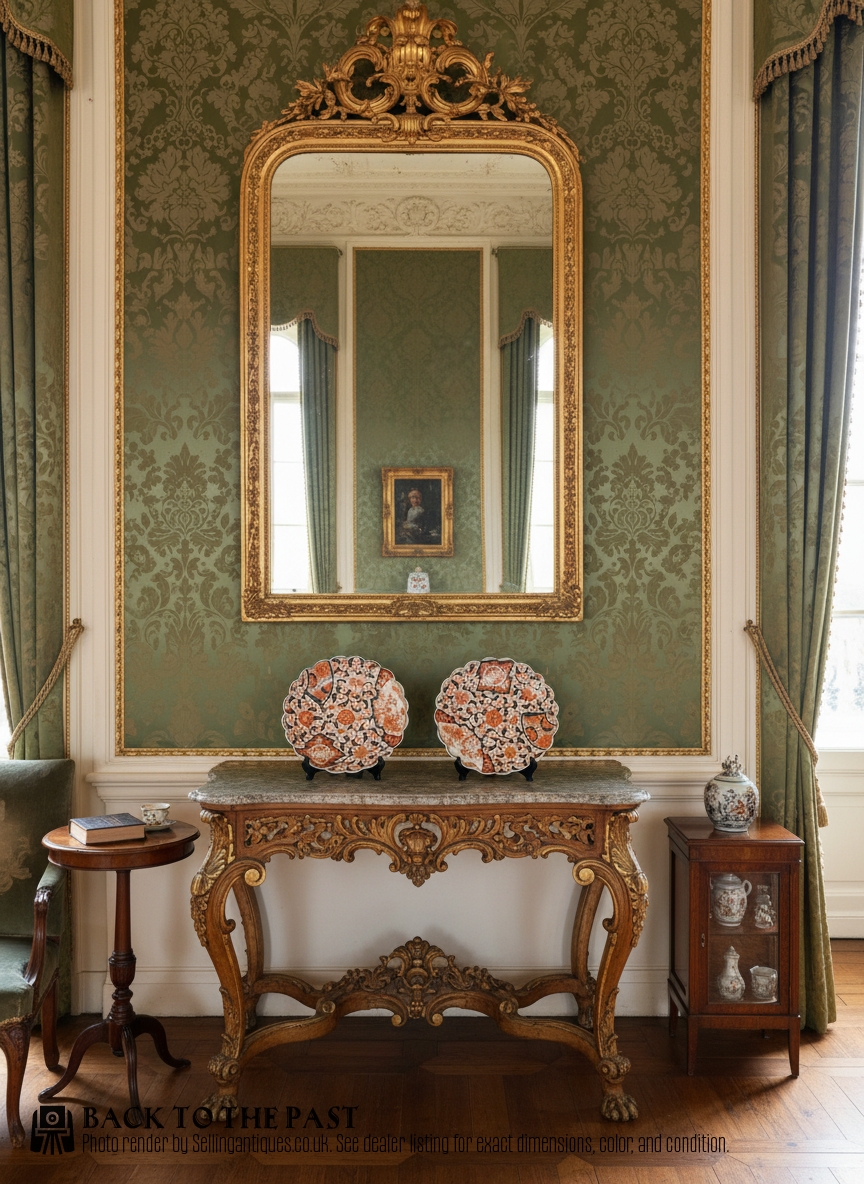
These large plates are traditionally shown on heavy plate stands or hung securely on walls.
Their substantial size makes them natural focal points in a room, drawing the eye to the detailed hand-painted designs.
What is Japanese Imari?
Imari is a historic style of Japanese porcelain recognised by its vibrant combination of cobalt blue, iron red and gold.
Potters produced these wares for both domestic use and export, creating distinct decorative patterns that remain highly collectable today.
How do I date these chargers?
Dating relies on stylistic markers, historical periods such as the Meiji era, and the characteristics of the porcelain and glaze.
Archival records and listed pieces commonly point to the nineteenth century and around nineteen hundred.
Can these chargers be used for dining?
These pieces are intended as decorative display dishes and chargers rather than everyday tableware.
Their delicate overglaze enamels and gold leaf work are best preserved by keeping them away from food and regular washing.