



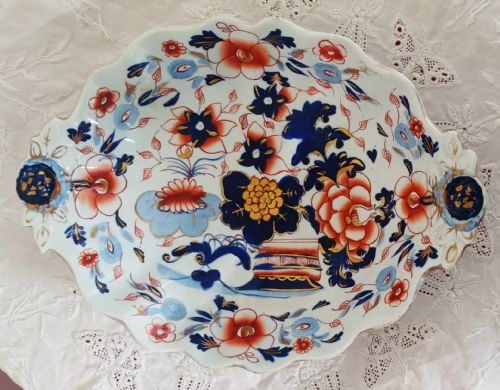



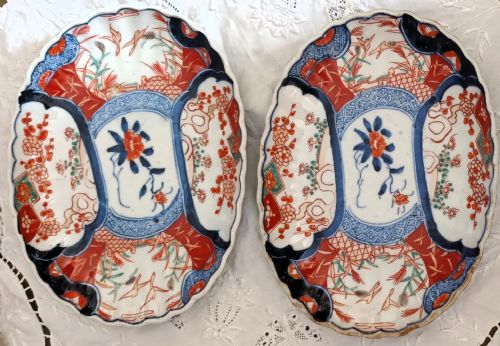
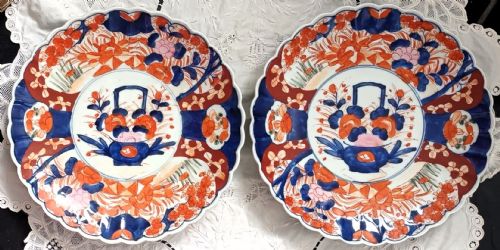
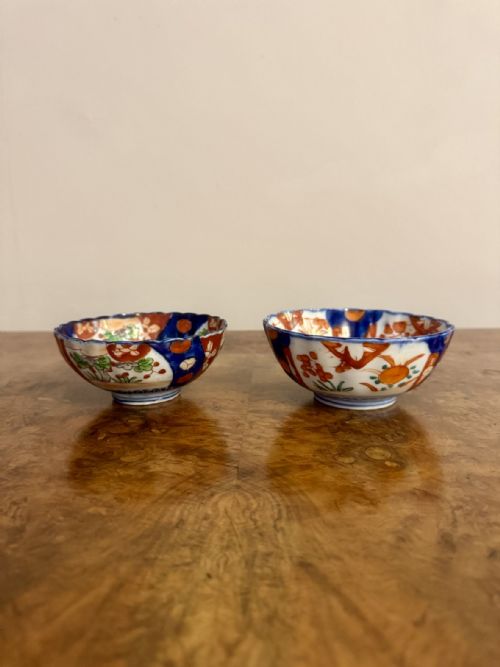
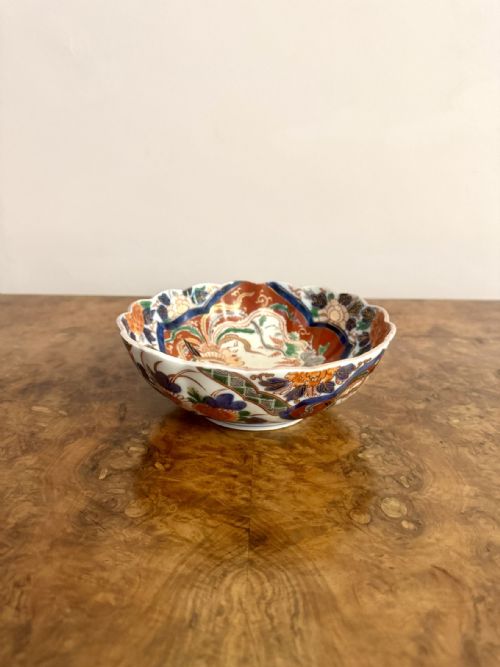
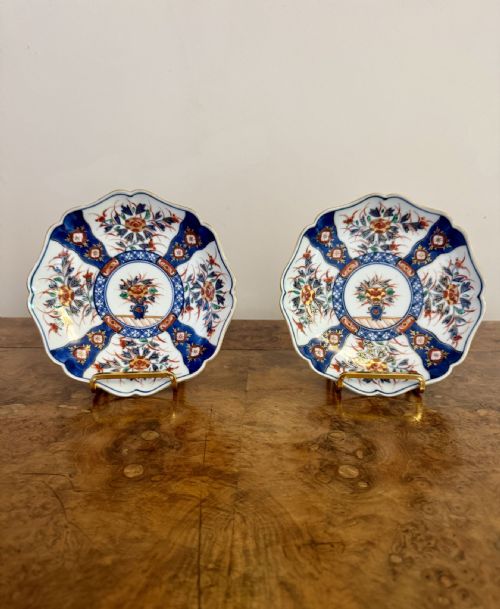
Scalloped Imari Dish
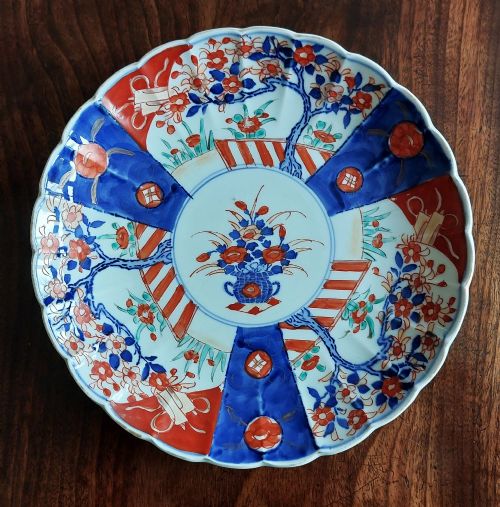
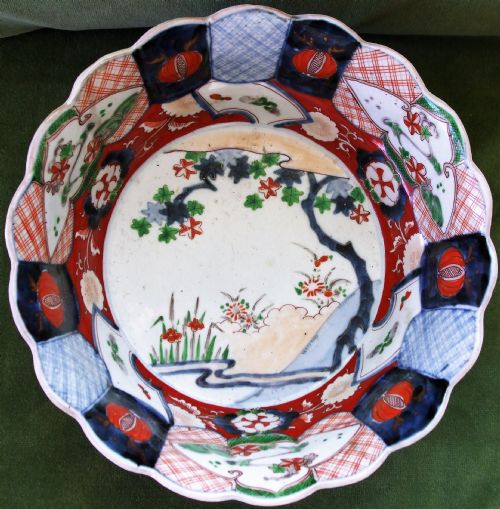
These scalloped imari dish pieces bring vibrant cobalt, enamel and gold leaf into a room, offering the bold patterning that collectors prize.
What a scalloped imari dish is
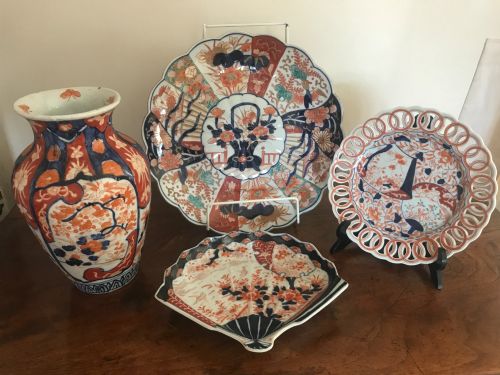
A scalloped imari dish is a decorative item defined by its characteristic shaped edge and traditional Japanese Imari palette. These pieces appear in forms such as large plates, bowls, decorative display dishes and serving dishes.
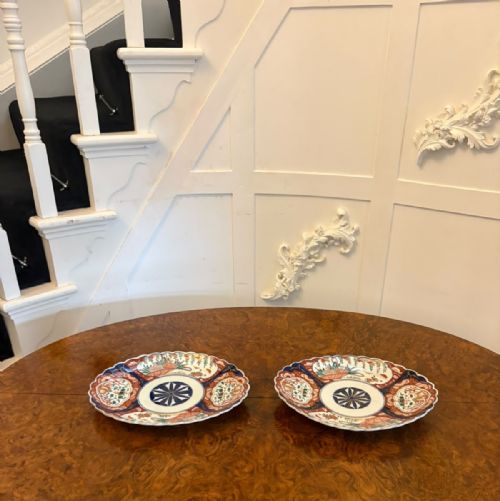
The pieces seen across the archive and current listings span from the early 18th century through to the 1900 period. Collectors encounter both single plates and matching pairs within this category.
How they were made
Makers formed these items using porcelain as the primary base material. The surfaces received protective glaze coatings to seal the ceramic body.
Decoration relied on cobalt underglaze work combined with enamel pigments and gold leaf detailing. The shaped edges were cut or moulded into scallop forms during the making process.
Retail Price Guide 2026
Typical UK retail prices for scalloped imari dish, calculated from the Sellingantiques database of over a million retail prices indexed since 2003. This retail price guide relies exclusively on Sellingantiques data; no external sources or auction records are used, so the figures do not describe the wider market.
Listings feature porcelain, enamel, gold leaf, glaze and cobalt across plates, bowls and serving dishes.
What varies in quality
Quality rests on the precision of the scalloped shaped edge and the crispness of the porcelain form. Superior examples show careful control in the application of the glaze, cobalt, enamel and gold leaf.
Earlier periods, such as the 18th century, present different manufacturing characteristics compared to items from 1900. The execution of the Japanese Imari pattern remains central to how an individual piece is judged.
The Scalloped Imari Dish Glossary
- Imari
- A style of Japanese porcelain decorated in underglaze blue, iron red, gold and additional enamel colours. The tradition originated in Japan and heavily influenced European ceramic design.
- Scalloped
- A curved, wavy edge resembling the outline of a scallop shell. This decorative shaping appears frequently on the rim of plates and bowls.
- Cobalt
- A blue pigment used under the glaze to create deep, permanent patterns on porcelain. It remains stable at high kiln temperatures.
- Enamel
- Opaque or translucent glass applied over fired glaze and fixed at a lower temperature. It provides the bright accent colours found on these dishes.
Frequently Asked Questions
How old is a scalloped imari dish?
These dishes date from the 18th century through to 1900. Examining the porcelain base and glaze helps establish the period.
Earlier examples from the first quarter of the 18th century show distinct characteristics compared to pieces from 1900.
Were these dishes used for serving?
Yes, many functioned as serving dishes or decorative display plates. Their forms include bowls and large plates suited for presentation.
The shaped edges and bright colours indicate they were made to be seen.
What materials make up imari porcelain?
The primary body consists of fired porcelain covered in a protective glaze. Cobalt, enamel and gold leaf provide the surface decoration.
These combined materials create the characteristic visual depth of Japanese Imari.