






Imari Wall Plates
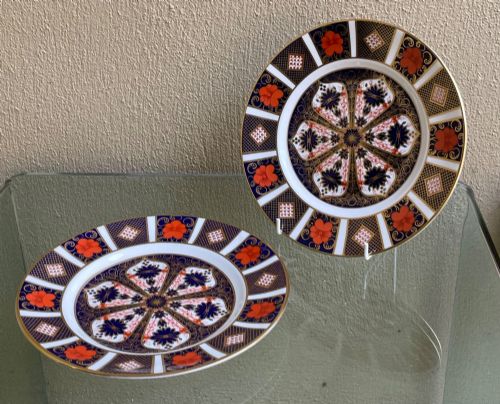
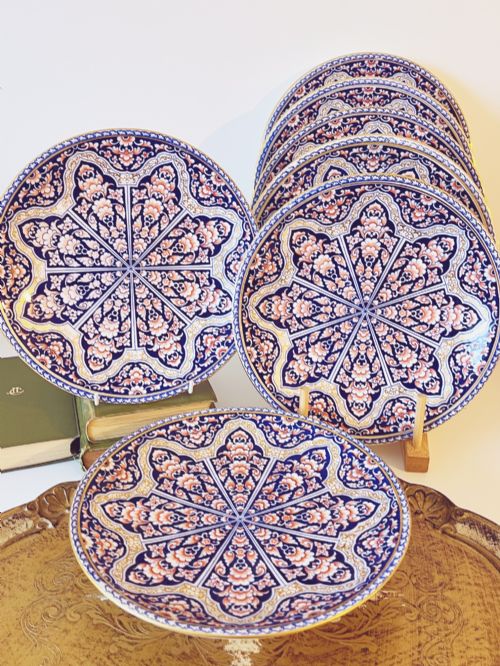
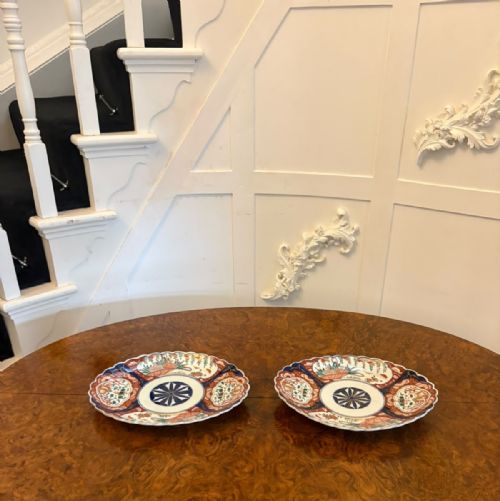
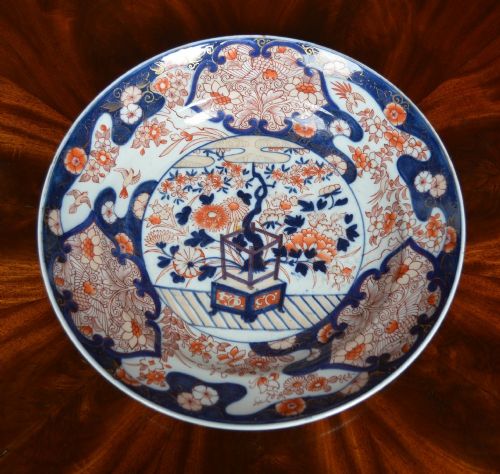
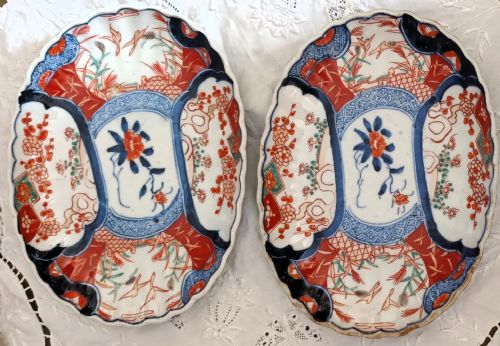
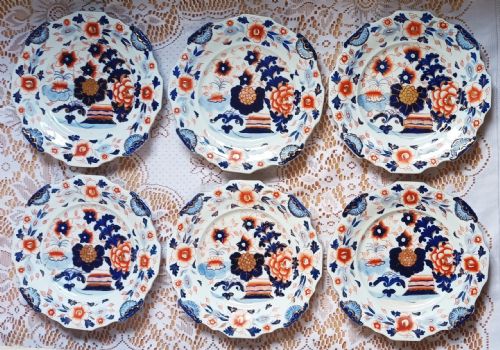
These imari wall plates bring rich cobalt blue, iron red, and gilt decoration to an interior, offering striking visual depth.

Imari Wall Plates
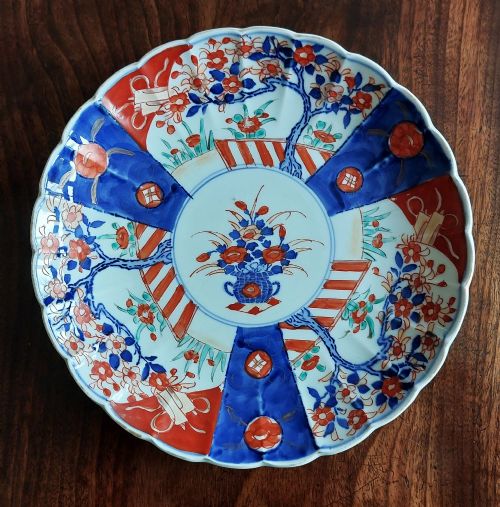
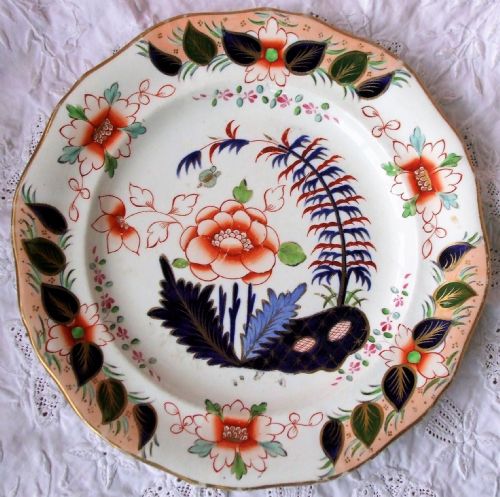
Imari wall plates comprise decorative dishes and chargers originating primarily from Japan, specifically the Arita kilns during the Meiji and Edo periods, alongside 18th-century Chinese export pieces and 19th-century English interpretations.
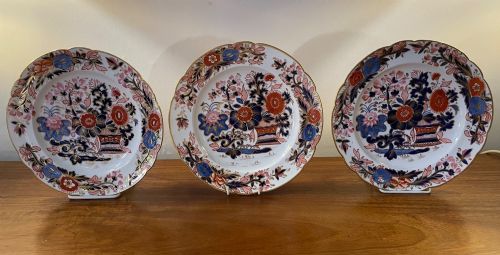
Buyers frequently encounter Japanese Meiji period examples alongside English ironstone versions bearing the distinctive Imari or Japan pattern.
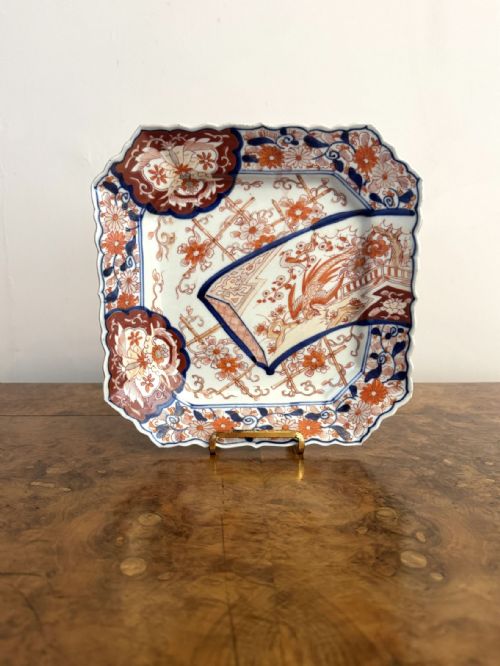
The selection ranges from individual scalloped dishes to matched pairs and large chargers intended for prominent display.
Materials and Technique
The pieces utilise hard-paste porcelain, bone china, or ironstone as a base body, shaped into standard circular formats as well as square and oval profiles.
Makers applied underglaze blue and overglaze iron red enamel, frequently supplemented with gold leaf and gilt highlights to create the characteristic palette.
Listings span periods from the 18th century through to the mid 20th century, utilising porcelain, ironstone, and bone china.
Assessing Quality
Quality rests upon the crispness of the hand-painted cobalt blue underglaze and the precision of the overlaid iron red and gilt details.
The finesse of the ceramic body, whether delicate Arita porcelain or robust English ironstone, dictates the refinement of the finished plate.
Form variety, such as scalloped edges or unusual square shapes, distinguishes standard production from finer decorative pieces.
Royal Crown Derby·John Davenport of Longport
The Imari Wall Plates Glossary
- Imari palette
- A decorative colour scheme defined by underglaze cobalt blue and overglaze iron red, typically enriched with gilt. This combination originates from Japanese export ware copied by European potteries.
- Charger
- A large decorative plate intended for display on a wall or sideboard rather than for dining use. These items measure substantially more than standard dinner plates.
- Scalloped edge
- A decorative curved rim formation shaped into undulating lobes. This technique adds texture and visual movement to the plate profile.
- Meiji Period
- A historical era in Japan spanning from 1868 to 1912, noted for prolific ceramic production for export. Pieces from this time often display intricate bird and floral motifs.
Imari Wall Plates: Frequently Asked Questions
How do I hang a wall plate safely?
Plates require properly sized spring-loaded brass hangers that grip the rim securely without placing undue pressure on the ceramic body.
Ensuring the wall fixing matches the weight of heavier chargers prevents accidental slips.
What is the difference between Japanese and English Imari?
Japanese examples utilise translucent porcelain bodies decorated with traditional Arita motifs, while English versions often employ ironstone or bone china.
English potteries adapted the Japanese colour palette onto local ceramic bodies during the Georgian and Victorian periods.
Can these plates be used for dining?
Historic decorative plates and chargers serve primarily for visual display rather than daily culinary use.
Overglaze enamels and gold leaf are susceptible to wear from cutlery and frequent washing.
How do I date an Imari plate?
Dating relies on identifying ceramic bodies, kiln marks, and stylistic traits associated with specific manufacturing eras.
Meiji period Japanese pieces differ in paste and palette from 18th-century Chinese export or 19th-century English ironstone variations.