






Antique Oriental Plate
An antique oriental plate brings centuries of skilled ceramic and metalwork into domestic spaces, ranging from vibrant Japanese Imari chargers to delicate Chinese porcelain dishes.
Antique Oriental Plate
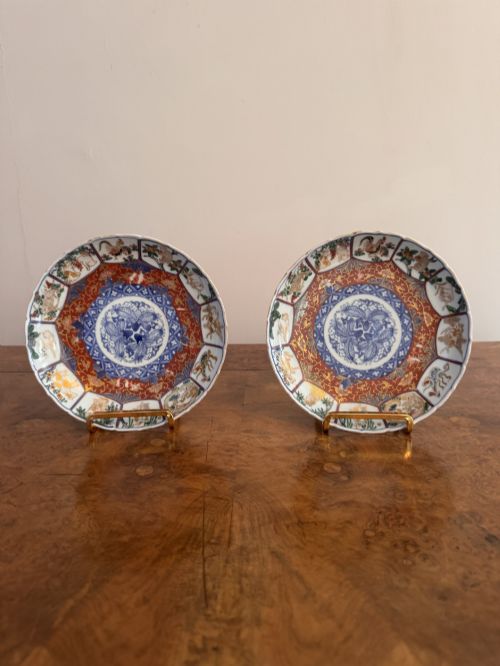
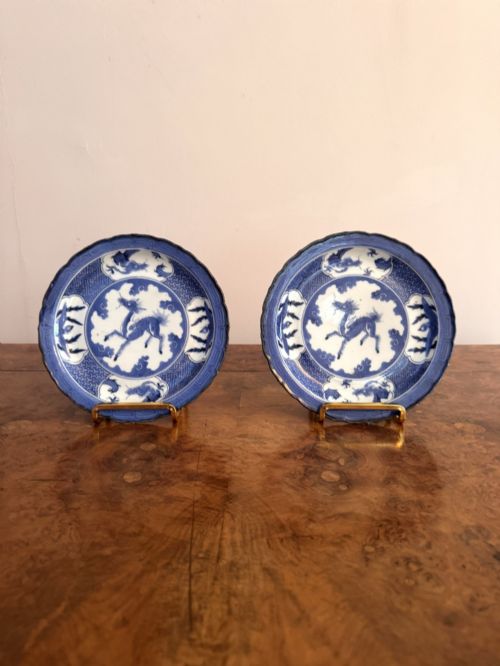
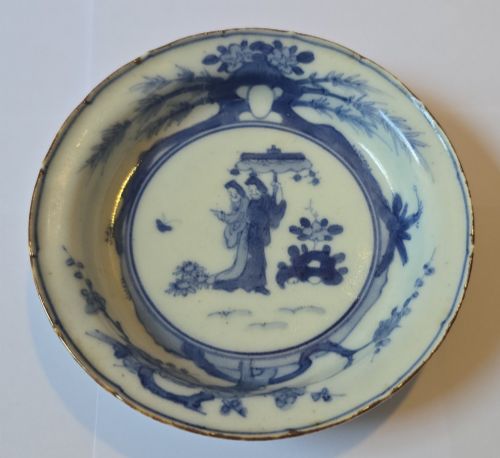
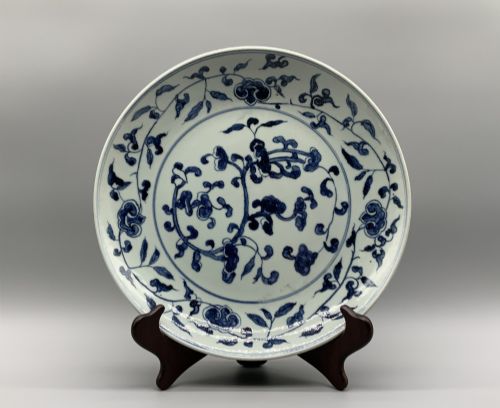
When searching for an antique oriental plate, buyers encounter a diverse selection of decorative items spanning multiple centuries of Asian craftsmanship. The inventory on this page ranges from early Chinese blue and white porcelain and Kraak wares to Japanese Meiji period Imari chargers and Satsuma plates.
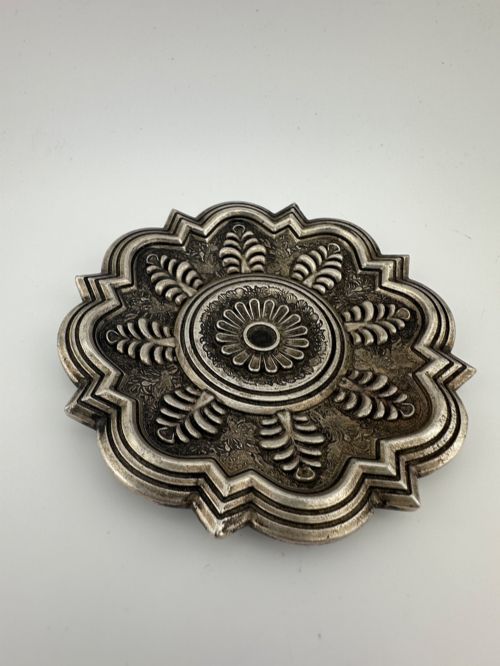
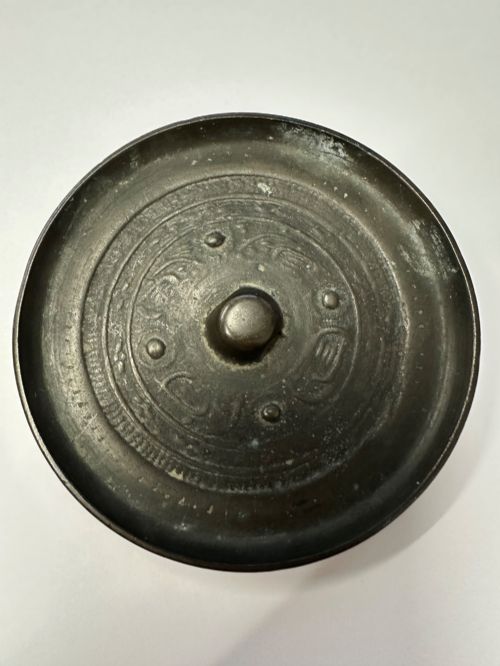
The most common items appearing here are large Japanese Imari chargers and dishes, often featuring scalloped edges and intricate cobalt blue and iron-red decoration. Alongside these ceramic pieces, the selection includes bronze, copper, and cloisonne enamel vessels from various eastern traditions.
How they were made
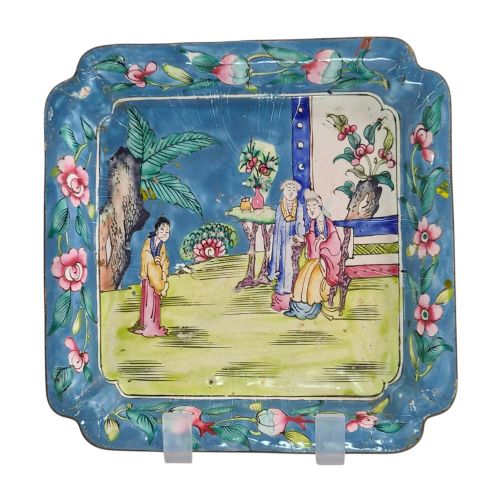
Potters and artisans utilised porcelain, earthenware, and copper as primary bases, applying cobalt glaze, overglaze enamel, and gold leaf to achieve rich surface textures. Cloisonne works required meticulous wirework to form cells filled with coloured enamel pastes before firing.
Techniques such as hand-painting and patination define the finish of these items, with metal plaques incorporating intricate gold and silver inlay. Kiln temperatures and glazing methods dictate the depth and permanence of the colours seen across the centuries.
Antique Oriental Plate Retail Price Guide 2026
Typical asking prices for oriental plate among the pieces listed under this phrase on Sellingantiques today, from the lower quarter to the upper quarter. They describe what is for sale here now, not the wider market.
One remarkably shaped plate takes the literal form of a fish, bringing a splash of marine life directly to the table.
What varies in quality
The standard of painting and precision in hand-drawn motifs separates standard production items from master-level works. Finer examples display disciplined brushwork, balanced compositions, and carefully controlled enamel application without blurring.
Material preparation and firing success also dictate grade, with superior porcelain exhibiting a fine, translucent body and smooth glaze surfaces free of major kiln blemishes. The complexity of the metalwork or the intricacy of the cloisonne wire placement further elevates the standing of individual chargers.
Shozo·Koshida·John Rogers and Son·J.W.R.
The Antique Oriental Plate Glossary
- Imari
- A style of Japanese porcelain featuring a distinct palette of cobalt blue, iron red, and gold, named after the port of export. These pieces often display dense floral and geometric panels.
- Kraak porcelain
- Chinese export porcelain produced during the late Ming dynasty, typically decorated in blue and white with segmented panel borders. It frequently arrived in Europe via captured Portuguese merchant ships.
- Cloisonne
- A metalwork technique where flat metal wires are soldered to a base to create compartments, which are then filled with enamel and fired. The resulting surface is polished smooth.
- Satsuma ware
- Japanese earthenware with a ivory-coloured, crackled glaze, typically decorated with polychrome enamels and gilding. High-quality examples often feature detailed figural or natural scenes.
- Famille verte
- A Chinese porcelain palette dominated by green enamel colours, developed during the Kangxi period. It builds upon earlier blue and white traditions by incorporating vibrant overglaze pigments.
Antique Oriental Plate: Frequently Asked Questions
How do I identify Imari porcelain?
Imari porcelain is readily identified by its characteristic palette, which combines underglaze cobalt blue with iron red and touches of gold leaf. The designs typically feature dense floral arrangements, landscapes, or brocade patterns arranged in panels across the surface of plates and chargers.
Most examples found today date from the Meiji period or slightly earlier, reflecting the high volume of production for export markets during those decades.
What is Kraak porcelain?
Kraak porcelain is a specific type of Chinese export ware manufactured during the late Ming dynasty, particularly in the Wanli period. It is distinguished by a thin body, bright blue and white decoration, and a rim divided into distinct radial panels.
These dishes were traded extensively by European maritime companies and frequently appear in Dutch Golden Age oil paintings.
How should I display a charger?
Chargers are large decorative plates traditionally intended for display on sideboards, walls, or within dedicated cabinets rather than everyday dining use. Due to their generous diameter, they require sturdy plate stands or secure wall-mounting brackets designed specifically for heavy ceramics and metalwork.
Positioning them away from direct, harsh sunlight helps protect vulnerable overglaze enamels and gold leaf highlights over time.
How do I tell Meiji period pieces apart?
Meiji period items span from the late nineteenth century to the early twentieth century, a time of significant industrialisation and artistic export in Japan. Pieces from this era often bear signature marks from specific workshops and display exceptional technical precision in Satsuma earthenware, cloisonne enamel, and patinated bronze.
Comparing the complexity of the motifs and the weight of the metal or ceramic base helps distinguish these pieces from earlier or later reproductions.