



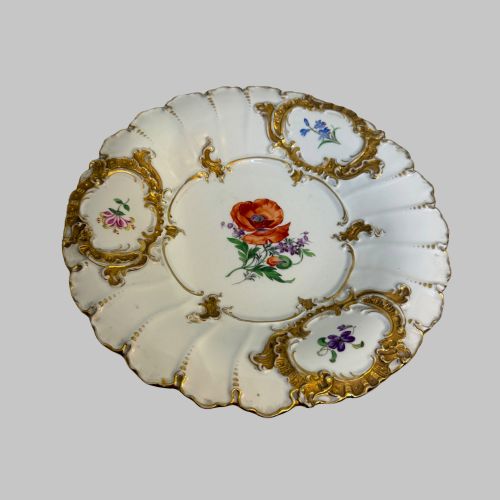
Gilded Porcelain Charger
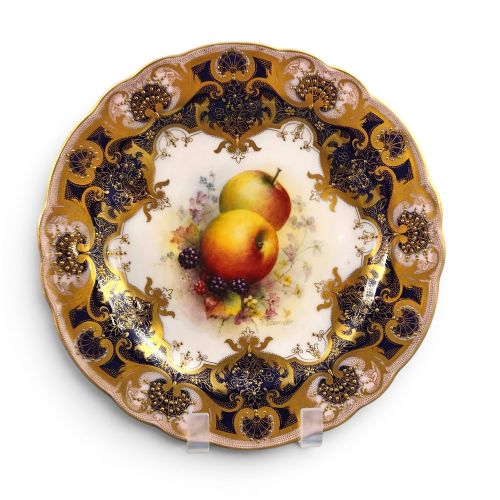
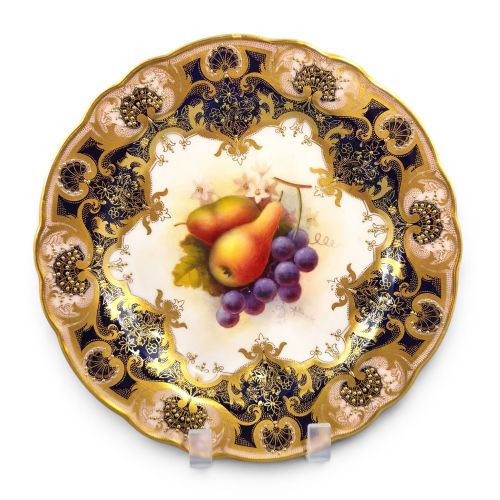
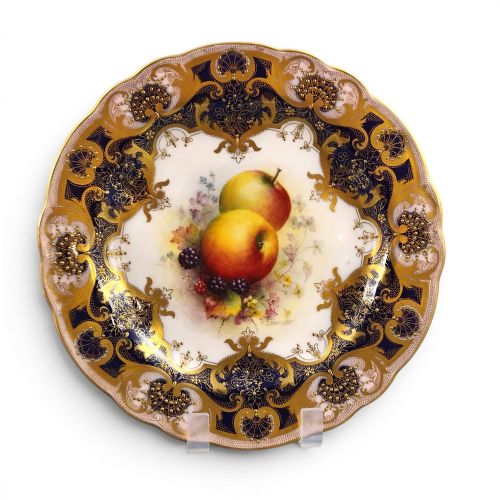
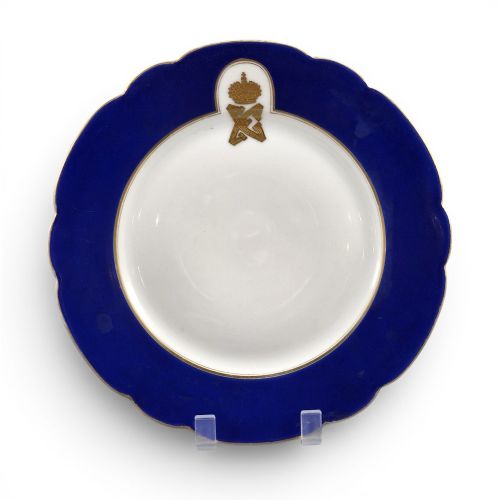
These gilded porcelain charger examples bring heavy, hand-painted presence and dense metallic lustre to a room, offering immediate visual gravity.

What They Are
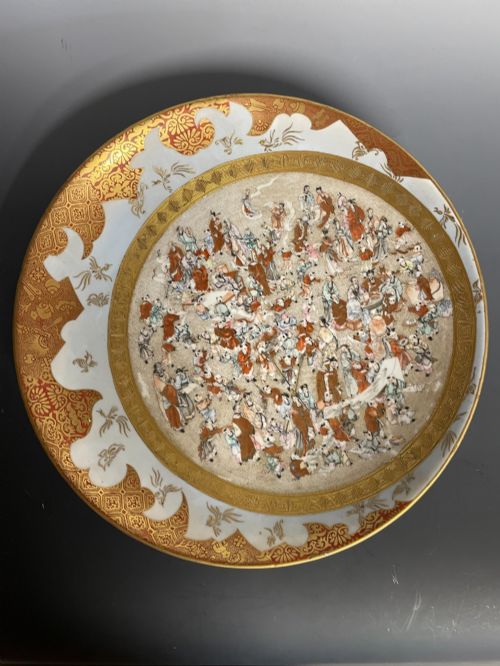
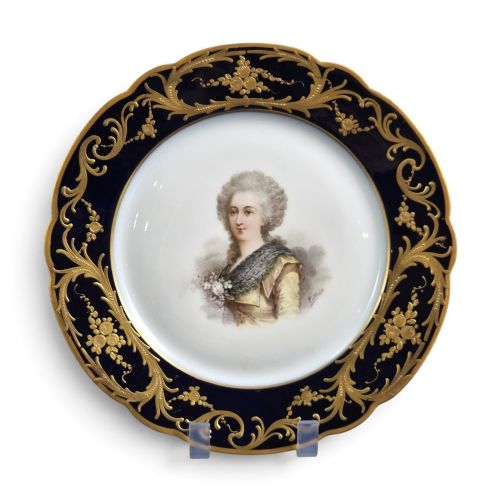
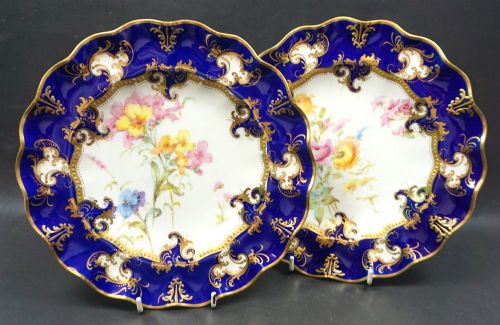
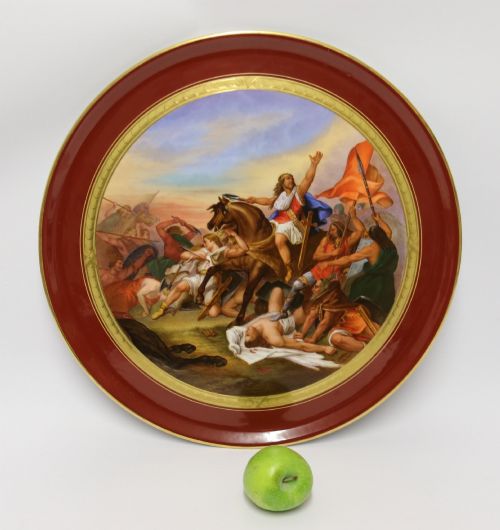
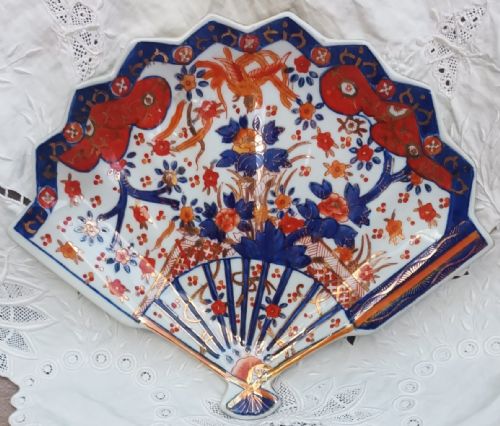
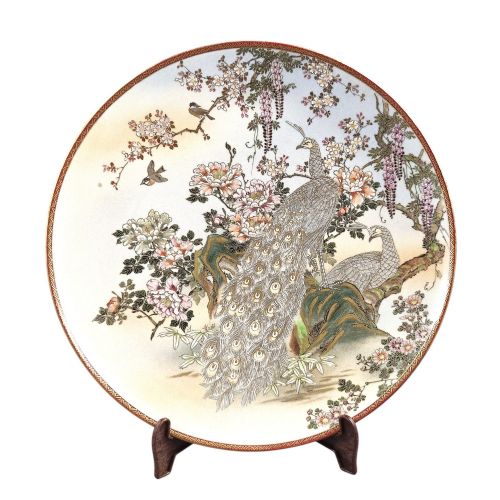
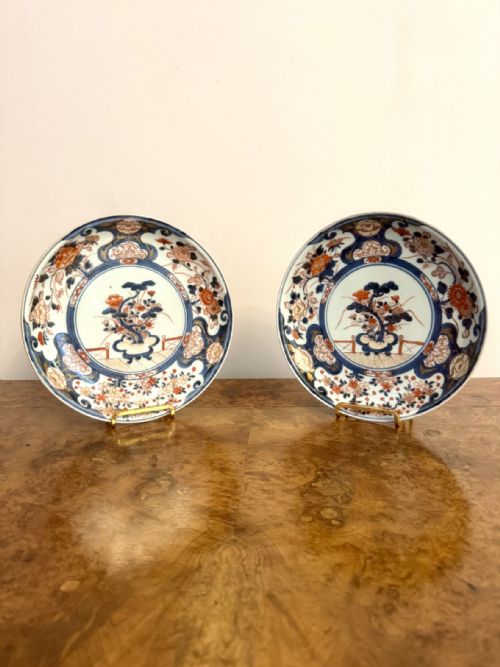
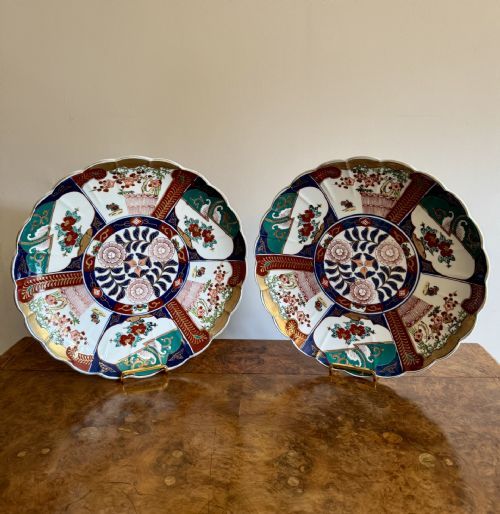
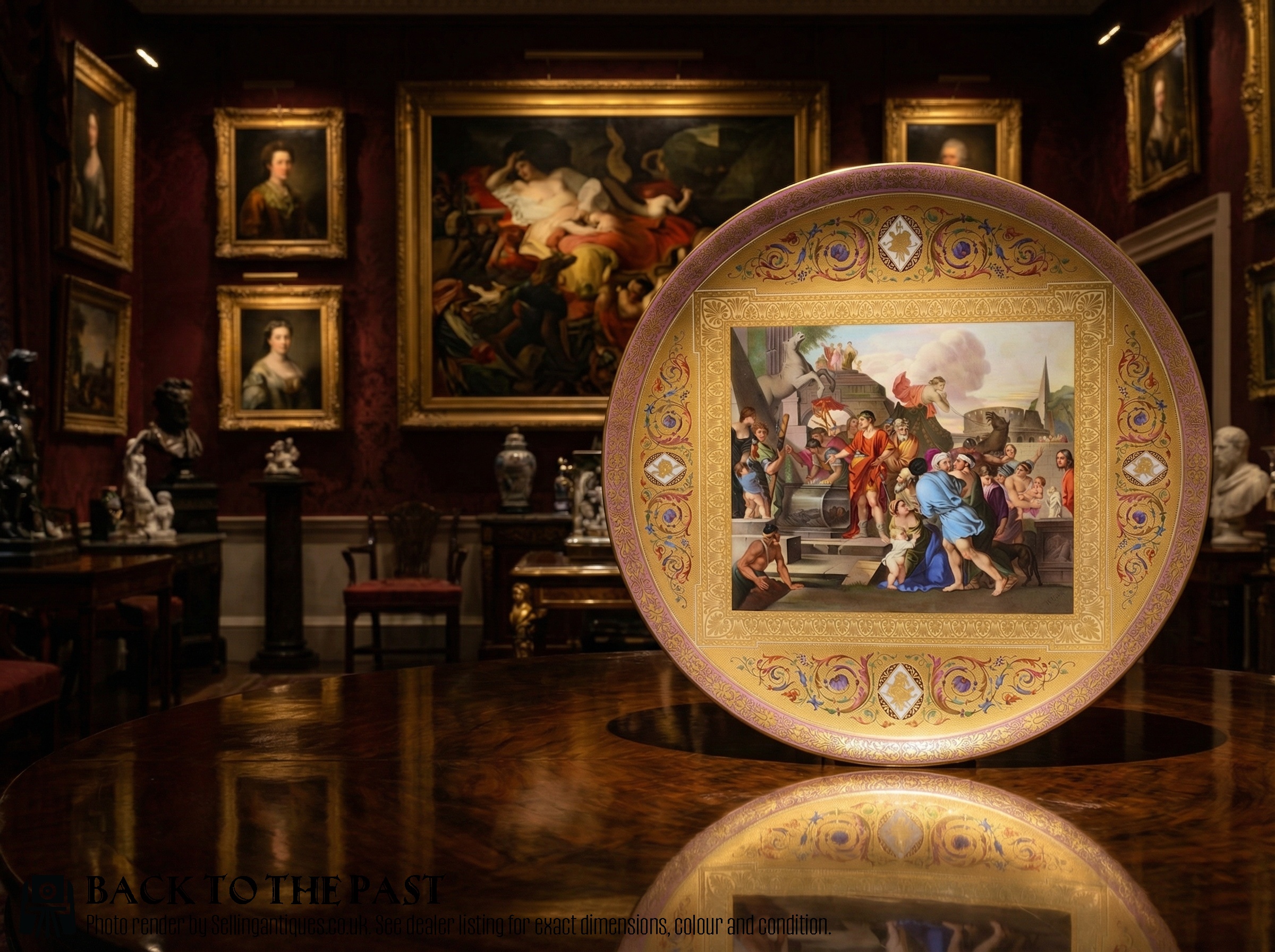
The aesthetic vocabulary draws heavily from Neoclassical, Rococo, and Grand Regency idioms, alongside Japanese Imari interpretations and Royal Vienna style work. Pieces range from large proportions depicting historical scenes to pairs of decorative plates adorned with gilt flowers and birds.
How They Were Made
Creation relies upon ceramic bodies formed into plates, bowls, and plaques, subsequently decorated with hand-painted enamel scenes and motifs. Artisans apply gold leaf and liquid gilding to accent borders, rims, and central subject matter.
Techniques combine traditional porcelain firing with meticulous brushwork, particularly evident in figurative historical depictions and detailed botanical or avian compositions.
Retail Price Guide 2026
Typical UK retail prices for gilded porcelain charger, calculated from the Sellingantiques database of over a million retail prices indexed since 2003. This retail price guide relies exclusively on Sellingantiques data; no external sources or auction records are used, so the figures do not describe the wider market.
King Tristan and Caesar occasionally share cabinet space with champagne branding.
What Varies in Quality
Excellence rests in the execution of hand painting, where finely detailed historical narratives or complex Imari patterns elevate a piece far above simple floral repeats. The weight, scale, and richness of the applied gold leaf also distinguish finer items from standard production.
Proportion and form dictate desirability, with large-scale chargers and matched pairs commanding greater visual presence than single cabinet plates. The clarity of the enamel work and the crispness of the moulded edges complete the hierarchy.
The Gilded Porcelain Charger Glossary
- Charger
- A large decorative plate or dish intended for display on a wall, cabinet, or stand rather than for holding food at the table.
- Gilding
- The application of gold leaf or powdered gold to the surface of porcelain to create metallic highlights and borders.
- Imari
- A style of Japanese ceramic decoration characterised by deep underglaze blue, iron red, and abundant gold detailing.
- Enamel
- Vitreous colour applied over the glazed porcelain surface and fired at a lower temperature to build up painted scenes.
- Cabinet plate
- A smaller porcelain display dish manufactured primarily for visual appreciation within a collector's cabinet.
Frequently Asked Questions
How were gilded porcelain chargers displayed?
These large plates were typically exhibited on sideboards, mounted in specialised wall hangers, or placed upright inside glazed display cabinets. Their substantial scale ensured they functioned as focal points within formal reception rooms.
Because they were intended purely for show, their surfaces avoided the wear associated with daily dining service, preserving the delicate painted scenes and gold leaf.
What subjects appear on these chargers?
Figurative scenes drawn from classical history, mythology, and literature form the most striking painted subjects. Examples include detailed narratives depicting historical figures and mythological moments.
Other pieces turn toward naturalism, featuring hand-painted birds, floral arrangements, and traditional Japanese Imari geometric patterns.
How do I care for antique porcelain and gold?
Maintenance requires only gentle dusting with a soft, dry cloth to prevent the accumulation of particles on the textured surfaces. Harsh cleaning agents and water immersion must be strictly avoided to protect the delicate enamel and metallic leaf.
Placement should be secured away from areas of heavy vibration or direct, intense sunlight that might alter the pigments over extended periods.
Are these pieces meant for dining?
Chargers of this scale and decorative intensity serve exclusively as ornamental works of art. The presence of thick gilding and elaborate painted enamel makes them unsuitable for practical food service.
Using them as display centrepieces protects the fragile ceramic body and the historical artwork applied across the surface.