





Decorative Ceramic Plates
These decorative ceramic plates bring painted colour and pattern to a room, spanning centuries of global pottery traditions.

Decorative Ceramic Plates
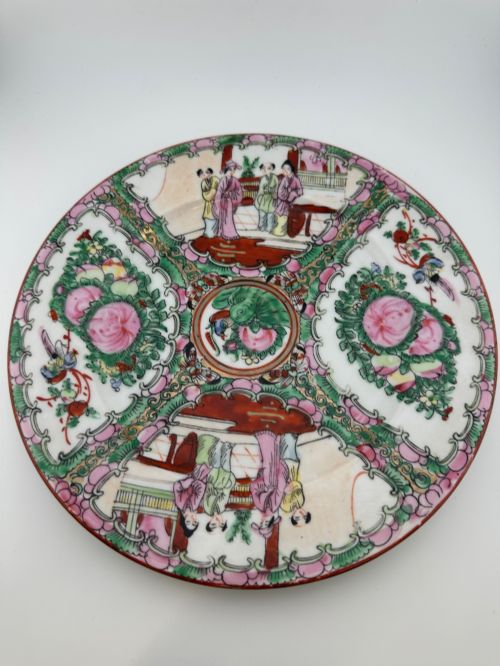
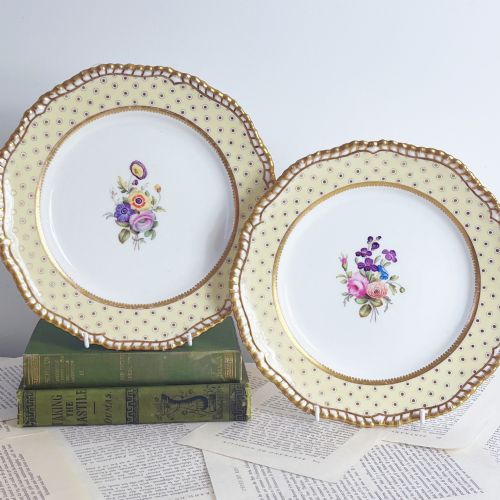
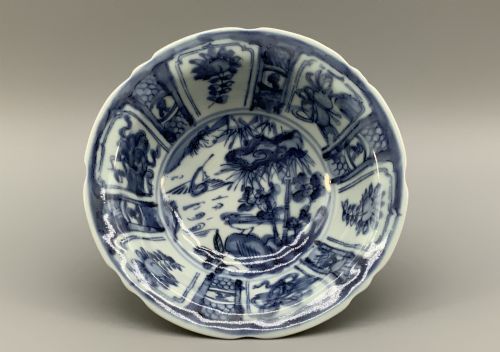
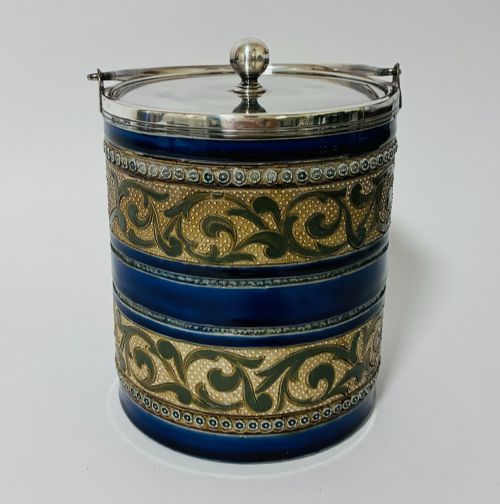
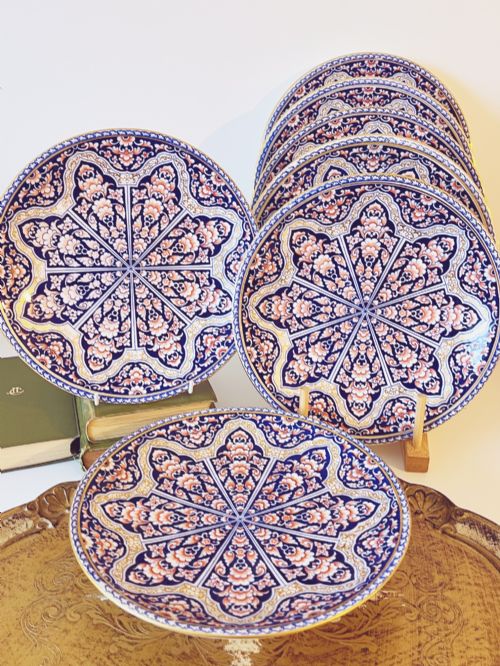
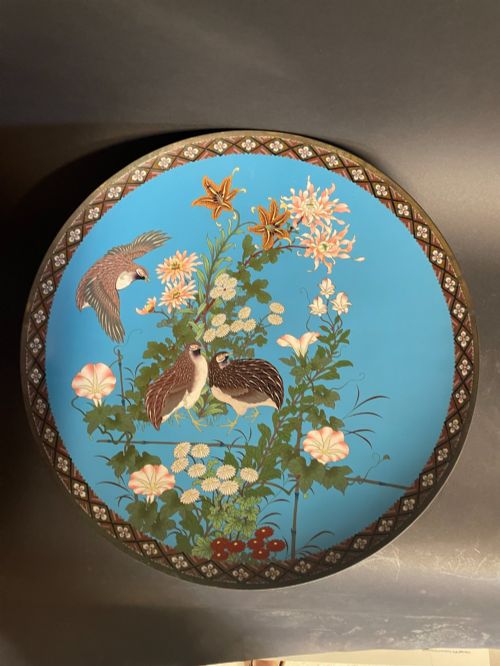
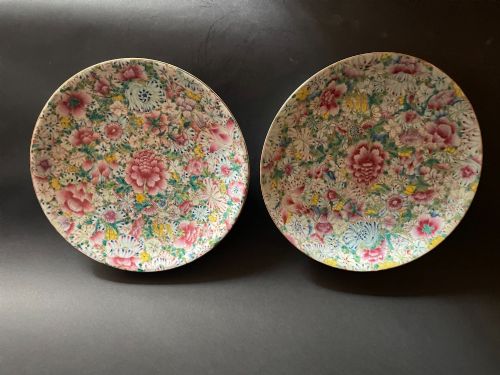
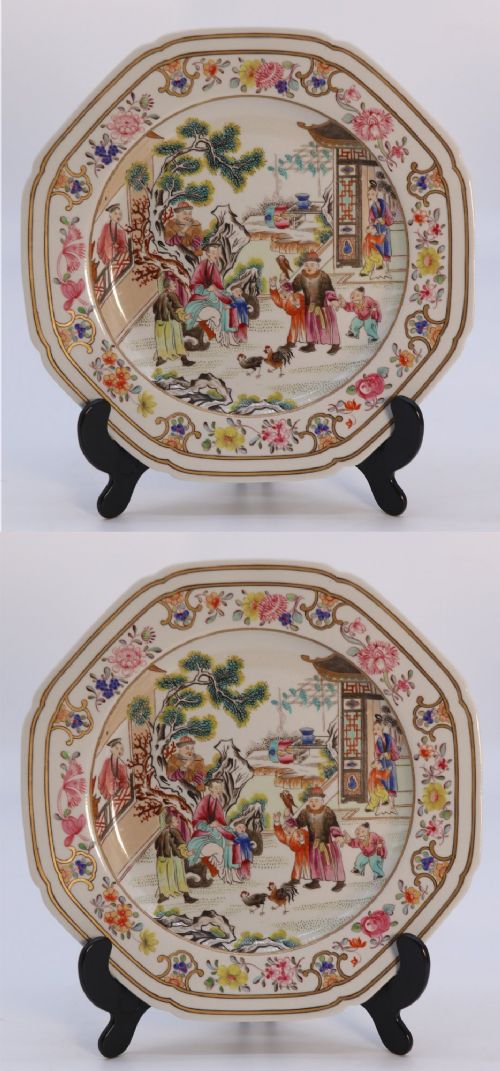
Decorative ceramic plates encompass chargers, cabinet pieces and dishes designed primarily for display rather than dining. The selection draws together pieces from the eighteenth and nineteenth centuries alongside later works, crossing English, European and Asian origins.
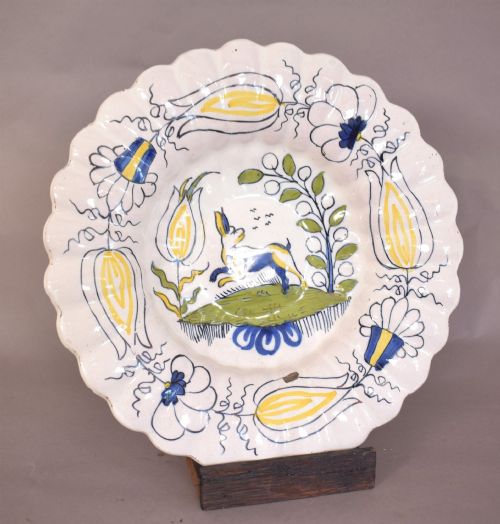
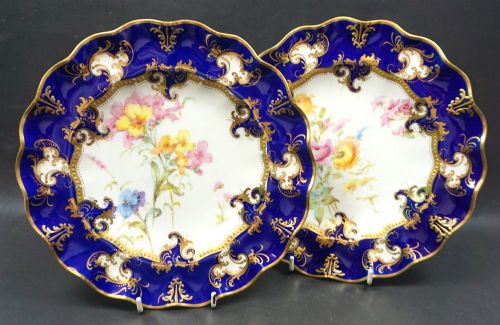
A buyer encounters forms ranging from large Japanese Imari chargers and Delft earthenware dishes to hand-painted English porcelain service plates. These items serve to anchor a wall display, dress a sideboard or add a focused hit of pattern to an interior.
How they were made
Makers shaped porcelain, earthenware and ironstone bodies on the wheel or pressed them into moulds before applying tin glazes, transparent lead glazes or cobalt underglazes. Artisans then hand-painted intricate motifs directly onto the surface, frequently incorporating gilding or enamel highlights before high-temperature firing.
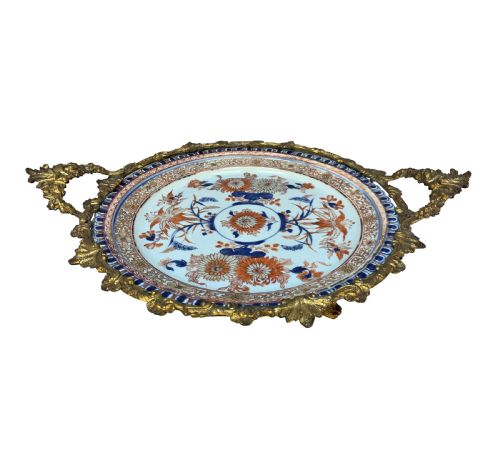
Certain English and continental pieces utilise transfer printing to apply complex blue and white topographical or figurative scenes with mechanical precision. Workshops also mounted porcelain plates in ormolu or paired them with silver plating to elevate their status for formal display.
Plates shaped like shells or featuring green dragons provide a lively contrast to traditional round charger formats.
What varies in quality
Quality rests upon the crispness of the hand-painted brushwork and the depth of the glaze firing. Superior cabinet pieces display delicate, controlled artistry by named ceramic artists, whereas standard domestic items rely on repetitive or simpler transfer-printed patterns.
The refinement of the ceramic body itself distinguishes standard production from exceptional wares. Finer porcelain bodies allow for thinner, more translucent walls and crisper moulded edges, while earthenware chargers rely on the rich application of tin enamel and pigment.
Spode·Royal Crown Derby·Royal Worcester·Royal Doulton·John Davenport of Longport·Stubbs
The Decorative Ceramic Plates Glossary
- Charger
- A large ornamental plate typically used for display on a wall, sideboard or table centre. These pieces measure larger than standard dining plates and often feature elaborate painted or transfer-printed decoration.
- Cabinet plate
- A high-status decorative plate intended for display in a cabinet or on a mantelpiece rather than everyday service. They frequently showcase detailed hand-painted scenes by accomplished ceramic artists.
- Tin-glazed earthenware
- Pottery coated with an opaque white glaze containing tin oxide, which provides a smooth white surface for painting. This technique is characteristic of traditional Delftware and continental faience.
- Imari
- A Japanese export porcelain style featuring a distinctive palette of underglaze blue, iron red and gilt details. European potteries frequently imitated these vibrant motifs on their own porcelain and ironstone.
- Transferware
- Ceramic decorated by pressing a paper design inked with copperplate engraving onto the biscuit or glazed surface. This method allowed potteries to produce intricate blue and white topographical scenes consistently.
Decorative Ceramic Plates: Frequently Asked Questions
How do I hang a heavy charger safely?
Heavy ceramic chargers require adjustable brass spring hangers that grip the rim securely without scratching the glaze or body.
Ensure the wall fixing engages a solid stud or uses a proper wall plug to bear the weight safely over time.
Can I use these plates for serving food?
Most antique decorative plates and cabinet pieces suit display purposes rather than practical dining use.
Older glazes, especially on soft-paste porcelain or earthenware, can absorb liquids or suffer surface wear from cutlery.
How should I clean antique ceramic plates?
Dust these plates gently with a soft, dry brush to remove everyday particles without risking abrasion to the surface.
Avoid soaking antique pieces in water, particularly earthenware or items with delicate gilt highlights that can lift off over time.