



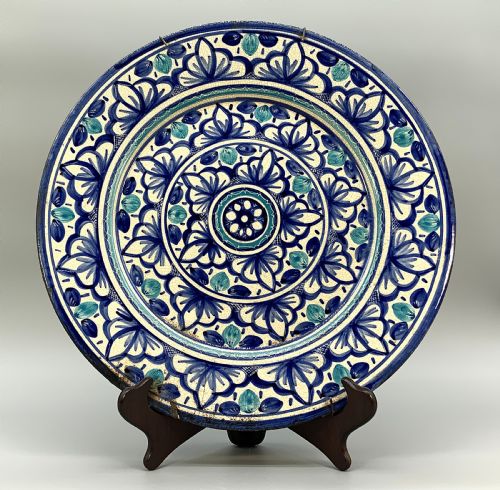
Blue Earthenware Plates
These blue earthenware plates bring centuries of tin-glazed and transfer-printed skill to the table, offering a robust piece of history for daily display or dining.

Blue Earthenware Plates
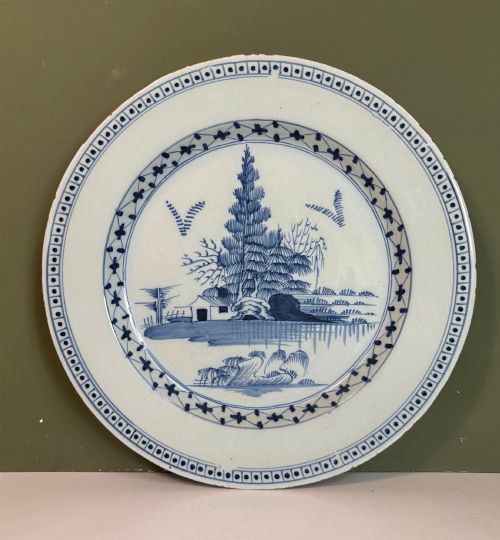
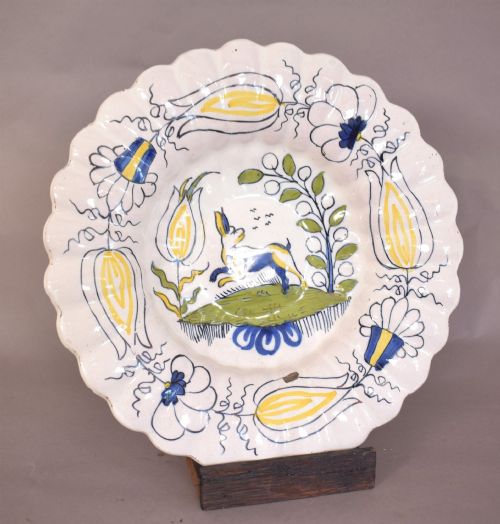
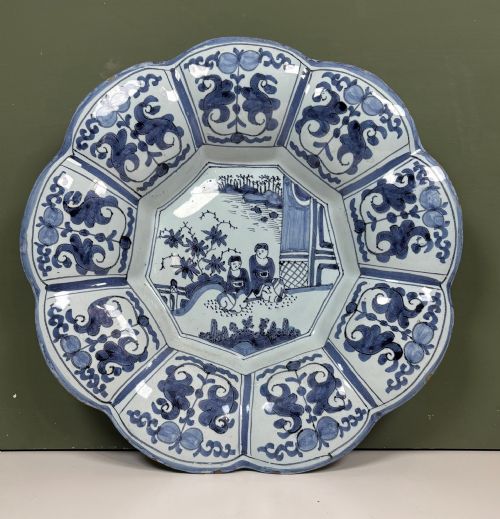
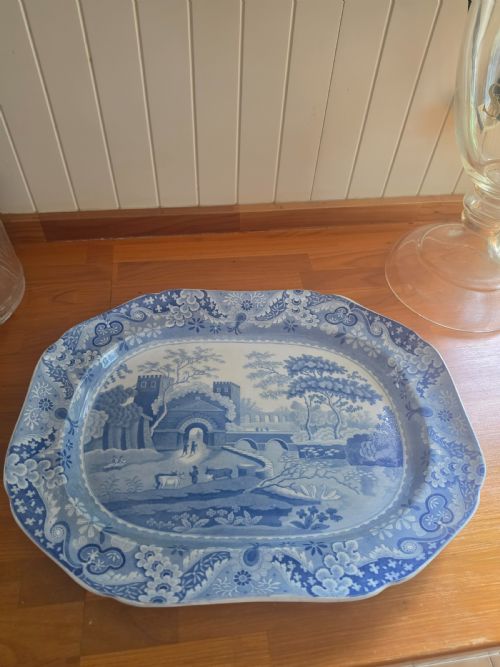
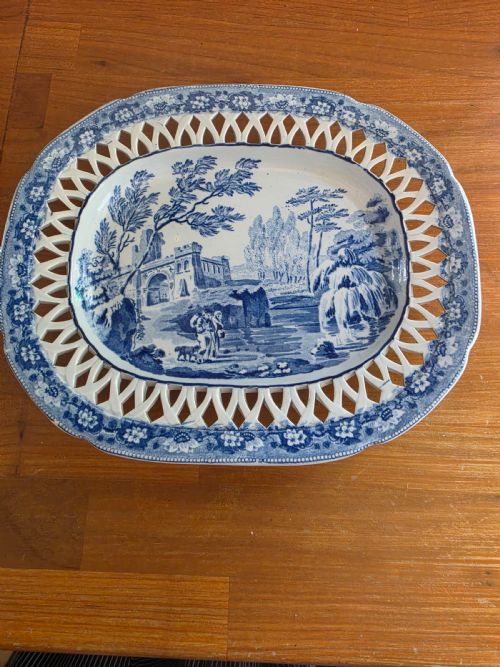
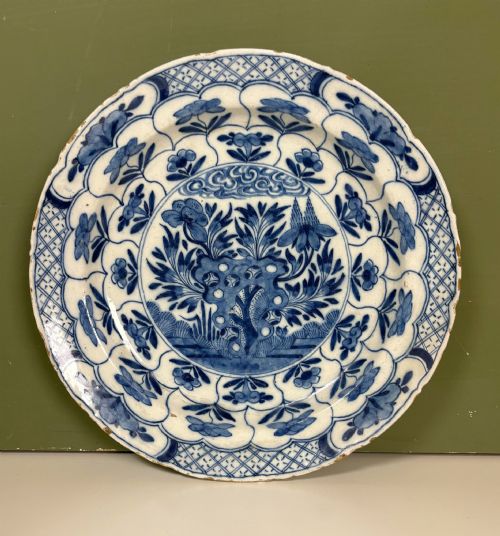
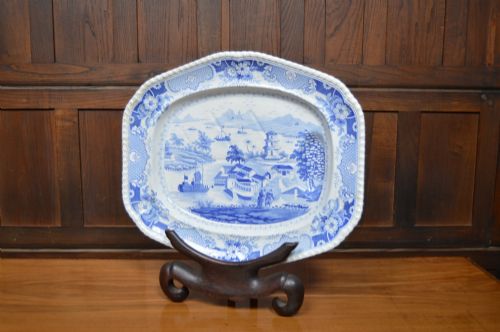
When you search for blue earthenware plates, you encounter chargers, platters, and dishes spanning from the seventeenth century through the Victorian era. These pieces range from early Dutch delftware chargers to nineteenth-century transferware services produced by factories such as Spode and Wedgwood.
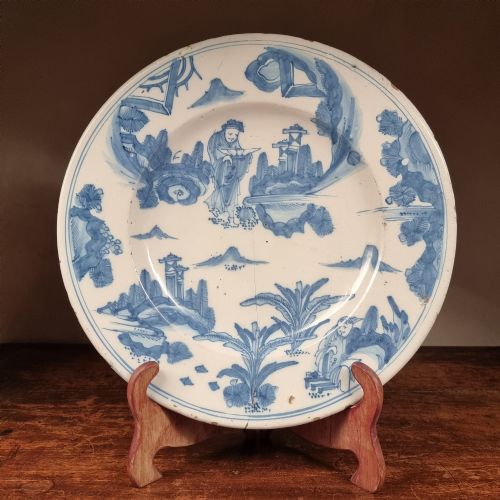
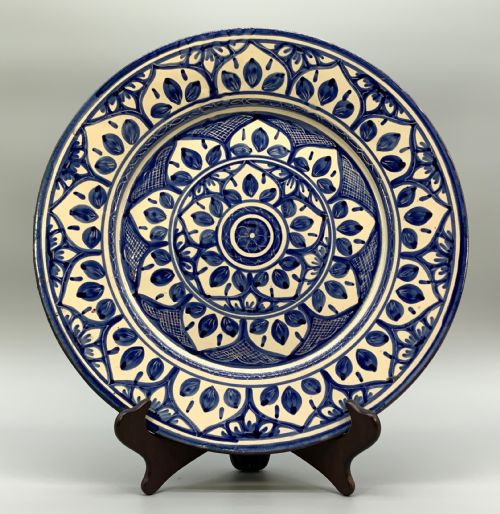
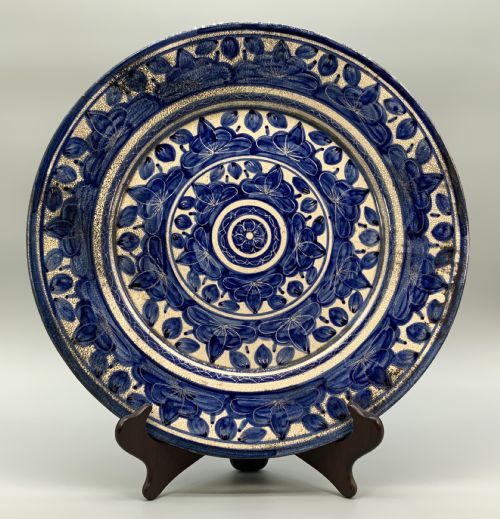
The most common form on this page is the large charger or dinner plate, decorated in cobalt blue pigment upon a pale ceramic or tin-glazed ground. Many adopt styles from Dutch Baroque to Moorish Revival, showing how makers reinterpreted traditional patterns over successive centuries.
How they were made
Potters shaped earthenware bodies from local clays, applying tin glazes or standard glazes to create an opaque white or cream surface suitable for painting. Artisans then brushed cobalt oxide directly onto the unfired or fired glaze, achieving deep blue tones through high-temperature kiln firings.
By the nineteenth century, transfer printing largely superseded hand-painting on earthenware. Engraved copper plates transferred intricate blue designs onto paper, which was then pressed onto the ceramic body before glazing and firing.
Materials documented across the inventory include earthenware, ceramic, tin glaze, and cobalt pigment.
What varies in quality
Quality rests in the crispness of the cobalt painting or the clarity of the transfer-printed scene, alongside the skill involved in throwing the earthenware body. Early delft chargers show lively brushwork and generous proportions, whereas later transferware demands precision in the copperplate engraving.
The weight of the ceramic, the evenness of the glaze coverage, and the sophistication of the border patterns distinguish standard utility wares from ambitious exhibition pieces and armorial commissions.
Wedgwood·Spode·Davenport·George Jones·Minton·John Rogers and Son·Stubbs
The Blue Earthenware Plates Glossary
- Charger
- A large decorative plate or dish, often displayed on a wall or dresser rather than used for dining. These substantial earthenware pieces frequently measure over thirty centimetres across.
- Tin-Glaze
- An opaque white glaze containing tin oxide, applied to earthenware to provide a smooth ground for painted decoration. It is characteristic of delftware and faience production.
- Cobalt Pigment
- A metallic oxide used to achieve deep blue colouration on ceramics under the glaze. It withstands high kiln temperatures without losing its intensity.
- Transferware
- A pottery decoration technique where a design is engraved on a copper plate, printed on paper, and transferred onto the ceramic body. This method allowed intricate pictorial scenes to be produced efficiently.
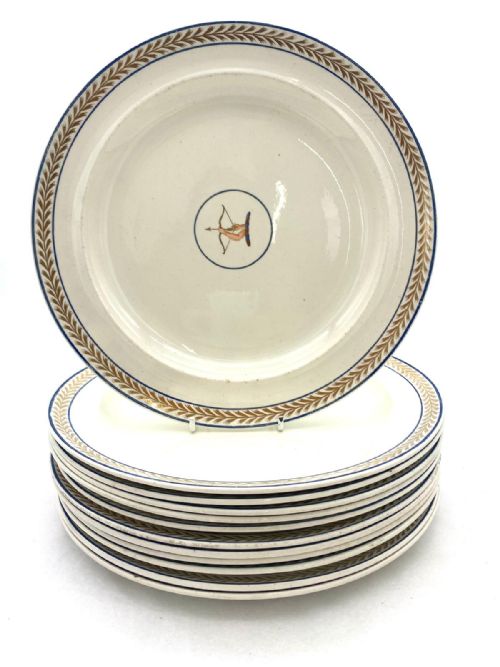
- Creamware
- A refined light-coloured earthenware developed in eighteenth-century Staffordshire, known for its warm cream tone and smooth lead glaze.
Blue Earthenware Plates: Frequently Asked Questions
Are these plates safe for daily use?
Most antique earthenware pieces are porous and fragile, meaning modern dishwashers and heavy cutlery will damage the glaze and soft ceramic body. It is best to reserve them for display or gentle serving.
Older tin-glazed surfaces and historic ironstone require careful hand washing in lukewarm water to preserve the cobalt decoration and prevent crazing.
What is the difference between a plate and a charger?
Plates were traditionally made for individual dining use at the table, while chargers are considerably larger dishes intended for serving communal portions or for decorative display on sideboards.
Chargers dominate the earlier periods on this page, reflecting their status as grand decorative objects in seventeenth and eighteenth-century interiors.
How can I tell the age of blue earthenware?
Dating relies on examining the clay body, the composition of the glaze, and the style of the cobalt decoration. Earlier pieces often display thicker earthenware bodies and tin glazes, whereas nineteenth-century items utilise refined transfer-printed ironstone or creamware.
Maker marks, impressed registry numbers, and stylistic cues like Chinoiserie or Gothic revival patterns help narrow down the decade of production.