

Vintage Ceramic Dishes
These vintage ceramic dishes range from eighteenth-century Delft chargers to painted porcelain cabinet plates, bringing historical craftsmanship and hand-decorated patterns directly to the table.
Vintage Ceramic Dishes
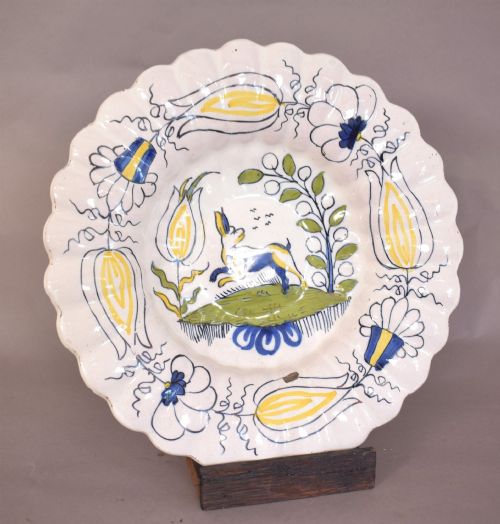
Vintage ceramic dishes include serving vessels, decorative plates, chargers, and cheese domes spanning the eighteenth, nineteenth, and early twentieth centuries. Buyers seeking these items encounter a diverse selection of forms, from large earthenware chargers to intricate porcelain dessert dishes.
The material origins cross English, continental European, and Japanese traditions, including pieces from Meissen, Royal Worcester, and various Delft potteries. English ironstone and creamware sit alongside Japanese Imari porcelain and French faience within this assortment.
How they were made
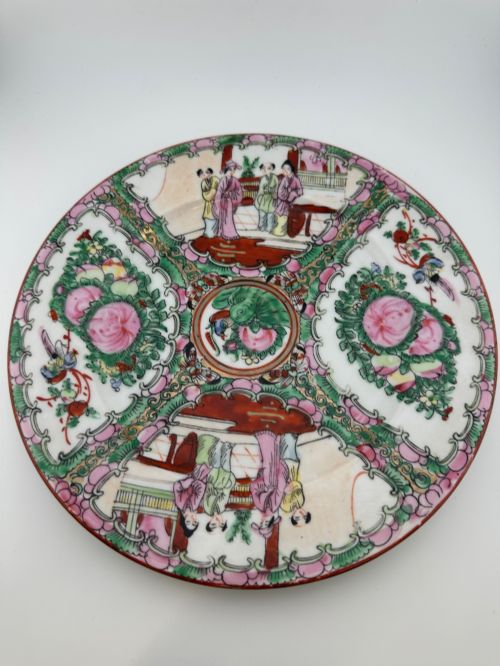
Potters shaped earthenware, porcelain, and terracotta using traditional wheel-thrown or moulded techniques, often applying tin-glaze, enamel, or blue and white transfer printing. Artisans then hand-painted floral, figurative, or armorial motifs directly onto the ceramic body before firing.
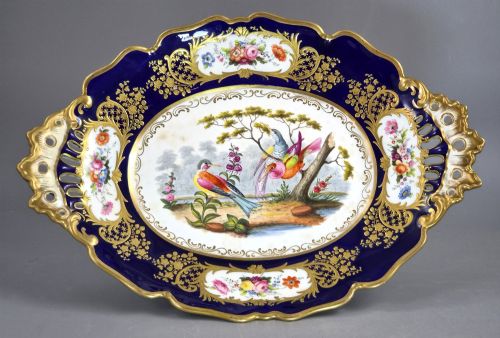
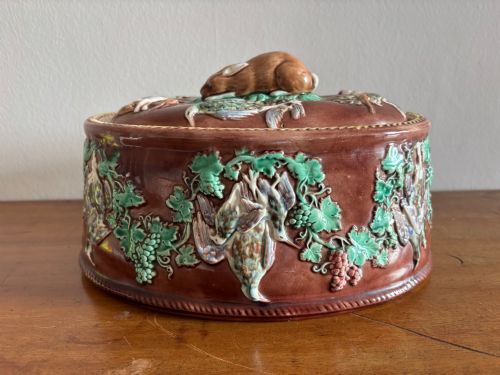
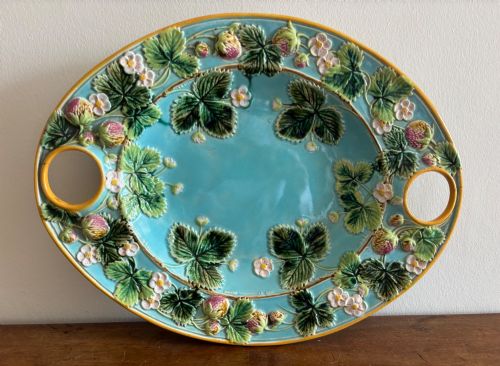
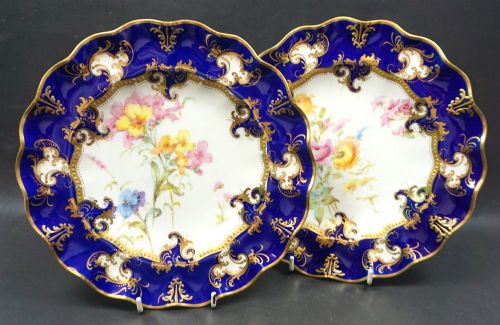
Surface enrichment frequently involved gold leaf, gilding, and gilt highlights applied over coloured grounds like cobalt blue or black. Specialised wares like Majolica incorporated colourful lead glazes over moulded basket-weave or botanical reliefs.
Several nineteenth-century dishes portray Dr Livingstone and elephants, proving that Victorian breakfast tables enjoyed plenty of geographical drama.
What varies in quality
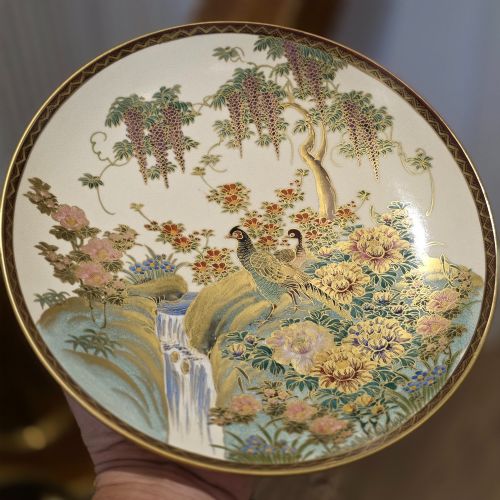
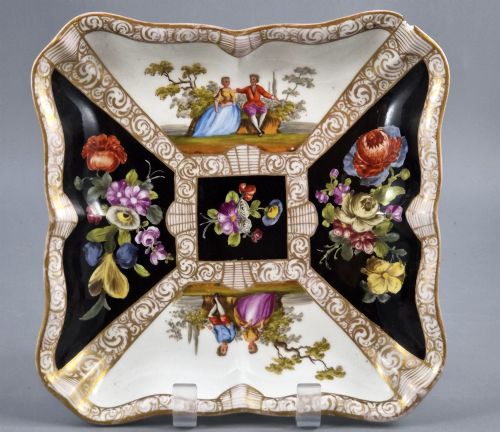
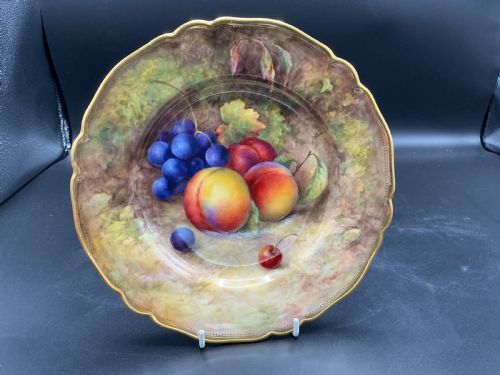
Quality rests in the precision of the hand-painted brushwork, the clarity of transfer-printed details, and the crispness of moulded relief decoration such as basket weave or botanical motifs. Master painters executed intricate fruit scenes, Watteau subjects, and ornithological studies with distinct artistic control.
The sophistication of the ceramic body and glaze application also distinguishes standard production from exceptional pieces. Superior items display well-balanced proportions, intact gilding, and refined potting across forms like cheese domes and cabinet plates.
Coalport·Meissen·George Jones·Royal Worcester·Royal Crown Derby·Hicks and Meigh·John Rogers and Son·Royal Doulton
The Vintage Ceramic Dishes Glossary
- Charger
- A large decorative plate or dish, frequently used for display or formal service in tin-glazed earthenware or porcelain.
- Delftware
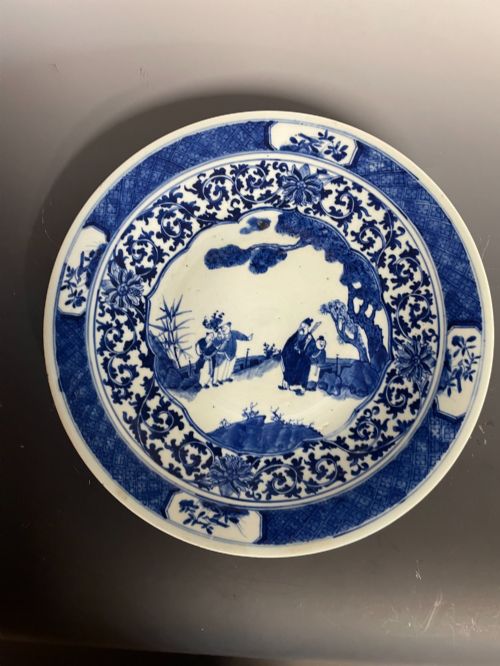
- Tin-glazed earthenware produced in England, Holland, and continental Europe, often featuring blue and white or polychrome decoration.
- Ironstone
- A heavy, durable type of earthenware patented in the nineteenth century to imitate porcelain.
- Majolica
- Pottery glazed with opaque coloured lead glazes, popular during the Victorian era for naturalistic plant and animal forms.
- Imari
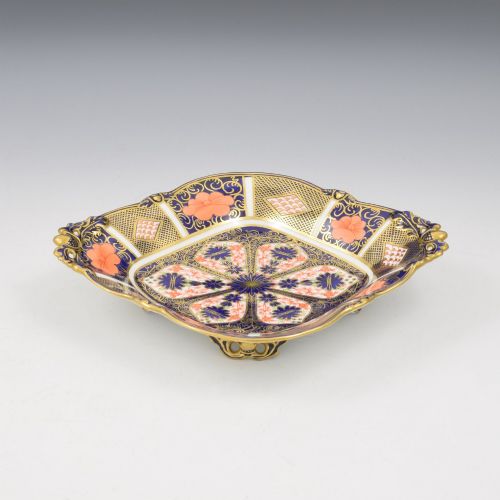
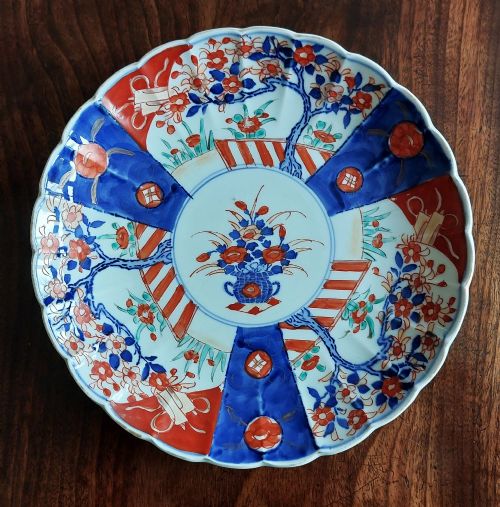
- Japanese porcelain decorated in underglaze blue, iron red, and gilt, which heavily influenced European ceramic design.
Vintage Ceramic Dishes: Frequently Asked Questions
How do I use a cheese dome?
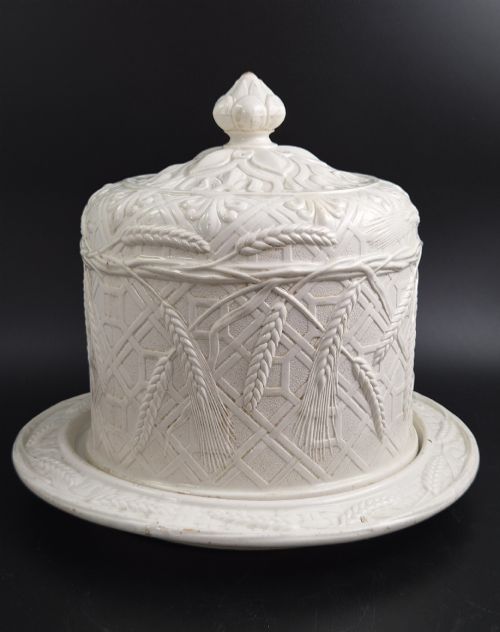
Cheese domes and stands were traditionally placed on the dining table to keep large cheeses fresh and protected between meals. The cover fits snugly over the ceramic base to maintain humidity.
Today, these pieces serve as striking centrepieces or functional serving ware for cheese courses during dinner parties. They add historical character to a dining room table.
Can I use these dishes for food?
Many of these vintage ceramic dishes remain structurally sound for serving dry foods, fruits, or cheeses during gatherings. Care should be taken with antique surfaces to avoid scratching historic glazes.
Items featuring delicate gold leaf, gilding, or early overglaze enamels benefit from hand washing rather than automated cleaning. Displaying them on walls or in cabinets helps protect fragile nineteenth-century painted scenes.
How do I identify a Japanese Imari piece?
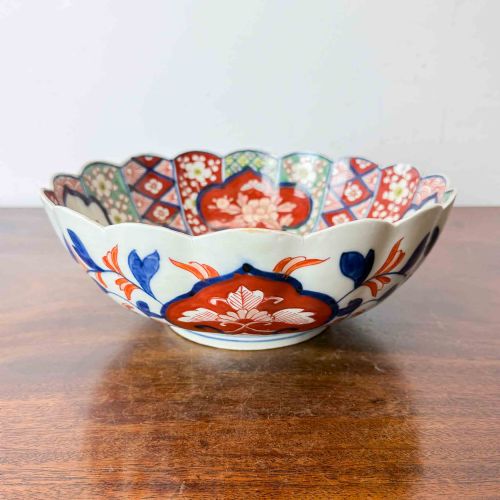
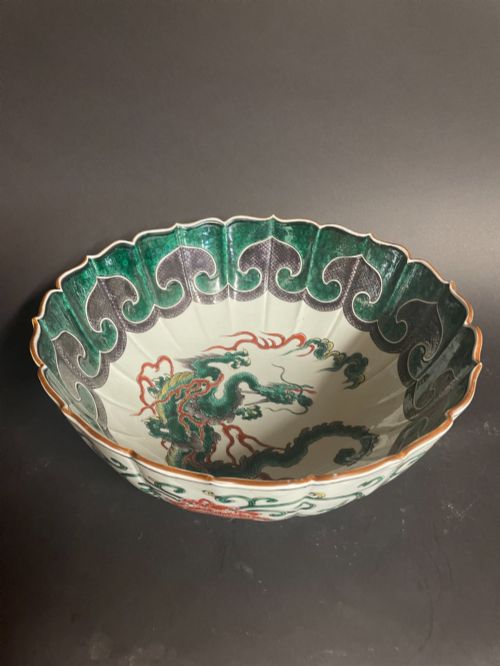
Japanese Imari porcelain is recognisable by its distinct palette, which typically combines underglaze cobalt blue with iron red and gilt highlights. These dishes often feature intricate floral and panel designs created during the Meiji period or earlier.
European factories frequently copied this aesthetic, producing their own versions of Imari plates and bowls. Examining the paste, weight, and blue tones helps distinguish Japanese production from European imitations.