


Delftware Wall Plate
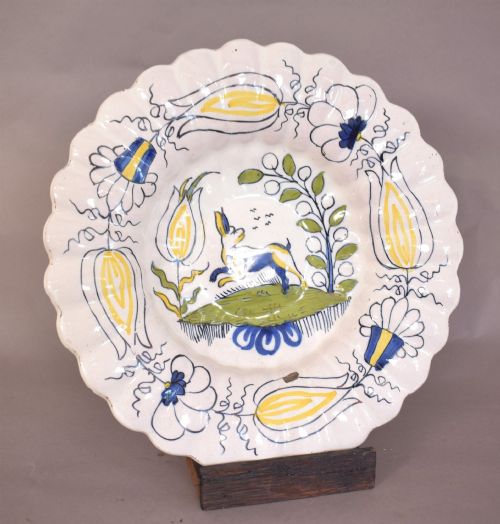
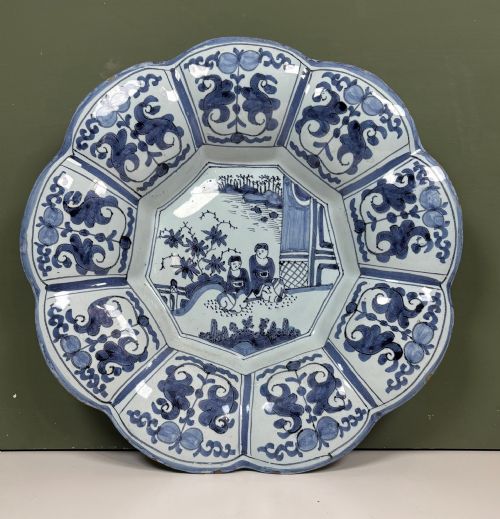
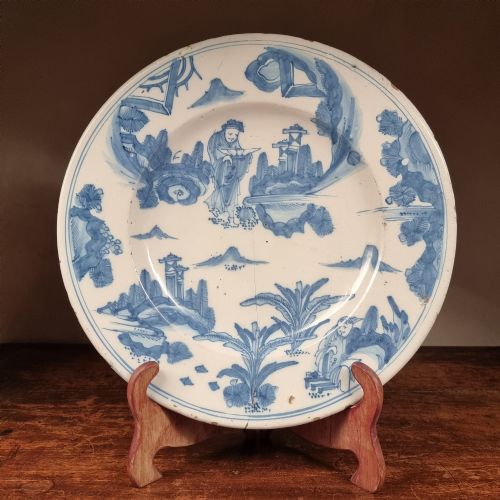
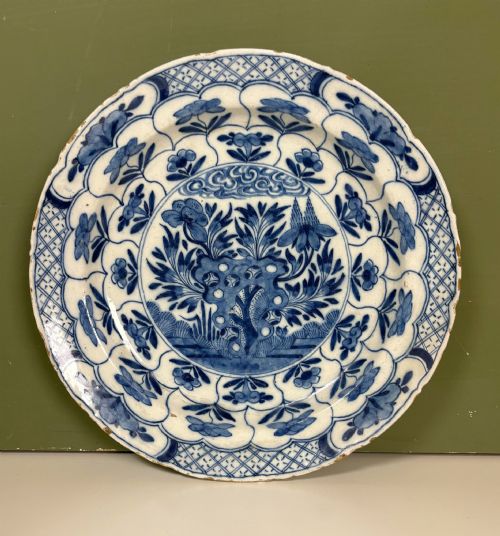
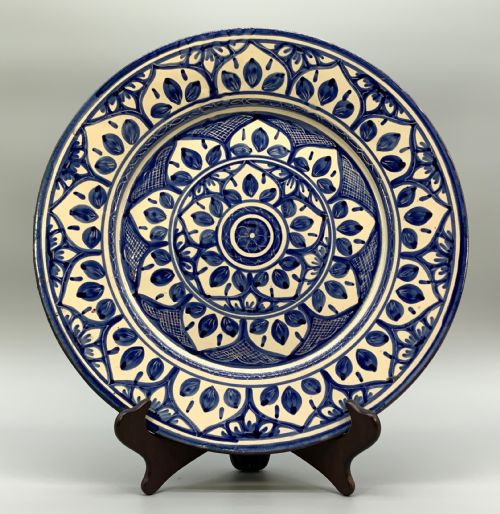
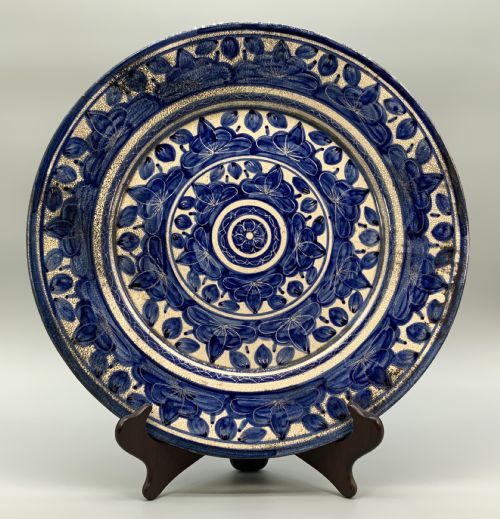
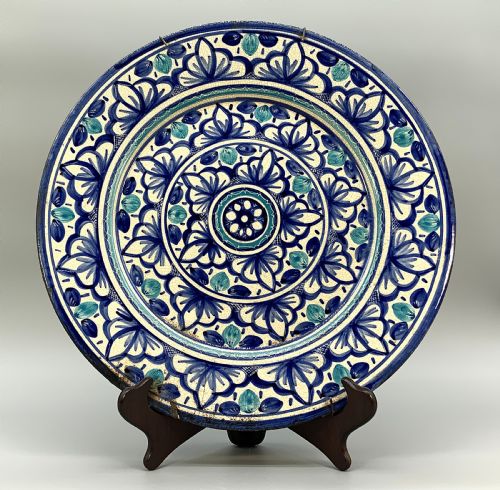
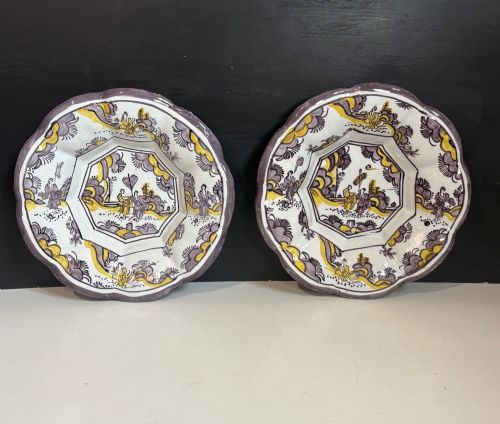
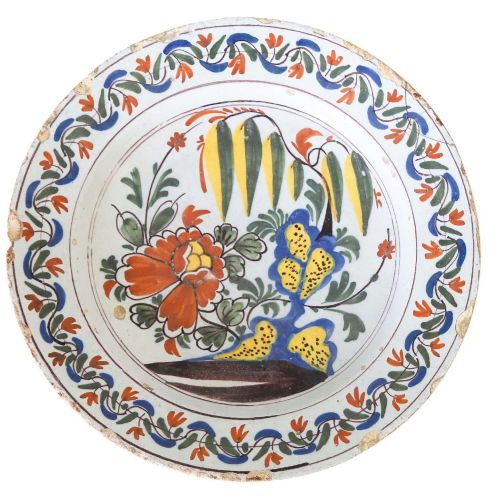
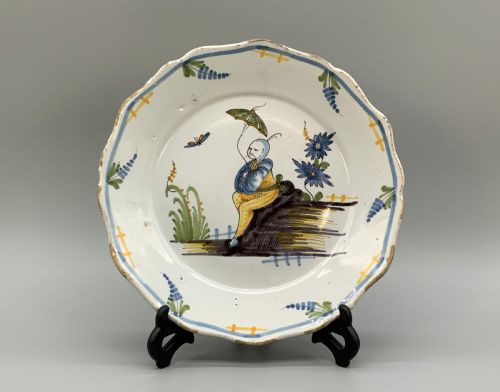
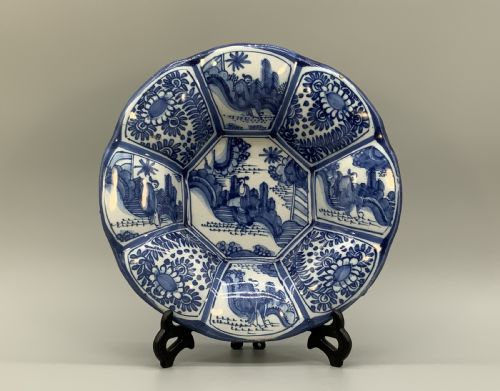
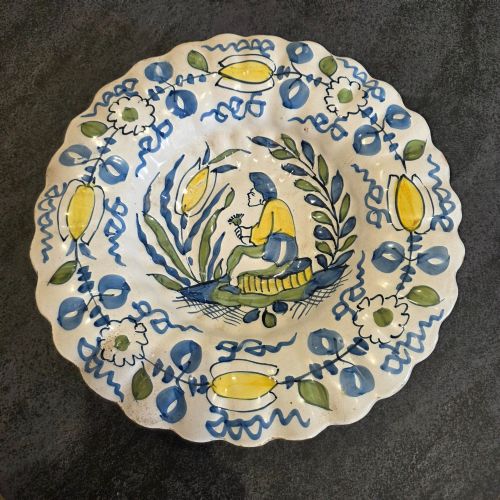
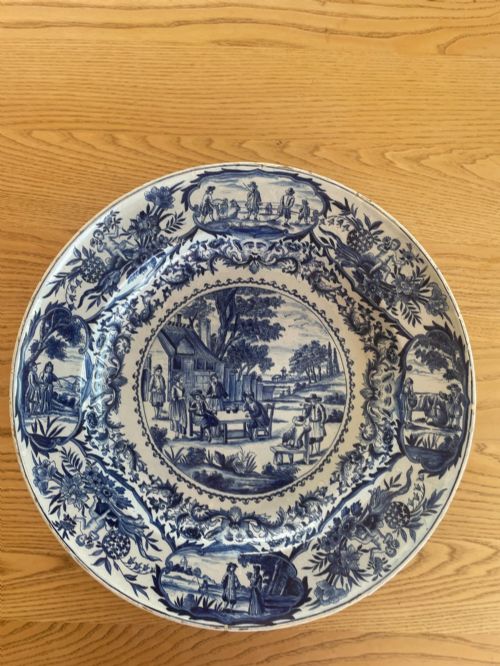
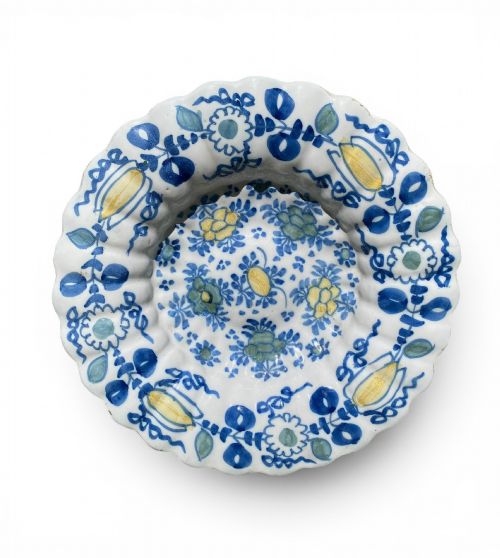
These delftware wall plate examples bring hand-painted tin-glazed earthenware into the home with vibrant Chinoiserie and floral motifs.
What these pieces are
When searching for a delftware wall plate, a buyer encounters 18th century earthenware items shaped as decorative plates and chargers. These pieces reflect Georgian, 18th Century English, and 18th Century Dutch traditions.
The most common versions met on this page include polychrome chargers and plates adorned with hand-painted floral decoration and Chinoiserie scenes. Pieces such as the Lambeth Delft plate and the charger bearing the mark 'De Witte Ster' represent the distinct regional outputs of the period.
How they were made
Makers formed these objects using earthenware and ceramic bodies, coated subsequently in tin glaze and tin-glazed earthenware. This opaque white surface provided a smooth ground for subsequent painting.
Artisans applied hand-painted decoration directly onto the unfired or fired glaze, utilising polychrome pigments and blue cobalt tones. The pieces then underwent a final firing to fix the pigments into the tin glaze.
Some chargers proudly bear the name 'De Witte Ster', proving that even earthenware pottery once held astronomical aspirations.
What varies in quality
The standard of painting distinguishes the finest examples from simpler commercial production, with confident brushwork and detailed floral or Chinoiserie composition marking out superior work. Control over the tin glaze surface and the precision of the polychrome palette also indicate the skill of the original workshop.
Attribution to specific historic centres, such as Lambeth or designated Dutch factories like 'De Witte Ster', adds historical depth to individual pieces. The clarity and preservation of the tin-glaze coating across the charger surface further influence the overall standing of an item.
The Delftware Wall Plate Glossary
- Charger
- A large decorative plate intended primarily for display on a wall or dresser rather than for dining use. These items often showcase the most ambitious painting of the period.
- Polychrome
- Decoration employing multiple colours rather than a single hue like cobalt blue. On these ceramics, it usually includes combinations of red, green, yellow, and blue pigments.
- Tin Glaze
- A ceramic glaze made opaque by the addition of tin oxide, creating a white surface suitable for painting. This technique forms the defining characteristic of delftware production.
Frequently Asked Questions
How were delftware wall plates used?
These items served primarily as decorative plates and chargers for display in domestic interiors during the 18th century. Wealthy households mounted them on walls or arranged them on dressers to showcase colourful Chinoiserie and floral patterns.
Because tin-glazed earthenware chips relatively easily, they were seldom utilised for everyday dining. Their survival in decorative contexts is the main reason they reach modern collections in charger and plate forms.
What is tin-glazed earthenware?
Tin-glazed earthenware is a ceramic body covered with a glaze made opaque by tin oxide. This white surface provides a smooth ground for hand-painted decoration.
Potters in England and the Netherlands utilised this technique throughout the 18th century to imitate imported Chinese porcelain. The resulting ware combines a porous clay body with a distinctively glossy, opaque finish.
How do I tell English and Dutch pieces apart?
Distinguishing English delftware from Dutch output involves examining the clay body, glaze tone, and stylistic traits. English pieces, such as those from Lambeth, often display specific regional variations in palette and paste.
Dutch examples frequently bear factory inscriptions or marks, such as 'De Witte Ster', alongside characteristic blue and polychrome painting. Comparing the specific shade of the tin glaze helps identify the likely origin.
How do I care for a delftware charger?
Display these ceramic pieces securely on appropriate wall hangers or plate stands designed for heavy chargers. Keep them away from high-traffic areas where accidental knocks might chip the tin glaze.
Dust the surface gently with a dry, soft cloth and avoid using water or cleaning agents on the porous earthenware. Proper placement away from direct sunlight preserves the hand-painted polychrome pigments.